Best Bait for Tiger Muskie
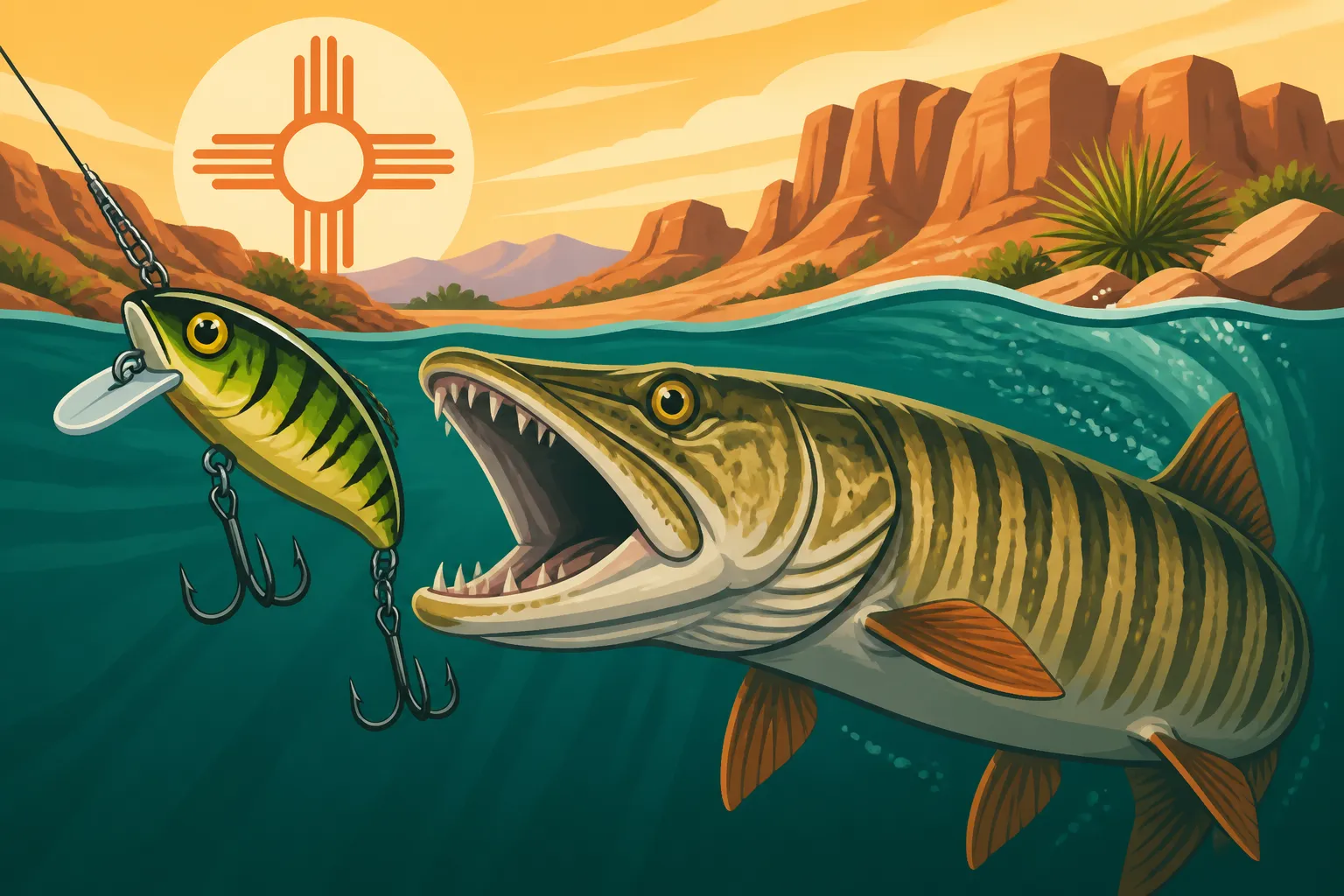
Trying to hook into a tiger muskie in New Mexico is a unique challenge, isn't it? These impressive hybrid predators are known for their elusive nature and aggressive strikes, making them a true trophy for any angler. If you've spent hours casting without a strike, or just want to increase your chances against these toothy beasts, you're in the right place. This guide is all about helping you understand the best baits and lures to entice a New Mexico tiger muskie, boosting your confidence and improving your success on the water.
Understanding the Tiger Muskie's Appetite
Before we even talk about specific baits, it's really helpful to get inside the head of a tiger muskie. These aren't your average panfish; they're apex predators in the waters where they reside, like Bluewater Lake. Their diet consists almost entirely of other fish, and they're known for their ambush hunting style, often lurking in submerged structure or weed lines before exploding on their prey. This means your bait needs to mimic what they naturally hunt and be presented in a way that triggers their predatory instincts.
Their Natural Diet and Hunting Style
Tiger muskie are a cross between muskellunge and northern pike, inheriting the aggressive traits of both. They primarily feed on smaller fish, often larger forage fish than many other predators would tackle. Think about suckerfish, trout, perch, or even smaller bass and crappie that might be present in the same waters. They don't just gently sip at bait; they hit with incredible force, often inhaling their prey whole or slashing it before turning to swallow. This explains why sturdy tackle and strong hooks are paramount when targeting them.
Their hunting style is less about chasing and more about sudden, explosive attacks. They'll often position themselves near drop-offs, submerged timber, weed edges, or rocky points – anywhere they can hide and dart out quickly. Your bait presentation needs to exploit this; it should look like an easy, unsuspecting meal passing by, or an injured fish struggling, to trigger that instinctual strike. Understanding this behavior is the first step to choosing the right bait and knowing how to work it effectively. You'll find more detailed information on What a Tiger Muskie Is in our other guides.
Why Size Matters for Muskie Baits
When it comes to tiger muskie, bigger really can be better. These fish are opportunists, but they're also efficient predators. They're not going to expend a lot of energy chasing down tiny minnows if they can get a substantial meal in one fell swoop. This means your baits and lures should generally be on the larger side compared to what you'd use for bass or even larger trout.
Using baits that are 6 inches, 8 inches, or even larger isn't uncommon. Live baitfish should be substantial, and artificial lures should be robust, creating a significant profile and displacement in the water. While they will occasionally hit smaller offerings, especially if they are heavily pressured, consistently larger baits tend to draw out the bigger, more aggressive fish. Don't be shy about tying on something that feels oversized for your typical fishing, because it's just right for a hungry muskie.
Top Bait Options for New Mexico Tiger Muskie
Now that we know what makes a muskie tick, let's talk about the specific baits that can put you on the business end of a screaming drag. We'll cover both live/cut bait and the exciting world of artificial lures.
Live Bait: The Natural Advantage
There's something undeniable about the drawing power of live bait. For a tiger muskie, a struggling, live fish can be an irresistible temptation, mimicking exactly what they hunt naturally.
Suckerfish and Other Robust Forage
When it comes to live bait, large suckerfish are often considered the gold standard for muskie. Their oily, fleshy bodies, combined with their ability to stay lively on a hook, make them an excellent choice. Other robust baitfish like large shiners or even smaller trout (check local regulations to ensure legal use as bait) can also be highly effective. The key is to use fish that are substantial – think 6 to 10 inches long.
To present live bait, you'll want a sturdy leader, ideally wire or heavy fluorocarbon, attached to a large, sharp hook (or even a treble hook rig). You can fish them under a float near submerged structure, or slow-troll them around promising areas. The movement and scent of live bait can entice even a finicky muskie that might ignore artificial offerings. Just remember that patience is a virtue with live bait; sometimes it takes a while for a muskie to commit. For more on the specifics of the species, check out Tiger Muskie Size at Bluewater Lake.
Rigging Live Bait for Success
Proper rigging is crucial when using live bait for tiger muskie. You need to ensure the bait stays alive and appealing, while also providing a solid hookup when the strike finally comes. Many anglers opt for a quick-strike rig, which typically uses two treble hooks: one hooked near the dorsal fin and another near the tail. This increases the chances of hooking the muskie when it first grabs the bait, rather than waiting for it to fully swallow it (which can lead to gut-hooking and harm to the fish).
Another common method is to use a single, large circle hook through the nose or lip, allowing the baitfish to swim more naturally. This is often preferred for catch-and-release, as circle hooks tend to hook in the corner of the mouth. Always use heavy-duty line and leaders, as muskie teeth are notorious for slicing through lighter tackle. A slip-float can keep your bait at a desired depth, or you can free-line it with a small weight to allow it to swim more freely. Ensuring your drag is set properly is vital; a muskie strike is often explosive, and a locked-down drag can snap your line in an instant.
Cut Bait: Scent and Convenience
While live bait has its advantages, cut bait offers a powerful scent trail and can be more convenient to acquire and manage.
Oily Fish Chunks for Maximum Scent
When using cut bait for tiger muskie, the goal is to maximize the scent dispersed in the water. Oily fish like mackerel, shad, or even larger pieces of trout can be excellent choices. Cut them into substantial chunks, ideally 3-6 inches long, that will present a good profile and leach scent effectively. The strong smell is what draws muskie in, particularly when they might be less active or when water visibility is low.
You can fish cut bait on the bottom using a slip sinker rig, or even suspended under a large bobber. It's especially effective in areas where muskie might be patrolling deeper zones or when you want to cover an area slowly, allowing the scent to do the work. While not as dynamic as live bait, the convenience and potent scent of cut bait make it a valuable tool in your muskie arsenal, especially for those longer waits.
Presentation Tips for Cut Bait
Presenting cut bait for muskie requires a similar heavy-duty setup as live bait. Use a stout rod and reel, strong braided line, and a wire or heavy fluorocarbon leader. A large single hook, sized appropriately for your bait chunk, is usually sufficient. You can thread the hook through the bait to keep it secure, or use a Baitrunner-style reel that allows the muskie to take the bait without feeling immediate resistance, giving it time to get the entire chunk in its mouth before you set the hook.
Consider placing your cut bait near known muskie hangouts, like submerged timber, rock piles, or weed edges. Letting it sit for extended periods, perhaps with a slight retrieve every 15-20 minutes to re-disperse scent, can be effective. This method is often favored by anglers who prefer a more relaxed approach or are targeting specific, structure-oriented fish. Always keep an eye on your rod tip, as a muskie strike on still bait can sometimes be a subtle pull before the line takes off.
Artificial Lures: The Angler's Art
For many muskie anglers, the thrill comes from enticing a strike on an artificial lure. This is where skill, technique, and the right gear truly shine.
Large Spinnerbaits and Bucktails: Flash and Vibration
Spinnerbaits and bucktails are staples in any muskie angler's tackle box, and for good reason. They combine flash, vibration, and a significant profile to trigger aggressive strikes. Brands like Bass Pro Shops and other specialized tackle stores often carry an impressive array of these large lures designed specifically for muskie.
Flash and Intrigue: Why They Work
The primary appeal of spinnerbaits and bucktails for tiger muskie lies in their ability to create a commotion in the water. The spinning blades (often large Colorado or willow leaf blades) create a tremendous amount of flash, mimicking the scales of a fleeing baitfish. Simultaneously, the rotation of the blades and the movement of the skirt (bucktail or synthetic fibers) create powerful vibrations that muskie can detect with their lateral lines from a significant distance, even in murky water.
These lures are fantastic for covering water quickly. You can cast them long distances and retrieve them at varying speeds, allowing you to search for active fish. Their versatility makes them effective in many conditions, from bright sunny days where the flash is blindingly attractive, to overcast days where the vibration becomes the primary draw. The sheer size of these lures also helps to filter out smaller fish, ensuring that when you get a strike, it's likely to be the predatory muskie you're after.
Choosing and Presenting Your Spinners
When selecting spinnerbaits or bucktails, look for options with heavy-gauge wire, strong hooks, and durable components. Muskie strikes are violent, and a flimsy lure won't last long. Consider lures with multiple blades for maximum flash and vibration, and don't shy away from bright, contrasting colors like chartreuse, orange, or black and nickel. You can often find a great selection of these specialized lures at a sporting goods retailer like Bass Pro Shops, which stocks a variety of heavy-duty options.
Presentation is key. Cast your spinnerbait or bucktail near structure – submerged logs, weed beds, rocky points, or drop-offs. Use a steady retrieve, varying the speed occasionally to create an erratic action. A common technique is the "figure-eight" at the end of your retrieve, where you sweep your rod in a figure-eight pattern beside the boat. Muskie are known to follow a lure right up to the boat before striking, and this maneuver can often trigger a last-second, heart-stopping strike. Make sure your reel has a strong drag and your line is fresh. Don't forget to learn about New Mexico Fishing Regulations Overview before heading out.
Jerkbaits and Glide Baits: Erratic Action
Jerkbaits and glide baits are fantastic choices for imitating injured or disoriented baitfish, triggering a muskie's predatory response with their erratic, side-to-side movements.
Mimicking a Wounded Prey
These lures excel at mimicking a struggling, wounded baitfish, which is often an easy meal for a muskie. Jerkbaits are designed to be worked with sharp snaps of the rod tip, causing them to dart erratically from side to side, then pause. Glide baits, on the other hand, are typically worked with a sweeping motion of the rod, causing them to glide out to the side before coming back to a central position on the pause. Both actions are highly effective at drawing strikes.
The key to their success is the "pause." Many muskie strikes occur when the lure is suspended motionless in the water, appearing vulnerable. This gives the muskie time to approach, evaluate, and then strike with aggressive force. These lures are particularly effective in clear water where muskie can track the erratic movements visually, and during times when fish might be a bit more finicky and prefer a slower, more deliberate presentation. You might also be interested in Best Rod Power for Tiger Muskie Fishing for these heavier lures.
Selecting and Working Jerk/Glide Baits
When choosing jerkbaits and glide baits, consider their size, weight, and dive depth. Again, go big! Lures ranging from 6 to 12 inches are common. Look for durable construction, strong split rings, and super-sharp treble hooks. Colors that imitate local forage, such as perch patterns, sucker patterns, or natural shad, are often excellent starting points. You can easily browse and compare various brands and sizes on platforms like Amazon to find what suits your style and local conditions.
Working these lures is an art form that requires practice. For jerkbaits, cast near cover and use a cadence of "jerk-jerk-pause," allowing the lure to suspend briefly. For glide baits, a long sweep of the rod, followed by reeling in the slack, will send the bait gliding. Experiment with different retrieve speeds, pause durations, and rod tip movements to find what the fish are responding to on any given day. Remember to always maintain contact with your lure, even on the pause, as muskie strikes can be incredibly subtle or overtly aggressive.
Topwater Lures: Explosive Surface Strikes
There's nothing quite like a muskie exploding on a topwater lure. These baits are all about generating maximum surface commotion and sound to draw fish up from the depths.
The Thrill of the Surface Attack
Topwater lures create a spectacle that is hard to beat. Buzzbaits, prop baits, walk-the-dog style lures, and even large poppers disrupt the water's surface, creating splashes, gurgles, and distinct thumping sounds that scream "easy meal" to a lurking muskie. The visual aspect of a muskie rocketing out of the water to inhale your lure is an adrenaline rush unlike any other in freshwater fishing.
These lures are most effective during low-light conditions – early mornings, late evenings, or even after dark – when muskie are more likely to hunt near the surface. They also shine on calm days or in shallow, weedy areas where other lures might snag too easily. The anticipation of that surface strike, watching your lure dance across the water, is a huge part of the topwater muskie experience.
Choosing and Presenting Topwater Baits
For topwater muskie, durability is paramount. These lures need to withstand brutal strikes and violent head shakes. Look for large, heavy-duty lures with strong hooks and robust bodies. Color choices are often less critical than the action and sound of the lure, but dark silhouettes can be effective against the sky. You might find a wider selection of heavy-duty topwater muskie lures from specialty vendors or online retailers like Amazon.
Presenting topwater lures involves creating maximum disturbance. For buzzbaits, a steady retrieve that keeps the blade churning on the surface is ideal. For prop baits, a stop-and-go retrieve with sharp twitches of the rod tip will get the props spinning and splashing. Walk-the-dog lures require a rhythmic rod twitch and reel retrieve to create their signature zigzagging action. Always be ready for a strike, as they can be sudden and incredibly forceful. It's often helpful to pause briefly after a strike before setting the hook, giving the muskie a moment to fully engulf the lure. You'll also want to make sure your Best Leader Wire for Tiger Muskie Fishing is up to the task for these aggressive takes.
Essential Gear and Tips for Muskie Success
Beyond the bait, having the right gear and knowledge is absolutely critical when targeting tiger muskie. These fish are tough, and your equipment needs to be tougher.
Heavy-Duty Rods, Reels, and Line
You simply cannot approach muskie fishing with light tackle. These fish are powerful, have razor-sharp teeth, and will test every piece of your gear.
Why Heavy Tackle is Non-Negotiable
Imagine hooking into a 40-inch freight train that wants nothing more than to wrap your line around a submerged tree. That's a muskie. Using undersized gear will result in lost fish, broken lines, and likely broken hearts. A heavy-action casting rod, typically 7 to 9 feet long, is standard. This length provides the leverage needed to cast large lures and effectively fight powerful fish.
Your reel should be a robust baitcasting model with a strong drag system and high line capacity. You'll need braided line, generally 65 to 100-pound test, which offers incredible strength and sensitivity with minimal stretch. This heavy line is crucial for battling powerful fish, pulling them out of cover, and withstanding abrasive encounters with teeth or rough structure. Investing in quality heavy-duty tackle isn't just about catching the fish; it's about being prepared for the fight of a lifetime and ensuring a quicker, safer release for the fish. For more on this, check out Best Rods and Reels for New Mexico Trout Fishing which discusses tackle strength.
Leaders and Hook Sharpness
Leaders are absolutely essential for muskie fishing. Their teeth will slice through monofilament or fluorocarbon mainlines like butter. You need a wire leader, typically 80 to 150-pound test, or a very heavy, bite-resistant fluorocarbon leader (at least 80-pound) that is 12 to 24 inches long. This barrier protects your main line from those formidable choppers. Swivels and snaps on your leader should also be heavy-duty, designed for saltwater use, as muskie can bend or break lesser quality components.
Equally important is hook sharpness. A muskie's mouth is bony, and a dull hook will simply not penetrate. Always check your hooks before each trip and after every fish. Sharpen them with a file or replace them if they're bent or dull. Many anglers opt to upgrade the treble hooks on store-bought lures to stronger, sharper models right out of the package. A quality hook will ensure a solid hookup and reduce the chances of a thrown hook during the intense battle. Understanding Do You Need Steel Leader for Tiger Muskie? is critical for safety and success.
Catch and Release Best Practices
Tiger muskie are a prized catch, and practicing proper catch and release is vital for sustaining their populations, especially in waters like Bluewater Lake where they are stocked.
Minimizing Stress and Injury
Muskie are tough fish, but they can be easily stressed during a fight, especially in warmer water. The faster you can land the fish, the better. This is another reason why heavy tackle is so important – it allows you to bring the fish in quickly, reducing exhaustion. Once landed, keep the fish in the water as much as possible. A large, rubberized landing net (not knotted nylon, which can damage fins and slime coat) is ideal for safely securing the fish alongside the boat.
Use long-nosed pliers or specialized hook removers to quickly and carefully extract hooks. Avoid handling the fish by its gills or eyes. If you need to lift it for a photo, support its body horizontally with two hands, one under the head and one under the tail, keeping it as close to the water as possible. Get your photos quickly and return the fish to the water to revive. You'll want to review Catch and Release Best Practices in New Mexico for general guidelines.
Reviving and Releasing the Fish
After unhooking, gently hold the muskie in the water by its tail and under its belly, facing into any current. Allow it to regain its strength and equilibrium. It might take a few minutes, so be patient. Look for strong tail kicks and for the fish to attempt to swim away on its own. Only release it when it can swim off under its own power. Sometimes, a gentle side-to-side motion can help push water over its gills, aiding in recovery.
Never just toss a muskie back into the water, especially if it's exhausted. A proper revival ensures it has the best chance of survival and can grow to be caught another day. These fish are a valuable resource, and responsible angling ensures future generations can experience the thrill of catching a New Mexico tiger muskie.
Comparing Tiger Muskie Bait Options
Here's a quick look at the main categories of tiger muskie baits and their key characteristics:
| Bait Type | Description | Pros | Cons | Ideal Conditions |
|---|---|---|---|---|
| Live Bait | Large baitfish (suckers, shiners, small trout) | Natural movement/scent, highly effective for wary fish | Can be harder to acquire, requires careful rigging, shorter life | Slower presentations, patient waits, deep water |
| Cut Bait | Oily fish chunks (mackerel, shad, trout pieces) | Strong scent trail, convenient, good for inactive fish | No movement, less visual appeal | Low visibility, deep water, still-fishing |
| Spinnerbaits | Large blades with bucktail/synthetic skirt | High flash/vibration, covers water quickly, triggers reaction | Can be less effective on heavily pressured or finicky fish | Searching active fish, varied depths, moderate retrieve |
| Bucktails | Large blades with bucktail/synthetic skirt | High flash/vibration, covers water quickly, triggers reaction | Can be less effective on heavily pressured or finicky fish | Searching active fish, varied depths, moderate retrieve |
| Jerkbaits | Hard body, erratic darting action on retrieve | Mimics injured baitfish, effective on subtle strikes | Requires specific rod action, can snag in weeds | Clear water, precise presentations, suspended fish |
| Glide Baits | Hard body, smooth side-to-side glide | Subtle, realistic movement, appeals to wary fish | Requires specific rod action, can be expensive | Clear water, slow presentations, finicky fish |
| Topwater Lures | Surface disturbance (buzzbaits, props, poppers) | Explosive strikes, visually exciting, great in shallow water | Less effective in deep water or bright midday sun | Low light, calm water, shallow cover, aggressive fish |
Whether you prefer the natural appeal of live bait or the active challenge of working artificial lures, a successful tiger muskie angler is often one who experiments and adapts. Always pay attention to what the fish are telling you on any given day, and don't be afraid to switch up your strategy.
Disclaimer
This article is for general informational purposes only and does not constitute professional advice. Laws, prices and regulations vary by location and change over time. Consult a qualified professional for guidance on your specific situation.