Checking River Flow Before Fishing the San Juan
There's nothing quite as frustrating as planning an eagerly anticipated fishing trip to the legendary San Juan River, driving all the way there, and discovering the water levels are completely different from what you expected. Maybe the river's raging, making wading impossible, or it's dropped to a trickle, concentrating fish in ways you didn't anticipate. This guide is all about empowering you to check river flows proactively, helping you plan your New Mexico fishing adventures with confidence and ensuring you arrive ready for whatever the river throws your way.
Why San Juan River Flow Matters So Much for Anglers
The San Juan River, especially its famous Quality Waters, isn't just a stream; it's a dynamic ecosystem heavily influenced by the releases from Navajo Lake. These water flows dictate everything from fish behavior to angler safety, and understanding them is key to a successful day on the water.
How Flow Impacts Fish Behavior and Location
Imagine a trout in a river. Its entire life revolves around conserving energy while finding food and shelter. When the river flow changes, so do these dynamics.
- Low Flows (below 300-400 CFS): When the water is low, the river becomes more intimate. Fish are often concentrated in deeper pools, runs, and current seams. They become warier because there's less cover, and the water might be clearer. This often means using lighter tippets, smaller flies, and a stealthier approach. It can be fantastic for sight fishing, but it also requires more precision and a delicate presentation. Fish might feed more consistently on midges and tiny nymph patterns.
- Medium Flows (400-800 CFS): This is often considered a "sweet spot" by many anglers. The river has good oxygenation, cover, and a healthy flow to bring food to the fish. Trout are generally more spread out and willing to feed. Wading is usually manageable, and you can effectively fish a wider range of techniques, from nymphing to streamer fishing. The current provides good cover, allowing for a slightly less subtle approach than in low water.
- High Flows (800+ CFS): When the river really starts to roar, things change dramatically. Fish move to slower water: behind large rocks, in eddies, along soft banks, or even into side channels that only exist at higher flows. They won't fight the main current unless absolutely necessary. Safety becomes a primary concern for waders, and fishing from a boat or kayak might be the only viable option. You'll often need heavier flies, split shot, and robust leaders to get your flies down to where the fish are holding in the stronger currents. Sometimes, high flows can stir up a lot of debris, making fishing tougher, but they can also dislodge a bounty of insects, triggering a feeding frenzy in the right spots.
Understanding these behaviors allows you to adjust your strategy before you even tie on your first fly. For an overview of what makes these waters so special, check out our guide on the San Juan River Quality Waters Section.
Safety Considerations and Navigability
River flow isn't just about fish; it's about you and your safety. The San Juan River, while generally wader-friendly, can become a formidable force with increased flows.
- Wading Safety: At lower to moderate flows, the San Juan is renowned for its easy wading, making it a dream for anglers. However, as the cubic feet per second (CFS) increases, the current gains immense power. What might feel like a gentle push at 500 CFS can become a dangerous shove at 1,500 CFS. Even experienced waders can be swept off their feet in strong currents, leading to serious injury or worse. Always use a wading staff, wear appropriate wading boots with good grip, and know your limits. Never wade alone in high water.
- Boating and Kayaking: For those who prefer to drift fish or use kayaks, flow rates are equally critical. Very low flows might expose hazards like rocks and shallow bars, making navigation difficult and risking damage to your craft. High flows, conversely, mean faster travel times, making it harder to slow down and effectively fish choice spots. Launch and takeout points can also be impacted, becoming treacherous or inaccessible. It's essential to check the flow to ensure a safe and enjoyable boating experience, and always wear a PFD.
Always consult the official New Mexico Fishing Regulations Overview before any trip to stay informed about any special rules or restrictions that might apply to different flow conditions.
Where to Find Reliable San Juan River Flow Data
When it comes to getting accurate, up-to-the-minute river flow information, you want to go straight to the source. Guessing or relying on old reports is a recipe for disappointment.
The USGS Water Data Website
The gold standard for river flow data in the United States is the U.S. Geological Survey (USGS). They maintain an extensive network of streamgages, including several on the San Juan River.
- What is USGS? The USGS is a scientific agency of the United States government. They collect and disseminate data on everything from earthquakes to water resources. Their streamgages continuously measure water levels and, using a rating curve, convert those levels into cubic feet per second (CFS), which is the standard measure of river flow.
- Navigating the Website: Finding the San Juan River data is straightforward. You'll typically look for a specific streamgage, often named something like "San Juan River at Blanco, NM" or "San Juan River near Archuleta, NM." The USGS website provides real-time data, typically updated hourly. You'll see graphs showing current flow, historical averages, and often a forecast.
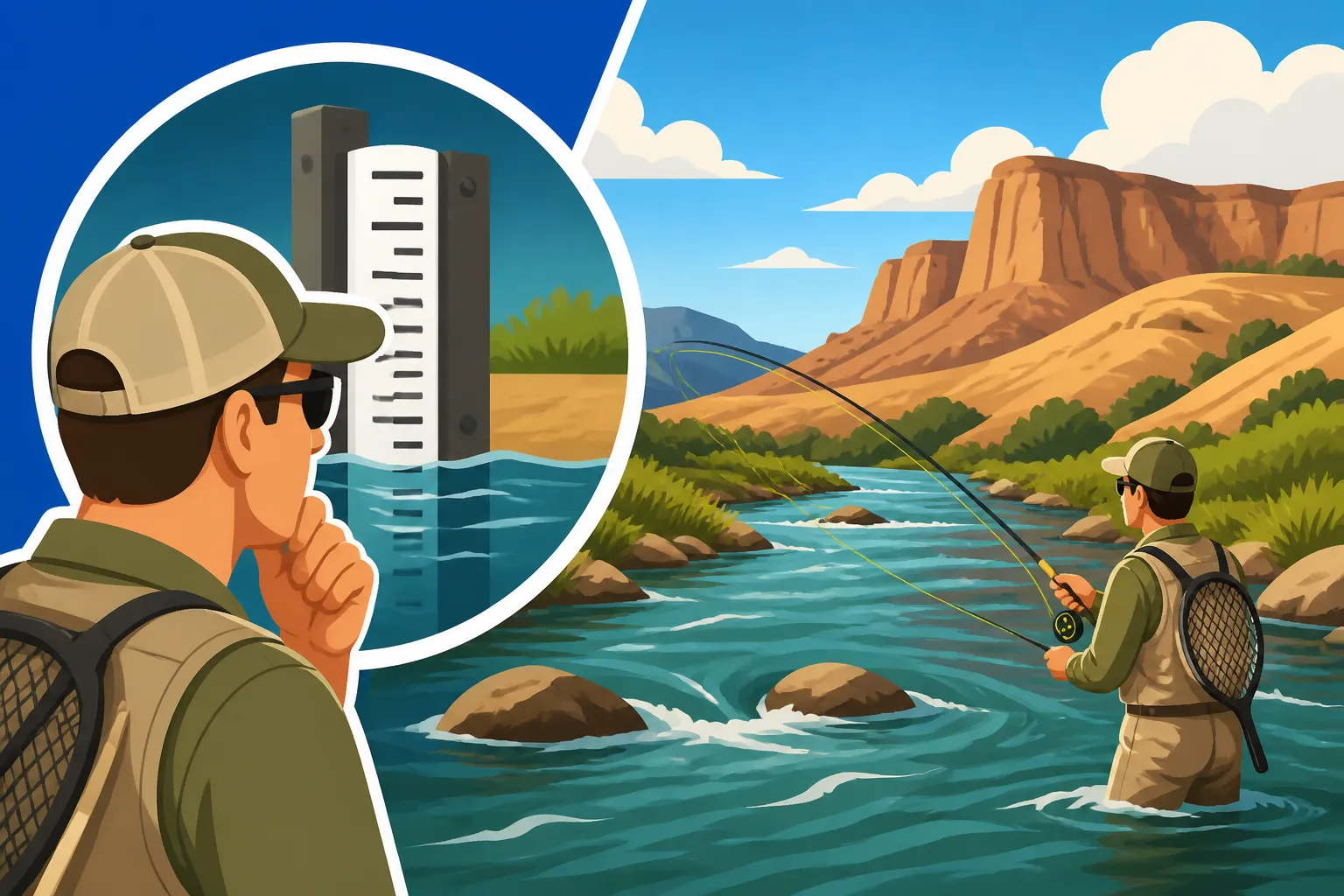
- Key Metrics to Look For: The most important number is the "Discharge, cubic feet per second (CFS)." This tells you the volume of water moving past that point. You can also see "Gage height (feet)," which is the actual water level, but CFS is usually more relevant for anglers as it directly relates to current speed and power.
- Interpreting Graphs: The graphs on the USGS site are incredibly useful. You can see trends over hours, days, or even months. A steeply rising line means the river is coming up quickly, while a flat line indicates stable flow. You might notice daily fluctuations related to hydropower generation at Navajo Dam, which can sometimes be predicted. Keeping an eye on these trends helps you anticipate changes. Remember that the San Juan below Navajo Dam is a tailwater fishery, meaning its flows are directly controlled by releases from the dam. Understanding How Dam Releases Affect San Juan River Fishing is crucial.
New Mexico Game and Fish Resources
While the USGS provides the raw data, the New Mexico Department of Game and Fish (NMDGF) often contextualizes this information for anglers.
- Website and Reports: The NMDGF website is a fantastic resource for general fishing information, stocking schedules, and special alerts. While they might not have real-time streamgage data directly, they often reference USGS data and provide summaries or recommendations based on current conditions.
- Stocking Schedules: One significant piece of information the NMDGF provides is their stocking schedule. This, combined with flow data, can give you a powerful edge. Knowing when and where fish are being stocked, and then understanding what the river flow is doing, helps you predict where those newly stocked fish might be holding. Check out their site for details on the New Mexico Fishing Season Dates and Limits to align with stocking efforts.
Local Fly Shops and Guides
Don't underestimate the power of local knowledge! Before hitting the river, especially if you're traveling a distance, a quick phone call to a local fly shop or guide service can provide invaluable, on-the-ground insights that no website can fully replicate.
- Real-time Conditions: Fly shop employees and guides are often on the river daily. They know exactly how the current flow is affecting the fishing, what flies are working, where fish are holding, and what sections are most productive. They can tell you if the water is clear or off-color, if there's significant weed growth, or if a recent storm has impacted access.
- Specific Recommendations: They can give you tailored advice based on your skill level and target species. For example, they might say, "The river's at 600 CFS today, so focus on the deeper runs with a size 20 Barr's Emerger and a size 22 JuJu Baetis." This level of detail is a game-changer.
- Gear Advice: Local shops are also excellent for confirming if you have the right gear. If the flows are particularly high, they might suggest heavier tippet or specific sinking lines. Conversely, if it's super low and clear, they might recommend more delicate setups. You can often find a great selection of recommended flies and tackle at these shops or even on larger online retailers like Amazon, where you can stock up on specific patterns they mention.
Interpreting San Juan River Flow Numbers for Your Trip
Once you have those CFS numbers, what do they actually mean for your day of fishing? It's not just a number; it's a blueprint for your strategy.
What Different CFS Ranges Mean for Your Fishing
While every day is different, there are general guidelines for how various flow ranges on the San Juan River typically impact fishing. This table offers a quick reference, but always remember to combine it with other factors like weather and water clarity.
| Flow Range (CFS) | General Impact on Fishing | Wading Difficulty | Recommended Techniques |
|---|---|---|---|
| Below 300 | Fish concentrated, very wary. Clear water. | Easy | Small nymphs, midges, dry flies (stealth key) |
| 300 – 500 | Excellent all-around conditions. Good for wading. | Easy to Moderate | Nymphing, dry-dropper, some streamers |
| 500 – 800 | Stronger current, fish spread out. Good oxygen. | Moderate | Nymphing (heavier rigs), streamers, some dry flies |
| 800 – 1,200 | Challenging wading. Fish in slower water/eddies. | Difficult | Heavy nymph rigs, larger streamers, boat/kayak fishing |
| 1,200+ | Very dangerous wading. Fishing from boat or bank. | Very Difficult | Very heavy nymphs, large streamers, targeting extreme slack water |
This table provides a snapshot, but experience is the best teacher. Spend time on the river at different flows, and you'll start to develop an intuitive understanding. Remember, your fly selection will be heavily influenced by these flows; for more details, see our guide on Fly Selection for New Mexico's San Juan River.
Understanding Release Schedules and Fluctuations
The San Juan River's flow is largely controlled by Navajo Dam, which creates Navajo Lake. This means flows can fluctuate significantly based on demand for water downstream, hydropower generation, and reservoir management.
- Dam Releases: Water releases from Navajo Dam are the primary driver of San Juan River flows. These releases can change daily, or even hourly, though major changes are usually communicated. Water managers try to balance many needs, including agricultural irrigation, municipal water supply, environmental requirements, and power generation. This means the river you fish in the morning might be quite different by the afternoon.
- Looking for Patterns: Pay attention to the USGS graphs over several days. Do you see a consistent daily spike and drop? This might indicate a hydropower generation schedule. Are there long periods of stable flow, or is it constantly yo-yoing? Understanding these patterns can help you time your arrival or plan your day to coincide with desired conditions. For example, some anglers prefer fishing during a stable, increasing flow, while others like to target fish as the water drops.
- Weather and Runoff: While the dam controls the immediate flow, larger hydrological events like significant rainfall or snowmelt in the upper basin can also influence releases. Heavy runoff into Navajo Lake might necessitate increased releases downstream to manage reservoir levels, leading to extended periods of higher flows. Conversely, drought conditions can lead to sustained low flows. Always consider the broader weather picture in the region.
Practical Tips for Planning Your Trip Around River Flow
Knowing the flow is one thing; using that knowledge to your advantage is another. Here are some actionable tips to integrate river flow data into your fishing plans.
Adjusting Your Gear and Technique
Your rod, reel, line, and terminal tackle should all be chosen with the anticipated river flow in mind.
- Rod and Reel: For higher flows, a slightly heavier or longer rod (e.g., a 9' 6wt instead of a 9' 5wt) might offer more control and power to cast heavier rigs and fight larger fish in strong currents. At lower flows, a lighter, more sensitive rod might enhance the delicate presentation needed. You can find a good range of options, from budget-friendly to high-end, on platforms like Amazon. For detailed recommendations, refer to our guide on the Best Rod Setup for New Mexico Trout Fishing.
- Leader and Tippet: In clear, low water, longer leaders and finer tippet (e.g., 6x or 7x fluorocarbon) are often essential for fooling wary trout. As flows increase, you can usually get away with shorter leaders and stronger tippet (e.g., 4x or 5x) because the increased current provides more cover.
- Flies and Weight: This is where flow has a huge impact.
- Low Water: Think small and realistic. Midges, tiny mayfly nymphs, and delicate dry flies are often key. You might only need a tiny split shot or no weight at all.
- Medium Water: A wider range of nymphs, streamers, and dry-dropper rigs work well. You might use one or two small split shots to get your flies down.
- High Water: You need to get your flies deep and fast. Heavier nymph patterns (like bead-head stoneflies or worm patterns), larger streamers, and significantly more split shot are often required. Indicator setups might need to be larger and heavier to stay afloat in the turbulent water. For more specific recommendations, our guide on the Best Lures for New Mexico Trout is a great read.
Alternative Strategies for Challenging Flows
Even when the river isn't at its ideal flow, you can still have a productive day by adapting your approach.
- Very High Water: Instead of trying to fight the main current, focus on the edges. Look for soft seams, eddies behind large obstructions, and slow-moving backwaters. Fish will seek refuge here from the powerful flow and often find concentrated food. Short casts, precise presentations, and patience are key. Sometimes, the best strategy is to find areas where the river has spilled over its banks slightly, creating temporary, calmer pockets.
- Very Low Water: When the river is low and clear, stealth is paramount. Move slowly, keep a low profile, and cast from a distance. Fish will be highly spooky. Focus on deep pools and shadowed areas. Try to present your fly upstream and let it drift naturally into these holding lies. Consider fishing during low-light conditions (early morning or late evening) when fish might feel more secure.
- Consulting Other Waters: If the San Juan is simply un-fishable or too challenging for your comfort level, don't despair! New Mexico has an abundance of other fantastic fisheries. Perhaps a nearby lake like Navajo Lake or Heron Lake offers better conditions, or other rivers might be at more manageable flows. Always have a backup plan.
Combining Flow Data with Other Conditions
River flow is just one piece of the puzzle. For the most informed decision, layer it with other critical environmental factors.
- Water Temperature: This is paramount, especially for trout. Cold water in winter might mean sluggish fish, while overly warm water in summer can stress them. Flow affects temperature; higher, faster flows can sometimes keep water cooler. A small, portable thermometer is a vital piece of gear, easily found on Amazon.
- Air Temperature and Weather: Clear, sunny days, especially after a cold night, might mean slower mornings until the water warms. Cloudy days can often trigger more consistent feeding. Pay attention to fronts moving through, as changes in barometric pressure can impact fish activity.
- Insect Hatches: While flow doesn't directly dictate hatches, it influences how fish respond to them. A strong hatch in high water might go unnoticed by fish if they can't access or see the insects easily. In contrast, a moderate hatch in stable, medium flow can lead to incredible dry fly action.
- Stocking Reports: Combine flow data with the latest stocking reports from NMDGF. Newly stocked trout might behave differently from wild fish and can be more predictable, especially if the flow is stable.
- Time of Year: The "best" flow can change depending on the season. What's ideal in spring might be too low or too high in the heat of summer or the depths of winter. Our comprehensive guide on the Best Time of Year to Fish in New Mexico offers seasonal insights that you can integrate with your flow data.
By meticulously checking the river flow and integrating this data with other environmental factors, you're not just hoping for a good day on the San Juan; you're actively setting yourself up for success. Happy fishing!
Disclaimer
This article is for general informational purposes only and does not constitute professional advice. Laws, prices and regulations vary by location and change over time. Consult a qualified professional for guidance on your specific situation.