Average Rainbow Trout Size on the San Juan River
When you dream of fishing New Mexico, especially for trout, the San Juan River almost always tops the list. But if you've never been, or you're planning your first trip, one of the biggest questions on your mind is probably, "Just how big are the rainbow trout there, anyway?" It's easy to get lost in the sheer volume of information, but understanding the average size, and what makes these fish thrive, is key to managing your expectations and making the most of your adventure. This guide will walk you through what to expect from the legendary San Juan River rainbows.
The San Juan River: A Trout Angler's Paradise in New Mexico
The San Juan River, particularly below Navajo Dam, isn't just any trout stream; it's a world-renowned fishery that consistently produces incredible results for anglers. It's truly a gem in the high desert, a vibrant, cool water ribbon cutting through an otherwise arid landscape. Many folks travel from all corners of the country, eager to experience what makes this river so exceptional, and often, what they find exceeds their wildest expectations.
Why the San Juan River Draws Anglers From Everywhere
The San Juan's fame isn't accidental. It's a carefully managed tailwater fishery, meaning the water released from Navajo Dam maintains a consistently cool temperature year-round, which is absolutely vital for trout survival and growth. This stable environment provides an almost perfect habitat, fostering a robust aquatic insect population that serves as a constant buffet for the fish. Unlike freestone rivers that can experience drastic temperature swings and fluctuating flows, the San Juan's consistency creates an angler's dream. Imagine a place where trout don't have to struggle with extreme heat or cold; they simply get to grow big and healthy, feasting on abundant food. That's the San Juan experience. You can read more about what makes this area unique in our guide to the San Juan River Quality Waters Section.
The Unique Ecosystem of the Quality Waters
The section of the San Juan River known as the "Quality Waters" is where the magic truly happens. This roughly 3.75-mile stretch, running from the dam downstream, has specific regulations designed to promote a trophy trout fishery, often requiring artificial lures and barbless hooks, as outlined in the New Mexico Trout Fishing Rules. These rules, combined with the incredibly rich ecosystem, contribute directly to the impressive size of the fish. The dam release provides a steady, nutrient-rich flow, which in turn supports a massive population of midges, annelids (San Juan Worms, anyone?), and other invertebrates. These tiny morsels are available year-round, providing a constant, high-protein diet that allows rainbow trout to pack on the pounds at an accelerated rate compared to many other fisheries. It's truly a delicate balance, and understanding it makes you appreciate every fish you hook even more.
Unpacking the Average Rainbow Trout Size on the San Juan River
So, let's get down to the nitty-gritty: what kind of rainbow trout can you really expect to find here? When anglers talk about the "average" size on the San Juan, they're often referring to something quite a bit larger than what you might find in many other trout streams. It's a place where a "small" fish can still be a respectable catch, and a truly average fish will leave you beaming.
What "Average" Really Means Here
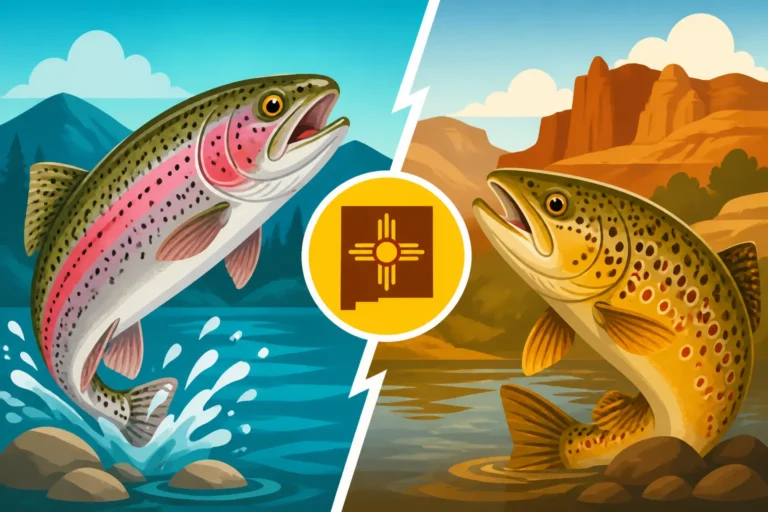
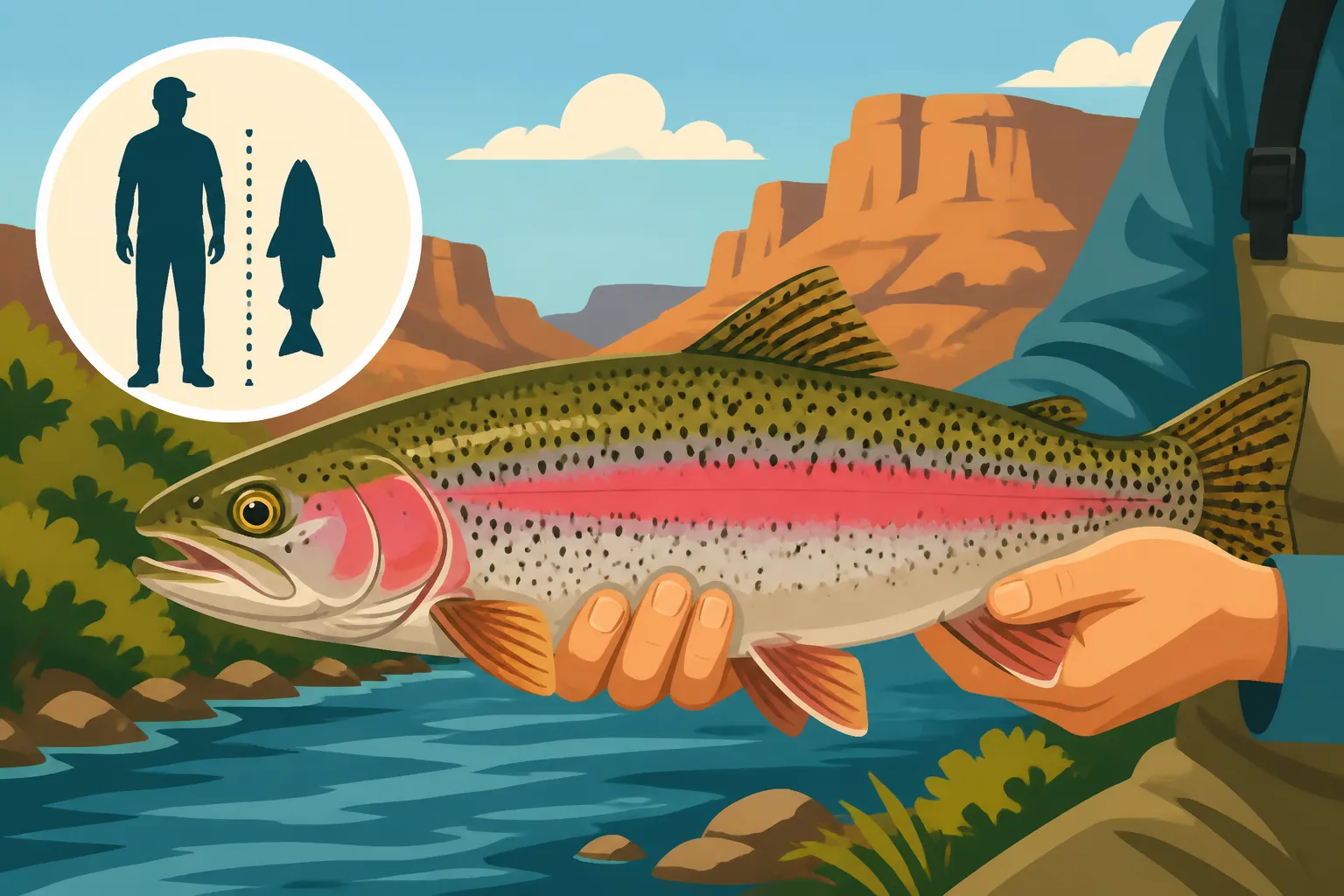
On the San Juan River, especially within the Quality Waters, an "average" rainbow trout typically falls into the 16-20 inch range. Yes, you read that right – fish pushing a foot and a half are common occurrences, not rare trophies. Many anglers consistently land fish in this size bracket throughout their day. These aren't skinny, hatchery-raised stockers; these are robust, powerful fish with broad shoulders and strong tails, thanks to their excellent diet and prime living conditions. It's not uncommon to catch several fish in the 18-inch range during a good outing, which for many rivers would be considered an excellent day's work. The sheer density of healthy fish in this size class is what truly sets the San Juan apart. To get a broader sense of general trout sizes, you might want to check out Average Trout Size in the San Juan River Quality Waters.
However, it's also worth noting that you'll encounter smaller fish, especially if you're fishing outside the immediate Quality Waters or during certain times of the year. While the big ones dominate the reputation, the river supports a full range of sizes, including plenty of lively 12-14 inch rainbows that are just as eager to bite and put up a fantastic fight.
Factors That Contribute to Larger Fish
Several critical factors converge to create these sizable rainbows:
- Abundant Food Sources: As mentioned, the tailwater environment fosters an incredible density of aquatic insects. Midges are especially prevalent year-round, forming the backbone of the trout's diet. These small, protein-rich insects are constantly drifting, providing an endless food supply. Annelids, scuds, and various nymphs also play a significant role, ensuring the trout never go hungry.
- Stable Water Temperatures: The consistent 42-50 degree Fahrenheit water released from the bottom of Navajo Dam is perfect for trout metabolism. It's cold enough to hold high oxygen levels but not so cold as to slow their growth significantly. This stability means they can feed and grow consistently throughout the year, unlike fish in freestone rivers that might suffer during warm summer months or harsh winters.
- Low Predation and Competition: While there are other fish species in the San Juan, the conditions are so tailored for trout that they thrive. The regulations within the Quality Waters also reduce human-caused mortality, especially through the mandatory use of barbless hooks and a strong catch-and-release ethic promoted by guides and experienced anglers. This means more fish survive to larger sizes.
- Selective Genetics: Over time, the San Juan's environment has likely favored trout with genetics for faster growth rates and resilience, further contributing to the overall impressive size of the population.
Beyond Average: Landing a San Juan River Trophy Rainbow
While the "average" fish on the San Juan is already impressive, the river is also famous for its true trophy rainbows—fish that will make your jaw drop and your reel scream. These are the fish that anglers dream about, and the San Juan has plenty of them.
Tactics for Targeting Bigger Rainbows
To consistently hook into those 20-inch-plus monsters, you often need to adjust your approach slightly. They've seen it all, and they didn't get big by being careless.
- Go Finer, Not Necessarily Bigger: Many anglers assume bigger flies catch bigger fish, but on the San Juan, finesse is often key. Large trout are incredibly selective and wary. You'll often be using tiny midge and annelid patterns, sometimes as small as size 24 or 26. The key is to present them perfectly on light tippet.
- Focus on Structure and Seams: Trophy trout are often found in specific holding lies – deep pockets, current seams, around submerged rocks, or under cut banks. They choose spots that offer protection from the current, easy access to food, and a sense of security. Learn to "read the water" and identify these prime locations.
- Patience and Persistence: You might not get as many bites when specifically targeting large fish, but when you do, it often counts. Be patient, make precise casts, and let your flies drift naturally. Sometimes, it's about making hundreds of drifts to find that one willing fish.
- Fish During Off-Peak Times: While the San Juan is productive year-round, fishing early morning, late evening, or during weekdays can mean fewer crowds and less pressured fish, increasing your chances of finding a trophy.
- Consider a Guide: For your first few trips, hiring a local guide can be invaluable. They know the subtle nuances of the river, the current hot flies, and where the big fish are holding. They can instantly elevate your game.
The Role of Responsible Angling for Sustainable Size
The phenomenal size and health of the San Juan River's rainbow trout population are directly tied to responsible angling practices. Catch and release isn't just a suggestion here; it's a way of life for most dedicated San Juan anglers, especially within the Quality Waters. Using techniques like Catch and Release Best Practices in New Mexico ensures these magnificent fish continue to thrive.
- Barbless Hooks are Essential: As part of the regulations in the Quality Waters, only flies and lures with a single, barbless hook are permitted. This rule is crucial for minimizing damage to the fish and allowing for quick, clean releases. Many anglers purchase flies specifically tied on barbless hooks, or simply pinch down the barbs on their existing hooks before heading out.
- Minimize Handling: When you land a beautiful 20-inch rainbow, the instinct is to admire it. However, keeping the fish in the water as much as possible is vital. Wet your hands before touching it, avoid squeezing, and use a net with a rubber mesh to protect their slime coat and fins.
- Revive Carefully: If a fish seems tired after a long fight, hold it gently facing upstream in the current until it swims away under its own power. Never throw it back into the current; allow it to recover naturally.
- Educate Yourself: Familiarize yourself with all the New Mexico Fishing Regulations Overview before you go. Understanding and adhering to these rules helps protect the resource for everyone, ensuring that anglers for generations to come can experience the thrill of catching large San Juan River rainbows.
Essential Gear for Tackling San Juan River Rainbows
Having the right equipment can make a significant difference in your success on the San Juan River. Because the fish are often wary and the flies can be tiny, precision and sensitivity are paramount. When considering what to bring, think about reliability and finesse. You can often find a wide array of specialized fishing gear on sites like Amazon, making it convenient to prepare for your trip.
Rod, Reel, and Line for Success
For the San Juan River, a balanced fly fishing setup is generally recommended, especially if you're focusing on the nymphing techniques that are so effective there.
- Rod: A 9-foot, 5-weight fly rod is often considered the ideal all-around choice. It offers enough backbone to fight larger fish but is sensitive enough to cast light lines and present small flies. If you're specifically targeting the absolute biggest fish or want more control in windy conditions, a 6-weight can also be a good option. Many anglers attest to the quality and value found on Amazon for various rod brands.
- Reel: Pair your rod with a reliable reel that has a smooth, adjustable drag. While the San Juan is not known for long, screaming runs like saltwater fishing, those larger rainbows will put up a significant fight, and a good drag system will prevent break-offs. A reel that balances your rod well will reduce fatigue during a long day of casting.
- Fly Line: A weight-forward floating fly line is standard. Consider a line designed for nymphing or short-range presentations, as much of your fishing will involve delicate drifts in relatively close quarters. Don't underestimate the impact of a quality line; it can drastically improve your casting and mending. For those looking for specific recommendations or deals, Amazon often has comprehensive reviews and options for various fly lines.
| Gear Type | Recommended Size/Weight | Key Features for San Juan |
|---|---|---|
| Fly Rod | 9-foot, 5-weight | Sensitivity, backbone for larger fish |
| Fly Reel | Balanced with rod | Smooth, adjustable drag |
| Fly Line | Weight-forward floating | Good for nymphing, delicate presentations |
| Leader | 9-12 foot, 3X-5X taper | Long taper for soft landings |
| Tippet | 4X-7X Fluorocarbon | Invisibility, strength in small diameters |
| Waders | Breathable Chest Waders | Comfort, mobility, staying dry |
| Boots | Felt or Rubber Soles | Good grip on slippery rocks |
Fly and Lure Selection for Discerning Trout
The San Juan River trout are discerning, but a few patterns consistently produce. You'll want a well-stocked fly box with various sizes and colors to match the hatches or mimic the abundant subsurface food sources.
- Midges: These are arguably the most important food source on the San Juan. You'll want a variety of midge larva, pupa, and adult patterns in black, olive, and cream, typically in sizes 20-26. Examples include Jujubee Midges, WD-40s, and various Zebra Midge patterns.
- Annelids (San Juan Worms): The famous San Juan Worm in various colors (red, chartreuse, tan, pink) and sizes (14-20) is a must-have. These imitate the aquatic worms that are abundant in the silty bottom of the river.
- Scuds and Sowbugs: These small crustaceans are another vital food source. Carry patterns in gray, olive, and tan, usually in sizes 16-22.
- Nymphs: While midges dominate, don't overlook other nymphs, especially small Pheasant Tails, Hare's Ears, and Prince Nymphs in sizes 16-20. Sometimes, larger patterns like small Stoneflies can also entice a bite.
- Streamers: While less common for the subtle nymphing tactics, small streamers like Woolly Buggers (black, olive, brown) can sometimes provoke a strike from a larger, more aggressive trout, especially when swung through deeper holes or at the end of a drift.
You can often find pre-tied assortments of these essential Fly Selection for New Mexico's San Juan River patterns, or individual patterns, on platforms like Amazon or at local fly shops. Remember, it's not just about what fly you use, but how you present it. A perfect, drag-free drift with a small fly on fine tippet is often the secret to fooling those wise San Juan rainbows.
Disclaimer
This article is for general informational purposes only and does not constitute professional advice. Laws, prices and regulations vary by location and change over time. Consult a qualified professional for guidance on your specific situation.