Kokanee Salmon Size in New Mexico
It's incredibly exciting to think about landing a beautiful Kokanee salmon here in New Mexico, but let's be honest, one of the first things that often crosses an angler's mind is, "Just how big do these fish actually get?" You want to know if you're chasing something that's pan-sized or if there's a real chance at a wall-hanger, and understanding the typical size ranges can really help set expectations and shape your fishing strategy. This guide aims to pull back the curtain on Kokanee salmon sizes across the Land of Enchantment, offering insights into what you can realistically expect to see at the end of your line, and maybe even how to increase your chances of hooking into a bigger one.
Understanding Kokanee Salmon in New Mexico's Waters
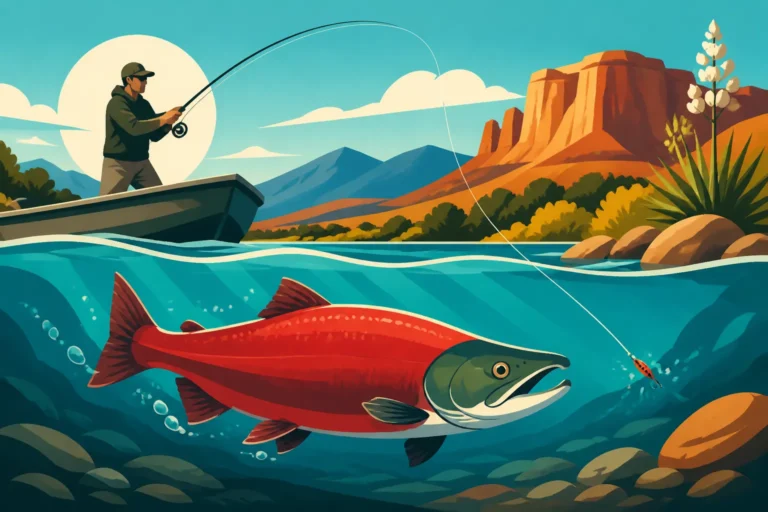
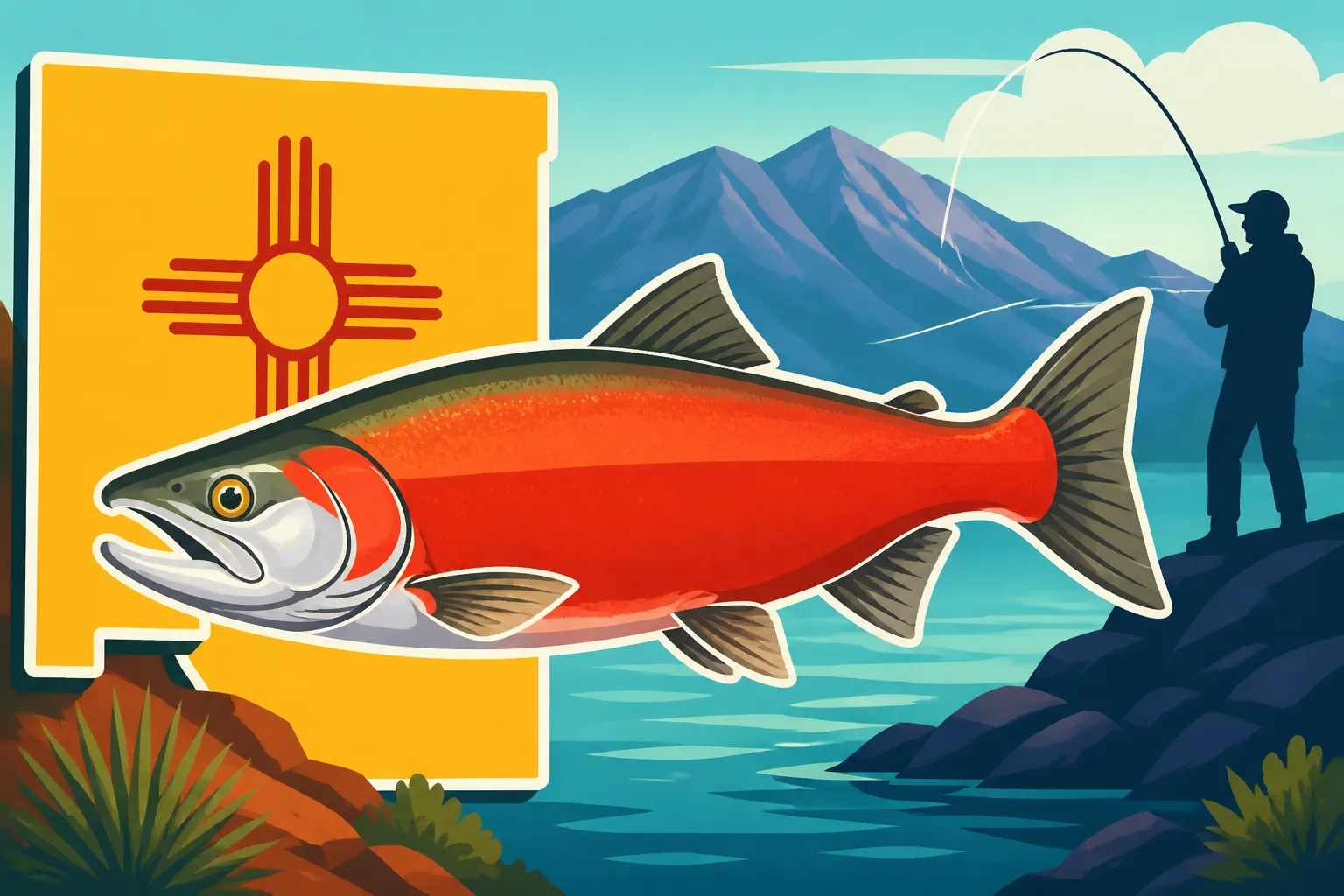
Kokanee salmon, a landlocked sockeye salmon, are a fantastic sport fish known for their strong fight and delicious pink flesh. Here in New Mexico, they're not native, but they thrive in our cold, deep reservoirs, thanks to diligent stocking programs. Anglers often wonder about their size, expecting perhaps the massive salmon of the Pacific Northwest, but New Mexico's Kokanee, while respectable, have their own unique growth patterns influenced by our high-desert environment.
Why Size Varies: Genetics, Forage, and Lake Productivity
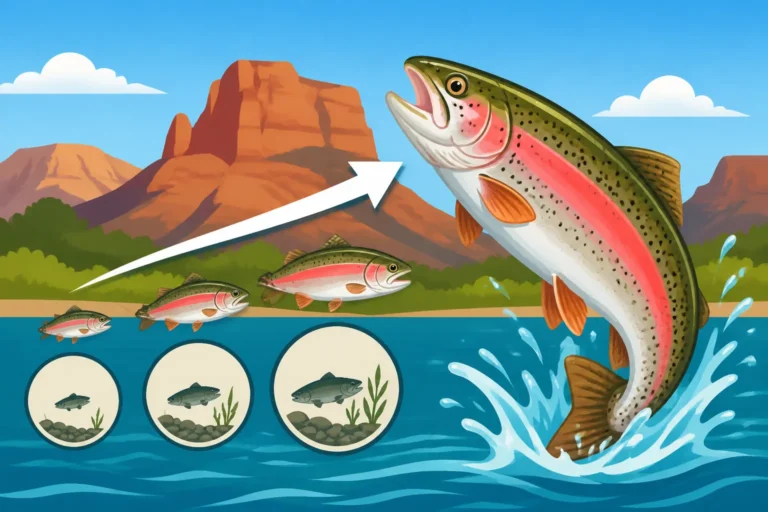
The size a Kokanee salmon reaches in New Mexico isn't a single, fixed number; it's a dynamic range influenced by a cocktail of environmental factors. First, there's the genetic strain of the fish itself. Different hatcheries might provide different strains, some with a predisposition for faster growth or larger ultimate size, though this isn't usually something an angler can control. More significant are the conditions within the specific lake.
Take Navajo Lake Fishing Guide versus Heron Lake Fishing Guide, for instance. Both are premier Kokanee fisheries, but subtle differences in their ecosystem can lead to variations in fish size. A lake with an abundant supply of the tiny crustaceans, primarily zooplankton, that Kokanee feed on will naturally produce larger, healthier fish. Conversely, a lake experiencing a dip in plankton populations, perhaps due to drought conditions or competition from other fish species, might see smaller average sizes. Water temperature also plays a role; colder, oxygen-rich waters generally allow for better growth and less stress on the fish.
Average Sizes Anglers Can Expect
When you head out on the water, what's a reasonable expectation for Kokanee size in New Mexico? Generally, most anglers will encounter Kokanee ranging from about 12 to 18 inches. A fish in this range is considered a good, healthy catch, offering excellent table fare and a spirited fight. These are the fish that fill coolers and provide those memorable moments on the water.
However, the "trophy" class, those fish that make your heart pound a little faster, can push beyond that. We're talking about fish that might stretch the tape to 20 inches or even slightly more. These larger fish are less common but absolutely within the realm of possibility, particularly in lakes known for their productive forage bases and good growth rates. While a 2-foot Kokanee might be a dream in our state, consistently catching fish in the 14-18 inch range is a fantastic day by New Mexico standards. The key is to manage expectations and celebrate every catch, big or small.
Factors Influencing Kokanee Growth and Size
Understanding what makes these silver beauties grow can give you an edge in finding the bigger ones. It’s not just about luck; there’s a science to it, and knowing these factors can help you choose when and where to fish.
Forage Availability and Competition
Kokanee salmon are primarily planktivores, meaning their diet consists almost exclusively of microscopic zooplankton. The abundance and quality of this forage within a lake are arguably the most critical factors dictating Kokanee growth. Imagine a buffet: if it’s overflowing with delicious food, you’re more likely to grow larger and healthier. The same goes for Kokanee. Lakes with rich, dense populations of zooplankton, especially during the crucial spring and summer growth periods, tend to produce bigger fish.
Conversely, if the zooplankton population is sparse, or if there's significant competition from other fish species (like juvenile trout or even other warm-water species in deeper sections of the lake), Kokanee might struggle to find enough food to reach their maximum genetic potential. This competition can lead to "stunted" growth, where many fish in a population remain smaller than desired. It's a delicate balance within the aquatic ecosystem that ultimately impacts the size you'll see in your net.
Lake Dynamics and Water Conditions
Beyond food, the overall health and dynamics of a lake play a huge role. Water temperature is paramount; Kokanee are cold-water species, preferring temperatures in the 40s and 50s Fahrenheit. If summer temperatures climb too high, or if the "thermocline" (the layer of water where temperature changes rapidly) is compressed, it limits the available habitat for these fish, potentially stressing them and hindering growth.
Water quality, including oxygen levels and nutrient content, also contributes. Well-oxygenated water is vital for active fish metabolism and growth. Lakes that receive a steady input of nutrients (without becoming overly eutrophic) can support robust zooplankton populations, which then supports larger Kokanee. Things like lake depth, surface area, and even underwater structure contribute to the habitat's suitability and thus, the fish's potential size. For instance, Heron Lake No-Wake Zone Fishing regulations help keep the water calm, which can indirectly benefit the delicate zooplankton by reducing disturbance.
Stocking Programs and Genetics
The New Mexico Department of Game and Fish (NMDGF) plays a crucial role in maintaining our Kokanee fisheries. They regularly stock millions of Kokanee fingerlings into various reservoirs. The sheer number of fish stocked can sometimes influence size; if too many fish are introduced into a system with limited forage, it can lead to overpopulation and smaller average sizes due to increased competition.
However, stocking is carefully managed to try and strike a balance. The genetic strain of the Kokanee stocked can also have an impact. While not something most anglers can directly discern, different strains might exhibit varying growth rates or maximum size potential. NMDGF often uses specific strains known to adapt well to New Mexico's reservoir conditions. So, while you're focused on your next cast, remember there's a whole lot of scientific management going on behind the scenes to give those Kokanee the best chance at growing big. You can often find information on stocking schedules and species in the New Mexico Fishing Regulations Overview.
Chasing Trophy Kokanee: Tips for Finding Bigger Fish
If you've spent enough time catching average-sized Kokanee and you're ready to set your sights on a personal best, there are definitely strategies you can employ. It's about being deliberate in your approach, understanding the fish, and adapting your tactics.
Targeting Specific Lakes and Depths
Not all Kokanee lakes are created equal when it comes to trophy potential. While Kokanee Salmon Fishing in New Mexico is great across several waters, lakes like Navajo Lake often produce some of the largest Kokanee in the state due to their size, depth, and forage base. When focusing on bigger fish, you’ll want to concentrate your efforts on these prime locations.
Bigger Kokanee tend to hold deeper in the water column, especially during warmer months, seeking out cooler temperatures and dense concentrations of zooplankton. This often means fishing depths between 30 and 70 feet, though it can vary greatly based on the lake and time of year. Using a good fish finder is almost essential for locating these deeper schools and identifying the thermocline where fish are most active. Pay attention to contour lines on your map and look for submerged features that might concentrate baitfish, which in turn attract larger Kokanee.
Tackle and Techniques for Larger Kokanee
To consistently tempt larger Kokanee, you might need to step up your tackle and refine your techniques. Trolling with downriggers is the go-to method for reaching precise depths and presenting lures effectively. While smaller Kokanee might hit almost anything, bigger fish can sometimes be more discerning. Consider slightly larger dodgers or flashers paired with longer leaders (18-24 inches) to give your lure more natural action.
Lure choice is crucial. Common Kokanee lures include small spoons, wedding rings, and squids, often tipped with corn. Experiment with different colors and sizes. While bright colors like pink and orange are perennial favorites, don't shy away from subtle greens, blues, or even natural silver, especially on bright, sunny days. Searching for "Kokanee trolling lures" on Amazon can yield a vast array of options. Pay close attention to your speed; Kokanee often prefer slow, consistent trolling, typically between 1.0 and 1.8 mph, but sometimes a slight speed variation or a sharp turn can trigger a strike. Keep an eye on your Trolling Techniques for New Mexico Lakes to ensure you're getting the most out of your gear.
Timing Your Trip for Optimal Size
Timing can be everything when it comes to maximizing your chances for bigger Kokanee. Generally, the late spring through early fall offers the best opportunities. In early spring, as ice comes off the lakes, Kokanee can be found shallower and are often very hungry. By mid-summer, they've been feeding heavily and have put on significant weight, but they'll be holding in deeper, cooler water.
As fall approaches, particularly leading up to their spawning season (typically September-October, though check specific lake conditions), Kokanee will be at their peak physical size and often display vibrant red colors. This pre-spawn period is when they are at their largest and most aggressive, making them a prime target for trophy seekers. However, remember that during spawning, their flesh quality diminishes, and in some areas, specific rules apply. Always consult the New Mexico Fishing Season Dates and Limits for the most up-to-date information on seasonal opportunities.
New Mexico Kokanee Size Regulations and Records
Beyond the thrill of the catch, it's vital to be a responsible angler. That means understanding and adhering to the regulations set forth to protect these valuable fisheries. This ensures that future generations can also enjoy the chase.
Understanding Bag and Possession Limits
The New Mexico Department of Game and Fish establishes bag and possession limits for Kokanee salmon to manage the population sustainably. These limits specify how many fish you can keep in a single day (bag limit) and how many you can have in your possession at any given time, including those at your campsite or home (possession limit). For Kokanee, these limits are generally quite generous, reflecting healthy populations, but they can vary by water body and sometimes change seasonally.
It’s your responsibility to know the current regulations for the specific lake you’re fishing. You can usually find these in the annual New Mexico Fishing Proclamation, available online or at license vendors. Penalties for violating these rules can include fines and loss of fishing privileges, so it's always worth a quick check before you head out. Understanding limits helps ensure everyone gets a fair shot at these amazing fish and helps conserve the resource. For a detailed breakdown, refer to New Mexico Fishing Regulations Overview.
State Record Kokanee: The Ultimate Benchmark
While most anglers are happy with a solid 15-inch Kokanee, there's always the tantalizing thought of catching a true monster – one that might even challenge the state record. The New Mexico state record for Kokanee salmon stands as the ultimate benchmark, representing the largest fish of its kind ever officially recorded in our waters. This isn't just about bragging rights; it's a testament to the potential of our fisheries and the dedicated anglers who pursue them.
These record-setting fish are typically exceptionally large specimens, far exceeding the average. They are usually caught in prime Kokanee waters like Navajo Lake, often by anglers employing specific tactics during peak growth periods. While chasing a state record is a long shot for anyone, knowing that such a fish exists adds an extra layer of excitement to every bite. It inspires anglers to keep exploring, keep refining their techniques, and to always be ready for that one extraordinary fish. You can learn more about these impressive catches by checking out New Mexico State Record Fish.
When you're out on the water, you might hear whispers of a giant Kokanee caught, or see photos of truly impressive specimens. It's a reminder that while averages give us a good idea of what to expect, every now and then, New Mexico's waters produce something truly special.
Here's a quick look at general size expectations for Kokanee in New Mexico's most popular fisheries:
| Lake | Typical Length Range (inches) | Potential Trophy Size (inches) | Notes |
|---|---|---|---|
| Navajo Lake | 14-18 | 19-22+ | Known for producing some of the largest Kokanee. |
| Heron Lake | 12-16 | 18-20 | Excellent Kokanee fishery, good numbers, strong fighters. |
| Eagle Nest Lake | 10-14 | 16-18 | Also offers Kokanee, though often smaller on average than Navajo or Heron. |
| Abiquiu Lake | 10-14 | 16-18 | Growing fishery, sizes can vary as population establishes. |
This table is a general guide, of course. Fish are wild creatures, and their growth depends on many factors that can change year to year. But it gives you a decent snapshot of what to anticipate when you're preparing for your next trip to chase these magnificent salmon.
Disclaimer
This article is for general informational purposes only and does not constitute professional advice. Laws, prices and regulations vary by location and change over time. Consult a qualified professional for guidance on your specific situation.