Panfish Species in New Mexico
Have you ever spent a beautiful day by the water in New Mexico, hoping to catch something, anything, only to come up empty-handed or just snag a few tiny, unidentifiable fish? It can be frustrating when you just want to feel that tug on your line, especially if you're out with family or new anglers. This guide is dedicated to unlocking the joy of panfishing in New Mexico, introducing you to the abundant, feisty, and often overlooked species that can make any fishing trip a memorable success.
Understanding Panfish: The Heart of Accessible Fishing
Panfish are truly the unsung heroes of the angling world, especially here in New Mexico. They might not be the giants of the deep, but what they lack in size, they more than make up for in sheer abundance, willingness to bite, and delicious table fare. If you're looking to introduce someone to the joys of fishing, or simply want a relaxing day with consistent action, panfish are your best bet. They offer a fantastic entry point into the sport and provide endless opportunities for seasoned anglers to refine their skills with lighter tackle.
What Makes a Fish a "Panfish"?
The term "panfish" is more of a cultural designation than a strict biological one. Essentially, it refers to any small, edible freshwater fish that fits comfortably in a frying pan – hence the name! They typically don't grow much larger than about 10-12 inches, though some crappie can push those limits. What truly defines them is their widespread distribution, their tendency to school together, and their aggressive feeding habits, which make them relatively easy and fun to catch. They're also known for their flaky, white meat, making them a favorite for many anglers to bring home for dinner.
Think about it: when you're out there, and the larger game fish are playing hard to get, panfish are usually ready and willing to bite. This consistent action keeps spirits high, especially when you have kids or new anglers on board who thrive on success. They don't require super specialized gear or obscure techniques, which really lowers the barrier to entry for anyone wanting to experience the thrill of a catch.
Why Panfish are the Unsung Heroes of New Mexico Waters
In a state known for its incredible trout streams like the San Juan River Fishing Guide and massive reservoirs holding trophy bass, panfish often fly under the radar. But let me tell you, overlooking them is a missed opportunity! Panfish species like bluegill and crappie are incredibly robust and adaptable, thriving in many of New Mexico's diverse aquatic environments, from our vast lakes to smaller ponds and quiet river backwaters.
Their prolific nature means that even with conservative harvesting, their populations remain strong, providing a sustainable resource for anglers. For many families, a day spent catching a cooler full of bluegill or crappie isn't just about fishing; it's about making memories, teaching patience, and enjoying the simple pleasure of nature. Plus, for the foodie angler, a fresh panfish fry after a successful outing is truly hard to beat. They’re readily available, put up a surprisingly good fight on ultralight tackle, and make for a fantastic meal, embodying everything that makes fishing such a beloved pastime.
Meet New Mexico's Most Popular Panfish
When we talk about panfish in New Mexico, a few star players immediately come to mind. These species are not only abundant but also offer unique angling experiences, from the feisty tug of a bluegill to the delicate bite of a crappie. Knowing what you're targeting can definitely help you refine your approach and increase your chances of success. It’s a bit like knowing your audience, right? Different fish, different preferences!
Bluegill: The Sunny Delight
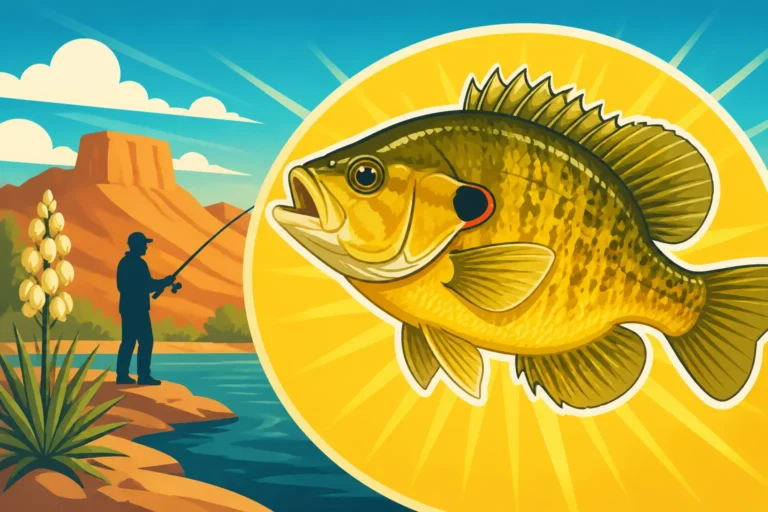
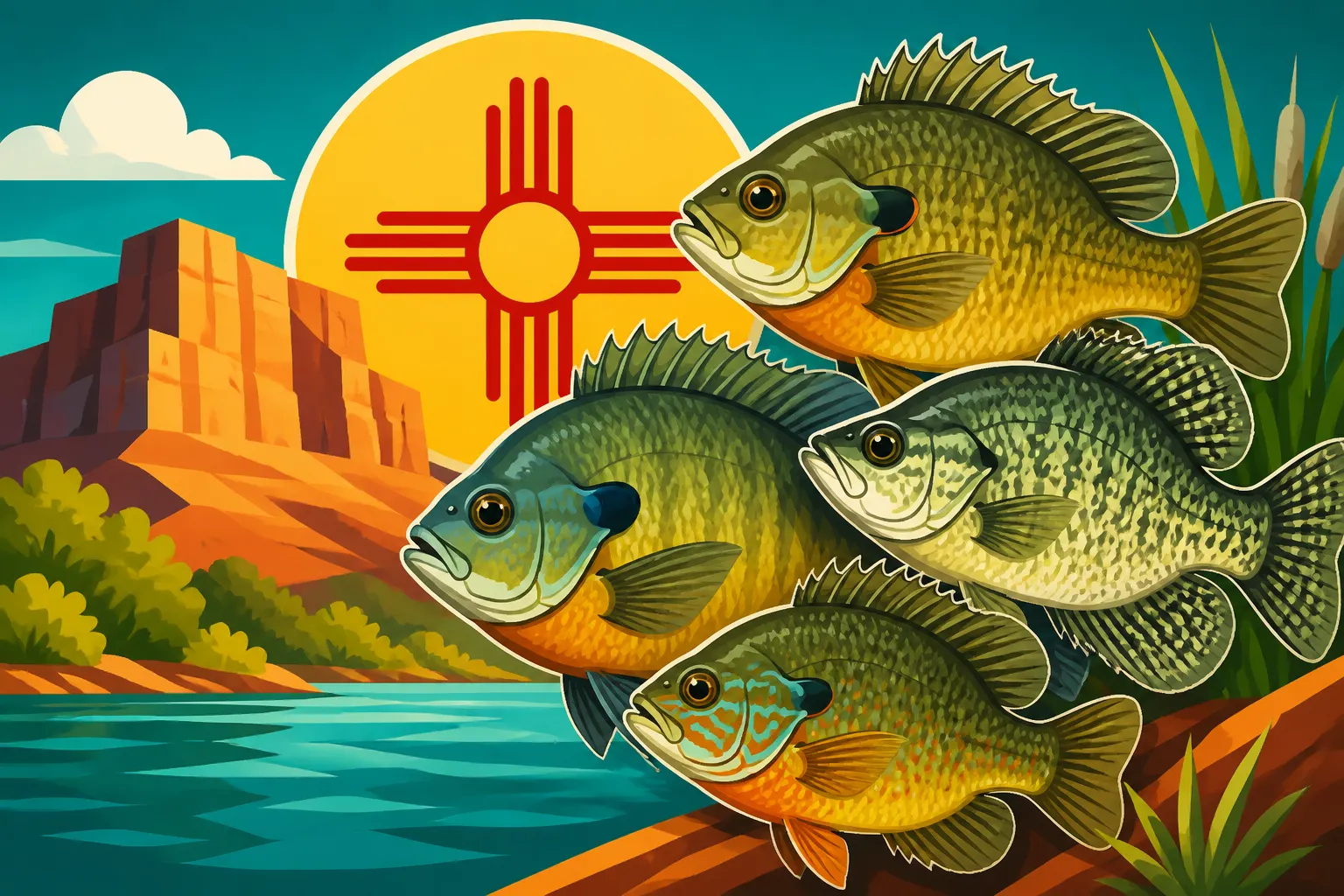
Ah, the bluegill! If there’s one fish that epitomizes the "panfish" designation, it’s this little sunfish. Instantly recognizable by its deep, flattened body, small mouth, and a distinctive black spot on the operculum (gill cover), bluegill are incredibly common across New Mexico. They often have a bluish-green back fading to yellow or orange on the belly, with faint vertical bars along their sides. They are notorious for being aggressive eaters, making them a blast to catch, especially for beginners.
You'll find bluegill in almost any warm, still, or slow-moving water body that has some aquatic vegetation or submerged structure. They love hanging out around docks, weed beds, brush piles, and fallen trees, seeking both shelter and food. They are often found in large schools, so if you catch one, chances are there are many more lurking nearby. This schooling behavior makes them fantastic targets for a fun-filled day of steady action. They might not be giants, but their consistent bites and feisty resistance on light tackle make them incredibly rewarding.
Crappie: The Slabs of the Southwest
New Mexico is home to both black crappie and white crappie, and both are highly sought after for their delicious meat and respectable size. Black crappie typically have a darker, more mottled appearance with irregular black spots scattered over a silvery background, and seven or eight dorsal fin spines. White crappie, on the other hand, tend to be lighter, with more distinct vertical bars on their sides, and six dorsal fin spines. Both species have deep, compressed bodies that can grow quite large, earning them the nickname "slabs" among dedicated crappie anglers.
Crappie are schooling fish, often found suspended around submerged structures like brush piles, standing timber, rock formations, and bridge pilings in deeper waters of our larger reservoirs. They also frequent areas with abundant aquatic vegetation, especially during spawning season. They have a more delicate bite than bluegill, often feeling like a light tap or simply added weight on your line, which requires a bit more finesse to detect. Their preferred habitat and schooling nature mean that once you locate a school, you can often catch quite a few in a short amount of time. New Mexico Statewide Bag Limit for Crappie and Sunfish details the regulations for keeping these tasty fish.
Other Sunfish Species: Diversifying the Catch
While bluegill and crappie are undoubtedly the most popular panfish in New Mexico, our waters are also home to other fascinating sunfish species that offer great angling opportunities. These include green sunfish, redear sunfish, and occasionally hybrids that mix characteristics of different species. Each has its own unique charm and can add a delightful surprise to your catch.
Green sunfish are perhaps the most widespread and hardy of the sunfish family. They're often mistaken for small bass due to their larger mouth and more elongated body compared to a bluegill, and they sport iridescent green scales with blue streaks on their cheeks. While they don't grow very large, they are incredibly aggressive and will readily strike a bait, making them a fun target in smaller streams and ponds where other fish might be scarce. Redear sunfish, also known as shellcrackers, get their name from the red or orange margin on their gill cover (the "ear flap") and their preference for feeding on snails and other mollusks. They grow larger than bluegill and offer a strong fight. While not as common as bluegill, you can find them in clearer, warmer waters, often near the bottom. These diverse species ensure that nearly every fishing trip can yield a variety of catches, keeping things interesting for anglers of all skill levels.
Where to Find These Feisty Fighters in the Land of Enchantment
New Mexico offers an incredible diversity of fishing environments, and thankfully, panfish are remarkably adaptable, making them accessible in many different settings. Knowing the prime locations for these species is key to a successful outing. Whether you prefer the vastness of a large reservoir or the tranquility of a small pond, there's likely a panfish hotspot waiting for you.
Lakes and Reservoirs: Panfish Hotspots
New Mexico's larger lakes and reservoirs are truly panfish paradises. Bodies of water like Elephant Butte Lake, Navajo Lake, Conchas Lake, and Ute Lake hold thriving populations of crappie, bluegill, and other sunfish. These expansive waters provide the perfect blend of habitat, from deep, open water where crappie suspend, to shallow coves and rocky points favored by bluegill. Look for areas with submerged timber, old roadbeds, brush piles, or even artificial fish habitats that have been placed by the New Mexico Department of Game and Fish.
During the spring spawn, crappie move into shallower, warmer waters to lay their eggs, often congregating around flooded bushes, weeds, or rip-rap shorelines. This is a prime time for bank anglers or those in smaller boats. Bluegill will also be in the shallows during their spawn, often creating visible "beds" or depressions in the bottom. As the water warms in summer, crappie often retreat to deeper, cooler water, suspending over structure or along channel breaks. Bluegill might move slightly deeper but will still be associated with cover. For families or those looking for an easy catch, many urban ponds, like those maintained in Albuquerque, are regularly stocked and are fantastic places to find panfish. Fishing Ponds Near Albuquerque for Kids is a great resource for these locations.
Rivers and Streams: Nooks and Crannies
While panfish are generally associated with still waters, New Mexico's rivers and larger streams can also offer excellent panfishing opportunities, particularly in their slower-moving sections, backwaters, and oxbows. The mighty Rio Grande, for instance, has numerous side channels and calmer areas where sunfish and even some crappie can thrive, especially downstream of urban areas or major impoundments. The Pecos River and Chama River also have sections that are conducive to panfish, typically where the current is less aggressive and there's more aquatic vegetation or structure to provide shelter.
When fishing rivers for panfish, focus on eddies, slack water behind wing dams or large rocks, and areas where feeder creeks enter the main flow, bringing in nutrients and bait. Pockets of submerged brush or overhanging trees that provide shade are also prime locations. These riverine panfish tend to be hearty fighters, accustomed to the flow, and can be a delightful surprise when you’re targeting other species. A small boat or even just bank access with a light spinning rod can open up a world of panfishing possibilities in these often-overlooked river sections.
Farm Ponds and Private Waters: Hidden Gems
Beyond the well-known public lakes and rivers, New Mexico is dotted with countless smaller farm ponds and private waters that can hold incredible panfish populations. These often-secluded spots can be goldmines for anglers seeking peace and consistent action. While access usually requires permission from the landowner, the reward can be well worth the effort. These smaller bodies of water often warm up faster in the spring, leading to earlier and more concentrated panfish activity.
Private ponds are often less pressured than public fisheries, meaning the fish might be less wary and more eager to bite. They can offer a fantastic "local" fishing experience, providing a quick escape to nature without a long drive. If you have friends or acquaintances with private ponds, it's always worth asking permission to fish. Just remember to be respectful of their property, pack out everything you pack in, and perhaps offer some of your catch as a thank you! These intimate settings are perfect for teaching kids how to fish, without the distractions and crowds of larger venues.
Essential Gear and Foolproof Techniques for Panfish Success
One of the beautiful things about panfishing is that you don't need a boatload of expensive, specialized gear. In fact, keeping it simple is often the most effective approach. This accessibility makes panfishing an ideal entry point for beginners, while still offering plenty of nuances for seasoned anglers to explore with ultralight setups.
Simple Rods and Reels: Keeping it Light
For panfish, an ultralight or light action spinning rod and reel combo is absolutely ideal. These setups are designed for casting small, lightweight baits and lures, and they make even a small bluegill feel like a trophy-sized fish, maximizing the fun factor. A rod length of 5 to 6.5 feet is typically perfect, allowing for accurate casting and good control. Pair this with a small spinning reel spooled with 2 to 6-pound test monofilament or fluorocarbon line. The lighter line is less visible to the fish and allows for better bait presentation. You can find excellent, affordable ultralight combos that will serve you well for years; checking online retailers like Amazon is a great way to start your search for a good quality setup without breaking the bank.
Using a small bobber, often called a float, is another classic and incredibly effective panfishing technique. It suspends your bait at a desired depth, keeps it visible, and provides an unmistakable strike indicator. When that bobber twitches, dances, or suddenly disappears, you know it's time to set the hook! How to Fish a Bobber and Worm Setup for Beginners is a fantastic resource to get started with this simple yet productive method. A small tackle box containing an assortment of small hooks (sizes 6-10), split shot weights, and a few different bobbers will be more than sufficient for a successful day of panfishing.
Baits and Lures: What Panfish Can't Resist
Panfish aren't particularly picky eaters, which is another reason they're so popular. Live bait is almost always a surefire winner. Worms (red wigglers or nightcrawlers cut into smaller pieces), crickets, grasshoppers, and even small mealworms or wax worms are irresistible to bluegill and other sunfish. For crappie, small minnows are often the preferred live bait, either fished under a bobber or slowly drifted. You can often purchase these baits at local bait shops or even collect your own!
When it comes to artificial lures, smaller is definitely better. Tiny jigs, especially those tipped with a small plastic grub, tube, or a bit of live bait, are incredibly effective. Colors like white, chartreuse, pink, and black often work well. Small spinners (like Rooster Tails or Mepps) with a blade size of 00 or 0 can also be deadly, especially for bluegill and even some crappie, particularly if they are actively feeding. For a diverse selection of panfish jigs and spinners, checking out what's available on Amazon can be a good start, as they offer a vast array of colors and sizes. The key is to present these baits and lures slowly and subtly, mimicking natural food sources.
Reading the Water: Finding Those Schools
Successfully finding panfish often comes down to "reading the water" – observing clues and understanding where fish are likely to congregate. Panfish are ambush predators and also seek shelter from larger fish, so they are almost always associated with some kind of structure or cover. In lakes and reservoirs, this means looking for weed beds, lily pads, submerged brush piles, fallen trees, docks, bridge pilings, and rocky points. Any place that offers shade, food, and protection is a potential panfish hotspot.
On rivers and streams, focus on areas with reduced current, such as eddies, deep pockets, and areas behind large rocks or logs. Overhanging bank vegetation also provides shade and drops insects into the water, attracting hungry panfish. A good pair of polarized sunglasses, easily found on Amazon, will help you spot those submerged structures and even individual fish moving in shallower, clearer water. Pay attention to changes in water color, depth, and bottom composition. If you're seeing small baitfish, that's often a good sign that larger predatory fish, including panfish, are in the area. Remember, panfish often school, so if you catch one, cast back to the same spot; chances are more are waiting!
The Joy of Panfishing: More Than Just a Catch
Panfishing isn't just about catching fish; it's about the entire experience. It's about connecting with nature, sharing moments with loved ones, and enjoying a relaxing day outdoors. For many, it's the gateway to a lifelong passion for angling, building confidence and fostering an appreciation for our aquatic ecosystems.
Perfect for Families and Beginners
There's nothing quite like the look on a child's face when they feel that first tug on their line and reel in their very first fish. Panfish, with their abundance and willingness to bite, provide that magical moment consistently. They offer instant gratification, which is crucial for keeping the attention and excitement of young anglers or those new to the sport. Unlike targeting elusive trophy fish, panfishing often guarantees action, turning potential frustration into genuine delight.
Setting up a simple panfish rig – a rod, a bobber, a hook, and a worm – is easy enough for almost anyone to learn quickly. It teaches the basic mechanics of casting, setting the hook, and reeling in a fish, laying a foundational understanding for more complex fishing techniques down the road. These experiences create lasting memories, foster patience, and instill a love for the outdoors. If you're planning a family outing, looking up Best Lakes for Family Fishing Trips in New Mexico can help you find the perfect spot to introduce your loved ones to the joys of panfishing.
Sustainable Harvest and Delicious Meals
One of the great advantages of panfish populations in New Mexico is their robust and prolific nature. Under normal circumstances, they can sustain a healthy level of harvest without negatively impacting the overall fishery, making them an excellent choice for anglers who enjoy bringing home their catch for a fresh meal. There's a deep satisfaction in preparing and eating fish you caught yourself, a truly farm-to-table (or rather, lake-to-table) experience. Don't forget a small cooler for your catch, Amazon has a wide range of sizes that work perfectly for a day of panfishing.
Preparing panfish is also wonderfully straightforward. Their clean, white, flaky meat is delicious simply pan-fried with a light breading of cornmeal or flour, a little salt, and pepper. Many anglers consider crappie to be among the finest eating freshwater fish, and a fresh bluegill fillet holds its own against many other popular species. Just be sure to familiarize yourself with the current New Mexico Fishing Regulations Overview and specific bag limits for the species you're targeting to ensure you're fishing responsibly and sustainably. Enjoying your catch is part of the tradition, and with panfish, it’s a readily available and tasty reward for your efforts.
Stewarding Our Panfish Populations
While panfish are abundant and resilient, responsible angling practices are crucial to ensure these delightful species continue to thrive in New Mexico's waters for generations to come. Every angler has a role to play in conservation, whether it's understanding the rules or practicing ethical catch and release. It’s about being a good steward of our natural resources, not just a consumer.
Understanding Bag and Possession Limits
The New Mexico Department of Game and Fish sets specific bag and possession limits for various fish species, including panfish. These limits are in place to help manage fish populations, prevent overfishing, and ensure healthy ecosystems. A "bag limit" refers to the maximum number of fish of a particular species an angler can keep in a single day. A "possession limit" refers to the maximum number of fish an angler can have in their possession at any given time, including those at home, in a cooler, or in your vehicle, from multiple days of fishing.
It’s essential to always consult the most current New Mexico Fishing Season Calendar or the annual New Mexico Fishing Rules & Regulations booklet before you head out. Rules can vary by water body and by species. For example, the crappie limit might be different from the bluegill limit, or a specific lake might have special regulations. Adhering to these rules isn't just about avoiding a fine; it's about contributing to the long-term health and vitality of our panfish fisheries. This ensures that everyone, including future generations, can enjoy the same abundant fishing opportunities we have today.
Catch and Release Best Practices for Panfish
Even when targeting panfish for the frying pan, there will be times when you catch fish that are too small, are over your limit, or you simply want to release them to fight another day. Practicing proper catch and release techniques is vital for the survival of those fish. Panfish are generally hardy, but mishandling can still cause unnecessary stress and mortality.
When releasing panfish, try to minimize the time the fish is out of the water. Handle the fish gently with wet hands to protect its protective slime coat. If the fish has swallowed the hook deeply, it might be better to cut the line as close to the hook as possible rather than trying to rip the hook out, which can cause internal damage. A small pair of needle-nose pliers or a dedicated hook remover, easily found on Amazon, can be incredibly helpful for quickly and safely unhooking fish. Support the fish upright in the water and allow it to recover before letting it swim away on its own. These small actions make a big difference in ensuring a vibrant panfish population for all New Mexico anglers.
| Panfish Species | Typical Habitat | Best Baits | Best Lure Types | Max Size (Common) |
|---|---|---|---|---|
| Bluegill | Weed beds, docks, brush piles, warm shallow water | Worms, crickets, mealworms, corn | Small jigs (1/32-1/16 oz), tiny spinners, fly patterns | 6-10 inches |
| Black Crappie | Submerged timber, brush piles, deeper channels, cooler water | Small minnows, wax worms, maggots | Small jigs (1/16-1/8 oz), tube jigs, soft plastics | 8-12 inches |
| White Crappie | Muddy water, open water near structure, similar to Black Crappie | Small minnows, wax worms | Small jigs (1/16-1/8 oz), beetle spins, small crankbaits | 8-12 inches |
| Green Sunfish | Small streams, ponds, culverts, rocky areas | Worms, crickets, grasshoppers | Small jigs, tiny spoons | 4-8 inches |
| Redear Sunfish | Clearer, warmer water, near bottom, shell beds | Worms, snails | Small jigs, tiny spoons | 6-10 inches |
Disclaimer
This article is for general informational purposes only and does not constitute professional advice. Laws, prices and regulations vary by location and change over time. Consult a qualified professional for guidance on your specific situation.