Cold Water Game Fish in New Mexico
For many anglers, the thought of fishing in New Mexico conjures up images of vast, high desert lakes baking under a summer sun, perfect for bass and catfish. But what often gets overlooked, and to be honest, underestimated, is the incredible variety and quality of cold water game fish that thrive in our mountain streams, deep reservoirs, and pristine rivers. It can be a real head-scratcher knowing where to start if you're keen on targeting these cooler-dwelling species, but don't worry, this guide will walk you through the exciting world of New Mexico's cold water angling opportunities.
What Defines Cold Water Game Fish in New Mexico?
When we talk about "cold water" fish, we're not just throwing around a fancy term. These are species that have adapted to, and actually require, specific environmental conditions to survive and flourish. For us anglers, understanding these needs is key to finding and successfully catching them. It's more than just a preference; it's a physiological necessity for many of our most sought-after game fish.
Understanding Water Temperature and Oxygen
The primary factor defining a cold water game fish is, unsurprisingly, water temperature. Most of these species prefer water that stays below about 70 degrees Fahrenheit, and many, especially trout, truly thrive when temperatures are consistently in the 40s, 50s, and low 60s. Why is this so crucial? Colder water holds more dissolved oxygen, which is absolutely vital for these fish. As water warms up, its capacity to hold oxygen decreases dramatically. Imagine trying to run a marathon in thin air – that's how a trout feels in warm, low-oxygen water.
This is why you'll often find these fish in higher elevation streams fed by snowmelt, or in the deeper, cooler layers of our larger reservoirs, especially during the warmer months. When stream temperatures rise in summer, fish might become stressed, sluggish, or seek out thermal refuges where cooler spring water enters a river. Being mindful of these temperature preferences isn't just about catching fish; it's also about practicing responsible angling, especially when it comes to catch and release in warmer conditions. New Mexico Fishing Season Calendar provides a good overview of how seasons impact fishing.
New Mexico's Unique Cold Water Habitats
New Mexico, with its dramatic elevation changes, offers a diverse range of cold water habitats. We're not just a desert state; we boast significant mountain ranges that cradle precious cold water resources. From the Sangre de Cristo Mountains in the north to the Gila Wilderness in the southwest, these areas are home to stunningly beautiful and productive cold water fisheries. You'll find everything from tiny, crystal-clear alpine brooks that hold native cutthroat trout to large, deep lakes that house populations of kokanee salmon and even lake trout.
Our tailwater fisheries, like the famous San Juan River below Navajo Dam, are perfect examples of managed cold water habitats. The release of cold water from the bottom of the dam creates an ideal environment for trout year-round, regardless of the air temperature outside. These unique habitats often require specialized approaches and a keen understanding of the local ecology, making them fascinating challenges for any dedicated angler.
Seasonal Influences on Cold Water Fish Behavior
The seasons play a massive role in where and how cold water fish behave in New Mexico. In spring, as snowmelt swells rivers, fish might spread out into new feeding grounds. Post-runoff, as waters clear and warm slightly, insect hatches can explode, making for incredible fly-fishing opportunities. Summer heat drives fish deeper or into cooler tributaries, making early mornings and late evenings prime fishing times.
Come fall, as temperatures drop, many cold water species, particularly trout and kokanee salmon, become incredibly active. This is often associated with spawning runs, where fish concentrate and feed aggressively to build energy. Winter, while it might seem counterintuitive, can offer some fantastic cold water fishing, especially through the ice on certain lakes or in the consistent temperatures of tailwater fisheries. Understanding Best Time of Year to Fish in New Mexico is crucial for maximizing your success.
The Mighty Trout: New Mexico's Cold Water Royalty
When you talk about cold water game fish in New Mexico, trout are undeniably the stars of the show. Our state is blessed with a remarkable variety of trout species, each offering a unique challenge and experience for anglers. From hatchery-raised rainbows to elusive native cutthroats, these fish define much of our cold water angling tradition.
Rainbow Trout: The Stocking Stalwart
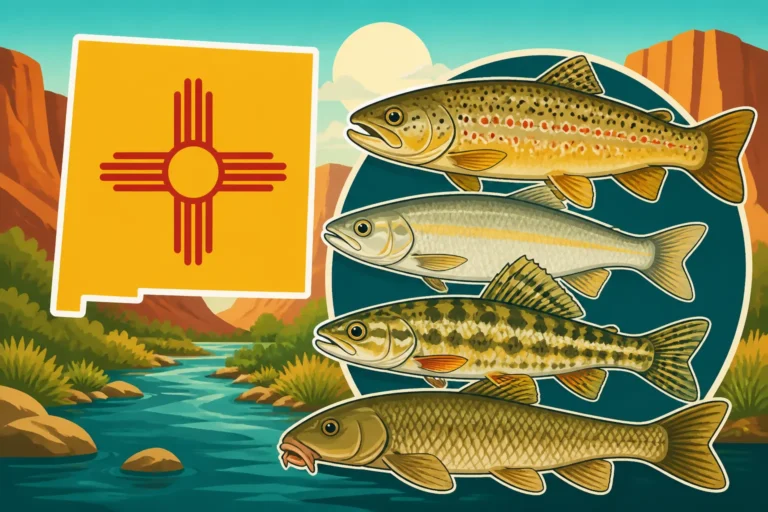
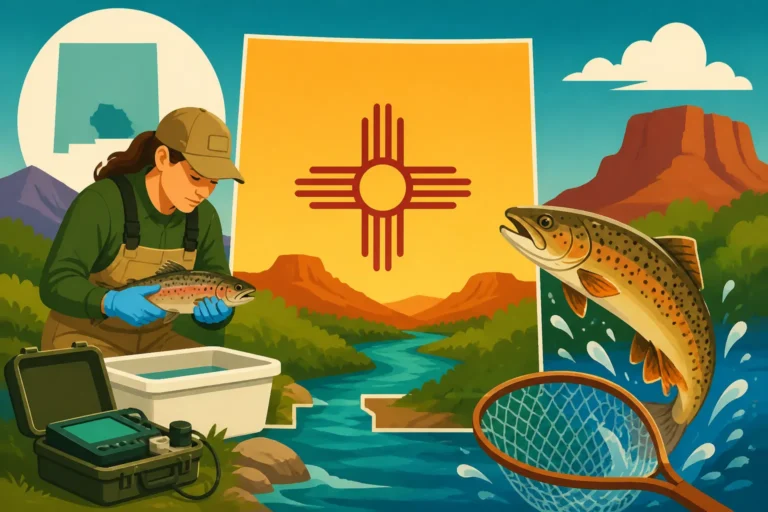
Rainbow trout are probably the most recognized and widely available cold water game fish in New Mexico. They are a true success story of stocking programs, making them accessible to anglers of all skill levels across the state. The New Mexico Department of Game and Fish regularly stocks rainbow trout in countless lakes, rivers, and even urban ponds, ensuring that there's usually a good opportunity to catch these beautiful, hard-fighting fish. They're often identifiable by that distinctive pink or red stripe along their flanks, especially when they're healthy and vibrant.
These fish are relatively forgiving, making them an excellent target for beginners. They respond well to a variety of baits, lures, and flies, adapting to different feeding patterns depending on the water body. You'll find them in places like the Rio Grande, Pecos River, and countless smaller mountain streams, as well as in popular lakes like Storrie Lake and the Bosque del Apache ponds. While stocked rainbows might not offer the same wild challenge as their native cousins, they provide consistent action and are a vital part of our state's recreational fishing. Learning Trout Fishing Techniques for New Mexico will definitely help your success.
Brown Trout: Wily and Wild
If rainbow trout are the friendly neighbors, brown trout are the seasoned, street-smart residents. Known for their elusive nature and often larger size, brown trout are highly prized by anglers seeking a greater challenge. They tend to be more piscivorous, meaning they eat other fish, and are often more nocturnal or crepuscular (active at dawn and dusk). This makes them a bit trickier to tempt, requiring more patience and refined techniques. Their coloration is beautiful, typically a mix of golden brown, olive, and cream, adorned with dark spots, some often ringed with a lighter halo, giving them a distinct appearance.
You'll often find brown trout thriving in the same waters as rainbows, but they tend to hold in more structured areas, undercuts, and deeper pools, preferring to ambush their prey. They are often less reliant on hatchery stocking and have established wild, reproducing populations in many of New Mexico's premier trout waters, including sections of the San Juan River and the Rio Chama. Landing a large, wild brown trout is a significant achievement for any angler in the state, a testament to skill and persistence.
Native Cutthroat and Gila Trout: Treasures of the State
New Mexico is home to two remarkable native trout species: the Rio Grande Cutthroat Trout and the Gila Trout. These aren't just fish; they're living pieces of our state's natural heritage, representing a vital link to our wild, untamed landscapes. Fishing for them often means venturing into more remote, pristine areas, offering an experience that transcends mere sport and connects you directly with nature.
The Rio Grande Cutthroat Trout, New Mexico's state fish, is found in the headwaters of the Rio Grande and Pecos River drainages. They are identifiable by the distinctive red or orange "cutthroat" mark under their jaw. These fish are generally smaller than stocked rainbows but offer fierce fights and are incredibly beautiful. Gila Trout, on the other hand, are a unique species native to the Gila River Basin in the southwestern part of the state. They typically have a golden or bronze hue with small, dark spots. Both species are subject to strict conservation efforts, and specific regulations often apply to their harvest. Anglers seeking these native beauties must often use barbless hooks and practice careful catch and release to ensure their populations continue to thrive. Do You Need a Permit to Fish for Gila Trout? is a good resource to review.
Lake Trout and Brook Trout: Deep Water Dwellers
While less widespread than rainbows and browns, New Mexico does offer opportunities to target other cold water trout species, particularly lake trout and brook trout. Lake trout, the largest of the char species (to which trout belong), are found primarily in deeper, colder reservoirs like Heron Lake and some other deep mountain lakes. They are powerful predators, often requiring specialized deep-water trolling techniques to target, especially in warmer months when they retreat to the thermocline.
Brook trout, another char species, are beautiful fish with distinctive worm-like markings (vermiculations) on their backs and vibrant red or orange fins with white leading edges. They are often found in very cold, high-elevation streams and alpine lakes, especially in the northern mountains. They tend to be smaller but are spirited fighters and a joy to catch in their pristine, isolated habitats. Fishing for brook trout often involves hiking into remote areas, making the reward even sweeter.
Beyond Trout: Other Cold Water Contenders
While trout often steal the spotlight, New Mexico's cold waters are also home to a couple of other intriguing game fish that thrive in cooler temperatures. These species offer different challenges and add variety to the cold water angling scene, proving that there's more to cool water fishing than just a fly rod and a dry fly.
Kokanee Salmon: The Landlocked Leapers
Kokanee salmon are essentially landlocked sockeye salmon, and they are a highly sought-after cold water species in several New Mexico reservoirs. Lakes like Navajo Lake, Heron Lake, and Eagle Nest Lake are renowned for their kokanee populations. These fish spend most of their lives in the deep, cold, open waters of these reservoirs, feeding on zooplankton. They are beautiful, silver-sided fish for most of their lives, but undergo a dramatic transformation as their spawning season approaches in the fall, turning a vibrant red with hooked jaws.
Trolling with downriggers, specialized lures, and sometimes even flies is a popular and effective method for targeting kokanee. They put up a spirited fight on light tackle, often making impressive runs and jumps. Fall brings the exciting, albeit controversial, kokanee snagging season in some lakes, where anglers can legally "snag" the spawning fish as they congregate near dam faces or river inlets. It's a unique experience that draws a crowd, but always be sure to check the specific regulations, as they can vary by water body and season. New Mexico Salmon Snagging Season provides essential details.
Tiger Muskie: The Apex Predator
Now, when you hear "muskie," you might not immediately think "cold water," but the tiger muskie, a sterile hybrid of northern pike and muskellunge, is often stocked in lakes that maintain sufficiently cool temperatures to support their growth and predatory needs. Bluewater Lake is perhaps the most famous New Mexico fishery for these toothy, powerful predators. Tiger muskies are sleek, torpedo-shaped fish with distinctive vertical bars or spots, giving them their "tiger" name. They are true apex predators, growing to impressive sizes and providing an incredible challenge for anglers.
Targeting tiger muskie often involves heavy-duty gear, large lures (like big spinnerbaits, jerkbaits, and swimbaits), and a lot of patience. They are known as "the fish of 10,000 casts" for a reason! While they might not strictly prefer frigid temperatures like trout, they thrive in cooler, oxygen-rich environments where they can ambush prey fish. The thrill of hooking into a large tiger muskie is something every dedicated angler should experience, offering an adrenaline rush unlike almost any other freshwater fish in the state. Just be sure your tackle box, maybe something you picked up from Amazon, is robust enough for these beasts.
Where to Find New Mexico's Cold Water Fish
One of the great joys of cold water fishing in New Mexico is the incredible diversity of locations available. From high mountain wilderness to accessible, well-maintained rivers, there's a cold water fishery for every type of angler. Knowing where to go is half the battle, and it often dictates the kind of experience you'll have.
Iconic Rivers and Streams
New Mexico is blessed with several world-class cold water rivers and streams. The San Juan River below Navajo Dam is arguably the most famous, particularly its Quality Waters section. This stretch of river is a goldmine for trophy trout, boasting some of the highest trout densities per mile in the nation. It's a tailwater fishery, meaning the water released from the bottom of Navajo Dam is consistently cold, creating perfect conditions for rainbow and brown trout year-round. It's a fly fishing mecca, with complex insect hatches and savvy fish that demand technical skill. San Juan River Quality Waters Section is a must-read for anyone planning a trip there.
Beyond the San Juan, the Pecos River in the Pecos Wilderness offers incredible wild trout fishing, often requiring backcountry hikes to access pristine stretches. The upper reaches of the Rio Grande also hold fantastic trout populations, especially north of Española, with opportunities for both wade and float fishing. Smaller streams like the Red River, Rio Chama, and sections of the Gila River also provide excellent cold water opportunities, often in stunning, secluded settings.
High Mountain Lakes and Reservoirs
For those who prefer still water or the challenge of deep-water angling, New Mexico's high mountain lakes and larger reservoirs are phenomenal cold water fisheries. Navajo Lake is a prime example, not only for its excellent trout fishing but also as a premier kokanee salmon destination. Its deep, cold waters provide ample habitat for these species. Nearby, Heron Lake is another jewel, known for its trophy lake trout and robust kokanee populations, often fished with a no-wake rule, creating a peaceful angling experience. Heron Lake Fishing Guide offers more specific advice.
Further north, Eagle Nest Lake is a high-altitude gem, famous for its kokanee salmon and rainbow trout, and even offers ice fishing in the winter months. Fenton Lake, nestled in the Jemez Mountains, is a picturesque state park lake known for its trout fishing, often with special regulations to maintain its quality. These lakes require different techniques than rivers, often involving boat fishing, trolling, or casting from shore into deeper areas.
Urban and Stocked Ponds
Don't underestimate the cold water opportunities closer to home, especially during the cooler months. The New Mexico Department of Game and Fish regularly stocks rainbow trout in urban ponds and smaller lakes around population centers like Albuquerque, Santa Fe, and Las Cruces. These waters, while not always "cold" year-round, provide excellent cold water fishing when temperatures drop in fall, winter, and early spring.
Lakes like Tingley Beach in Albuquerque, various ponds in Santa Fe, and the small lake at the Bosque del Apache National Wildlife Refuge are routinely stocked with trout. They offer a fantastic, accessible way for families and beginners to experience cold water fishing without needing to travel far. While they might not hold the same mystique as a wilderness river, they provide consistent action and are invaluable for introducing new anglers to the sport. Urban Ponds Stocked With Trout in Albuquerque highlights some great options.
Tackling Cold Water Fish: Essential Techniques & Gear
Successfully targeting cold water game fish in New Mexico often requires a nuanced approach, combining specific techniques with the right equipment. Whether you're a seasoned fly angler or a casual spin caster, having the proper tools and knowing how to use them can make all the difference between a frustrating day and a memorable catch.
Fly Fishing for Trout: Art and Skill
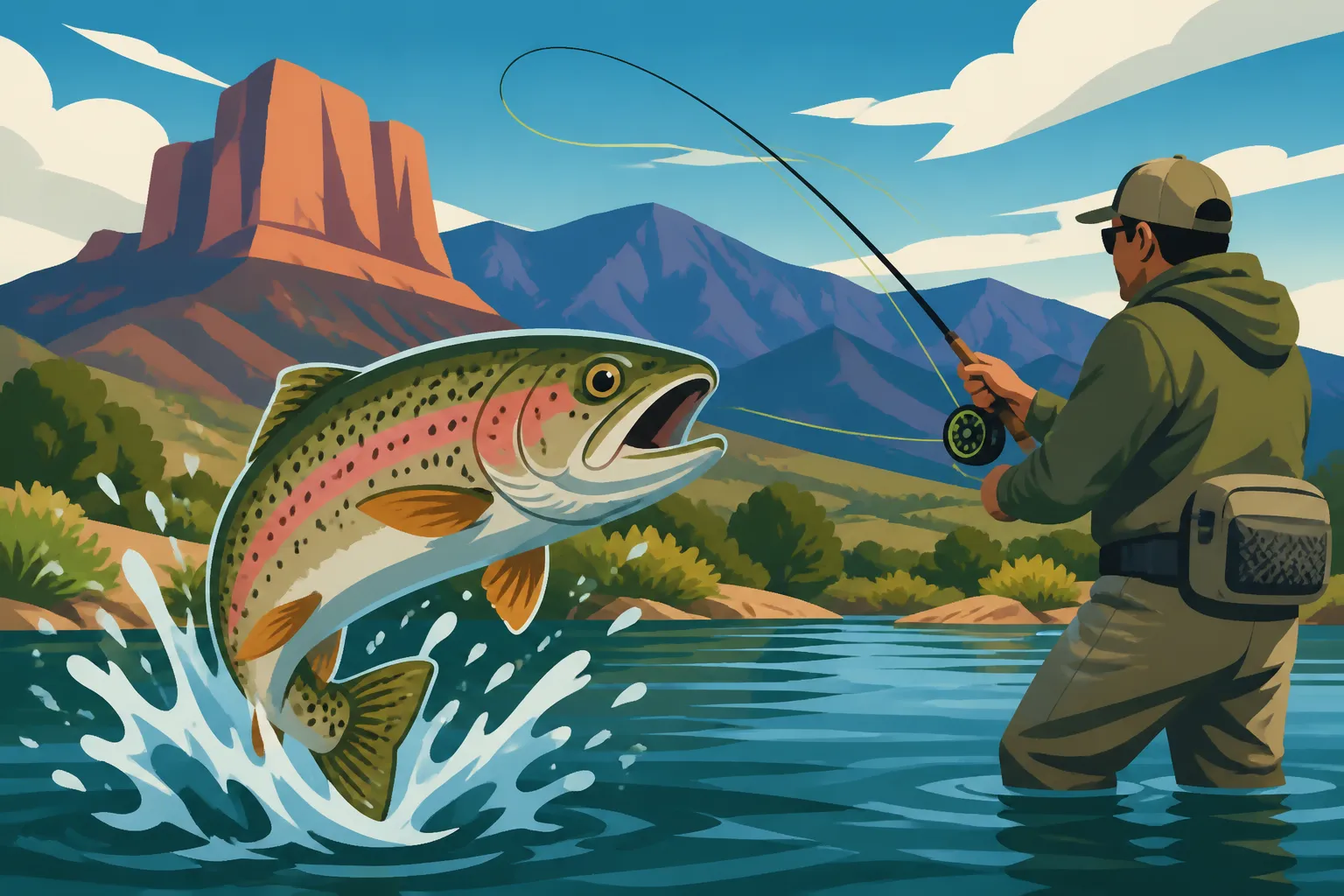
For many, fly fishing is synonymous with cold water trout angling, and for good reason. It's an incredibly effective and rewarding method, especially in the clear, flowing waters that trout often inhabit. In New Mexico, especially on renowned fisheries like the San Juan River, fly fishing is a dominant technique. It involves using lightweight rods and specialized lines to present artificial flies that imitate aquatic insects, baitfish, or other food sources. Nymphing, which targets fish feeding on subsurface insects, is particularly effective on many New Mexico rivers. Dry fly fishing, where flies float on the surface, can be exhilarating when fish are rising to natural insect hatches.
Successful fly fishing demands more than just casting; it requires reading the water, understanding insect life cycles, and presenting your fly naturally. Having a good selection of flies, from tiny midges and mayflies to larger stoneflies and streamers, is crucial. You'll also need appropriate waders and wading boots, especially for navigating rocky riverbeds. Investing in quality gear, perhaps even finding good deals on fly fishing essentials through Amazon, can significantly enhance your experience and success. Fly Fishing Techniques for New Mexico Rivers delves deeper into this art form.
Spinning and Bait Fishing: Accessible Angling
While fly fishing holds a special place, spinning and bait fishing remain incredibly effective and accessible methods for cold water game fish across New Mexico. Many anglers prefer the versatility of a spinning rod, which can cast a wide array of lures and natural baits. For rainbow trout, especially in stocked waters, classic baits like PowerBait, corn, salmon eggs, and worms are consistently productive. Small spinners and spoons are also highly effective, mimicking baitfish and attracting aggressive strikes.
When targeting brown trout, larger spoons, jerkbaits, and swimbaits can be deadly, particularly for those predatory fish. For kokanee salmon, trolling with specialized lures like wedding rings, hoochies, or small spoons behind dodgers or flashers is the go-to technique. Even for tiger muskie, heavy spinning or baitcasting gear with large, durable lures is essential. This versatility makes spinning gear a fantastic choice for those who want to adapt to different species and conditions without needing highly specialized equipment.
Specialized Gear for Cold Water Success
Beyond rods, reels, and terminal tackle, a few key pieces of gear can significantly enhance your cold water fishing experience in New Mexico:
- Layered Clothing: Mountain weather can change rapidly. Layers of moisture-wicking materials, fleece, and a waterproof outer shell are essential for staying comfortable.
- Polarized Sunglasses: These are not just for looking cool! They cut glare off the water, allowing you to see deeper and spot fish or underwater structure, which is invaluable for sight fishing or reading water. You can find many excellent options for polarized sunglasses on Amazon.
- Waders and Wading Boots: For river fishing, a good pair of waders (chest or hip) and sturdy, cleated wading boots are indispensable for staying dry and safe in swift currents.
- Landing Net: A rubberized landing net is highly recommended, especially for catch-and-release fishing. The soft, knotless mesh protects the fish's slime coat and fins, minimizing harm.
- Fish Finder/Sonar: For lake fishing, particularly for species like kokanee and lake trout that hold in deeper water, a good fish finder can be a game-changer for locating schools of fish and understanding depth. Modern portable options available on Amazon can even work for smaller boats or kayaks. Best Fishing Gear for New Mexico Anglers covers a broader range of equipment.
Conservation and the Future of Cold Water Fisheries
The beauty and productivity of New Mexico's cold water fisheries are a precious resource, and their long-term health depends heavily on thoughtful conservation efforts and responsible angling practices. As stewards of these waters, every angler has a role to play in protecting these environments for future generations.
Protecting Native Species and Habitats
Our native trout, the Rio Grande Cutthroat and Gila Trout, are particularly vulnerable and require ongoing protection. Habitat degradation from wildfires, drought, and development poses significant threats to these populations. Conservation efforts often involve stream restoration, barrier removal (to prevent hybridization with non-native trout), and careful management of watershed health. When fishing for these species, it's paramount to understand and strictly adhere to specific regulations, which often include catch-and-release only, barbless hook requirements, and specific gear restrictions.
Beyond native trout, protecting the broader ecosystem of our cold water rivers and lakes is crucial. This includes maintaining water quality, managing water levels, and ensuring that surrounding lands are healthy. Initiatives like those outlined in New Mexico Habitat Management and Access Validation Stamp contribute directly to these vital conservation efforts.
Responsible Angling Practices
Responsible angling goes beyond simply following the rules; it embodies a mindset of respect for the fish and their environment. For cold water species, especially trout, this often means practicing careful catch and release. This involves:
- Minimizing Handling: Keep fish in the water as much as possible.
- Wet Hands: Always wet your hands before touching a fish to protect its protective slime coat.
- Barbless Hooks: Using barbless hooks makes removal easier and quicker, reducing stress and injury. Many special trout waters in New Mexico require them.
- Quick Release: Release the fish as quickly as possible, ensuring it's revived and can swim away strongly.
- Avoiding Warm Water Stress: In summer, when water temperatures climb, consider fishing for cold water species during cooler parts of the day or in areas with consistent cold flows. Warm water can severely stress trout, making post-release survival less likely.
By adopting these practices, we increase the chances that the fish we release will survive to fight another day and contribute to the health of the fishery.
Understanding Regulations and Limits
The New Mexico Department of Game and Fish (NMDGF) establishes regulations to manage fish populations and ensure sustainable angling. These rules cover everything from license requirements to bag limits, season dates, and specific gear restrictions for certain waters. Ignoring these regulations isn't just illegal; it can have detrimental effects on our fisheries.
It's essential to obtain a valid New Mexico Fishing License Guide before heading out, and to always consult the current NMDGF fishing proclamation. This booklet (or its online version) details all the specific rules for different waters and species, including daily bag and possession limits, size restrictions, and special regulations for waters designated as "Quality Waters" or "Special Trout Waters." These regulations are designed by biologists to protect fish populations and maintain a healthy, productive fishery for everyone. Understanding New Mexico Fishing Regulations Overview is your first step to a legal and ethical day on the water.
| Species | Typical Habitat | Preferred Water Temp | Primary Food Sources | Best Season to Target |
|---|---|---|---|---|
| Rainbow Trout | Rivers, streams, lakes, ponds | 50-65°F | Insects, worms, pellets, baitfish | Spring, Fall |
| Brown Trout | Rivers, streams, deep lake areas | 45-60°F | Insects, baitfish, crayfish | Fall, Spring |
| Rio Grande Cutthroat | High mountain streams, cold lakes | 40-58°F | Aquatic and terrestrial insects | Summer, Early Fall |
| Gila Trout | Gila River Basin streams | 45-60°F | Aquatic insects, small invertebrates | Summer |
| Lake Trout | Deep, cold lakes (Heron, Navajo) | 40-55°F | Baitfish (kokanee, perch) | Spring, Fall, Winter |
| Brook Trout | High elevation streams, alpine lakes | 40-58°F | Aquatic insects, small invertebrates | Summer, Early Fall |
| Kokanee Salmon | Deep, cold reservoirs (Navajo, Heron) | 45-60°F | Zooplankton | Spring, Fall |
| Tiger Muskie | Larger lakes (Bluewater, Eagle Nest) | 55-70°F | Large baitfish, smaller game fish | Spring, Fall |
Disclaimer
This article is for general informational purposes only and does not constitute professional advice. Laws, prices and regulations vary by location and change over time. Consult a qualified professional for guidance on your specific situation.