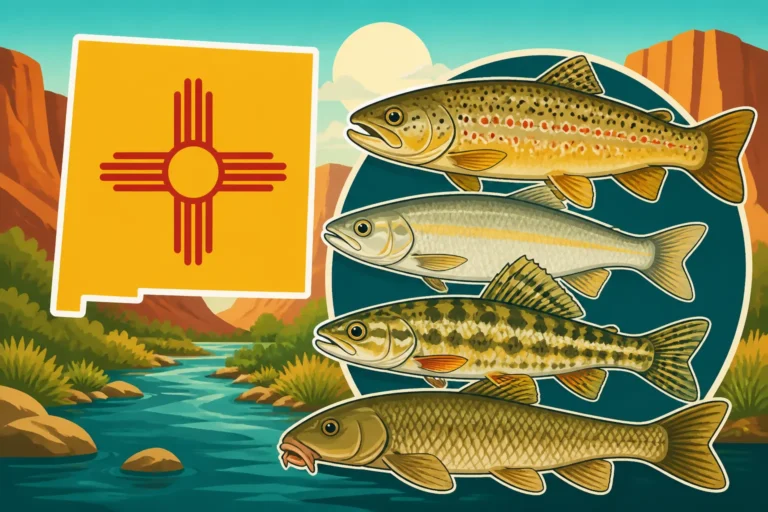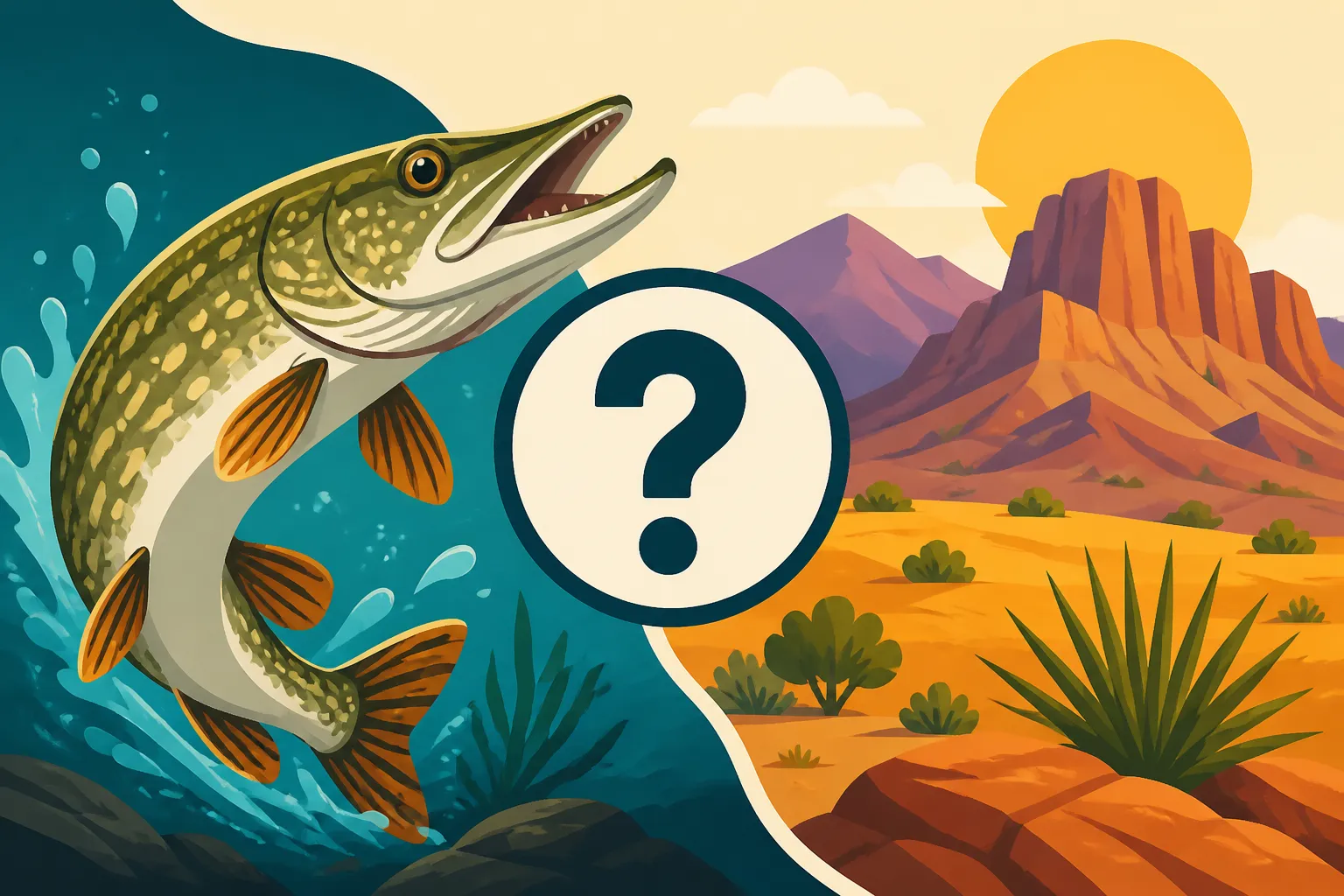
Are There Northern Pike in New Mexico?
It's a really common question, especially for anglers new to the Land of Enchantment or those who've fished in other states where pike are more prevalent. You might hear whispers or just wonder if those toothy, ambush predators, the Northern Pike, make an appearance in New Mexico's waters. It's a valid thought, given our diverse landscapes and varied fisheries, but the reality might surprise you. This guide is here to clear up the confusion and explain why you're unlikely to encounter a Northern Pike here, while also pointing you toward some equally exciting predatory fishing opportunities New Mexico does offer.
The Straight Answer: Northern Pike in New Mexico Waters
Let's get right to it: generally speaking, no, you won't find Northern Pike in New Mexico's public waters. It's a common misconception, perhaps fueled by their wide distribution in colder, more northern climates, or sometimes by confusion with a different, equally formidable species that does reside here. New Mexico's Department of Game and Fish does not manage or stock Northern Pike, nor are they typically found naturally reproducing in our lakes and rivers.
Northern Pike are a distinct species known for their elongated bodies, duckbill snouts, and rows of razor-sharp teeth. They thrive in cooler, often weedy environments, lying in wait to ambush unsuspecting prey. While New Mexico has some cold-water fisheries, especially at higher elevations, the overall habitat and management focus here simply don't align with supporting a Northern Pike population. Our state's fisheries management is geared towards native species, popular trout species, and a range of warm water game fish like bass and walleye, along with a specific hybrid predatory fish we'll discuss shortly. So, if you're picturing yourself pulling a classic Northern Pike from a New Mexico lake, you'll likely be disappointed, as they aren't part of the state's angling landscape.
Why New Mexico Isn't a Northern Pike Haven
There are several key reasons why Northern Pike aren't a common sight in New Mexico, stemming from both ecological factors and strategic fisheries management decisions. It's not just a matter of not stocking them; it's also about what conditions these powerful predators need to thrive.
Unsuitable Habitat and Climate
Northern Pike generally prefer colder water environments with abundant aquatic vegetation, which provides both ambush cover and spawning grounds. While New Mexico certainly has some colder, high-elevation lakes and rivers that support trout, many of our larger reservoirs and lower-elevation rivers experience significant warm periods in the summer. These warmer temperatures can be detrimental to pike populations. The specific types of shallow, vegetated backwaters and flooded timber that pike often favor for spawning and hunting aren't as widespread or consistent across New Mexico's diverse but often arid and canyon-laden aquatic systems.
Our water systems are dynamic, with fluctuating levels due to snowpack and monsoon seasons, which can impact stable habitat for certain species. While pike are incredibly adaptable, the optimal combination of sustained cold water, extensive weed beds, and stable water levels that support robust, self-sustaining pike populations simply isn't characteristic of most New Mexico fisheries. The state's management strategy focuses on species better suited to these conditions.
Fisheries Management Priorities
The New Mexico Department of Game and Fish (NMDGF) has very specific goals for its fisheries. These goals include conserving native species, providing diverse angling opportunities for popular game fish, and managing water bodies for ecological balance. Introducing and managing Northern Pike would either require diverting resources from these existing priorities or could potentially disrupt established ecosystems.
Instead of Northern Pike, New Mexico has strategically introduced and managed other predatory species to fill ecological niches or provide trophy angling experiences. The most notable example is the Tiger Muskie, a sterile hybrid that offers similar thrilling pursuit without the risk of overpopulation or ecological imbalance that non-native, self-reproducing species can sometimes pose. This focused approach allows the NMDGF to concentrate its efforts on enhancing the fisheries that are most viable and beneficial for the state's natural resources and angling community. You can learn more about these efforts in the New Mexico Fishing Regulations Overview.
The Identity Crisis: Tiger Muskies and Other Look-Alikes
If you've heard tales of toothy, long-bodied fish in New Mexico and thought they might be Northern Pike, chances are the fish being discussed was actually a Tiger Muskie. This is by far the most common source of confusion, and for good reason! Tiger Muskies are fantastic sport fish that fulfill a similar predatory role to pike in specific New Mexico lakes.
Distinguishing Tiger Muskie from Northern Pike
Tiger Muskies are a sterile hybrid cross between a Northern Pike and a Muskellunge (Muskie). They have a very similar body shape and predatory nature to Northern Pike, which leads to the frequent mistaken identity. Both are long, slender, and powerful ambush predators with sharp teeth. However, there are key differences that set them apart.
Here's a quick comparison to help you tell the difference:
| Feature | Northern Pike | Tiger Muskie |
|---|---|---|
| Coloration | Light spots/bars on a dark green body | Dark, distinct, irregular vertical bars/stripes on a lighter body |
| Scales on Cheek | Fully scaled | Scaled on upper half of cheek only |
| Scales on Opercle (Gill Cover) | Fully scaled | Scaled on upper half of opercle only |
| Tail Fin Shape | Often slightly more forked | Typically less deeply forked, more rounded |
| Spotting/Markings | Defined, somewhat roundish spots/bars | Jagged, worm-like, often broken stripes/bars |
| Native Range | Northern North America, Europe, Asia | Hybrid, created in hatcheries; not naturally occurring in the wild for the most part |
As you can see, the most obvious difference is the pattern on their sides – pike have light spots on a dark background, while tiger muskies have dark, often wavy or tiger-like stripes on a lighter background. If you're looking for gear to help you identify fish, or even just some good books on fish species, check out options on Amazon; a field guide can be invaluable.
New Mexico's Predatory Powerhouse: The Tiger Muskie
The Tiger Muskie is New Mexico's answer to that large, aggressive, toothy predator niche. These fish are stocked in specific lakes like Bluewater Lake, where they are used to control populations of unwanted or overabundant species, especially common carp. They also provide an incredible trophy fishing opportunity for anglers. Their aggressive strikes and powerful fights make them a prime target for those seeking a true challenge.
Fishing for Tiger Muskie requires specialized gear and techniques, much like fishing for Northern Pike. You'll need stout rods, strong lines, and lures designed to handle their sharp teeth and violent head shakes. If you're interested in pursuing these formidable fish, you'll want to dive into resources like Tiger Muskie in New Mexico to understand their habits and how to target them effectively. The thrill of hooking a large Tiger Muskie can easily rival the excitement of catching a Northern Pike, offering a unique and challenging experience right here in New Mexico.
Pursuing Other Predatory Thrills in New Mexico
While Northern Pike might not be on the menu in New Mexico, our waters are teeming with other incredible predatory fish that offer exhilarating angling experiences. From aggressive bass to powerful stripers and elusive walleye, there's no shortage of big game to chase.
Chasing Bass: Largemouth and Smallmouth
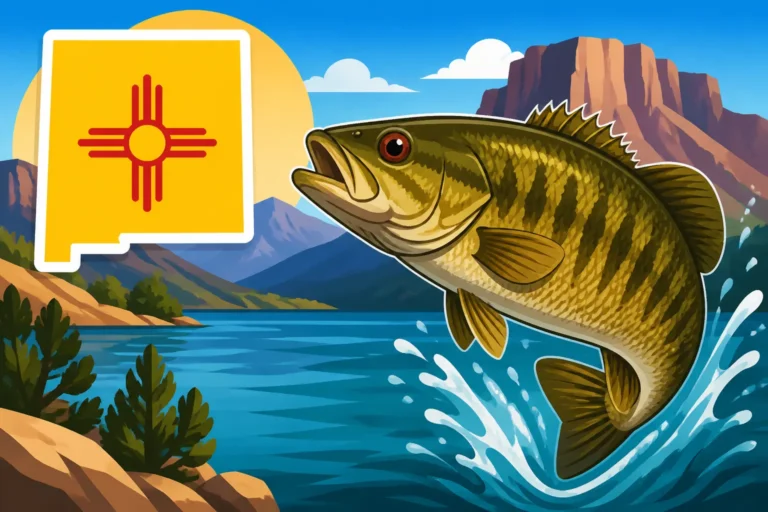
New Mexico boasts fantastic bass fishing, particularly for Largemouth and Smallmouth Bass. These fish are true predators, lurking in cover or patrolling rocky points, ready to ambush prey. Largemouth Bass, often found in warmer, vegetated lakes like Sumner Lake or Ute Lake, provide explosive topwater action and powerful fights. Smallmouth Bass, on the other hand, prefer cooler, rockier environments, such as those found at Abiquiu Lake, and are known for their tenacious, acrobatic battles.
Targeting bass requires a variety of techniques, from throwing crankbaits and spinnerbaits to working plastic worms and jigs. It's a game of strategy, reading the water, and understanding their feeding patterns. Many anglers find the challenge of consistently catching trophy bass to be incredibly rewarding. If you're looking to expand your tackle box for bass, Amazon has a wide selection of lures and soft plastics to try. You can learn more about specific bass species in Largemouth Bass Fishing in New Mexico and Smallmouth Bass Fishing in New Mexico.
Battling Striped Bass
For sheer power and size, it's hard to beat the Striped Bass found in Elephant Butte Lake. These ocean-going fish (landlocked in New Mexico's largest reservoir) are voracious predators that grow to impressive sizes, offering some of the most intense fights you'll experience. Stripers often hunt in schools, pushing baitfish to the surface or cornering them in open water, creating exciting boils and feeding frenzies that anglers live for.
Fishing for Striped Bass can involve trolling with large plugs, casting swimbaits, or even vertical jigging in deeper water. They are strong, hard-fighting fish that will test your gear and your stamina. Many anglers travel specifically to Elephant Butte for the chance to hook into one of these freshwater giants. Make sure your reel has a strong drag system and your line can handle the stress! Explore more about this exciting fishery in Striped Bass Fishing in New Mexico and Elephant Butte Lake Striped Bass Fishing.
The Elusive Walleye
Walleye, with their keen eyesight and preference for low-light conditions, are a highly sought-after game fish in New Mexico. Lakes like Conchas Lake, Ute Lake, and Clayton Lake are renowned for their walleye populations. These fish are delicious table fare and offer a challenging pursuit for anglers who enjoy finesse techniques. They often relate to underwater structure, points, and drop-offs, making them a puzzle to solve.
Jigging with soft plastics or blade baits, trolling with crankbaits, or drift-fishing with live bait are common and effective methods for catching walleye. Their subtle bite can be tricky to detect, adding to the allure and satisfaction of successfully landing one. Targeting walleye often means early mornings, late evenings, or even night fishing, adding another layer of adventure to the experience. For insights into one of the prime walleye destinations, check out Walleye at Conchas Lake.
Other Exciting Predatory Fish
Beyond these powerhouses, New Mexico also offers:
- Channel Catfish: Found in many warm water lakes and rivers, these bottom-dwelling predators can grow large and put up a surprisingly strong fight, especially at night. You can find more details in Catfish Fishing in New Mexico.
- Kokanee Salmon: While not as toothy as pike or muskie, these landlocked salmon in lakes like Navajo Lake and Heron Lake offer a unique trolling experience, especially during their fall spawning runs. Read about Kokanee Salmon Fishing in New Mexico for more information.
- Trout: Of course, our famous trout fisheries, from the San Juan River Quality Waters Section to high-mountain lakes, provide incredible angling. While not as large as a muskie or striper, a big brown or rainbow trout on light tackle can offer an exhilarating fight.
So, while Northern Pike may not call New Mexico home, the state provides an abundance of fantastic alternatives for those who love the thrill of catching powerful, predatory fish. Grab your gear, head out to our beautiful waters, and discover the diverse fishing adventures waiting for you!
Disclaimer
This article is for general informational purposes only and does not constitute professional advice. Laws, prices and regulations vary by location and change over time. Consult a qualified professional for guidance on your specific situation.