Difference Between Black and White Crappie
It's easy to look at a crappie, especially when you're out on the water, and think, "A crappie is a crappie, right?" But for those of us who spend our days chasing these delicious panfish across New Mexico's diverse waters, knowing the subtle yet significant differences between black crappie and white crappie can be a real game-changer. This guide will help you understand their unique characteristics, preferred habitats, and behaviors, so you can tailor your approach and improve your crappie fishing success.
The Distinctive Traits of Black Crappie
Black crappie, often admired for their spirited fight and delicious white meat, are a favorite target for many anglers throughout the Land of Enchantment. While they share a family resemblance with their white crappie cousins, a closer look reveals several key distinctions that help identify them and inform how we might best target them.
Physical Characteristics
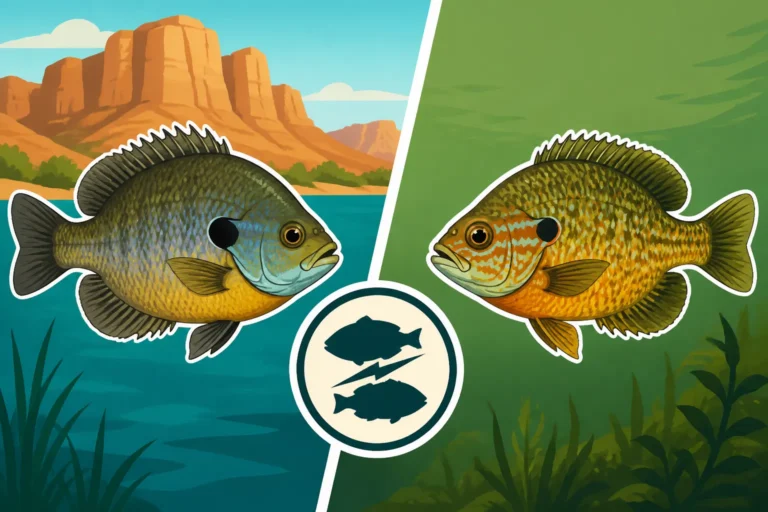
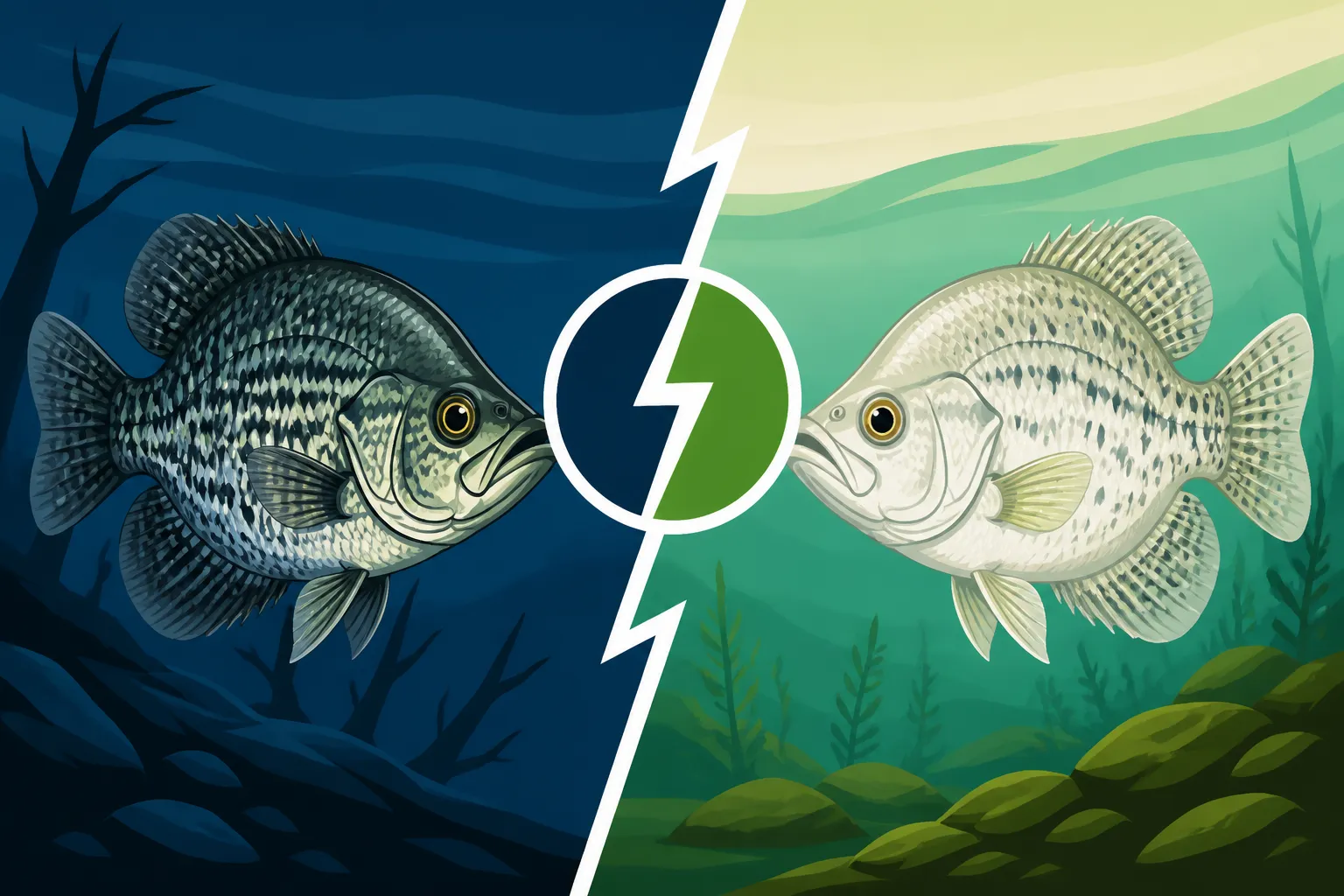
When you first pull a black crappie out of the water, the most striking feature you'll notice is their coloration and spotting. They typically have an irregular pattern of dark, almost black, spots scattered across their silvery-gold to olive-green bodies. Think of it like someone sprinkled a bunch of pepper flakes unevenly over the fish – it’s often referred to as a "peppered" appearance. These spots don't usually form distinct vertical bars like you might see on other panfish. Another crucial identifying feature lies in their dorsal fin. If you count the spines on a black crappie's dorsal fin, you'll almost always find seven or eight. This is a reliable physical marker that sets them apart.
Beyond the spots and fin count, take a moment to observe their body shape. Black crappie tend to have a more rounded, or "discoid," body profile compared to white crappie, making them appear a bit deeper from back to belly. Their mouth is also quite large, extending back under the eye, which is a common trait for predatory panfish. Understanding these subtle visual cues will make it much easier to confidently identify your catch, especially when you're trying to figure out if you've landed a black or a white crappie.
Habitat Preferences
Black crappie generally prefer cleaner, clearer water environments than their white crappie counterparts. They are often found lurking around submerged vegetation, brush piles, fallen trees, and docks. These structures provide them with excellent ambush points for feeding and crucial cover from predators. If you're fishing a New Mexico lake that has extensive weed beds or standing timber, you're likely in prime black crappie territory.
Consider lakes like Fenton Lake or even some of the clearer coves in larger reservoirs where aquatic plants thrive. Black crappie will hug these structures, especially during the warmer months, using them as both shelter and a cafeteria. They are less tolerant of turbidity (murky water) and prefer environments where they can see their prey clearly. This preference for structure and clear water guides how and where we should look for them.
Behavior and Feeding Habits
Black crappie are primarily insectivores and zooplankton eaters when they're young, transitioning to a diet that includes small baitfish, crustaceans, and larger insects as they grow. They are known for schooling, often forming tight groups around the structures they call home. This schooling behavior can be a boon for anglers; once you find one black crappie, you've often found a whole school!
They tend to be more active feeders in low light conditions, such as dawn, dusk, or on cloudy days, but can be caught throughout the day when they are holding tight to cover. Their preference for cover means they often require a more precise presentation, getting your lure or bait right into their hiding spots. They are generally less migratory than white crappie, tending to stay closer to their preferred structures throughout the seasons, making them a more predictable target once you locate their haunts.
Understanding White Crappie's Unique Qualities
White crappie, while also a highly sought-after game fish in New Mexico, present a different set of characteristics and challenges for anglers. Recognizing these differences allows us to adapt our techniques and increase our chances of a successful outing.
Physical Characteristics
The most reliable way to distinguish a white crappie from a black crappie visually is by observing the pattern on its sides. White crappie typically display distinct vertical bars or stripes that run down their flanks. These bars are usually more organized and noticeable than the scattered spots of a black crappie, almost looking like a zebra pattern, albeit often faded. This clear bar pattern is the first thing I look for when I'm trying to tell the two apart.
Just like with the black crappie, the dorsal fin offers another definitive clue. White crappie consistently have six dorsal spines. Count them carefully! This is a nearly foolproof method for identification. In terms of body shape, white crappie tend to be more elongated and slender compared to the deeper, more rounded body of a black crappie. Their profile is a bit more football-shaped. Their mouth, while still large, might appear slightly smaller or less pronounced than a black crappie's.
Habitat Preferences
White crappie are often found in larger, more open water bodies, and they show a greater tolerance for turbid or murky conditions. Think of the big New Mexico reservoirs with vast expanses of open water and less dense vegetation. While they still appreciate structure, such as submerged humps, deep points, and standing timber, they are more likely to roam open water in search of baitfish schools.
Lakes like Elephant Butte Lake, Conchas Lake, or Ute Lake, with their extensive open areas and often more turbid waters, are classic white crappie strongholds. They thrive in environments where large schools of baitfish, like shad, are abundant. This adaptability to less clear water conditions means they can inhabit a wider range of aquatic environments, especially those affected by runoff or wind. This often leads them to be more nomadic, following baitfish schools rather than staying tied to specific pieces of cover.
Behavior and Feeding Habits
White crappie are primarily piscivores, meaning they feed heavily on smaller fish, especially shad and minnows. This preference for baitfish dictates much of their behavior. They are expert ambush predators, often schooling in open water and then moving in to engulf unsuspecting prey. Their larger tolerance for turbidity makes them well-suited to chasing baitfish in waters where visibility might be lower.
Like black crappie, they are also schooling fish, and finding one can lead to a productive session. However, because they often roam open water, locating these schools can sometimes be more challenging, requiring anglers to cover more water or rely on electronics like fish finders. They tend to be more actively feeding during midday hours, especially during cooler water temperatures, but can be caught throughout the day. Their propensity to follow baitfish means they can move significant distances, sometimes requiring a more mobile fishing approach.
Key Differences for Anglers in New Mexico
Understanding the subtle nuances between black and white crappie isn't just an academic exercise; it has very real implications for how you approach your fishing in New Mexico. Knowing what you're targeting allows you to refine your tactics, choose the right gear, and ultimately, put more fish in the cooler.
Identifying Your Catch on the Water
The ability to quickly identify whether you've caught a black or white crappie is invaluable. As we've discussed, the number of dorsal spines (7-8 for black, 6 for white) is the most reliable scientific indicator. However, in the heat of the moment, or if you're practicing catch and release, quickly counting spines might not be practical.
This is where the visual patterns come in. Remember the "peppered" look for black crappie – irregular, dark spots that don't form distinct lines. For white crappie, look for those clear, often faded, vertical bars. Think of it as camouflage; black crappie blend into dense vegetation, while white crappie's patterns might offer some disguise in open, slightly stained water. If you're still unsure, a good fish identification guide, perhaps one you picked up from Amazon, can be a handy tool to keep in your tackle box.
Fishing Strategies for Each Species
Because black and white crappie have different habitat preferences and feeding habits, your fishing strategies should adjust accordingly.
For black crappie, focus on structure. Think tight to brush piles, fallen trees, docks, and submerged vegetation in clearer water. Techniques that allow for precise bait placement are key. Small jigs, mini-mites, or live minnows suspended under a bobber and dropped directly into cover are often highly effective. You might need to be stealthier, approaching these areas quietly to avoid spooking schools. Crappie jigs in darker colors or those mimicking insects often produce well. When you're fishing areas with dense cover, using a lighter line can sometimes help your lure fall more naturally, though you always need to balance that with the risk of break-offs in heavy brush.
When targeting white crappie, you'll often need to cover more open water, especially in large reservoirs. Trolling with multiple rods at different depths, spider rigging with jigs or minnows, or even using electronics to locate baitfish schools in open water are common and highly effective strategies. White crappie are often found suspended in the water column, following the food. Because they chase baitfish, lures that imitate small shad, like small crankbaits or silver-flashed jigs, can be very productive. Look for them around deep points, main lake humps, or channel edges. If you're not getting bites quickly, don't be afraid to move and search for the active schools. For specific locations, check out guides like How to Find Crappie in New Mexico Reservoirs.
Where to Find Them in New Mexico
New Mexico offers fantastic crappie fishing, and many of our lakes host both species, though one might be more dominant depending on the water body's characteristics.
Black crappie are often found in lakes with good vegetation and clearer waters. Think of places like Storrie Lake, some of the clearer coves at Navajo Lake, or even certain areas of the Rio Grande with slower, structured currents. Smaller, more contained ponds and lakes with abundant submerged cover can also be black crappie havens. Best Lakes for Black Crappie in New Mexico provides more specific information on these types of fisheries.
White crappie tend to dominate in our larger, often more turbid reservoirs. Elephant Butte Lake is a prime example, known for its extensive white crappie populations that thrive on the abundant shad. Conchas Lake and Ute Lake are also excellent white crappie fisheries. These are the places where anglers often employ trolling or spider rigging tactics to cover vast areas of open water. The key is to match your location and technique to the species you're most likely to encounter, though being prepared for both is always a good idea! For a broader overview of crappie fishing in the state, refer to Crappie Fishing in New Mexico.
Crappie Fishing Success Tips in New Mexico
No matter if you're chasing black or white crappie, a few general tips can significantly improve your fishing experience in New Mexico. These panfish are incredibly fun to catch and, let's be honest, absolutely delicious on the dinner table.
Gear Considerations
While specialized gear isn't always necessary, having the right setup can make a big difference. For crappie, light to ultralight spinning rods with sensitive tips are ideal. They allow you to feel those subtle bites that crappie are famous for. A 5 to 7-foot rod paired with a small spinning reel spooled with 4-6 lb test monofilament or fluorocarbon line is usually perfect. For those who prefer braided line, a similar strength with a fluorocarbon leader can offer increased sensitivity and casting distance.
When it comes to lures and bait, a variety is always best. Small jigs (1/32 to 1/16 ounce) in various colors (chartreuse, white, pink, black/chartreuse) are staples. Soft plastic bodies like tubes, grubs, and tiny paddle-tail swimbaits are incredibly effective. Don't forget live bait: small minnows are often irresistible to crappie, and many anglers wouldn't hit the water without them. You can find a vast array of these lures and baits, along with reviews, on platforms like Amazon if you're looking to stock up before your next trip. Consider exploring Best Lures for a New Mexico Tackle Box for more ideas.
Seasonal Movements and Best Times to Target Crappie
Crappie movements are heavily influenced by water temperature and spawning cycles. Understanding these patterns will put you ahead of the game.
Spring: This is prime time for crappie fishing in New Mexico. As water temperatures rise into the 50s and 60s (Fahrenheit), both black and white crappie move into shallow areas to spawn. Look for them around submerged brush, docks, and rocky shorelines in 2-10 feet of water. This is when they are most aggressive and easiest to locate. The fishing can be fast and furious! Check out Best Time to Catch Crappie in New Mexico for more seasonal insights.
Summer: As waters warm significantly, crappie tend to move deeper, seeking cooler temperatures and stable cover. They'll often suspend over deeper structure or along channel edges. This can be a challenging time for bank anglers, but boaters with electronics can find great success targeting suspended schools. Night fishing can also be highly productive in summer, as crappie move shallower to feed under artificial lights.
Fall: As water temperatures cool, crappie become very active again, aggressively feeding to build up reserves for winter. They often move back into shallower areas or relate to creek channels and main lake points where baitfish congregate. This can be another fantastic time to catch good numbers and sizes of crappie before the deep freeze sets in.
Winter: Crappie fishing in winter typically means targeting deeper water. They'll often hold in large schools near the bottom or suspend over deep channels and timber. Slow presentations with jigs or minnows are key. For those brave enough to venture out, ice fishing on lakes like Eagle Nest or Bluewater can offer unique opportunities to catch crappie through the ice, though black crappie are less common in these high-altitude lakes.
New Mexico Crappie Regulations
Before heading out, always double-check the current New Mexico Fishing Regulations Overview. While New Mexico generally has fairly generous limits for panfish, it's always wise to confirm the statewide bag and possession limits for crappie, as well as any special regulations that might apply to specific bodies of water. For example, some lakes might have length limits or reduced bag limits to protect the fishery. Responsible angling means knowing and following the rules.
| Feature / Species | Black Crappie | White Crappie |
|---|---|---|
| Dorsal Fin Spines | 7-8 Spines | 6 Spines |
| Body Pattern | Irregular dark spots (peppered look) | 5-9 distinct vertical bars |
| Body Shape | Deeper, more rounded/discoid | More elongated, slender |
| Preferred Water | Clearer, vegetated water | More tolerant of turbidity, open water |
| Habitat Focus | Dense cover (brush, weeds, docks) | Open water, deep points, main channels |
| Primary Diet | Insects, zooplankton, small baitfish | Primarily baitfish (e.g., shad) |
| Behavior | Often tied to specific structures | More nomadic, follows baitfish schools |
This table provides a quick reference for the main differences between black and white crappie. Keep it in mind next time you're on the water, and you'll be able to identify your catch and refine your approach with confidence!
Disclaimer
This article is for general informational purposes only and does not constitute professional advice. Laws, prices and regulations vary by location and change over time. Consult a qualified professional for guidance on your specific situation.