Difference Between Bluegill and Sunfish
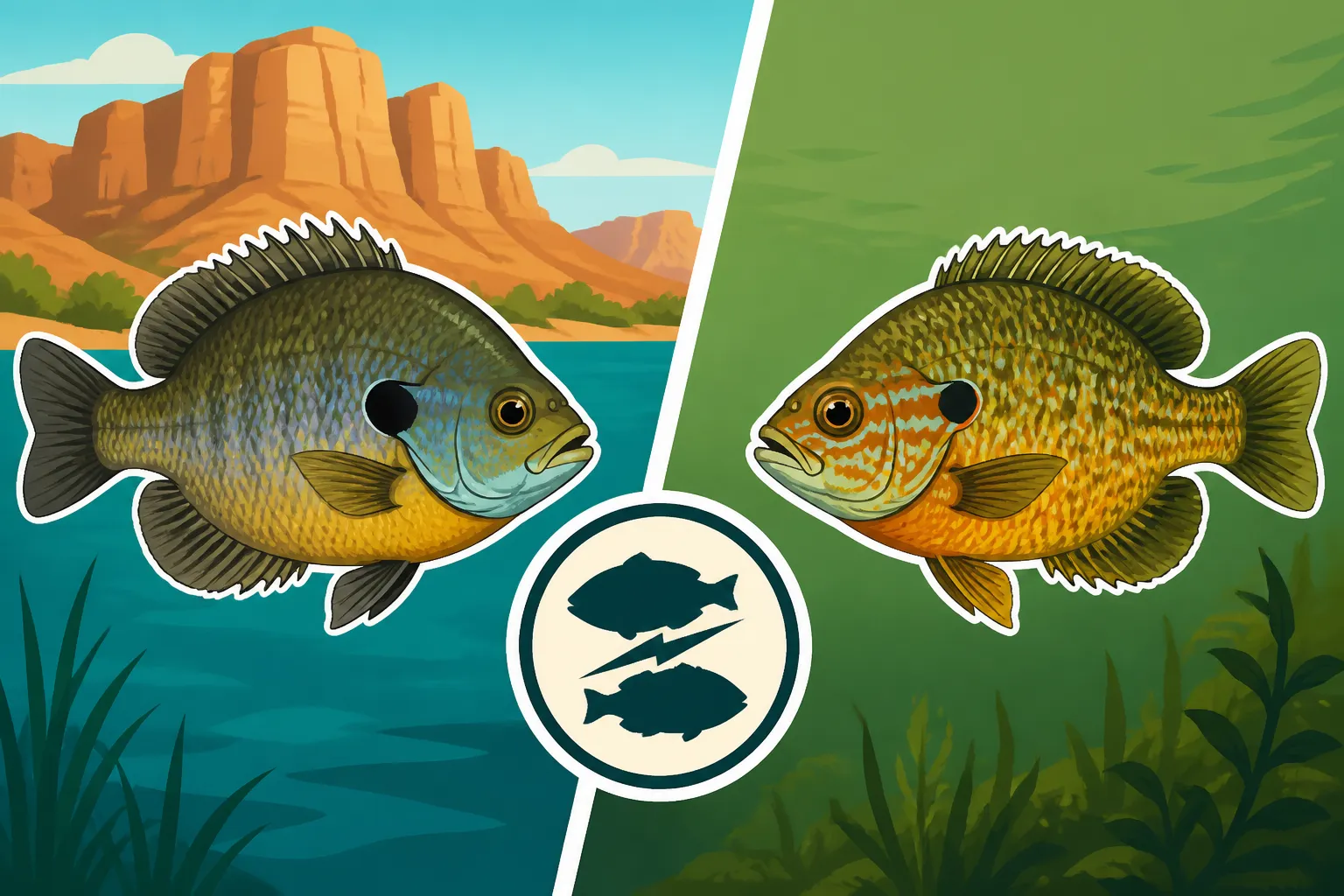
It's incredibly common to hear anglers, especially newer folks or those just getting into panfish, use "bluegill" and "sunfish" interchangeably. And honestly, it's easy to see why there's confusion! You're out on a beautiful New Mexico lake, catching these feisty, colorful little fish, and they all seem like "sunfish," right? But while every bluegill is indeed a sunfish, not every sunfish is a bluegill. Understanding the nuances can make a big difference in how you approach your fishing, what you expect to catch, and even how you adhere to regulations. This guide is all about untangling that delightful, sun-drenched mystery.
The Sunfish Family Tree: More Than Just Bluegill
When we talk about "sunfish" in a broader sense, we're really referring to a whole family of freshwater fish, scientifically known as Centrarchidae. This family is a fantastic group of fish, primarily found in North America, and they're celebrated for their vibrant colors, feisty attitudes, and, for many, their delicious taste. Think of it like this: your family name might be "Smith," but within the Smith family, there's Aunt Carol, Cousin Bob, and your Uncle Fred. They're all Smiths, but they're distinct individuals. The same goes for the sunfish family.
Understanding the Centrarchidae Family
The Centrarchidae family includes some of the most popular game fish in New Mexico and across the country. Besides the various true sunfish species, this family also encompasses all the black bass (largemouth, smallmouth, spotted bass), and even the crappie (both black and white). So, when someone says they caught a "sunfish," they might actually be referring to a bluegill, a green sunfish, a redear sunfish, or even a different member of the family entirely. Each of these species has its own unique characteristics, preferred habitats, and even culinary qualities, though many are excellent table fare. New Mexico's waters are rich with these species, providing endless opportunities for anglers of all skill levels. You can find out more about the variety of species in the state by checking out our guide on Fish Species Found in New Mexico.
Common New Mexico Sunfish Species Beyond Bluegill
While bluegill might be the most famous, New Mexico is home to several other noteworthy sunfish. Knowing these can help you better identify your catch and appreciate the diversity.
- Green Sunfish: These are often mistaken for bluegill, but they tend to have a larger mouth, a more robust body shape, and iridescent green or blue spots on their sides. Their gill flap often has a distinct orange or yellowish margin. They're also incredibly hardy and can tolerate murkier, warmer water than bluegill. You'll often find them in smaller ponds, slow-moving streams, and the edges of larger lakes. They're tenacious fighters for their size!
- Redear Sunfish (Shellcracker): Named for the distinctive red or orange margin on their gill flap (which is typically smaller and less pronounced than a bluegill's), redears have a more pointed snout and are known for their preference for eating snails and other mollusks. This gives them the "shellcracker" nickname. They often grow a bit larger than bluegill and can be a real treat to catch.
- Pumpkinseed Sunfish: Though less common in many parts of New Mexico compared to green or redear sunfish, pumpkinseeds are strikingly beautiful fish with intricate patterns of blue, green, and orange, and a prominent red or orange spot on the rear of their gill flap. They typically prefer clear, weedy waters.
- Warmouth: Sometimes confused with bass or even crappie due to their larger mouth and somewhat mottled appearance, Warmouth are another sunfish species. They have three anal spines (whereas bass and most other sunfish have more) and can be quite aggressive.
Each of these species contributes to the rich tapestry of Warm Water Game Fish in New Mexico that provides so many exciting angling opportunities.
Bluegill: The Quintessential Panfish
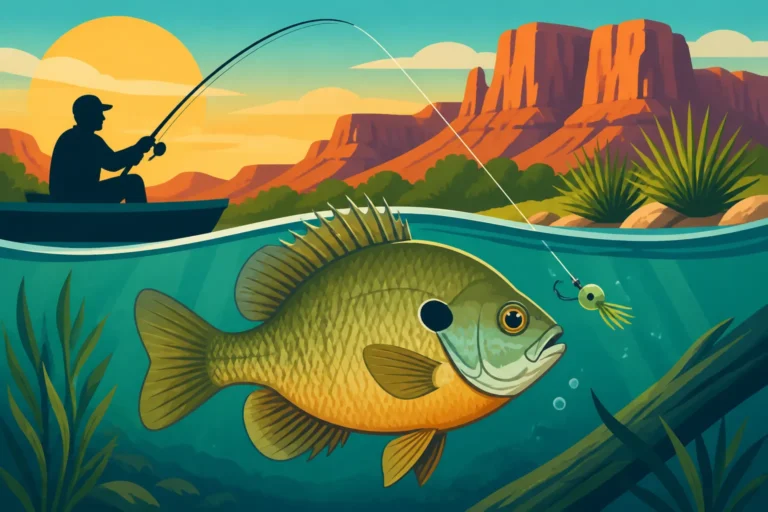
Now, let's talk about the bluegill, the undisputed champion of the panfish world for many anglers. Lepomis macrochirus is the scientific name for these beauties, and they truly are special. They are often the first fish many children catch, sparking a lifelong love for angling, and they remain a favorite for seasoned pros seeking a relaxing day on the water or some delicious fillets for dinner. Their abundance, willingness to bite, and strong fight for their size make them a joy to pursue.
Bluegill's Unique Charm and Angler Appeal
What makes the bluegill so captivating? Firstly, their coloration can be stunning. While their name suggests "blue," their flanks often shimmer with olive, yellow, and orange hues, especially in males during spawning season. They have several distinct vertical bars on their sides, though these can fade or intensify depending on water clarity and mood. Their small mouth and compact, disc-shaped body are also key identifiers. But beyond their looks, it's their personality that truly shines. Bluegill are curious and relatively easy to catch, often schooling in large numbers, which makes for fast-paced action. They're a fantastic entry point for beginners and a reliable source of fun for anyone. For anyone looking for the Easiest Fish to Catch in New Mexico for Beginners, bluegill are usually at the top of the list.
Where Bluegill Thrive in New Mexico
Bluegill are incredibly adaptable and can be found in a wide variety of waters across New Mexico. They prefer clear, warm, vegetated waters in lakes, ponds, and slow-moving rivers. Look for them around submerged structure like logs, docks, weed beds, and lily pads, especially in shallower areas. They're particularly fond of calm coves and protected inlets. In many of New Mexico's larger reservoirs, like Elephant Butte Lake or Navajo Lake, you'll find healthy populations. They also do incredibly well in smaller community ponds and state park lakes that are frequently stocked. Understanding their preferred habitat will greatly improve your success. For specific locations, you might want to read Where to Catch Bluegill in New Mexico.
Distinguishing Features: Bluegill vs. Other Sunfish
Okay, so we know all bluegill are sunfish, but how do you tell a bluegill from a green sunfish, redear, or pumpkinseed when you pull one out of the water? It comes down to a few key physical and behavioral cues. Getting this right isn't just for bragging rights; it can sometimes be important for following regulations like New Mexico Statewide Bag Limit for Crappie and Sunfish.
Physical Markings: What to Look For
This is where the detective work begins! Here's a quick breakdown of the most reliable visual cues:
- Gill Flap (Opercular Flap): This is often the easiest and most consistent identifier.
- Bluegill: Their gill flap has a distinct, solid black "ear flap" that looks like a small, rounded ear. It's flexible and entirely black or dark blue right to the edge, with no colored margin.
- Green Sunfish: Their gill flap is typically shorter and stiffer, with a pronounced orange or yellowish margin along the back edge.
- Redear Sunfish: As their name suggests, they have a bright red or orange spot (sometimes just a crescent) on the posterior edge of their gill flap. Their gill flap itself is often quite small.
- Pumpkinseed Sunfish: These also have a bright red or orange spot, similar to the redear, but their bodies are much more ornate with wavy blue lines and speckles.
- Mouth Size:
- Bluegill: They have a very small mouth that typically doesn't extend past the front of their eye. This is why tiny hooks and baits work so well for them.
- Green Sunfish: They have a noticeably larger mouth that often extends back to the middle of the eye, sometimes even further.
- Body Shape and Coloration:
- Bluegill: Generally a more rounded, compact, and thinner "disc" shape. They often have 6-8 faint vertical bars on their sides. Their primary colors are olive green to brownish on the back, fading to yellowish or white on the belly, with splashes of iridescent blues and oranges, especially on the operculum and chin.
- Green Sunfish: A bit more elongated and robust than a bluegill, almost football-shaped in some cases. They lack distinct vertical bars but often have irregular green-blue spots or streaks.
- Redear Sunfish: Similar in shape to a bluegill but can appear a bit thicker or deeper-bodied. They usually have a somewhat pointed snout.
- Pumpkinseed Sunfish: More colorful and flatter than bluegill, with a unique mosaic of blue, green, orange, and yellow patterns.
For easy reference, here's a table summarizing the key visual differences:
| Feature | Bluegill (Lepomis macrochirus) | Green Sunfish (Lepomis cyanellus) | Redear Sunfish (Lepomis microlophus) |
|---|---|---|---|
| Gill Flap | Solid black/dark, rounded, flexible, no colored margin | Shorter, stiffer, with orange/yellowish margin | Small, stiff, with distinct red/orange spot (the "ear") |
| Mouth Size | Small, rarely extends past front of eye | Large, extends to middle or past eye | Medium, doesn't extend past front of eye |
| Body Shape | Rounded, disc-like, compressed (thin) | More elongated, robust, less compressed | Similar to bluegill, but often deeper-bodied, slightly pointed snout |
| Coloration | Olive/blue-green back, yellow belly, 6-8 faint vertical bars | Olive-green, iridescent spots, no strong bars, yellowish belly | Olive/gold, silvery belly, often mottled, no vertical bars |
| Habitat Incl. | Clear, vegetated lakes/ponds, slow rivers | Tolerates turbid/muddy water, ditches, small streams | Clear, vegetated lakes/ponds, eats snails |
Behavioral Differences and Habitat Preferences
Fish behavior can also offer clues. While there's overlap, certain tendencies can point you towards a specific species. Bluegill, for example, are famously found in dense schools, especially during spawning season, and they love to cruise the edges of weed beds and submerged structures. They're often less wary in high-pressure areas. You can find many useful pieces of equipment for targeting bluegill on Amazon, from small bobbers to tiny jigs.
Green sunfish, on the other hand, while also structure-oriented, can be more solitary or found in smaller groups. They're often more aggressive, even territorial, and will hit lures or bait that a bluegill might ignore due to its size. They also tend to prefer slightly shallower, often muddier, and less pristine water. They're not as picky about water quality as bluegill, which is why you find them in a wider range of smaller, less-manicured waters.
Redear sunfish are often found deeper, closer to the bottom, especially when foraging for snails. They won't typically school as tightly or visibly as bluegill, and while they'll take worms or crickets, they might be a bit more finicky.
Size and Growth Patterns
Generally speaking, bluegill are known for their consistent but modest size. A "trophy" bluegill might be in the 1-pound range, and many common catches are half that size or less. They grow relatively slowly but can live for a good number of years. You'll catch plenty of small ones, which are perfect for teaching kids. If you're planning a family outing, consider looking at Best Lakes for Family Fishing Trips in New Mexico and remember that the Best Way to Catch Bluegill With Kids often involves simple techniques and small baits.
Green sunfish tend to have a wider range in size. While many are small, they can sometimes grow larger than bluegill, especially in ideal conditions, due to their more aggressive feeding habits. Redear sunfish also have the potential to grow quite a bit larger than bluegill, often reaching sizes that make them a truly impressive panfish catch. A big redear can feel like pulling in a dinner plate! This difference in potential size can be a driving factor for anglers targeting specific sunfish species.
Why Does Species Identification Matter to Anglers?
Beyond the sheer joy of knowing what you've caught, understanding the difference between bluegill and other sunfish has practical implications for every angler. It impacts how you fish, where you fish, and what you can legally keep.
Bag Limits and Regulations
This is a big one. While many sunfish species often fall under general panfish regulations in New Mexico, there can sometimes be specific rules for certain species or within particular waters. For instance, some waters might have different slot limits or bag limits that differentiate between "sunfish" generically and specific types like bluegill. While often grouped under a generous "panfish" category, it's always critical to consult the most current New Mexico Fishing Regulations Overview before you hit the water. It's rare for bluegill to have unique limits separate from other sunfish, but regional variations or special conservation efforts could change that. Knowing your species ensures you're always fishing responsibly and legally. For instance, you might find that certain species like bluegill are among the Fish You Can Keep Without a Limit in New Mexico in some situations due to their abundance.
Targeting Specific Species for Better Fishing
Knowing the specific habits and preferred habitats of different sunfish allows you to become a more effective and successful angler. If you're looking for that chunky redear that fights like a sumo wrestler, you'll want to focus on deeper, clearer water with good bottom structure, perhaps using worms or even small jigs. If you're trying to put a pile of smaller, eager bluegill in the cooler for a fish fry, you'll likely target shallow, weedy areas with small hooks, bits of worm, or micro-jigs. Understanding these preferences helps you choose the right bait, the right location, and even the right time of day. You can find a vast array of tackle and gear, from ultralight rods to small lures, on Amazon that will help you target specific species. Having the right What Gear Beginners Need to Start Fishing in New Mexico is crucial, and a good Best All-Around Combo for a First New Mexico Fishing Trip can cover a lot of bases.
Ultimately, whether you're chasing the vibrant bluegill, the hardy green sunfish, or the shell-cracking redear, the world of New Mexico sunfish offers endless enjoyment. Learning to distinguish them adds another layer of appreciation to every catch and makes you a more knowledgeable and confident angler.
Disclaimer
This article is for general informational purposes only and does not constitute professional advice. Laws, prices and regulations vary by location and change over time. Consult a qualified professional for guidance on your specific situation.