Bluegill Fishing in New Mexico
Oh, the humble bluegill! So often overlooked, yet they offer some of the most consistent, exciting, and frankly, joyful fishing experiences you can have, especially here in New Mexico. If you've ever felt intimidated by chasing trophy trout or elusive bass, or you just want a reliable tug on your line, bluegill are your ticket to a fantastic day. This guide is all about helping you unlock the secrets to finding and catching these feisty panfish across our diverse New Mexico waters, whether you're introducing a youngster to the sport or just looking for some relaxing action yourself.
The Underrated Joy of Bluegill Fishing in New Mexico
Let's be honest, when most people think about fishing in New Mexico, their minds often drift to the legendary trout of the San Juan River or the massive striped bass of Elephant Butte. But to ignore the bluegill is to miss out on a truly delightful part of our angling scene. These small but mighty fish are abundant, eager to bite, and put up a surprisingly spirited fight on light tackle. They're also an absolutely perfect gateway fish for new anglers and a fantastic way to spend a laid-back afternoon on the water.
Identifying Bluegill: Beyond Just a "Sunfish"
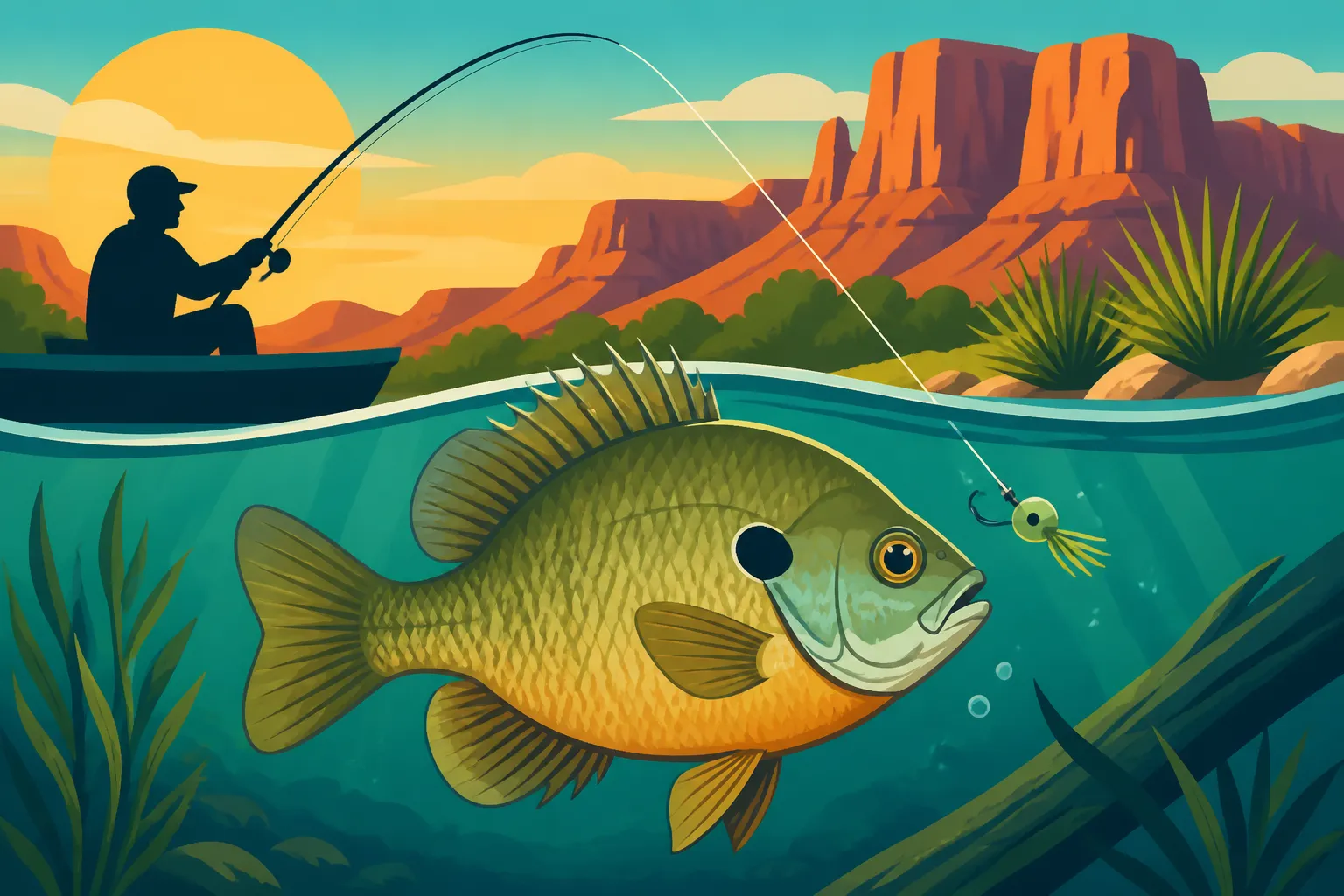
Bluegill (scientifically Lepomis macrochirus) are a type of sunfish, but they have distinct features that set them apart from their cousins like green sunfish or redear sunfish. When you reel one in, you'll typically notice a small mouth, a deep, compressed body, and a prominent dark spot on the rear edge of their gill flap. Their coloration can vary quite a bit depending on the water clarity and diet, ranging from olive green to dark blue on their backs, with lighter sides often displaying vertical bars and a yellowish or orange belly, especially in males during spawning season.
While they might not reach the size of a lunker bass, a healthy bluegill in New Mexico can grow to be 8-10 inches, sometimes even larger in well-fed impoundments, offering a solid fight. They're often confused with other sunfish because of their similar body shape, but that distinct "ear flap" spot and smaller mouth are usually the giveaways. Understanding these subtle differences can help you refine your techniques and ensure you're targeting the right species.
Bluegill's Role in New Mexico's Ecosystems
Bluegill are more than just a fun catch; they play a crucial role in the aquatic ecosystems across New Mexico. As prolific breeders, they form a vital link in the food chain, serving as a primary forage species for larger predatory fish like largemouth bass, walleye, and even some catfish. Without a healthy population of bluegill, these larger game fish would struggle to thrive.
Their presence also often indicates a relatively healthy aquatic environment, particularly in terms of water quality and habitat availability. They prefer waters with plenty of aquatic vegetation, submerged timber, or other forms of cover, which helps oxygenate the water and provides shelter for a diverse range of organisms. This adaptability allows them to flourish in everything from large reservoirs to small farm ponds, making them a cornerstone of many New Mexico fisheries.
Where the Bluegill Hide: Top Spots in New Mexico
One of the beautiful things about bluegill fishing is that you don't necessarily need to embark on an epic journey to a remote mountain lake. These versatile panfish are found in a remarkable variety of waters throughout New Mexico, from our largest impoundments to quiet community ponds. Knowing their preferred habitats is key to success.
Prime Lakes and Reservoirs for Bluegill
New Mexico's larger lakes and reservoirs often hold thriving populations of bluegill, offering fantastic opportunities for anglers. Think about places like Elephant Butte Lake, Navajo Lake, and Conchas Lake. These vast bodies of water provide ample shallow bays, coves, and submerged structures where bluegill love to congregate.
When you're exploring these larger waters, focus your efforts on areas with emergent vegetation (like cattails or lily pads), submerged brush piles, fallen trees, or docks. Bluegill are highly attracted to cover, as it provides both shelter from predators and a ready source of food. They'll often school up in these locations, making it possible to catch several fish from a single spot once you find a good one. If you're planning a trip to one of these larger waters, you might find it helpful to consult a New Mexico Fishing Season Calendar to understand general activity patterns.
Smaller Ponds and Community Waters
For many, the most accessible and often most productive bluegill fishing happens in smaller ponds and community waters. Places like the numerous urban ponds in Albuquerque, Santa Fe, or Las Cruces, often managed by the New Mexico Department of Game and Fish, are routinely stocked and maintained. These waters are ideal for a casual outing, especially if you're bringing kids or just want to try a new spot without a long drive. If you're in the Albuquerque area, exploring Fishing Ponds Near Albuquerque for Kids is a great starting point, as these waters are frequently excellent for bluegill.
In these smaller settings, bluegill will hug structures even more tightly. Look for areas around boat ramps, fishing piers, culverts, bridge pilings, or any visible underwater cover. Overhanging trees that drop insects onto the water's surface can also be hot spots. The accessibility of these smaller waters makes bluegill fishing a perfect choice for families or anyone looking for consistent action without the need for specialized equipment or extensive travel.
River Backwaters and Slow-Moving Channels
While bluegill generally prefer the calmer waters of lakes and ponds, you can certainly find them in river systems, particularly in the slower-moving backwaters, oxbows, and side channels of rivers like the Rio Grande or Pecos. These areas provide the slack water and cover that bluegill seek, away from the stronger currents of the main river channel.
Fishing these riverine spots requires a bit more exploration. Look for eddies behind large rocks or logs, quiet pools off the main flow, or sections where the river widens and slows down, allowing vegetation to take root. They might not be as concentrated as in a prime lake cove, but catching a river bluegill can be a rewarding experience, showcasing their adaptability to different aquatic environments.
Gearing Up for Bluegill: Simplicity is Key
One of the most appealing aspects of bluegill fishing is that you don't need a boatload of expensive, highly specialized gear. In fact, keeping it simple often yields the best results. The beauty of bluegill fishing lies in the fight they offer on light tackle, transforming a modest fish into a tenacious adversary.
Rods, Reels, and Line for Light Tackle Fun
For bluegill, an ultra-light spinning rod and reel combo is absolutely perfect. A rod between 4.5 and 6 feet in length, with a fast action tip, will give you enough sensitivity to detect those subtle nibbles and enough backbone to manage a feisty bluegill. Paired with a small spinning reel (size 500-1000) spooled with 4-pound test monofilament line, you'll feel every head shake and dart. This setup is incredibly fun and maximizes the sporting aspect of catching these smaller fish. You can find excellent, affordable ultra-light combos on general online retailers like Amazon, often bundled as a beginner kit.
Using lighter line is crucial because it allows your small baits and lures to present more naturally in the water, which can make all the difference, especially on clear, calm days. Plus, the reduced line visibility can entice more wary bluegill to strike. For a broader perspective on general fishing setups, you might want to check out Best Fishing Gear for New Mexico Anglers.
The Essential Bluegill Tackle Box
Your bluegill tackle box should be a testament to minimalism. You don't need much, but what you have should be effective. Here's what I always recommend:
- Hooks: Small is the name of the game. Aberdeen hooks in sizes #8 to #12 are perfect. Their thin wire makes them less likely to gut-hook a small fish, and they bend out easily if snagged.
- Sinkers: A small assortment of split-shot weights (sizes BB to 3/0) will cover most situations. You'll use these to get your bait down to the desired depth.
- Bobbers: Both clip-on bobbers and slip bobbers have their place. Clip-on bobbers are easy for kids and quick depth changes in shallow water. Slip bobbers, however, allow you to fish deeper water with a light setup, as the bobber slides up the line until it hits a small stopper knot. This lets you cast smaller baits without excessive weight.
- Swivels (optional but handy): Tiny barrel swivels can help prevent line twist, especially if you're using small spinners or fishing in current.
You can assemble a great basic tackle kit with items easily found at local sporting goods stores or through online retailers like Amazon. Having a well-organized, compact tackle box specifically for your panfish adventures makes the experience even more enjoyable.
Bait and Lure Choices That Bluegill Can't Resist
Bluegill are not picky eaters, which is a huge part of their appeal. They're opportunistic feeders, and a wide variety of natural and artificial presentations will tempt them.
For natural baits, you can't go wrong with:
- Worms: Red wigglers (compost worms) or small pieces of nightcrawlers are bluegill magnets. They're readily available and stay on the hook well.
- Crickets and Grasshoppers: Especially effective in summer, these terrestrial insects are a natural food source for bluegill, especially near shorelines with overhanging vegetation.
- Mealworms and Waxworms: These live baits are fantastic, stay lively, and are perfect for smaller hooks. You can often find them in pet stores or bait shops.
- Corn and Bread: Believe it or not, kernels of corn or small balls of bread can be incredibly effective, especially in heavily fished community ponds where bluegill are conditioned to human offerings.
When it comes to artificial lures, think small and subtle:
- Tiny Jigs: Jigs weighing 1/64 to 1/32 ounce are absolute bluegill killers. Tipped with a small piece of worm or a soft plastic grub, they mimic insects or small baitfish. Popular colors include chartreuse, white, black, and pumpkinseed.
- Micro-Spinners: Small inline spinners with a single blade, like Rooster Tails or Mepps, can be very effective, especially when bluegill are actively feeding. Again, keep the size down.
- Small Spoons: Tiny casting spoons, less than an inch long, can also tempt aggressive bluegill with their flash and wobble.
Experimentation is key, but with a basic selection of these baits and lures, you'll be well-equipped to catch bluegill in any New Mexico water.
Master the Catch: Techniques for New Mexico Bluegill
Catching bluegill isn't rocket science, but understanding a few key techniques can significantly increase your success and enjoyment. Whether you prefer a classic approach or a more active method, there's a bluegill technique for you.
The Classic Bobber and Bait Approach
This is probably the most iconic and simplest way to catch bluegill, making it ideal for beginners and a nostalgic favorite for seasoned anglers. The setup is straightforward: a small hook, a few split-shot weights just above it to sink the bait, and a bobber set at a depth that places your bait near cover or the bottom.
To execute this, cast your bobber and bait combination near visible cover – think lily pads, submerged logs, the shady side of a dock, or overhanging trees. Pay attention to how deep the cover is and adjust your bobber stopper accordingly. Bluegill will often suspend at various depths, so don't be afraid to experiment. When the bobber dips, twitches, or gets pulled under, set the hook with a gentle but firm upward sweep of your rod. Patience is a virtue here, as bluegill can be notorious nibblers before committing to the full bite. If you're looking for a detailed beginner's guide, How to Fish a Bobber and Worm Setup for Beginners will walk you through it.
Jigging and Micro-Lure Strategies
For a more active and engaging form of bluegill fishing, jigging with tiny jigs or slowly retrieving micro-lures can be incredibly effective. This method allows you to cover more water and actively search for fish.
When using small jigs (often tipped with a bit of live bait or a micro-grub), cast them close to cover and let them sink slowly. As the jig descends, watch your line for any twitch or pause – that's often a bite. Once it reaches the desired depth, use a subtle retrieve: a series of small twitches, lifts, and pauses, mimicking a struggling insect or small baitfish. You can also fish these jigs vertically under a boat or from a pier, simply raising and lowering them with small motions. Micro-spinners should be reeled in slowly and steadily, just fast enough to get the blade spinning. The flash and vibration are often irresistible to hungry bluegill.
Fly Fishing for Bluegill: An Engaging Challenge
For those who enjoy the finesse and skill of fly fishing, bluegill offer a fantastic target. While often associated with trout, fly fishing for bluegill is an incredibly rewarding experience, especially when they are actively feeding on the surface.
A light fly rod (2-weight to 4-weight) is perfect for bluegill, allowing you to cast small, delicate flies. In warmer months, small topwater poppers or foam spiders can create explosive surface strikes. Cast these near cover and let them sit, occasionally giving a slight twitch. Below the surface, small wet flies, nymphs (like a Copper John or a small pheasant tail), or even a tiny San Juan Worm can be deadly. Bluegill typically respond well to slower retrieves with these subsurface patterns. Fly fishing for bluegill not only hones your casting skills but also provides an intimate connection with the fish, making every catch feel like a trophy.
Timing Your Bluegill Adventure: Seasons and Conditions
While bluegill are generally cooperative, understanding their seasonal and daily patterns, as well as how weather influences them, can make a good fishing trip great. Knowing when and where they're most active can turn a few bites into a full stringer.
Best Seasons for Bluegill Activity
Bluegill are active throughout the year in New Mexico, but certain seasons stand out for prime fishing.
- Spring: This is arguably the best time to target bluegill. As water temperatures rise, they become incredibly active, moving into shallower waters to feed aggressively in preparation for spawning. Once spawning begins, typically late spring to early summer, males will fan out beds in shallow, sandy, or gravelly areas. These beds are often clustered together, making them easy to find, and the males guarding them will strike almost anything that comes near.
- Summer: Bluegill remain active in summer, but as temperatures climb, they often move to slightly deeper, cooler water during the brightest parts of the day. You'll find them holding tightly to submerged structure, weed beds, or in the shade of docks and trees. Early mornings and late evenings are typically the most productive times, as they move back into shallower feeding areas.
- Fall: As the weather cools, bluegill continue to feed heavily, fattening up for winter. They often remain in similar areas to summer, but might be less concentrated. This can be a fantastic time for consistent action, as they're still eager to bite and the fishing pressure often drops.
- Winter: Even in winter, bluegill can be caught. In areas where lakes freeze over, they become a popular target for Ice Fishing in New Mexico. They'll move to deeper basin areas or suspend near structure. Ice fishing tactics involve small jigs tipped with bait, fished vertically. In unfrozen waters, they'll be slower but can still be enticed with a subtle bait presentation.
Daily Patterns and Weather Impacts
Like many fish, bluegill have distinct daily patterns influenced by light and temperature.
- Early Morning and Late Evening: These are typically the peak feeding times, especially during warmer months. The lower light levels and cooler temperatures make bluegill feel more secure moving into shallower areas to forage.
- Overcast Days vs. Bright Sun: Overcast days often mean bluegill are more willing to venture out from heavy cover and feed throughout the day. Bright, sunny conditions, especially in summer, tend to push them deeper or tighter into shade and cover.
- Post-Front Conditions: After a strong cold front passes, fishing can slow down significantly for all species, including bluegill. The sudden drop in temperature and stable, high-pressure system can make them lethargic and less willing to bite. Give the fish a day or two to adjust, or try more subtle presentations in deeper water.
Understanding these factors will help you plan your fishing trips more effectively, putting you on the water when the bluegill are most likely to cooperate.
Responsible Bluegill Angling: Limits and Conservation
Bluegill are resilient, but responsible angling practices ensure that future generations can enjoy the same fantastic fishing experiences we do today. This involves understanding and adhering to regulations and practicing ethical catch-and-release when appropriate. If you're new to fishing in the state, a good starting point is the New Mexico Fishing License Guide.
New Mexico's Bluegill Regulations and Bag Limits
Bluegill fall under the general "sunfish" category in New Mexico's fishing regulations. While they are often abundant and bag limits are typically generous, it's absolutely crucial to consult the most current New Mexico Fishing Regulations Overview before you head out. These regulations can change, and specific water bodies might have unique rules. Generally, panfish (which includes bluegill, crappie, and other sunfish) often have a combined bag limit, meaning you can keep a certain number of any combination of these species.
For example, New Mexico Statewide Bag Limit for Crappie and Sunfish often covers bluegill. It’s always your responsibility to know the rules for the specific lake, river, or pond you are fishing. Ignoring these rules can lead to fines and negatively impact fish populations. Always carry a copy of the regulations (or have it accessible on your phone) and double-check before harvesting any fish.
Practicing Catch and Release for Future Generations
While bluegill are delicious table fare, practicing catch and release, especially for larger specimens, helps maintain healthy populations and ensures larger fish remain in the system for breeding. Deciding when to keep and when to release is a personal choice, but here are some guidelines:
- Keep what you will eat: Only harvest fish that you plan to consume. Bluegill freeze well and are fantastic fried.
- Release larger fish: The biggest bluegill are often the most prolific breeders. Releasing them back into the water helps maintain strong genetics and ensures more fish for the future.
- Handle with care: If you plan to release a fish, handle it as little as possible. Wet your hands before touching it to protect its slime coat, which is vital for disease prevention.
- Use appropriate gear: Using barbless hooks, or crimping down the barbs on your hooks, makes release much easier and less traumatic for the fish. A rubberized landing net is also much gentler on their scales and fins than a nylon net.
- Quick release: Get the fish back into the water as quickly as possible. If a fish seems stressed, hold it gently in the water, facing into a slight current, until it regains its strength and swims away on its own.
By being mindful of regulations and practicing responsible angling, you're contributing to the health and sustainability of New Mexico's bluegill fisheries for everyone to enjoy.
So there you have it, fellow anglers! Bluegill fishing in New Mexico offers an accessible, fun, and often very rewarding experience, whether you're a seasoned pro looking for some light tackle action or introducing a brand new angler to the magic of the tug on the line. From the expansive waters of Elephant Butte to the quiet urban ponds, bluegill are out there, waiting to put a smile on your face. Grab some worms, tie on a tiny jig, and go experience the joy of the humble, yet feisty, New Mexico bluegill.
Disclaimer
This article is for general informational purposes only and does not constitute professional advice. Laws, prices and regulations vary by location and change over time. Consult a qualified professional for guidance on your specific situation.