How Wind Affects Fishing at Elephant Butte Lake
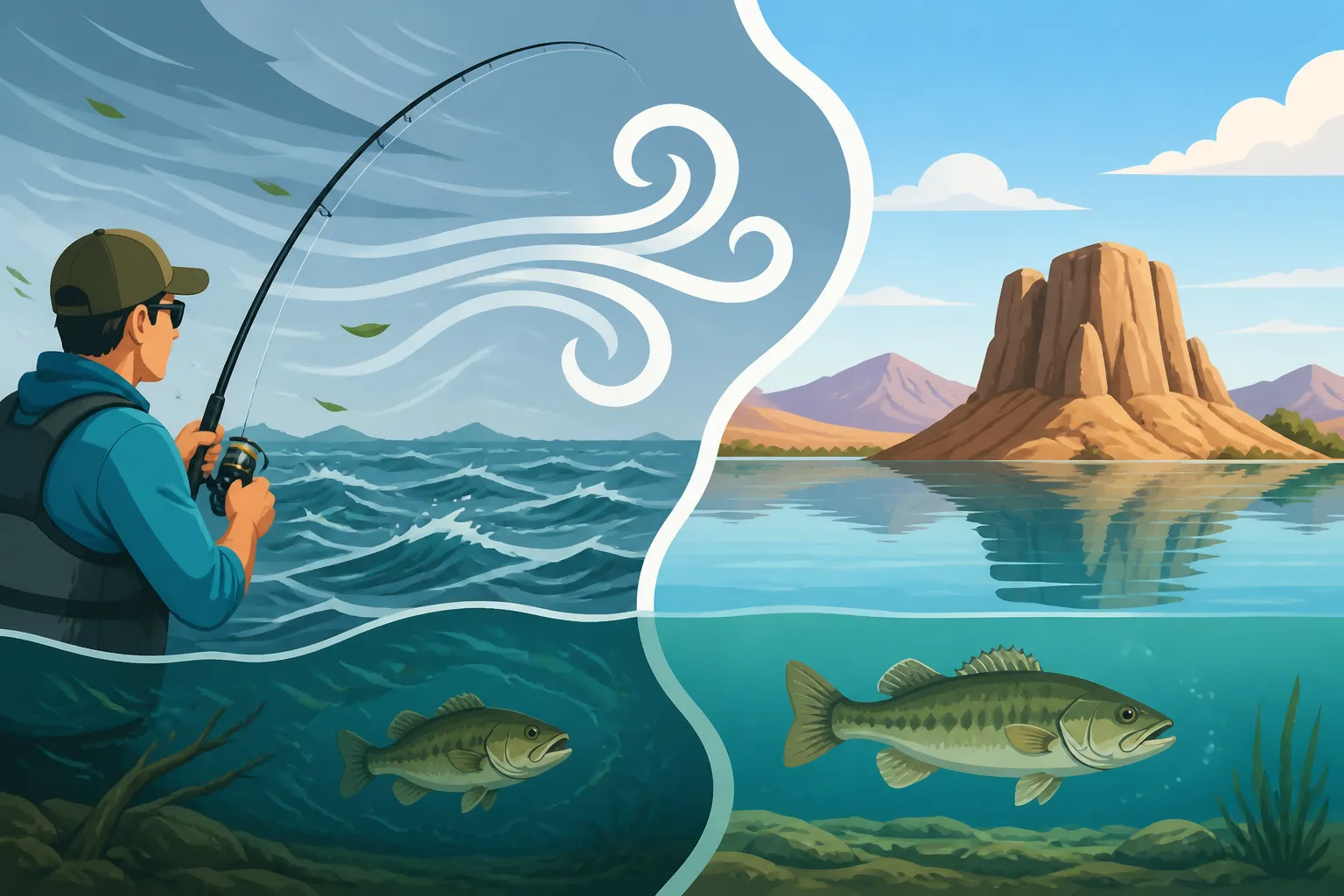
Oh, the wind at Elephant Butte Lake! If you've spent any time on that magnificent body of water, you know the struggle. One minute it's glassy and calm, the next you're fighting whitecaps and wondering if your fishing trip just turned into an unplanned kayaking adventure. It's more than just a nuisance; it dramatically changes everything about how you fish, from where the fish are hiding to what gear you can even effectively use. This guide will dive deep into how that notorious New Mexico wind impacts your day, helping you strategize and stay safe so you can still reel in those beauties.
The Frustrating Reality of Wind at Elephant Butte Lake
Let's be real, the wind at Elephant Butte can be a real game-changer, and not always in a good way. It's not just a gentle breeze; we're talking about gusts that can whip up quickly, turning a calm morning into a choppy, challenging afternoon. Many anglers, myself included, have had trips cut short or plans completely upended because of unexpected wind. It’s part of the Elephant Butte experience, but knowing how to anticipate and react to it is crucial.
Understanding Wind's Impact on the Lake's Surface
When the wind starts to really pick up on Elephant Butte, the first thing you notice is the surface chop. What might start as small ripples can quickly evolve into significant waves, especially on a lake of this size. These waves aren't just cosmetic; they disrupt the water column, create strong currents, and make boat control a genuine challenge. Imagine trying to hold your position over a promising drop-off while your boat is being pushed around like a toy—it's incredibly frustrating and takes a lot of effort just to stay put. This surface disturbance also affects light penetration, changing how fish perceive their environment and how visible your lure might be.
Beyond the immediate visual, consistent strong winds can actually create currents within the lake that aren't immediately obvious from the surface. These currents can sweep baitfish, plankton, and even larger debris across vast expanses of the lake. Knowing that the wind doesn't just push your boat, but also influences the underwater movement of everything fish care about, is a key piece of the puzzle. It's a dynamic environment, and understanding these underlying forces helps you predict where fish might gather.
How Wind Affects Water Clarity and Temperature
Wind doesn't just churn the surface; it has a profound effect on the water itself. One of the most significant impacts is on water clarity. When strong winds blow across the lake, especially shallower areas or those with soft bottoms, they stir up sediment. This can turn clear, inviting water into murky, muddy conditions in a hurry. For species that rely on sight to feed, like many bass, this decrease in clarity can make them harder to catch with visual lures. However, for fish that hunt by scent or vibration, like catfish, a little turbidity can actually improve your chances.
Temperature is another factor that wind subtly influences. Consistent strong winds, particularly if they've been blowing from a cooler direction, can cool down the surface water. This cooler surface water then mixes with deeper layers, potentially creating thermoclines or disrupting existing ones. Fish are highly sensitive to temperature changes, and even a few degrees can cause them to move to more comfortable depths or areas of the lake. Conversely, a warm wind can help raise surface temperatures, sometimes kickstarting activity, especially in cooler months. It's a delicate balance, and the wind plays a major role in how that balance shifts across the lake.
Wind's Influence on Fish Behavior and Location
You might think that fish don't care about the wind, being underwater and all, but nothing could be further from the truth. The wind directly impacts their comfort, feeding patterns, and where they choose to hang out. Ignoring the wind's influence on fish behavior is like trying to guess where the wind-blown leaves will land without looking at the direction of the gust.
Where Fish Go When the Wind Blows
When the wind really starts to howl, fish don't just sit there and take it. They're looking for comfort, shelter, and easy feeding opportunities. Often, this means they'll seek out areas that offer some protection from the direct force of the wind and waves. Think about the leeward side of points, islands, or even large submerged structures. These spots offer a calmer environment where fish can conserve energy and not constantly fight the turbulence. You might find them tucked into coves or behind bluffs, where the water is significantly less agitated. Learning to read the lake and identify these sheltered zones is crucial for success on a windy day. Check out our guide on Elephant Butte Lake Fishing Guide for more insights on prime locations.
Another common pattern is for fish to move to deeper water. While surface waves are disruptive, the deeper you go, the less impact the wind has. This can be a strategic move for fish seeking stability and consistent conditions. However, they don't necessarily go "deep" just to hide; they might position themselves on deep-water structures or ledges where wind-driven currents are sweeping food past them. Knowing the bathymetry of Elephant Butte and having a good fish finder becomes invaluable on these blustery days.
How Wind Creates Feeding Opportunities
Here's the silver lining: wind isn't always bad for fishing! In fact, a moderate breeze can be a huge asset, especially for species like striped bass and walleye. The key is understanding how it creates feeding opportunities. The churned-up surface breaks up the light, making it harder for baitfish to spot predators and for predators to be seen. This lower visibility can make larger game fish more confident in coming to shallower areas or aggressively striking lures.
Furthermore, wind creates what anglers call "wind lanes" or "current lines." These are areas where surface debris, plankton, and even baitfish get pushed and concentrated by the wind and currents. These lines are essentially conveyor belts of food, and predatory fish will often patrol them, waiting for an easy meal. Look for foam lines, floating vegetation, or any visible changes in the water's surface that indicate these concentrations. Our guide on Elephant Butte Lake Striped Bass Fishing often touches on how these fish exploit such conditions. A little wind can stir up the bottom too, dislodging insects and small organisms that larger fish will readily consume. It's about finding those turbulent edges and focusing your efforts there.
Adapting Your Fishing Strategy to Windy Conditions
Facing a blustery day at Elephant Butte requires more than just stubbornness; it demands a strategic shift. You can't just fish the same way you would on a calm morning and expect the same results. Adjusting your gear, techniques, and boat handling will make a world of difference.
Tackle and Lure Choices for Breezy Days
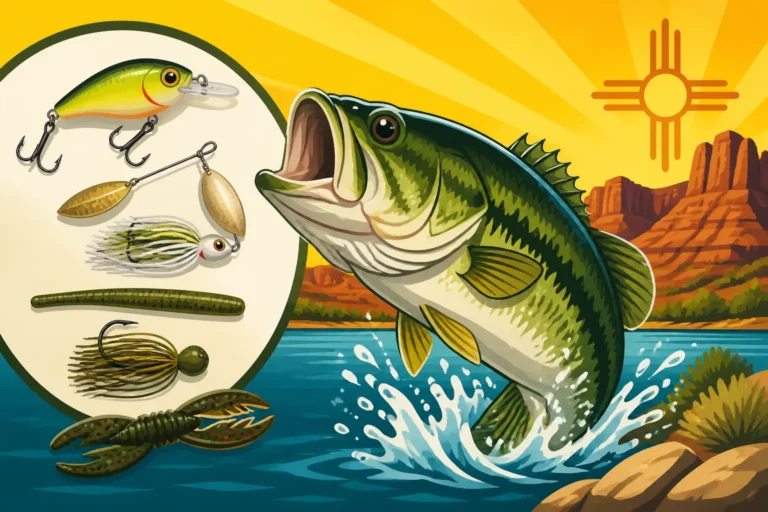
When the wind is up, your tackle choices become paramount. Lighter lures become almost impossible to cast accurately or keep down in the water column. This is where heavier baits really shine. Think about using jigs with heavier heads, stout spoons, or even large, dense swimbaits that can cut through the wind during the cast and maintain depth in choppy water. Spinnerbaits and chatterbaits are also excellent choices because their vibration and flash can still attract attention even in murky or turbulent conditions. For those targeting walleye, jigs are a classic choice and can be very effective in the wind. Consult our recommendations on Best Lures for Striped Bass at Elephant Butte for more specific examples that might work well in these conditions.
Your fishing line also plays a critical role. Monofilament line tends to have more stretch and is more susceptible to "bowing" in the wind, making it harder to feel subtle bites. Braided line, with its minimal stretch and thinner diameter for its breaking strength, is often a better choice for windy conditions. It allows for better sensitivity and more direct contact with your lure, even when the wind is trying its best to create slack in your line. If you're bank fishing, longer, heavier rods can help with casting distance against the wind, and a sturdy rod holder can be a godsend. You might even find specialized gear designed for wind, such as heavier Kastmasters or War Eagle spinnerbaits, readily available on platforms like Amazon.
Boat Control and Positioning in the Wind
Boat control is arguably the biggest challenge when fishing Elephant Butte in the wind. Without proper control, you'll spend more time fighting the boat than fishing. A good trolling motor with a strong thrust and, ideally, a spot-lock feature (like those found on some Minn Kota or MotorGuide models) is an absolute game-changer. This allows you to hold your position over a specific spot, even in stiff winds, freeing you up to focus on fishing. Without it, you'll be constantly correcting with your main engine, which can spook fish and burn a lot of fuel.
When positioning your boat, try to use the wind to your advantage rather than constantly battling it. If you're drifting a long stretch, set up your drift so the wind pushes you along the structure you want to fish, allowing you to present your lure naturally. For areas requiring precise boat control, position your boat slightly upwind of your target and use your trolling motor to slowly work your way down. This allows you to maintain tension on your line and a more controlled presentation. Consider exploring guides like Best Boats for New Mexico Reservoir Fishing or Gear That Helps With High Wind Fishing at Elephant Butte to understand optimal setups. And remember, sometimes the best strategy is to find a secluded cove or a protected shoreline and focus on How to Catch Striped Bass From Shore if the main lake is just too rough.
Here's a quick reference for adjusting to wind:
| Wind Speed (MPH) | Impact on Lake & Fish | Recommended Fishing Adjustments |
|---|---|---|
| 0-5 (Calm/Light) | Surface ripples, minimal impact on clarity/temp. Fish may be spooky. | Use finesse techniques, lighter lines, stealthy approaches. Target calm pockets. |
| 5-10 (Breeze) | Light chop, subtle currents. Can activate some fish. | Excellent for reaction baits. Fish wind-blown points & flats. Good for casting. |
| 10-15 (Moderate) | Noticeable waves, reduced visibility. Fish seek cover or active feeding lanes. | Heavier lures, braided line, strong trolling motor control. Focus on windward banks or protected areas. |
| 15-20 (Strong) | Significant waves, turbid water. Difficult boat control. | Target deeper, protected structure. Use heavy jigs/spoons. Consider bank fishing in sheltered spots. |
| 20+ (High Wind) | Dangerous conditions, large waves, spray. Very poor visibility. | Prioritize safety. Consider postponing trip or finding very protected coves. |
Safety Considerations When Fishing Elephant Butte in the Wind
Beyond the fishing challenges, safety is paramount when dealing with wind at Elephant Butte. This lake can get rough, and what starts as an exciting fishing adventure can quickly turn hazardous if you're not prepared.
Essential Gear and Preparedness
When you head out to Elephant Butte, especially if there's any chance of wind, you need to be prepared. First and foremost, personal flotation devices (PFDs) are not optional; they are absolutely essential, and everyone on board should know where theirs is and how to use it. In choppy water, a sudden wave or unexpected shift can throw someone overboard in an instant. Beyond PFDs, ensure your boat is equipped with all the required safety gear on a New Mexico boat, including a functioning horn or whistle, navigation lights (even if you plan to be off the water before dark, conditions can change!), and a fire extinguisher.
Rain gear is another item that might seem odd for a fishing trip, but strong winds often pick up spray from waves, soaking you quickly even on a sunny day. Staying dry can make a huge difference in comfort and preventing hypothermia if temperatures drop. Make sure your boat's battery is fully charged, and consider carrying a backup battery for your trolling motor or electronics. A good anchor with plenty of line is also critical for holding position if you have engine trouble or need to simply take a break from fighting the waves. Investing in quality gear from a reliable source like Amazon can literally be a lifesaver. Our article on Best Sun Protection Gear for New Mexico Reservoir Fishing also has critical items for sunny-but-windy days.
Knowing When to Call It a Day
This is perhaps the most important safety consideration of all: knowing when to pack it in. There's a fine line between a challenging but rewarding day of fishing and putting yourself and your passengers at undue risk. If the waves are consistently breaking over the bow, if you're struggling to maintain control of your boat, or if visibility becomes severely limited by spray or dust, it's time to head for shore. No fish is worth risking your life or your equipment.
Pay close attention to weather forecasts before you head out, and continue to monitor conditions throughout the day. If a strong wind advisory is issued, or if you see ominous storm clouds building on the horizon, don't hesitate. Head to the nearest boat ramp or sheltered cove and wait it out. Elephant Butte Lake is a powerful force of nature, and it demands respect. There will always be another day to fish, but only if you make it home safely. Don't be afraid to pull the plug on a trip if the wind makes it unsafe. Even experienced anglers choose discretion over valor when the conditions turn truly nasty.
Navigating the windy waters of Elephant Butte Lake can be a challenge, but with the right mindset, gear, and strategy, it can still be an incredibly rewarding experience. By understanding how wind impacts the lake and its inhabitants, and by prioritizing safety, you'll be well-equipped to tackle whatever the New Mexico weather throws your way. So next time you see those whitecaps, don't despair—adapt, stay safe, and get ready to catch some fish!
Disclaimer
This article is for general informational purposes only and does not constitute professional advice. Laws, prices and regulations vary by location and change over time. Consult a qualified professional for guidance on your specific situation.