Seasonal Checklist for Planning a New Mexico Fishing Trip
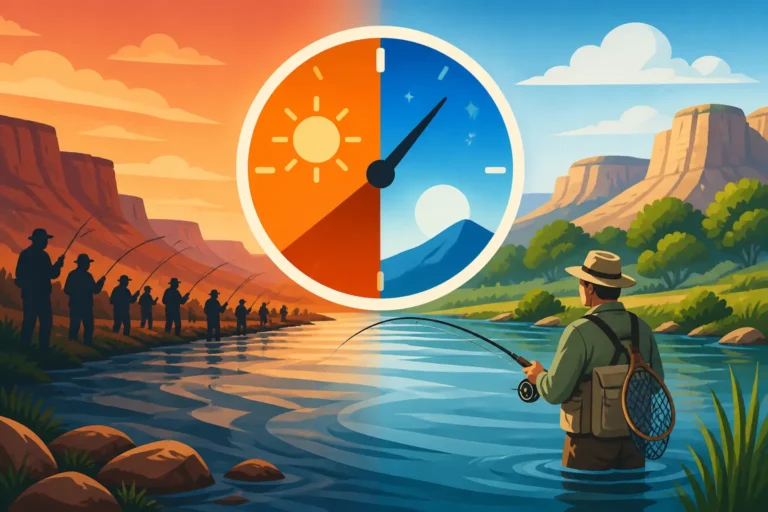
Navigating the diverse fishing opportunities across New Mexico can feel like planning multiple trips in one, especially with our dramatically different elevations and microclimates. From the high mountain streams to the expansive desert reservoirs, what works in one season or location might be completely useless in another. It's a real head-scratcher trying to keep track of it all! This guide is here to untangle that complexity, providing you with a clear, seasonal checklist to help you plan your New Mexico fishing adventures, ensuring you're always prepared for the unique conditions each part of the year brings.
Spring Fishing in New Mexico: Waking Up the Waters
Spring in New Mexico is a season of awakening, but it's also a season of wild contrasts. One day you might be basking in warm sunshine, and the next you're dodging a late-season snow flurry. For anglers, this means paying close attention to forecasts and water conditions, as the fish are just starting to become consistently active after their winter sluggishness. The key here is adaptability and understanding that the early bird often catches the worm, especially when the waters are still cool.
Key Species and Locations for Spring
As snowmelt begins to swell rivers and fill reservoirs, trout are often the first species on many anglers' minds. Stocked rainbow trout become very active in newly warmed waters, particularly in urban ponds and smaller lakes around population centers, making them excellent targets for family outings. Wild brown trout in rivers and streams also start to move out of their winter holding patterns, becoming more aggressive as insect hatches begin to pick up. Rivers like the Rio Chama or sections of the Pecos River can be fantastic during this time, offering some truly memorable angling.
Beyond trout, spring is also a prime time to target cool-water species in some of our larger reservoirs. Walleye, for instance, often begin their spawning runs as water temperatures climb into the low 40s to low 50s Fahrenheit, making them more concentrated and catchable. Lakes such as Ute Lake and Conchas Lake can provide excellent walleye opportunities. It’s a transition period where you might still find success with winter tactics on colder days, but spring patterns quickly take over as the sun gains strength. Consider checking out Spring Trout Fishing in New Mexico for more specific insights on these vibrant fisheries.
Smallmouth bass also start to show signs of life in spring, especially in rocky lakes and reservoirs where they can ambush baitfish near warming shorelines. The key is to find those areas that warm up fastest, such as north-facing banks or shallow coves that absorb the sun's energy throughout the day. You'll often find these fish staging in slightly deeper water before moving to the shallows for pre-spawn feeding. Keep an eye on water temperatures; a few degrees can make all the difference in locating active fish.
Essential Gear and Tackle for Spring
Your spring tackle box should be a versatile one, ready for both lingering cold snaps and sudden bursts of warmth. For trout, light spinning gear with 4-6 pound test line is usually sufficient, allowing you to present small spinners, spoons, or natural baits like PowerBait or worms effectively. Fly anglers will want to carry a variety of nymph patterns to imitate emerging insects, along with some smaller dry flies for those brief moments when bugs hatch off the water. A good pair of waders is almost non-negotiable for river fishing in spring, as runoff can make banks muddy and water temperatures remain quite chilly.
For walleye and bass, medium-light to medium action spinning or baitcasting setups are ideal. You'll want to have jigs, jerkbaits, and crankbaits that can be worked slowly in cooler water, as well as some plastics for vertical jigging or slow dragging on the bottom. Don't forget a sturdy landing net, especially when targeting larger walleye – losing a trophy at the boat is heartbreaking! Many anglers find great deals on versatile rod and reel combos and a wide array of lures on Amazon, making it easy to stock up for the season. Remember to also have a tackle bag that can stand up to potentially damp conditions.
Beyond your rod and reel, think about layering your clothing. A waterproof outer shell is a smart choice to fend off unexpected rain or snow showers, and insulated base layers will keep you comfortable during chilly mornings. Sunglasses are always a good idea to cut glare, and a wide-brimmed hat can provide sun protection even on cloudy days. Make sure your fishing license is current; you can always get detailed information on how to acquire one through our guide on the New Mexico Fishing License Guide.
Weather Considerations and Tips
Spring weather in New Mexico is notoriously unpredictable. Sunny, calm mornings can quickly give way to strong winds and afternoon thunderstorms, or even a return of winter conditions, especially at higher elevations. Always check the local forecast before heading out, and be prepared for rapidly changing conditions. Water levels in rivers will often be high due to snowmelt runoff, making wading more challenging and currents stronger. This period, often referred to as "runoff season," can be tricky, but it also cleanses the riverbeds and provides rich nutrients for future insect hatches. If you're wondering about fishing during this period, check out Fishing After Runoff in New Mexico.
One crucial tip for spring fishing is to focus on water temperature. Fish, especially cold-blooded species like trout, bass, and walleye, are highly sensitive to temperature changes. Look for areas where the water might be slightly warmer, such as shallow flats, dark-bottomed coves, or the mouths of feeder creeks that are receiving more direct sunlight. These areas often draw fish seeking comfort and food. Also, be mindful of early season insect hatches; midges and blue-winged olives are common early spring offerings that can get trout actively feeding.
Summer Fishing in New Mexico: High Country and Warmwater Adventures
Summer brings consistent warmth to most of New Mexico, transforming our fishing opportunities. While the desert lowlands can get intensely hot, making early morning or late evening fishing a must for warmwater species, the high country truly comes alive. This is the time to escape the heat and chase trout in cool mountain streams and alpine lakes. It’s a season of long days, scenic views, and diverse angling challenges, requiring a shift in strategy from the cooler months.
Key Species and Locations for Summer
For many New Mexico anglers, summer means heading for the hills. The high-elevation rivers and streams like the Rio Grande in its northern stretches, the Pecos River headwaters, and numerous small creeks in the Gila, Santa Fe, and Carson National Forests become prime destinations for various trout species, including rainbow, brown, and even native Rio Grande cutthroat trout. These pristine waters offer a serene escape and often require a bit of hiking to access the best spots, rewarding anglers with solitude and eager fish. Learning about New Mexico Trout Fishing Rules can help you navigate these special areas.
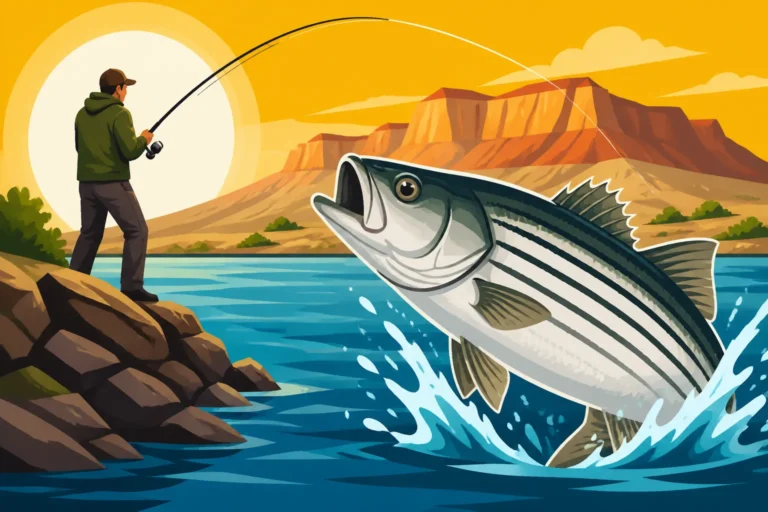
Down in the warmer, lower elevations, our large reservoirs like Elephant Butte Lake, Navajo Lake, and Conchas Lake hit their stride for warmwater species. This is peak season for largemouth bass, smallmouth bass, walleye, crappie, and especially striped bass at Elephant Butte. These fish will often move into deeper, cooler water during the heat of the day, making early morning, late evening, or even night fishing incredibly productive. Trolling in the cooler depths for kokanee salmon at Navajo Lake or Heron Lake is another popular summer pursuit, offering a unique and exciting challenge. You can find more targeted advice in Summer Fishing in New Mexico.
Catfish also become highly active in the summer's warm waters. The Rio Grande, Pecos River, and many of our large reservoirs teem with channel catfish and even some flathead catfish, providing excellent opportunities for bank anglers using stink baits, cut bait, or worms. Their nocturnal feeding habits make them a fantastic target for those willing to fish into the cooler evening hours. It's a great option for families too, as catfish are often willing biters and don't require highly specialized gear.
Essential Gear and Tackle for Summer
When fishing the high country streams and lakes, a lightweight spinning rod with 2-4 pound test line or a 3-5 weight fly rod is perfect for delicate presentations. Terrestrial patterns like grasshoppers, ants, and beetles become very effective for fly anglers, along with small nymphs and dry-dropper rigs. For spin fishing, tiny spinners, spoons, and natural baits will entice hungry trout. Pack a good fishing backpack for hiking in, and definitely include bug spray for those pesky mosquitos! Many anglers find durable, water-resistant backpacks and sun protection items like fishing shirts and buffs are readily available on Amazon.
For reservoir fishing, you'll need more robust gear. Medium-heavy baitcasting or spinning setups are suitable for bass and walleye, equipped with lines from 8-20 pound test, depending on the cover and target species. A diverse selection of crankbaits, soft plastics (worms, creature baits), spinnerbaits, and topwater lures will cover most situations for bass. For walleye, jigs, bottom bouncers, and trolling crankbaits are key. Striped bass at Elephant Butte demand even heavier gear – stout rods, larger reels with 20-30 pound test line, and a variety of swimbaits, large spoons, and topwater plugs are necessary. Having a good cooler with plenty of ice is essential to keep your catch fresh in the summer heat.
Sun protection is paramount during New Mexico summers. Wide-brimmed hats, UV-protective clothing, polarized sunglasses, and high SPF sunscreen are absolute necessities. Hydration is also critical; carry plenty of water, especially if you're hiking to remote spots or spending long hours on open water. A portable cooler can be a lifesaver for drinks and snacks. Don't forget a first-aid kit for minor scrapes and unexpected encounters with barbed hooks.
Weather Considerations and Tips
Summer in New Mexico, especially from July through September, means monsoon season. Afternoon thunderstorms, often intense and localized, are a regular occurrence. While these storms can cool things off and sometimes trigger a bite, they also bring lightning, heavy rain, and flash floods, particularly in arroyos and canyons. Always be aware of weather patterns and have a plan for seeking shelter. The heat in the lowlands can be brutal, often exceeding 90-100 degrees Fahrenheit, making mid-day fishing unproductive and potentially dangerous.
For warmwater species, the general rule is to fish during the cooler parts of the day: dawn, dusk, and into the night. Fish will be more active and willing to feed when water temperatures are at their most comfortable. For trout in the high country, while mornings are often best, overcast days or sheltered, shaded stretches of river can provide good action throughout the day. Pay attention to water clarity; heavy monsoon rains can muddy rivers, making fishing challenging until the water clears. This can directly impact your success, so checking conditions is always a good idea. Our guide on Fishing During Monsoon Season in New Mexico offers further tips for this unique time of year.
Fall Fishing in New Mexico: Golden Opportunities and Cooler Bites
As summer's intensity wanes and the aspens turn golden in the mountains, fall ushers in one of the most beautiful and often productive fishing seasons in New Mexico. Cooler temperatures invigorate both fish and anglers, and many species engage in a pre-winter feeding frenzy, bulking up before the cold sets in. It's a fantastic time for trophy fish, vibrant scenery, and comfortable days on the water, but it also means preparing for crisper mornings and shorter daylight hours.
Key Species and Locations for Fall
Fall is undeniably prime time for trout fishing across the state. As water temperatures drop, trout become increasingly active and aggressive, feeding heavily on insects, baitfish, and even salmon eggs. The famous San Juan River below Navajo Dam, known for its exceptional rainbow and brown trout, sees some of its best fishing during the fall months. Other rivers, like the Rio Grande and Chama, also offer superb opportunities for brown trout, which are often in their vibrant spawning colors during this season. High mountain lakes, while potentially getting a thin skim of ice in late fall, can also yield some magnificent trout before winter truly sets in.
One of the most anticipated events for fall anglers in New Mexico is the kokanee salmon snagging season at Navajo Lake and Heron Lake. These landlocked sockeye salmon turn brilliant red as they begin their spawning runs, providing a unique and exciting fishing experience. Make sure you understand the specific regulations for snagging, as they are often very different from traditional hook-and-line fishing. For more details on this unique event, consult our New Mexico Salmon Snagging Season guide.
Warmwater species in the larger reservoirs also remain very active throughout much of the fall, especially during early and mid-fall. Bass and walleye continue their aggressive feeding, often moving to shallower depths as the water cools, making them more accessible to bank anglers and boaters alike. Lakes like Conchas, Ute, and Elephant Butte can provide excellent fishing for these species, particularly during the stable weather periods. Look for baitfish schooling up, and you'll often find game fish close behind.
Essential Gear and Tackle for Fall
Versatility remains key for fall fishing gear. For trout on rivers like the San Juan, a 4-6 weight fly rod with a selection of nymph, emerger, and streamer patterns will serve you well. Spin anglers should continue with light to medium-light setups, focusing on small spoons, spinners, and natural baits. As trout get more aggressive, larger lures like small jerkbaits or larger streamers can become highly effective for enticing bigger fish. When pursuing big brown trout, don't be afraid to size up your presentation a bit.
For kokanee snagging, specialized heavy-action rods and reels with stout line are required to effectively retrieve the snagging hooks. These setups are often found at local sporting goods stores or can be ordered through online retailers like Amazon, if you know what to look for. For bass and walleye, your summer gear will largely transfer over, but consider adding some deeper diving crankbaits and jigging spoons to your arsenal, as fish may start to move deeper with dropping temperatures. Remember to also carry a good pair of pliers for hook removal, especially with those aggressive fall bites.
Layered clothing is just as important in fall as it is in spring, but leaning towards warmer layers is a good idea. Mornings can be quite crisp, even freezing at higher elevations, while afternoons might still be mild. A good fleece jacket, a warm hat, and fingerless gloves can make a huge difference in your comfort. Insulated waterproof boots are also recommended, especially if you plan on wading or walking along damp riverbanks. Don't let a chill spoil your enjoyment of the beautiful fall foliage and fantastic fishing.
Weather Considerations and Tips
Fall weather in New Mexico is generally more stable than spring, but cold fronts can sweep through, bringing sudden drops in temperature and even early snow at higher elevations. Always monitor the forecast, especially if heading to the mountains. The shorter days mean less time on the water, so planning your trips to maximize daylight hours is important. Pay attention to water clarity; typically, fall waters are clearer than the turbid runoff of spring or the sometimes-muddy monsoon waters of summer. This clarity often necessitates more subtle presentations and lighter lines, particularly in pressured fisheries.
One key tip for fall fishing is to focus on areas where baitfish are congregating. As water temperatures drop, baitfish often school up in predictable locations, and predatory fish will be close by, taking advantage of the easy meal before winter. Look for diving birds, surface activity, or use your fish finder to locate these schools. For trout, the pre-spawn feeding drive of brown trout can lead to some truly impressive catches, but remember to handle these magnificent fish gently, especially if releasing them, as they are preparing to reproduce. How to Fish New Mexico's High Country in Fall provides excellent insights for this specific scenario.
Winter Fishing in New Mexico: Ice and Coldwater Challenges
Winter in New Mexico presents a unique set of fishing challenges and rewards. While many waters freeze over, offering exciting ice fishing opportunities, some open waters, particularly cold tailwater fisheries, remain productive all season long. It's a time for solitude, specialized techniques, and embracing the crisp, quiet beauty of the landscape. However, it also demands careful preparation for cold weather and an understanding of ice safety.
Key Species and Locations for Winter
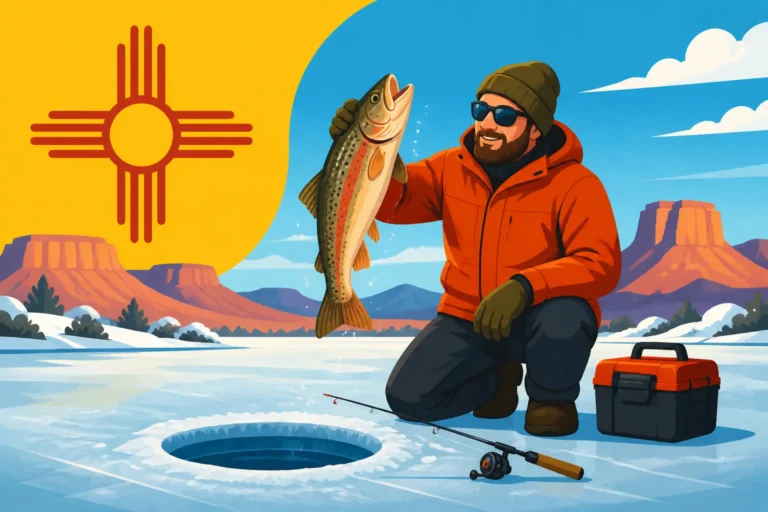
For many New Mexico anglers, winter means ice fishing. Lakes like Eagle Nest Lake, Bluewater Lake, and Fenton Lake often freeze solid enough to support ice fishing, offering excellent opportunities for rainbow trout, kokanee salmon, and even tiger muskie (at Bluewater). This is a completely different style of fishing, requiring specialized gear and a strong understanding of ice safety. It's a surprisingly social activity too, with communities of anglers often gathering on popular frozen lakes. If you're new to the sport, consider joining an experienced friend for your first outing.
Beyond the ice, New Mexico boasts world-class cold tailwater fisheries that remain open and productive throughout the winter. The San Juan River Quality Waters below Navajo Dam is perhaps the most famous, offering incredible fly fishing for large rainbow and brown trout year-round. The consistent, cold water temperatures from the bottom release of the dam mean stable conditions for trout, even when the air temperature is freezing. Other rivers, while often requiring more careful access due to ice and snow, can also provide opportunities for hardy anglers. You can dive deeper into this topic with our guide on Winter Fishing in New Mexico.
Even some of our larger, deeper reservoirs that don't completely freeze over can offer winter fishing for cold-tolerant species. Walleye, crappie, and even some bass can be caught in deeper waters, though their metabolism slows considerably, requiring very slow presentations. Lakes like Elephant Butte and Conchas, while less popular in winter, can still yield fish for those willing to brave the cold and employ finesse techniques, often targeting submerged structures where fish seek refuge from the cold.
Essential Gear and Tackle for Winter
Ice fishing requires a dedicated set of gear. You'll need an ice auger (manual or powered) to drill holes, specialized short ice rods and reels with light line (often fluorocarbon for sensitivity), small jigs (micro-jigs, spoons), and a variety of live baits like wax worms or mealworms. A portable ice shelter can provide crucial protection from the wind and cold, and a small portable heater can make hours on the ice much more comfortable. Many of these specialized items, from augers to shelters, can be found or ordered through retailers like Amazon, though it's always good to check local shops for expert advice.
For open-water winter fishing, especially on tailwaters like the San Juan, fly anglers will typically use smaller nymph patterns (midges, tiny mayflies) and sometimes egg patterns, often fished with strike indicators and split shot to get them down to the fish. Spin anglers might use small marabou jigs, tiny spoons, or natural baits presented very slowly. It's all about subtle presentations and detecting very light bites, as fish are less inclined to chase aggressively in cold water. Learning about specific rules for these waters, like those in New Mexico Special Trout Water Rules, is crucial.
Warm clothing is paramount for any winter fishing trip. Layering is key: start with a moisture-wicking base layer, add insulating fleece or down layers, and top it off with a waterproof and windproof outer shell. Insulated, waterproof boots (like those rated for extreme cold) are a must, as are warm gloves, a hat that covers your ears, and even hand warmers. A thermos of hot coffee or soup can be a true morale booster on a frigid day. Don't skimp on cold weather gear; being uncomfortable dramatically reduces your enjoyment and can even be dangerous.
Weather Considerations and Tips
Winter weather in New Mexico means cold temperatures, often below freezing, and potential for snow. Wind can make already cold temperatures feel even more bitter, so always check the wind chill factor. Ice safety is the number one priority for ice fishing. Always check ice thickness before venturing out, and be aware that ice can vary in thickness on the same body of water. Four inches of clear, solid ice is generally considered the minimum for safe foot travel, but always exercise extreme caution and never fish alone on the ice. Understanding New Mexico Ice Fishing Season is critical for safe participation.
For open-water winter fishing, be mindful of icy roads and trails leading to your fishing spots. Snow can make access difficult, and some roads to high-elevation areas may be closed. Fish in winter are generally less active, so successful anglers often employ slower presentations, smaller baits or flies, and focus on deeper holes or slower currents where fish conserve energy. The bite can be very subtle, so heightened concentration and sensitive gear are essential. Embrace the quiet and the challenge; a winter-caught fish feels truly earned.
Seasonal Fishing Checklist Comparison
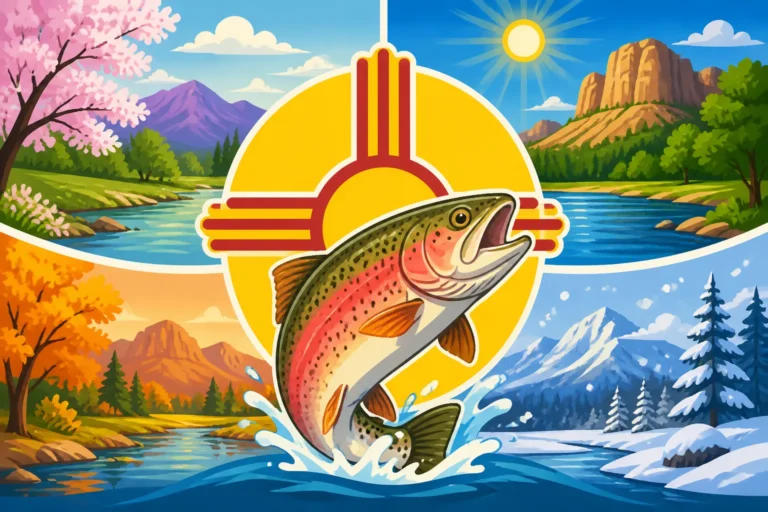
To help you visualize the shifting needs throughout the year, here's a quick comparison of key considerations for planning your New Mexico fishing trip, season by season.
| Feature / Season | Spring | Summer | Fall | Winter |
|---|---|---|---|---|
| Primary Targets | Stocked Trout, Walleye, Brown Trout | High Country Trout, Bass, Stripers, Catfish | Trophy Trout, Kokanee Salmon, Walleye, Bass | Ice Fishing (Trout, Kokanee), Tailwater Trout |
| Key Locations | Urban Ponds, Warming Rivers/Lakes | Mountain Streams/Lakes, Large Reservoirs | San Juan River, Navajo/Heron Lakes, Reservoirs | Frozen Lakes, San Juan Quality Waters |
| Typical Weather | Variable, Cool to Mild, Runoff, Rain/Snow | Hot, Thunderstorms (Monsoon), Clear/Dry | Crisp, Mild Days, Frosty Mornings, Golden Leaves | Cold, Freezing, Snow, Wind Chill |
| Essential Gear | Waders, Light Spin/Fly Gear, Rain Gear | Sun Protection, Hydration, Heavier Tackle | Layered Clothing, Versatile Tackle, Snagging Gear | Ice Augers, Shelters, Insulated Boots, Warm Layers |
| Technique Focus | Slow Presentations, Nymphing, Early Baits | Early/Late Fishing, Terrestrials, Trolling | Aggressive Feeding, Streamers, Snagging | Finesse, Slow Jigging, Small Nymphs |
| Key Considerations | Water Levels, Spawning Runs | Heat, Hydration, Monsoon Safety | Pre-Winter Feed, Spawning Colors, Regulations | Ice Safety, Cold Exposure, Access |
Disclaimer
This article is for general informational purposes only and does not constitute professional advice. Laws, prices and regulations vary by location and change over time. Consult a qualified professional for guidance on your specific situation.