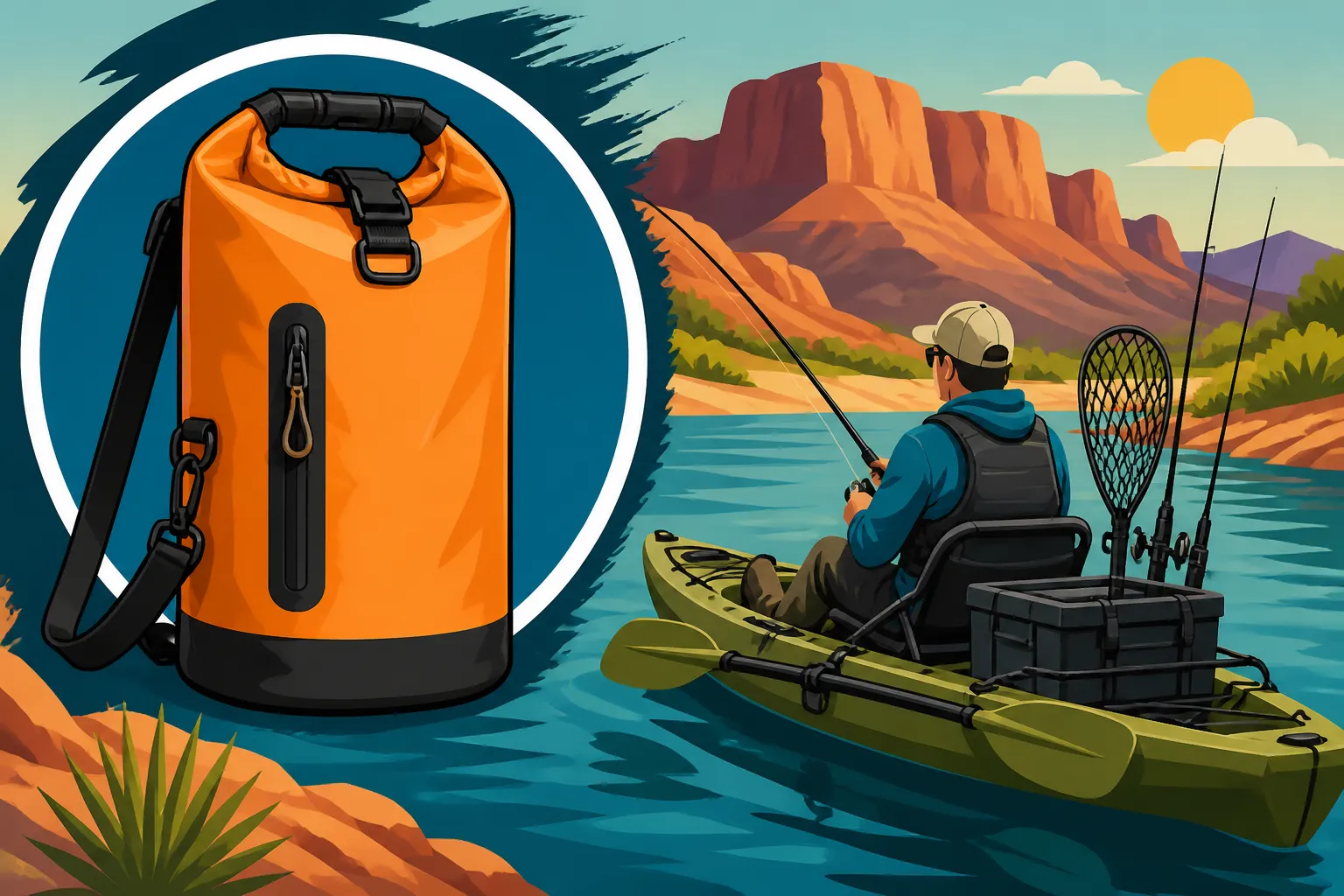
Best Dry Bag for Kayak Fishing Gear
Oh, the sheer dread of reaching into your kayak's storage and pulling out a phone that’s met an untimely end by a rogue wave, or finding your lunch has turned into a soggy mess after a surprise New Mexico monsoon shower! If you've spent any time kayak fishing on our beautiful lakes and rivers, you know that water is an ever-present, sometimes unwelcome, companion. This guide is all about finding the perfect dry bag to protect your precious gear, keeping it safe, dry, and ready for action, no matter what splashy adventure comes your way.
Why a Dry Bag is Absolutely Essential for New Mexico Kayak Fishing
Let's be real: kayak fishing is about being on the water, which inherently means dealing with water. From a gentle paddle across a calm reservoir to navigating choppier conditions, your gear is constantly at risk. A quality dry bag isn't a luxury; it's a necessity that saves you headaches, heartaches, and potentially costly replacements. It's about peace of mind when you're out there chasing that trophy bass or a feisty trout.
Protecting Your Electronics from Unexpected Splashes and Submersions
Imagine you're out on Elephant Butte Lake, the wind picks up, and suddenly, you're getting splashed from all sides. Or perhaps you're paddling through a narrow section of the Rio Grande, and a quick turn sends a cascade of water over your bow. Your smartphone, GPS unit, action camera, or even a compact fish finder – these are all incredibly vulnerable. Without proper protection, a simple splash could turn into a costly repair or, worse, a complete loss. I've heard countless stories, and nearly lived one myself, where a sudden jostle sent a tackle box and an unsecured phone straight into the drink. A dry bag, especially one that's designed to withstand submersion, is your best defense. It seals out water, keeping sensitive electronics safe from both splashes and that dreaded moment when something goes overboard. You want to focus on the fishing, not on whether your device is slowly drowning.
Keeping Valuables Safe from Rain and River Spray
Beyond electronics, think about all the other items you carry that absolutely cannot get wet. Your car keys, wallet, fishing license, extra layers of clothing for when the New Mexico weather inevitably shifts, or that special sandwich you packed for lunch. A soggy wallet full of wet cash and cards is no fun, and trying to show a wildlife officer a dissolved New Mexico Fishing License Guide is certainly going to be an awkward conversation. We’ve all been caught in those sudden afternoon downpours that characterize our monsoon season, or felt the constant spray from paddling against the wind at Navajo Lake. A dry bag acts as a fortress, ensuring that your essentials remain completely dry, even if your kayak is taking on water. It also helps prevent mildew and mustiness, which can ruin clothes or even make your snacks unappetizing.
Organization and Accessibility on the Water
One of the often-overlooked benefits of dry bags is how much they help with organization. Instead of stuffing everything into a single, cavernous storage hatch where things can roll around and get lost, dry bags allow you to compartmentalize your gear. You can have a small dry bag for your immediate essentials like a headlamp, first-aid kit, and snacks, easily accessible from your seat. A larger one might hold your spare jacket, lunch, and a towel, stowed in the stern hatch. This not only keeps items dry but also makes them easier to find when you need them most, minimizing fumbling and maximizing your time with a line in the water. Nobody wants to be rummaging frantically for their sunglasses while a pod of fish is rising nearby. Kayak Fishing Gear for New Mexico Lakes often emphasizes the importance of accessible storage, and dry bags fit right into that philosophy.
Key Features to Look for in a Kayak Fishing Dry Bag
When you start looking at dry bags, you'll quickly realize they're not all created equal. There's a wide range of designs, materials, and features, each suited for different levels of protection and use. Understanding these key aspects will help you pick the perfect dry bag for your specific kayak fishing adventures across New Mexico.
Material Durability and Waterproofing Ratings
The heart of any dry bag is its material and how well it keeps water out. Most dry bags are made from either PVC (polyvinyl chloride) or TPU (thermoplastic polyurethane).
- PVC bags are typically more affordable and widely available. They're robust and offer excellent waterproofing, but can be a bit stiffer, especially in colder temperatures.
- TPU is generally lighter, more flexible, and more resistant to abrasion and punctures. It's often considered a more environmentally friendly option, but usually comes with a higher price tag.
Beyond the material, look at the denier rating, which indicates the fabric's thickness and durability. Higher denier means a tougher bag, more resistant to tears and snags against rocky shores or sharp tackle.
Then there's the waterproofing rating, often expressed as an IPX rating. While I can't give specific numbers, know that some bags are designed to withstand splashes and light rain, while others are truly submersible for a period of time. For kayak fishing, especially if you carry electronics, you want something that offers strong resistance, ideally capable of handling a temporary dunking. A roll-top closure, when sealed correctly with at least three tight rolls, is incredibly effective at creating a watertight seal. Some higher-end bags might feature fully waterproof zippers, often called "T-Zip" zippers, which offer excellent sealing but can be more challenging to operate and require more maintenance. Reputable brands found at stores like Bass Pro Shops or on Amazon will typically provide clear details about their bags' waterproofing capabilities.
Size and Capacity Considerations
Choosing the right size is crucial. Too small, and you can't fit everything you need. Too large, and it becomes bulky and hard to manage in a kayak's limited space. It's often better to have a couple of different-sized dry bags rather than one massive one.
- Small (5-10 liters): Perfect for essentials like your phone, wallet, keys, fishing license, and maybe a small first-aid kit. These can often be kept within easy reach in the cockpit.
- Medium (15-25 liters): Great for a packed lunch, an extra layer of clothing, a small towel, or camera equipment. These might fit in a bow or stern hatch, or strapped to the deck.
- Large (30+ liters): Ideal for overnight trips, carrying camping gear, or if you're bringing a lot of bulky items. These are typically stowed in larger hatches or strapped securely to the kayak's rear tank well.
Think about the duration and type of your typical fishing trip. Are you doing short day trips on a local pond, or planning multi-day expeditions on larger waters like the Gila River? Your gear loadout will dictate the capacity you need.
Attachment Points and Carry Options
How you attach your dry bag to your kayak is just as important as keeping its contents dry. A dry bag that floats away after a capsize is still a lost dry bag! Look for bags with robust D-rings, grab handles, or daisy chains. These allow you to secure the bag using carabiners, bungee cords, or webbing straps to your kayak's existing attachment points. This is especially vital when fishing on large, open reservoirs where winds can pick up quickly, or when navigating rivers with currents.
Many dry bags also come with shoulder straps, which can be incredibly useful if you need to portage your kayak around rapids or carry your gear to a remote fishing spot. Some even convert into waterproof backpacks, offering versatility for those adventures that blend paddling with a bit of hiking to reach a secluded high-mountain lake. Consider the Best Fishing Backpack and Wading Gear for New Mexico if you do a lot of hiking to your fishing spots. The more options you have for securing and carrying your bag, the more versatile it will be for all your New Mexico fishing escapades.
Types of Dry Bags for Different Kayak Fishing Needs
Just like there are different types of kayaks for various fishing styles, there's a dry bag out there for every specific need. Knowing the common types can help you narrow down your search and find the perfect fit for your angling adventures.
Roll-Top Dry Sacks: The Versatile Workhorse
The classic roll-top dry sack is probably what most people picture when they think of a dry bag. These are incredibly simple, effective, and come in a vast array of sizes and colors. The design is straightforward: you load your gear, roll the top edge down several times (at least three, typically), and then clip the buckles together, often forming a convenient handle.
Pros:
- Reliable Waterproofing: When sealed correctly, they offer excellent protection against splashes, rain, and even temporary submersion.
- Versatile Sizing: Available from tiny 2-liter bags for your phone to giant 70-liter bags for expedition gear.
- Durability: Many are made from rugged PVC or TPU, designed to take a beating.
- Affordable: Generally the most budget-friendly option, making them accessible for all anglers. You can find solid options at stores like Bass Pro Shops or even on Amazon.
Cons:
- Less Rigid: Can be floppy when not full, making them slightly less convenient for quick access.
- Bulk: Rolling the top takes up some internal volume, so factor that into your capacity needs.
- Single Compartment: Most are just one large sack, so internal organization often requires smaller bags within the main dry bag.
These are fantastic for general gear protection, whether you're stashing extra layers in the hull of your kayak or keeping your snacks dry and safe on the deck. They're a staple for a reason and highly recommended for any Best Places to Fish in New Mexico outing.
Waterproof Backpacks: For Portability and Comfort
For the angler who often has to carry their gear a significant distance to and from their launch point, or those who combine kayak fishing with hiking into more remote areas, a waterproof backpack is a game-changer. These bags are essentially dry sacks with integrated shoulder straps, and sometimes a waist belt, making them comfortable to carry on land.
Pros:
- Hands-Free Transport: Frees up your hands to carry your kayak, fishing rods, or other gear.
- Comfort: Padded shoulder straps distribute weight, making them suitable for longer treks, especially when accessing High-Elevation Trout Lakes in New Mexico.
- External Pockets (sometimes): Many designs include external, often water-resistant (but usually not fully waterproof) pockets for quick access to items like water bottles or a map.
- Organizational Features: Some models might have internal sleeves or pockets, offering a bit more structure than a basic dry sack.
Cons:
- Cost: Generally more expensive than basic roll-top dry sacks due to the added features.
- Weight/Bulk: Can be slightly heavier and bulkier than simple dry sacks, even when empty.
- Not Always Fully Submersible: While the main compartment is usually waterproof, external pockets might only be water-resistant, so always check the specific rating.
A good waterproof backpack is invaluable if you're kayaking a stretch of the Pecos River where portaging around obstacles is necessary, or if you're taking advantage of the Summer Fishing in New Mexico weather to explore multiple spots.
Gear Bags and Duffle Bags: For Larger Hauls
When you're packing for a longer trip, or perhaps carrying shared gear for a group, dedicated waterproof gear bags or duffle bags step up to the plate. These are typically larger capacity, often featuring more robust closures than a standard roll-top. Some utilize heavy-duty T-Zip style zippers, which, while demanding a bit more care, offer excellent access to a wide opening.
Pros:
- Large Capacity: Can hold a significant amount of gear, ideal for multi-day trips, camping supplies, or bulkier items like sleeping bags or cooking equipment.
- Robust Construction: Often built with extra-thick materials and reinforced seams to handle heavy loads and rough treatment.
- Easy Access (with T-Zip): If equipped with a waterproof zipper, they offer wide, easy access to all contents without having to unroll and reroll the top.
Cons:
- Cost: Bags with high-quality waterproof zippers can be quite expensive.
- Weight: Their robust construction often means they are heavier than other dry bag types.
- Zipper Maintenance: Waterproof zippers require regular lubrication and care to ensure they remain functional and watertight.
These larger dry duffles are excellent for adventures on big waters like Elephant Butte Lake where you might be packing for a full weekend, or even for organizing all your Best All-Around Combo for a First New Mexico Fishing Trip gear for easy transport to the launch.
| Dry Bag Type | Primary Use Case | Key Features | Pros | Cons |
|---|---|---|---|---|
| Roll-Top Dry Sack | General gear protection, day trips | Simple roll-top, various sizes | Affordable, reliable, lightweight | Less rigid, single compartment |
| Waterproof Backpack | Portaging, hiking to remote spots | Shoulder straps, ergonomic design | Hands-free, comfortable for land travel | Higher cost, external pockets may not be fully waterproof |
| Waterproof Duffle/Gear Bag | Multi-day trips, large gear hauls | Large capacity, robust materials, zippers | Ample storage, easy access (with T-Zip) | Expensive, heavier, zippers require maintenance |
Tips for Using and Maintaining Your Dry Bag
Getting the right dry bag is only half the battle. To ensure it performs its best and lasts for many seasons of New Mexico fishing, you need to use and care for it properly. A little attention goes a long way in keeping your gear safe and your investment worthwhile.
Proper Packing and Sealing Techniques
It might seem obvious, but there's a knack to effectively sealing a roll-top dry bag.
- Don't Overfill: This is probably the most common mistake. Leave at least a few inches of space at the top (typically 2-3 inches, but refer to manufacturer instructions) for proper rolling. If it's too full, you won't get a tight seal.
- Expel Air (or don't): For most items, gently squeeze out excess air before rolling to make the bag more compact. However, if you're storing items you really don't want to sink, like a floatable camera or a spare life jacket, leaving a little air in can increase buoyancy, making it easier to retrieve if it goes overboard.
- Roll Tightly and Consistently: Roll the top edge down firmly and consistently at least three times. The more rolls, the better the seal. Make sure the rolls are even across the width of the bag.
- Clip Securely: Once rolled, bring the buckles together and clip them. This creates a handle and locks the seal in place.
For bags with waterproof zippers, ensure the zipper is fully closed, and for T-Zips, sometimes a special lubricant is needed to keep them gliding smoothly and sealing tightly. Don't force them if they feel stiff.
Securing Your Dry Bag to Your Kayak
A dry bag is only useful if it stays with your kayak! Always, always, always secure your dry bags. Losing a dry bag, even if it floats, can be a major hassle if it drifts out of reach or downriver.
- D-Rings and Bungees: Most kayaks come with deck rigging or D-rings. Utilize these! Use carabiners, bungee cords, or nylon straps to clip your dry bag to these points. This is especially important on larger, more active waters like Elephant Butte Lake, or if you're navigating currents on the Rio Grande Fishing Guide.
- Internal Storage: If your kayak has dry hatches, place your dry bags inside. While the hatch itself is often water-resistant, an additional dry bag adds a crucial layer of protection, especially for sensitive items.
- Accessibility vs. Security: For items you need frequently (like your snack bag or a small tackle box), keep a smaller, secured dry bag within easy reach. For less-used items, prioritize maximum security in a less accessible spot.
Taking a few extra seconds to secure your gear can prevent a lot of frustration and potential loss, letting you focus on the fish.
Cleaning and Storage for Longevity
Proper care after your trip will dramatically extend the life of your dry bag.
- Rinse After Use: Especially after saltwater fishing or if it’s been exposed to mud, sand, or fish slime. A simple rinse with fresh water will prevent corrosive buildup and keep the material clean.
- Dry Thoroughly: This is critical to prevent mildew and odors. Turn the bag inside out (if possible), or prop it open in a well-ventilated area until it is completely dry, both inside and out. Never store a damp dry bag.
- Avoid Harsh Chemicals: Stick to mild soap and water for cleaning. Harsh detergents or solvents can degrade the material and compromise the waterproofing.
- Store Properly: Once dry, store your dry bag unrolled or loosely rolled in a cool, dry place away from direct sunlight. Storing it tightly compressed for long periods can put stress on the material and seams.
By following these tips, your dry bag will be ready for countless future adventures, keeping your gear safe and dry through all the splashes and storms our beautiful New Mexico waters can throw at you. Whether you're planning for the New Mexico Fishing Season Calendar or just heading out for a quick evening trip, a well-maintained dry bag is your trusted companion.
Disclaimer
This article is for general informational purposes only and does not constitute professional advice. Laws, prices and regulations vary by location and change over time. Consult a qualified professional for guidance on your specific situation.