How Runoff Timing Changes San Juan River Flows
It's incredibly frustrating when you've planned a fishing trip to the legendary San Juan River, only to arrive and find the water levels totally different from what you expected. Many anglers, especially those new to this unique tailwater fishery, struggle to understand how the river's flows change and, more importantly, how those changes impact the fishing. This guide is here to demystify the ebb and flow of the San Juan, explaining how runoff timing influences the river and what it means for your angling success.
Understanding the San Juan River's Unique Flow Dynamics
The San Juan River, particularly its world-renowned Quality Waters section below Navajo Dam, isn't your typical freestone river that swells wildly with spring snowmelt. Instead, it's a tailwater fishery, meaning its flows are largely controlled by a dam. This distinction is absolutely crucial for understanding why "runoff timing" on the San Juan is a different beast compared to a natural river.
The Role of Navajo Dam and Upstream Snowpack
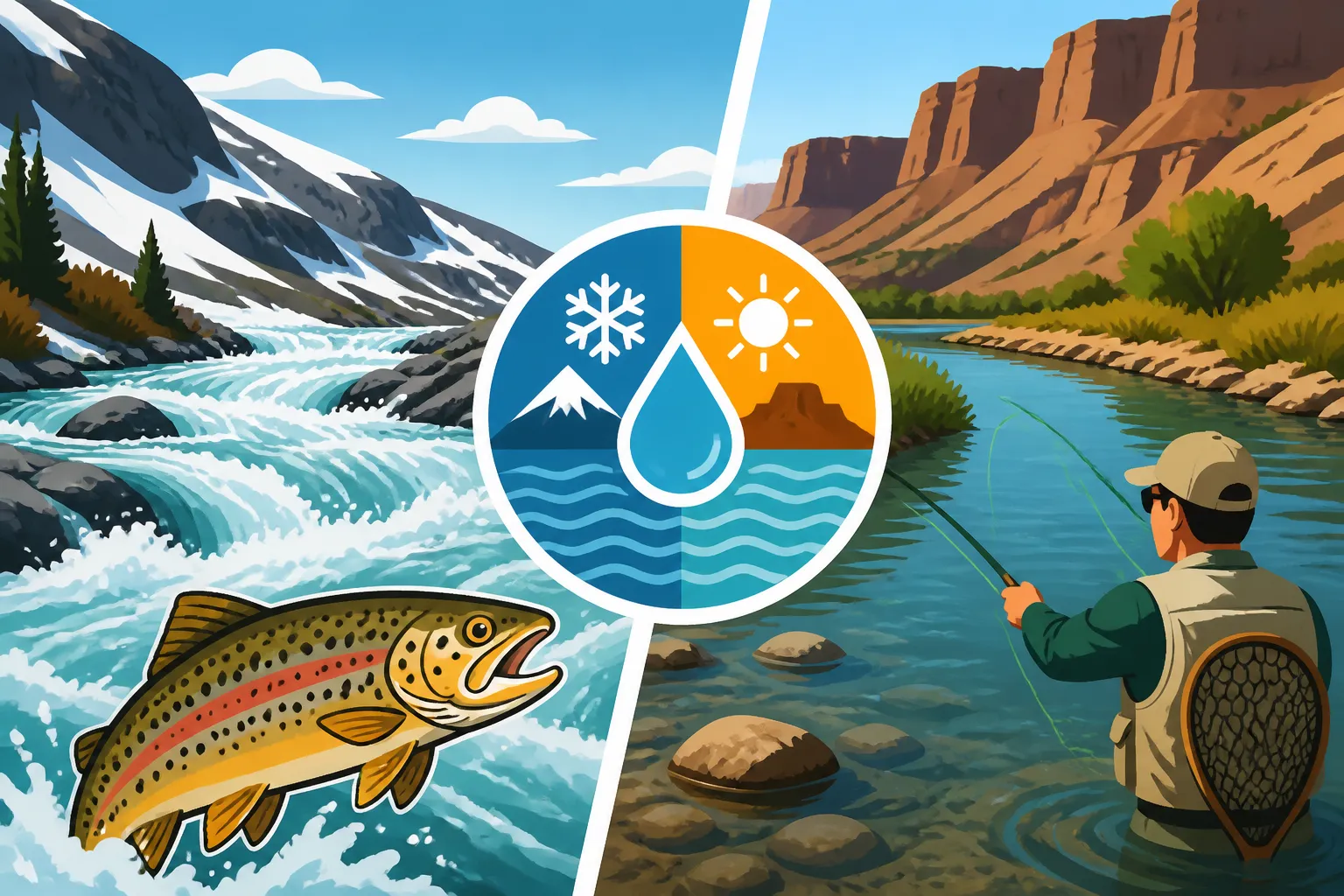
Think of Navajo Dam as the gatekeeper. Upstream, in the high mountains of Colorado, snowpack accumulates all winter long. This snowpack is the ultimate source of water for the entire San Juan River system. On a natural river, when temperatures rise in spring, that snow melts, creating a surge of water – what we call "runoff." The river gets high, fast, and often muddy.
However, below Navajo Dam, the story changes. The dam holds back that massive influx of snowmelt. The New Mexico Department of Game and Fish (NMDGF) and other water management agencies then carefully meter out the water throughout the year. So, while a massive snowpack upstream indicates plenty of water for the reservoir, it doesn't automatically mean the river below the dam will experience a massive, uncontrolled runoff event like a natural river. Instead, the dam's operation dictates how much water is released, and these releases are carefully scheduled for various reasons, including irrigation, power generation, and maintaining the fishery. This means that instead of a wild, fluctuating river driven by immediate melt, you get a much more controlled, though still variable, flow. Understanding these controlled releases is key to making sense of How Dam Releases Affect San Juan River Fishing
How Runoff Used to Impact the River
Before Navajo Dam was completed in the early 1960s, the San Juan River behaved much like other mountain rivers. Spring runoff was a huge event. The river would swell dramatically, carrying tons of sediment and debris, making fishing practically impossible for weeks, if not months. Fish would migrate, seek refuge in calmer backwaters, and feeding patterns would be totally disrupted by the sheer volume and turbidity of the water. This natural, untamed cycle was powerful but also unpredictable for anglers.
The dam changed all of that. By impounding the runoff, it created the cold, clear, nutrient-rich tailwater environment that allows the San Juan to sustain such an incredible population of trout, particularly in the San Juan River Quality Waters Section. What we experience now as "runoff timing" on the San Juan is less about a wild, natural event and more about controlled releases that mimic, to some extent, the natural rise and fall, but within much tighter parameters. It's a managed flow, not a completely wild one.
The Modern Runoff Season and its Impact on Fishing
While the San Juan River doesn't experience "natural" runoff in the way a freestone stream does, the term "runoff season" still applies to the period when the Navajo Dam increases its releases to manage the reservoir levels due to snowmelt. These increased flows, while controlled, significantly alter fishing conditions.
Timing of Peak Flows and Water Clarity
Typically, the highest controlled releases from Navajo Dam, often referred to as "peak flows" or "spring releases," happen sometime between late spring and early summer, generally from April through June. This timing is directly related to the melting snowpack in the San Juan Mountains and the need to manage water storage in Navajo Lake. The exact dates and magnitudes of these releases vary year to year, depending on snowpack levels and downstream water demands. Unlike a freestone river that gets muddy from the ground up, the San Juan's clarity below the dam is usually pristine. However, during significant sustained high flows, the riverbed can scour, kicking up sediment that might slightly reduce visibility for a short period, especially if the increases are very rapid. More often, the "turbidity" comes from the sheer volume of water making it harder for fish to see your presentation.
When these releases happen, the river transforms. What was once a gentle, wadeable flow might become a raging torrent, making many sections unfishable by foot. The current speed increases dramatically, carrying more food downstream, but also making it harder for fish to hold in their usual spots. Water temperatures remain relatively stable because the water comes from the bottom of Navajo Lake, but the overall kinetic energy of the water column changes everything. For anglers, knowing the New Mexico Fishing Regulations Overview, and specifically the rules for the New Mexico Special Trout Water Rules, becomes even more critical during these high-flow periods, as safety and technique adjustments are paramount.
Effects on Fish Behavior and Feeding Patterns
Increased flows have a profound impact on trout behavior in the San Juan. Fish, especially the larger ones, will move out of the fastest currents and seek refuge in slower seams, eddies, and behind larger rocks or structure. They conserve energy, as fighting a constant, strong current is exhausting. Their feeding patterns also shift. With more water moving, more nymphs, larvae, and even terrestrial insects are dislodged and swept downstream. This can mean abundant food, but also that the fish have less time to inspect an offering as it zips by.
Matching the hatch becomes a challenge, not just in terms of fly pattern but also in presentation. Fish will often hold tighter to the bottom, requiring heavier nymph rigs or larger split shot to get your flies down into the strike zone. You might find them concentrated in specific areas where they can ambush food without expending too much energy. Conversely, during very low flows, fish can become spooky and selective, concentrating in deeper pools and runs, making subtle presentations essential. Understanding these behavioral shifts is the cornerstone of effective Trout Fishing Techniques for New Mexico.
Reading the River and Adapting Your Fishing Strategy
The key to consistently catching fish on the San Juan River, especially when flows are fluctuating, is to become adept at reading the water and adapting your approach. It’s not just about what fly you’re using, but how and where you present it.
Tools and Resources for Checking San Juan River Flows
Gone are the days of guessing! Now, with readily available online resources, you can check the San Juan River's flows from the comfort of your home before you even pack your bags. The most reliable source is typically the U.S. Geological Survey (USGS) website, which provides real-time streamflow data for gauges located below Navajo Dam. These gauges measure the flow in cubic feet per second (CFS). Many local fly shops and fishing guide services also post daily updates or links to these resources. This information is invaluable for planning your trip, and it's something I always recommend checking as part of your Seasonal Checklist for Planning a New Mexico Fishing Trip.
What do these numbers mean for fishing?
- Low Flows (below 300-400 CFS): The river is very wadeable, but fish can be incredibly spooky. Stealth and long leaders are your friends. Expect technical nymphing or small dry flies.
- Moderate Flows (400-800 CFS): Often considered ideal for a balance of wadeability and good fishing. Fish are comfortable, and the current provides ample food.
- High Flows (800-2,000+ CFS): Wading becomes difficult or impossible in many sections. Fish will hold in softer water near the banks or behind larger structure. Requires heavier rigs, more weight, and often drift boat fishing.
Being familiar with these numbers and what they imply for fishing conditions is paramount. It lets you decide if it’s a wading day, a drift boat day, or perhaps a day to explore other nearby waters.
Adjusting Your Gear and Techniques for Different Flow Rates
Once you know the flow, you can adjust your gear and techniques accordingly. This is where the experienced San Juan angler shines.
For High Flows:
- Weight: You'll need more weight to get your flies down to the fish. Think tungsten weights, heavier split shot, or a larger indicator that can suspend more lead. A well-stocked tackle box from Amazon can ensure you have a variety of weights on hand.
- Indicator: Larger, more buoyant indicators are essential to support heavier nymph rigs.
- Flies: Larger, flashier patterns can be more visible in faster water. San Juan Worms, larger Pheasant Tails, or stonefly imitations can be very effective. Sometimes, a streamer can be the ticket to entice aggressive strikes from larger fish in the faster current.
- Presentation: Focus on "slack line" presentations – trying to achieve a dead drift where your flies are tumbling naturally with the current, without drag. Shortening your leader slightly can help, but you still need enough to get down.
- Safety: Wading can be dangerous during high flows. Consider a sturdy wading staff and always fish with a buddy. Many anglers opt for drift boat trips during these times.
For Low Flows:
- Stealth: Fish are easily spooked. Approach slowly, avoid heavy footsteps on the bank, and make long casts.
- Leaders and Tippet: Go longer and lighter. A 9-10 foot leader tapering to 6x or even 7x tippet is common. This helps with a drag-free drift and reduces visibility. Finding high-quality fluorocarbon tippet on Amazon is a smart move for these conditions. For specific advice, check out Best Leader Length for San Juan River Nymphing.
- Flies: Smaller, more subtle patterns are often required. Midges (larvae, pupae, emergers), small anaxae, and micro-egg patterns dominate. Fish are more selective and have more time to inspect your offering.
- Presentation: Absolutely crucial. A perfect, drag-free drift is almost non-negotiable. Watch your indicator like a hawk, and mend your line frequently.
- Holding Water: Fish will congregate in deeper pools, runs, and current seams where they feel secure. Focus your efforts there.
Regardless of the flow, consistent practice with Fly Fishing Techniques for New Mexico Rivers, especially nymphing, will serve you well. For a deeper dive into fly selection, make sure to read Fly Selection for New Mexico's San Juan River.
Other Factors Influencing San Juan Flows
While runoff timing and dam releases are the primary drivers of San Juan River flows, other factors can also play a significant, though often more localized, role.
Reservoir Management and Downstream Demands
Navajo Lake isn't just there for the fish; it's a vital water source for agriculture, municipalities, and tribal lands across the region. Throughout the year, water managers balance these competing demands. Sometimes, during periods of high demand downstream, flows will increase even outside the typical "runoff" season. Conversely, during periods of extreme drought, releases might be reduced to conserve water in the reservoir, leading to prolonged periods of lower flows on the river. These decisions are complex and often involve multiple stakeholders, impacting New Mexico Fishing Season Dates and Limits. It's a constant balancing act that influences the river's character for anglers.
Monsoon Season and Unexpected Flow Spikes
Even with the dam's control, the San Juan River isn't completely immune to natural weather events. New Mexico's monsoon season, typically from July through September, brings intense, localized thunderstorms. While the main stem below the dam is largely protected from massive sediment influx from distant storms, heavy downpours directly over the river corridor or its immediate tributaries can still cause temporary spikes in flow and turbidity, particularly in smaller side channels or where smaller, uncontrolled streams enter the San Juan. These events are usually short-lived but can temporarily affect fishing conditions, making it important to keep an eye on local weather forecasts when you're planning your trip, especially if you plan on visiting other nearby fishing destinations.
San Juan River Flow Guide for Anglers
| Flow Rate (CFS) | Typical Conditions | Key Fishing Strategy | Gear & Techniques | Wading Safety |
|---|---|---|---|---|
| Below 300 | Very low, clear, slow current. Fish spooky. | Stealth, long leaders, delicate presentation. Target deep pools. | Small nymphs (midges, anaxae), small dry flies. 6x-7x tippet. | Excellent wading, but be mindful of exposed structure. |
| 300 – 500 | Moderate, clear, good wadeability. | Balanced approach. Fish comfortable but still selective. | Nymphing with 5x-6x tippet, various patterns. Some dry fly potential. | Good wading, but be aware of faster runs. |
| 500 – 800 | Stronger current, some areas challenging to wade. | Fish move to softer water. More weight needed. Target seams, eddies. | Heavier nymphs, larger indicators, possibly streamers. 4x-5x tippet. | Wading becomes more challenging; use a staff. |
| 800 – 1,200 | High, fast current. Limited wadeability. | Drift boat fishing ideal. Target bank structure, slow eddies. Heavy rigs. | Heavy nymph rigs, larger flies (San Juan Worms, stoneflies). Streamers. | Wading limited and potentially dangerous; use extreme caution. |
| Above 1,200 | Very high, powerful current. Dangerous wading. | Drift boat almost essential. Focus on very slow water, deep structure. | Heaviest rigs, large attractor flies, large streamers. | Do not wade. Bank fishing only in very limited, safe spots. |
Knowing How to Fish New Mexico's Cold Tailwaters in Winter, or how to manage your expectations for summer, often comes down to understanding and respecting these flow conditions. The San Juan River is a phenomenal fishery, but it demands adaptability.
Disclaimer
This article is for general informational purposes only and does not constitute professional advice. Laws, prices and regulations vary by location and change over time. Consult a qualified professional for guidance on your specific situation.