Spinner Fishing for New Mexico Trout
It can be incredibly frustrating to hit the water, whether it's a chilly mountain stream or a sun-drenched reservoir, and feel like you're just casting aimlessly, hoping for a bite. We've all been there, wondering if we have the right lure, the right technique, or if the fish just aren't biting that day. This comprehensive guide is dedicated to unlocking the secrets of spinner fishing for New Mexico trout, offering detailed insights and practical advice to transform your outings into successful, memorable adventures.
Why Spinners Are So Effective for New Mexico Trout
Spinner fishing is a time-tested method for a reason, especially when you're targeting those beautiful, feisty trout that call New Mexico's waters home. It's not just about tossing a piece of metal into the water; it's about understanding how the spinner's design, movement, and flash mimic natural prey, making it irresistible to hungry trout. The beauty of spinners lies in their simplicity yet profound effectiveness, engaging a trout's predatory instincts in ways few other lures can.
The Irresistible Flash and Vibration
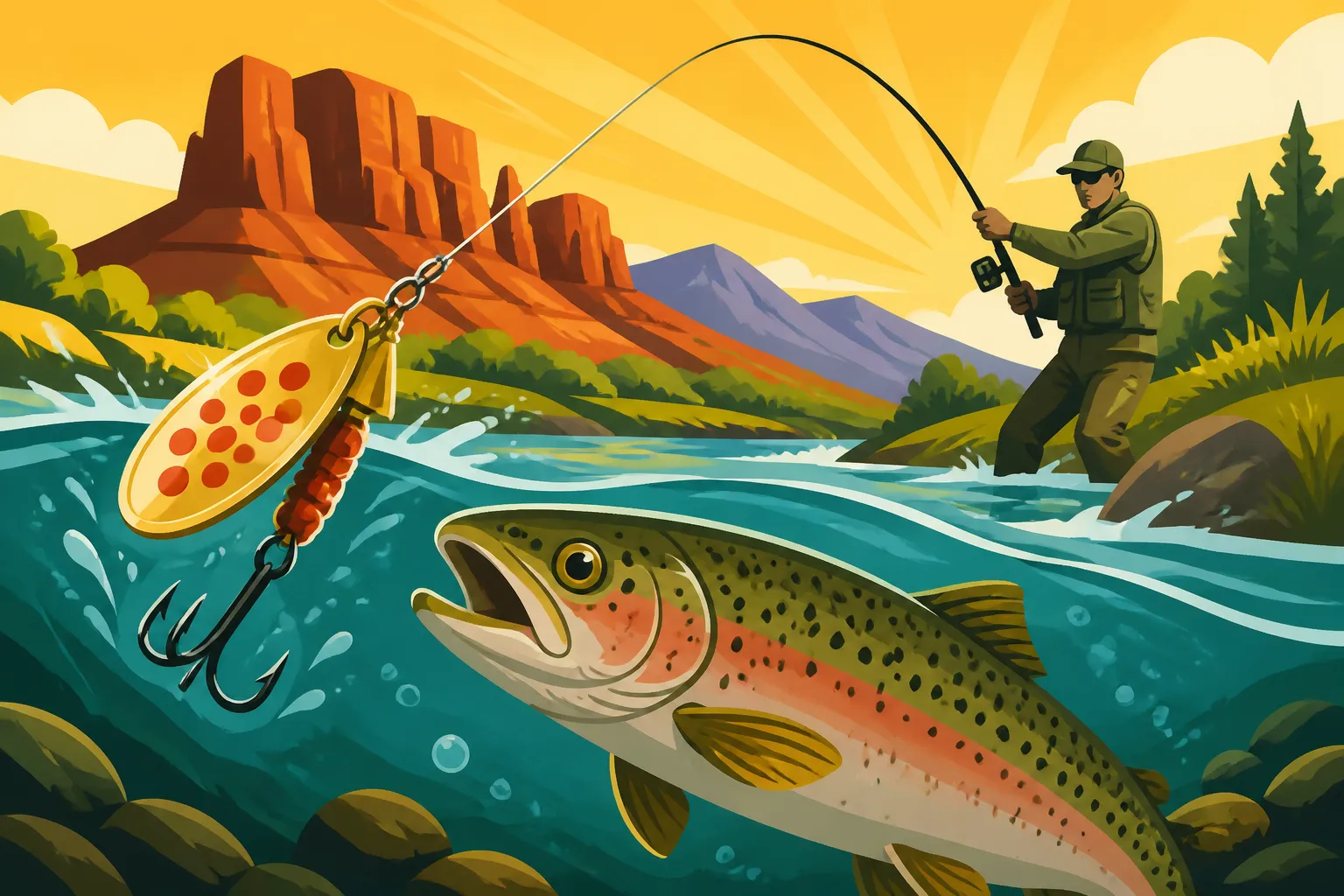
Imagine being a trout, lurking in the shadows of an undercut bank or behind a submerged boulder, waiting for an easy meal to drift by. Suddenly, something zips past, emitting a shimmering flash and a subtle thump-thump-thump vibration through the water. This is exactly what a spinner does. The rotating blade, whether it's a Colorado, Indiana, or willow leaf style, catches the sunlight and sends out bright, erratic reflections that scream "meal!" to any trout within striking distance. This visual stimulus alone is often enough to trigger a chase instinct, even in less aggressive fish.
Beyond the visual, the vibration created by the spinning blade is a crucial factor. Fish have a lateral line system, a sensory organ that detects pressure changes and vibrations in the water. This allows them to "feel" their surroundings and detect prey, even in murky conditions or low light. A well-tuned spinner creates a distinct hydrodynamic signature that fish can detect from a surprising distance. It's like a dinner bell ringing underwater, drawing trout in from their hiding spots to investigate. This combination of flash and vibration is incredibly hard for a trout to ignore, making it an excellent choice when trying to entice a strike.
Mimicking Natural Prey and Attracting Aggression
Trout are opportunistic predators, constantly on the lookout for small baitfish, insects, or crustaceans that might stray too close. A spinner, with its compact body and fluttering blade, does an excellent job of imitating these natural food sources. A small, shiny spinner darting through the water can easily be mistaken for a minnow frantically trying to escape, or a large aquatic insect struggling against the current. This realistic presentation often provokes a feeding response.
What's even more interesting is how spinners can trigger a trout's aggressive, territorial side. Sometimes, a trout isn't necessarily hungry, but the sudden intrusion of a flashy, fast-moving object into its territory can provoke a defensive strike. This is especially true for larger, more established trout that hold prime feeding lies. They may attack the spinner not out of hunger, but simply to drive away a perceived threat or competitor. This aggressive response can be a game-changer when fish are lethargic or not actively feeding on typical baits. It's also incredibly satisfying to feel that strong, sudden tug on your line when a trout commits to a spinner.
Choosing the Right Spinner for New Mexico's Waters
Selecting the perfect spinner isn't a one-size-fits-all affair in New Mexico. Our diverse waterways, from the crystal-clear, high-altitude streams of the Pecos Wilderness to the vast, often turbid reservoirs like Elephant Butte Lake, demand a thoughtful approach to lure selection. What works wonders in a small, brush-lined creek might be completely ineffective in a wide-open lake. Understanding the nuances of spinner types, sizes, and colors for different conditions is key to consistent success.
Spinner Types and Sizes for Diverse Conditions
When you walk into a tackle shop or browse online, the sheer variety of spinners can be overwhelming. However, most fall into a few common categories, each with its own advantages. The most popular are inline spinners, which feature a blade that rotates directly on a wire shaft. Brands like Mepps, Panther Martin, and Rooster Tail are classic examples that have caught countless trout across New Mexico.
- Colorado Blades: These are wide, round blades that create a lot of thump and lift. They're excellent in murky water or when you want to keep your lure higher in the water column. Their strong vibration makes them easier for fish to locate in low visibility.
- Indiana Blades: A hybrid between Colorado and willow leaf, these oval blades offer a good balance of flash and vibration. They're versatile and a great choice for all-around fishing.
- Willow Leaf Blades: Long and narrow, these blades produce less vibration but a lot of flash. They're ideal for fast current or when you need a spinner to sink quickly and run deep, as they create less drag. They're also great for mimicking slender baitfish.
For size, a general rule of thumb is to match the hatch, so to speak, but also consider the water size and target species. For small mountain streams or highly pressured "Quality Waters," a tiny #0 or #1 spinner (like a 1/16 oz or 1/8 oz) is often ideal, presenting a subtle offering to wary trout. When fishing larger rivers or reservoirs where trout might be feeding on bigger baitfish, you can comfortably go up to a #2 or #3 spinner (1/4 oz or 3/8 oz). If you're specifically targeting larger brown trout in a big river like the Rio Grande or an impoundment, don't be afraid to throw a #4 or #5 spinner to really grab their attention. On Amazon, you'll find variety packs that allow you to experiment with different sizes and blade types without breaking the bank.
Color Selection Based on Water Clarity and Light
Spinner color is another critical factor that can make or break your day on the water. It's not just about what looks good to you; it's about what looks appealing and visible to the fish under the specific environmental conditions. New Mexico's waters can range from gin-clear to tea-stained, and the sky can shift from bright sunshine to heavy overcast in a matter of minutes, so adjusting your color choice is paramount.
- Clear Water, Bright Sun: In these conditions, natural, muted colors and highly reflective metallics often perform best. Silver, gold, copper, and bronze blades are excellent choices, mimicking the flash of real baitfish. Natural patterns on the spinner body, like brown trout, rainbow trout, or silver shiner, can also be very effective. The key is to provide enough flash to attract attention without being overly aggressive and spooking cautious fish. You might find the "Best Lures for New Mexico Trout" article helpful for more specific recommendations.
- Cloudy Water, Overcast Skies, Low Light (Dawn/Dusk): When light penetration is low, you need colors that offer contrast and high visibility. Fluorescent colors like chartreuse, orange, or hot pink can really stand out. White or black blades can also create a strong silhouette against a dull sky or murky backdrop, making them easier for fish to spot. Glow-in-the-dark or UV-enhanced spinners can be fantastic options during dawn, dusk, or even during a night fishing session.
- Murky or Stained Water (e.g., after rain/runoff): When the water is heavily stained, like after a significant rain or during spring runoff, visibility is severely limited. This is when loud, bright, and highly contrasting colors are your best friends. Fire Tiger (a mix of bright green, yellow, orange, and black stripes), chartreuse, and bright orange are often killer patterns in these conditions. The strong colors, combined with the spinner's vibration, help fish locate the lure despite the poor visibility. Check out "Fishing New Mexico Rivers After Heavy Rain" for more tips on these challenging conditions.
Essential Spinner Fishing Gear for New Mexico
Having the right gear makes a huge difference in your spinner fishing success and overall enjoyment. You don't need to break the bank, but investing in a balanced setup tailored to New Mexico's fishing conditions will pay dividends. From the rod and reel to the line and terminal tackle, each component plays a vital role in presenting your spinner effectively and handling those powerful trout.
Rod and Reel Setup for Optimal Control
The rod and reel are your primary tools for casting, retrieving, and fighting fish. For spinner fishing for trout, you generally want a setup that's lightweight, sensitive, and offers good casting accuracy.
- Rod: A light to ultralight spinning rod, typically 5'6" to 7'0" in length, is ideal. The lighter action allows you to cast smaller, lighter spinners with ease and precision, which is crucial in New Mexico's typically clear waters where a subtle presentation is often key. A sensitive tip will help you feel even the slightest tap from a trout, while enough backbone in the lower section allows you to set the hook and fight larger fish effectively. For instance, if you're targeting brook trout in a small stream in the Carson National Forest, a 5'6" ultralight rod would be perfect. For bigger water like Navajo Lake, a 6'6" or 7'0" light-action rod would give you better casting distance.
- Reel: Pair your ultralight rod with a matching ultralight spinning reel, typically a 1000 or 2000 series. These reels are compact, lightweight, and have smooth drags, which are essential for preventing line breaks when a feisty trout makes a run. The smooth retrieve also helps keep your spinner working properly without any jerky motions. Brands like Shimano, Daiwa, and Pflueger offer excellent options that can be found on Amazon. Remember, balance is key: the reel should feel comfortable in your hand and complement the rod's weight, preventing fatigue during a long day of casting. For more specific recommendations, our guide on "Best Rod Setup for New Mexico Trout Fishing" goes into further detail.
Line and Leader Considerations
Your fishing line is the direct connection between you and the fish, so choosing wisely is paramount. For spinner fishing, you need a line that offers a good balance of strength, castability, and sensitivity.
- Main Line: Monofilament is a popular choice for spinner fishing due to its stretch, which acts as a shock absorber against sudden strikes, and its buoyancy, which can help keep your spinner running a bit higher. A 4-6 lb test monofilament is generally sufficient for most New Mexico trout. For anglers preferring more sensitivity and less stretch, a thin braided line (6-8 lb test equivalent) can be used, but it's crucial to then add a fluorocarbon leader.
- Leader: Regardless of your main line choice, a fluorocarbon leader is almost always a good idea, especially in New Mexico's clear waters. Fluorocarbon is nearly invisible underwater, significantly reducing the chances of spooking wary trout. It's also more abrasion-resistant than mono, which is beneficial when fishing around rocks or submerged timber. A 4-6 lb test fluorocarbon leader, about 2-4 feet long, should be tied to your main line using a strong knot like a double uni knot or an Albright knot. The "Trout Fishing Techniques for New Mexico" article might offer additional insights into leader strategies.
Essential Accessories
Don't overlook the small stuff – a few key accessories can greatly enhance your spinner fishing experience.
- Swivels: Always use a high-quality barrel or ball-bearing swivel between your main line and leader (or directly to your spinner if you're not using a leader). Spinners are designed to rotate, and without a swivel, your line will quickly twist into a tangled mess, weakening it and causing frustrating knots. A small, black swivel (size 10-14) is best to avoid attracting attention.
- Pliers/Forceps: Essential for safely removing hooks from fish, especially when practicing catch and release. Look for forceps with a long nose to reach deep-set hooks.
- Landing Net: A net with a rubber or knotless mesh is highly recommended for landing trout, as it protects their delicate slime coat and fins, especially if you plan on releasing them. This is a critical item when fishing in areas designated as "New Mexico Quality Waters Program" where catch and release is often encouraged or mandated.
- Tackle Box/Vest: A compact tackle box or fishing vest filled with a variety of spinners (different sizes, colors, and blade types), extra leaders, and your essential tools will keep you organized and ready to adapt to changing conditions. You want to be able to quickly switch out a spinner if one isn't producing.
Mastering Spinner Retrieval Techniques
The most beautiful spinner in the world won't catch fish if you're not retrieving it correctly. Spinner fishing is an active pursuit; it's all about imparting life and action to your lure to make it appear as natural and tempting as possible to a hungry trout. The retrieve speed, rod position, and understanding of the water current are all crucial elements that, when combined, create an irresistible presentation.
Steady Retrieve in Lakes and Slow Currents
When you're fishing still waters like lakes or reservoirs, or areas with very slow-moving currents, a steady retrieve is your bread and butter. The goal here is to keep the spinner blade consistently rotating, emitting its flash and vibration without interruption.
- Count-Down Method: Since there's no strong current to help sink your lure, you often need to let your spinner drop to the desired depth. After casting, count steadily (e.g., "one-thousand-one, one-thousand-two…") as the spinner sinks. Once it reaches the depth you want, begin a slow, steady retrieve. This allows you to explore different depths until you find where the fish are holding. For instance, on a calm morning at Fenton Lake, you might let your spinner sink for five seconds before reeling, then try ten seconds on the next cast, searching for actively feeding trout.
- Varying Speed: While a steady retrieve is the baseline, don't be afraid to experiment with slight variations in speed. Sometimes, a trout will follow a spinner but hesitate to strike. A slight acceleration, followed by a momentary pause (just enough to let the spinner flutter a bit without stopping its rotation), can often trigger that reactionary bite. Imagine a minnow darting quickly then pausing – this erratic movement can be key. However, avoid retrieving so fast that the blade blows out (stops spinning efficiently) or so slow that it simply drags along the bottom. The rod tip should be held fairly low, just above the water, to maintain direct contact with the lure and easily detect strikes.
Working Spinners in Fast-Moving Rivers and Streams
New Mexico's rivers and streams, from the legendary San Juan River to countless smaller mountain freestones, offer unique challenges and opportunities for spinner anglers. The current plays a massive role here, and understanding how to use it to your advantage is crucial.
- Casting Upstream and Across: One of the most effective techniques in moving water is to cast your spinner upstream and slightly across the current. As the spinner drifts downstream, reel just fast enough to take up the slack and keep the blade spinning. This allows the spinner to tumble naturally with the current, mimicking a distressed baitfish or insect washing downstream. It also presents the spinner to the fish from an upstream direction, giving them a more natural look at the lure before it passes.
- Swinging the Spinner: As your spinner drifts past you and begins to swing across the current, the blade's action will often increase, creating an enticing flash and vibration. This "swing" phase is a prime strike zone, as the spinner transitions from drifting downstream to moving across the current. Be ready for a strike as the spinner reaches the end of its swing directly below you.
- Utilizing Eddies and Seams: Trout often hold in quieter water just out of the main current, such as eddies behind rocks or along current seams where fast and slow water meet. Cast your spinner just upstream of these holding areas and let the current carry it into the strike zone. You might need to make shorter, more precise casts to target these specific spots. Remember that "New Mexico Fishing Regulations Overview" includes specific rules that might affect your technique in certain waters.
Top New Mexico Waters for Spinner Fishing
New Mexico boasts an incredible variety of waters, and while spinners can catch trout almost anywhere, some spots truly shine for this technique. Knowing where to go and what to expect in terms of fish species and water conditions can significantly increase your chances of a banner day. From renowned tailwaters to serene alpine lakes, the Land of Enchantment offers spinner anglers endless opportunities.
Rivers and Streams Where Spinners Excel
New Mexico's flowing waters are classic spinner country. The moving water imparts natural action to your lure, and trout are often actively looking for food washed downstream.
- The San Juan River: Below Navajo Dam, the San Juan River's "Quality Waters" are internationally famous for large, healthy trout. While fly fishing often gets the spotlight, spinners can be incredibly effective here, especially if you focus on the lower sections outside the strictly fly-and-lure-only zones. Using small, natural-colored spinners (like silver or gold Mepps or Panther Martin) in the deeper runs and riffles can yield impressive rainbow and brown trout. Remember to check specific regulations for the different sections of the river, as "Rules for the San Juan River Special Trout Water" can be quite strict. Even in the quality waters, a single barbless spinner can be deadly if permitted.
- The Rio Grande: This iconic river, particularly the sections north of Española and through the Rio Grande Gorge, offers fantastic trout fishing. The Rio Grande holds a mix of rainbow, brown, and even native Rio Grande cutthroat trout. Spinners in the 1/8 to 1/4 oz range, with silver or gold blades, are excellent choices for covering water and enticing strikes. Focus on pockets behind boulders, riffles, and the edges of deeper pools. Access points along the river, especially within the Rio Grande Wild and Scenic River corridor, provide ample opportunities for walk-wading and casting.
- High Mountain Streams: Countless smaller streams winding through the Sangre de Cristo and Gila mountains are perfect for ultralight spinner fishing. Streams like the Pecos River (upper sections), Rio Chama, and smaller tributaries often hold wild brook trout, rainbow trout, and cutthroat trout. These waters are often brushy, so accurate casting with small (1/16 oz to 1/8 oz) spinners is key. Natural patterns like copper or brass blades work well in these pristine environments. The article "High Altitude Fishing Tips for New Mexico" can give you a leg up on these challenging but rewarding fisheries.
Lakes and Reservoirs Productive for Spinners
While rivers might seem like the natural habitat for spinners, many of New Mexico's lakes and reservoirs also offer outstanding spinner fishing, particularly for stocked trout and even some warm-water species that can't resist the flash.
- Fenton Lake State Park: Nestled in the Jemez Mountains, Fenton Lake is a beautiful, easily accessible trout lake that's regularly stocked. Spinners are a top choice here for rainbow trout. Silver, gold, or even brightly colored (chartreuse, orange) spinners in the 1/8 oz to 1/4 oz size range are highly effective. Cast from shore or a small boat, varying your retrieve depth until you find where the fish are holding. While it's generally known for being a fly-fishing haven, it's worth checking the "Fenton Lake Fly Fishing Only Rules" to ensure you're in a section where spinners are permitted.
- Eagle Nest Lake State Park: This large, high-altitude lake near the town of Eagle Nest is renowned for its kokanee salmon and large trout, including hefty rainbows and cutthroats. Trolling with spinners (often tipped with corn or a small piece of worm) behind a downrigger can be incredibly productive for kokanee. For casting from shore or a boat, use larger (1/4 oz to 3/8 oz) silver or gold spinners, especially in low light conditions or during periods of active feeding.
- Urban Ponds: Don't overlook the many urban ponds scattered throughout cities like Albuquerque, Santa Fe, and Las Cruces. These ponds are regularly stocked with rainbow trout, making them fantastic, family-friendly spots for spinner fishing. Small (1/16 oz to 1/8 oz) bright-colored spinners (chartreuse, orange, pink) or classic silver/gold patterns will often entice these freshly stocked fish. They are great places to introduce "Kids and Fishing Licenses in New Mexico" to the sport. Many of these ponds are listed in guides like "Best Places to Fish in New Mexico".
| Spinner Blade Color | Best Water Clarity | Light Conditions | Target Species/Notes |
|---|---|---|---|
| Silver/Chrome | Clear to lightly stained | Bright Sun to Overcast | Rainbow, Brown Trout; mimics minnows; all-around good. |
| Gold/Brass | Clear to moderately stained | Sunny to Overcast | Brown, Cutthroat Trout; great in warmer or tannin-stained water. |
| Copper | Clear to moderately stained | Sunny to Overcast | Native Trout (Gila, Rio Grande Cutthroat); subtle, natural. |
| White/Pearl | Lightly stained to murky | Low Light, Overcast | Rainbow, Stocked Trout; strong contrast. |
| Chartreuse | Stained to Murky | Low Light, Overcast | Stocked Trout, Aggressive Bites; high visibility. |
| Orange/Pink | Stained to Murky | Low Light, Overcast | Stocked Trout, Salmon (Kokanee); excellent for aggressive strikes. |
| Black/Dark | Any clarity (silhouette) | Very Low Light, Night | Large Trout, especially Brown; strong silhouette, good in moonlight. |
| Fire Tiger | Stained to Murky | Any (especially low light) | Aggressive Trout; high contrast, great reactionary strike bait. |
Tips and Tricks for Maximizing Your Spinner Fishing Success
Beyond choosing the right spinner and mastering the retrieve, there are a host of small details and strategic considerations that can elevate your spinner fishing game in New Mexico. These nuanced approaches can often be the difference between a few nibbles and a truly productive day on the water, especially when dealing with finicky trout.
Reading the Water and Targeting Productive Areas
One of the biggest mistakes new anglers make is casting randomly. Trout are not evenly distributed throughout a water body; they hold in specific areas that offer food, shelter, and favorable water conditions. Learning to "read the water" is an invaluable skill.
- Structure is Key: Look for any kind of underwater structure: submerged logs, large rocks, ledges, drop-offs, or weed beds. These provide trout with cover from predators and current, as well as ambush points for prey. Cast your spinner to run parallel to these structures or just past them.
- Current Seams and Eddies: In rivers and streams, identify where fast-moving water meets slower water. These "seams" are highways for food and prime feeding lanes for trout. Eddies (areas of swirling, calm water behind obstacles) are also excellent holding spots, as trout can rest without expending much energy while waiting for food to wash by. A good cast into the head of an eddy, allowing the spinner to drift down and swing out, can be deadly.
- Depth Changes: Even subtle changes in bottom contour can hold fish. Look for areas where a shallow flat drops into a deeper channel. Trout will often sit on the edge of the deeper water, darting into the shallows to feed. Using the "count-down" method in lakes allows you to systematically explore different depths until you find the strike zone. If you're struggling to find fish, remember to check the "New Mexico Fishing Season Calendar" for the best times to target different species, as their holding patterns can change seasonally.
Enhancing Your Spinner with Scents and Trailers
While spinners are effective on their own, a little enhancement can sometimes make them even more enticing, especially on tough fishing days or in highly pressured waters.
- Scent Attractants: Trout rely heavily on their sense of smell. Adding a drop of fish attractant gel or spray (like those from Pautzke, Pro-Cure, or other brands available on Amazon) to your spinner blade or dressing can make a significant difference. Scents mimicking natural prey like minnows, shad, or even garlic (a surprisingly effective attractant for trout) can draw in curious fish and encourage them to hold onto the lure longer, giving you a better chance to set the hook. Reapply every 15-20 casts or if the scent wears off.
- Soft Plastic Trailers: Sometimes, a small addition to the spinner's hook can add extra bulk, action, and appeal. A tiny soft plastic grub, curly tail, or even a piece of a small worm (like a Berkley Gulp! Alive! Minnow or a simple mealworm) threaded onto the hook can provide an extra burst of color, a subtle wriggling action, and a natural scent profile. This is particularly effective for less aggressive fish or when you want to bulk up your presentation slightly for larger trout. Just be mindful of local regulations, as some "Special Trout Water" areas may restrict the use of bait or scented lures.
Adapting to Weather and Light Conditions
Trout behavior is heavily influenced by weather and light. What worked an hour ago might not work now, so being able to adapt is crucial.
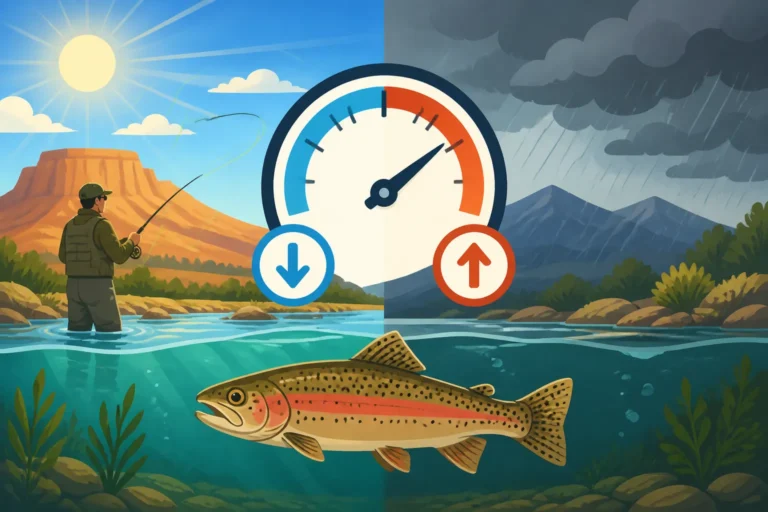
- Sun vs. Clouds: On bright, sunny days with clear skies, trout often retreat to deeper, shadier areas. Use natural, less flashy spinner colors (silver, gold, copper) and aim for shaded banks, deep holes, or areas with overhead cover. When it's cloudy or overcast, trout tend to be more active and less wary, often moving into shallower water. This is a great time to experiment with brighter, more aggressive colors like chartreuse or fire tiger.
- Wind and Rain: A light chop on the water from a breeze can actually be beneficial, breaking up the surface and making your presence less obvious to fish. However, strong winds can make casting difficult and often push baitfish (and thus trout) to one side of a lake. In rivers, rain can muddy the water, requiring brighter, louder spinners as discussed earlier. Heavy rain can also increase water flow, making fish hold tighter to cover. Be prepared with appropriate rain gear for yourself and consider the impact on water conditions for the fish. For more detailed insights, you might consult "New Mexico Fishing Regulations Overview" and look at the sections on environmental factors.
Disclaimer
Fishing inherently involves risks, including but not limited to injuries from hooks, slips, falls, and encounters with wildlife. Always prioritize safety, understand and follow all local and state fishing regulations, and be aware of your surroundings. The information provided in this guide is for informational purposes only and does not constitute professional advice. Always check the most current regulations from the New Mexico Department of Game and Fish before heading out.