Lake Avalon Fishing Near Carlsbad
Anglers visiting the Carlsbad area often hear about Lake Avalon, but they sometimes arrive unsure about what to expect or how to best approach its unique waters. This lake presents particular challenges, from fluctuating water levels that change access points to the specific feeding patterns of its resident fish, which can leave even experienced anglers scratching their heads. This comprehensive guide aims to demystify Lake Avalon, offering seasoned advice on everything from identifying prime fishing locations to selecting the most effective gear and understanding the local aquatic ecosystem.
Lake Avalon's Unique Characteristics and Angling Realities
Lake Avalon isn't your typical New Mexico reservoir. It’s a vital component of the Carlsbad Irrigation District, which means its water levels are constantly in flux, dictated by agricultural demands and the Pecos River’s flow. This dynamic environment can be both a blessing and a curse for anglers, creating ever-changing habitat and access points that require a keen eye and adaptability.
Understanding Lake Avalon's Water Levels and Flow
The most defining feature of Lake Avalon is its highly variable water level. Because it's an irrigation reservoir, water is regularly drawn down, especially during the warmer months when irrigation demands are at their peak. What might be a deep cove one week could be a muddy flat the next. This fluctuation significantly impacts where fish congregate, how accessible shorelines and boat ramps are, and even the clarity of the water. When levels are dropping, fish tend to concentrate in remaining deeper channels and around submerged structures that become more prominent. Conversely, during periods of higher water, fish spread out, often moving into newly flooded vegetation, which can provide excellent cover and feeding opportunities but also make them harder to locate. It’s crucial to check local conditions or call the Carlsbad Irrigation District or a local tackle shop before heading out, as what you see online might not reflect current realities. This constant change makes local knowledge incredibly valuable, and many experienced anglers learn to "read" the lake's conditions by observing water lines on the banks and exposed structures.
Primary Fish Species and Habitat Dynamics
Despite its fluctuating nature, Lake Avalon supports a surprisingly robust fishery, predominantly warm-water species. You'll primarily find largemouth bass, channel catfish, and various panfish like crappie and bluegill thriving here. These species are resilient and have adapted to the changing environment. Largemouth bass will often hold tight to any available structure—whether that's submerged timber, rock piles, or newly flooded brush—using it for ambush points. During periods of low water, these structures become concentrated, making them prime targets. Catfish, being less structure-dependent, will cruise the deeper channels and flats, especially in stained water, scavenging for food. Panfish, like crappie and bluegill, are usually found in schools, often orienting themselves around brush piles, docks, or even the remnants of old culverts, particularly when these areas offer a bit more stable depth. The lake's connection to the Pecos River means there's a constant input of nutrients and, occasionally, new fish from upstream, adding to the lake's ecological complexity. Understanding the typical behavior of these fish species in a fluctuating environment is key to consistently finding them.
Prime Fishing Strategies for Lake Avalon's Diverse Waters
Fishing Lake Avalon successfully requires a strategic approach tailored to its unique conditions and the habits of its resident fish. You can't just throw out any lure and expect magic; you need to think about what the fish are doing in response to water levels, temperature, and available forage.
Bass Fishing: Largemouth and Smallmouth Tactics
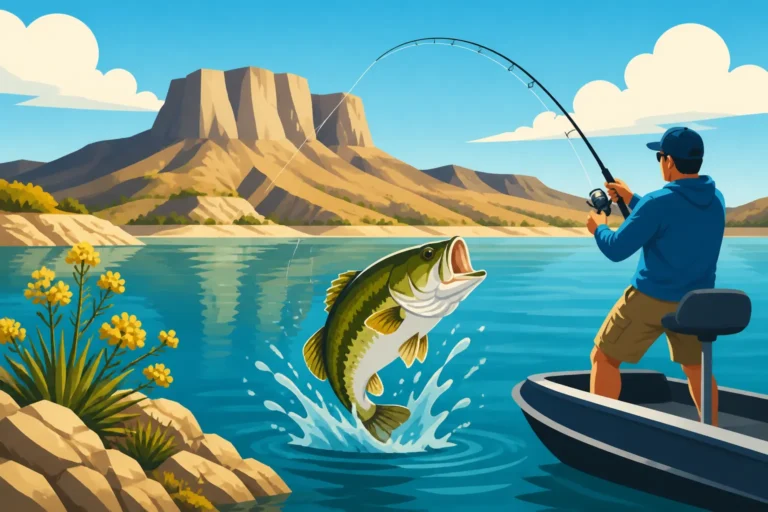
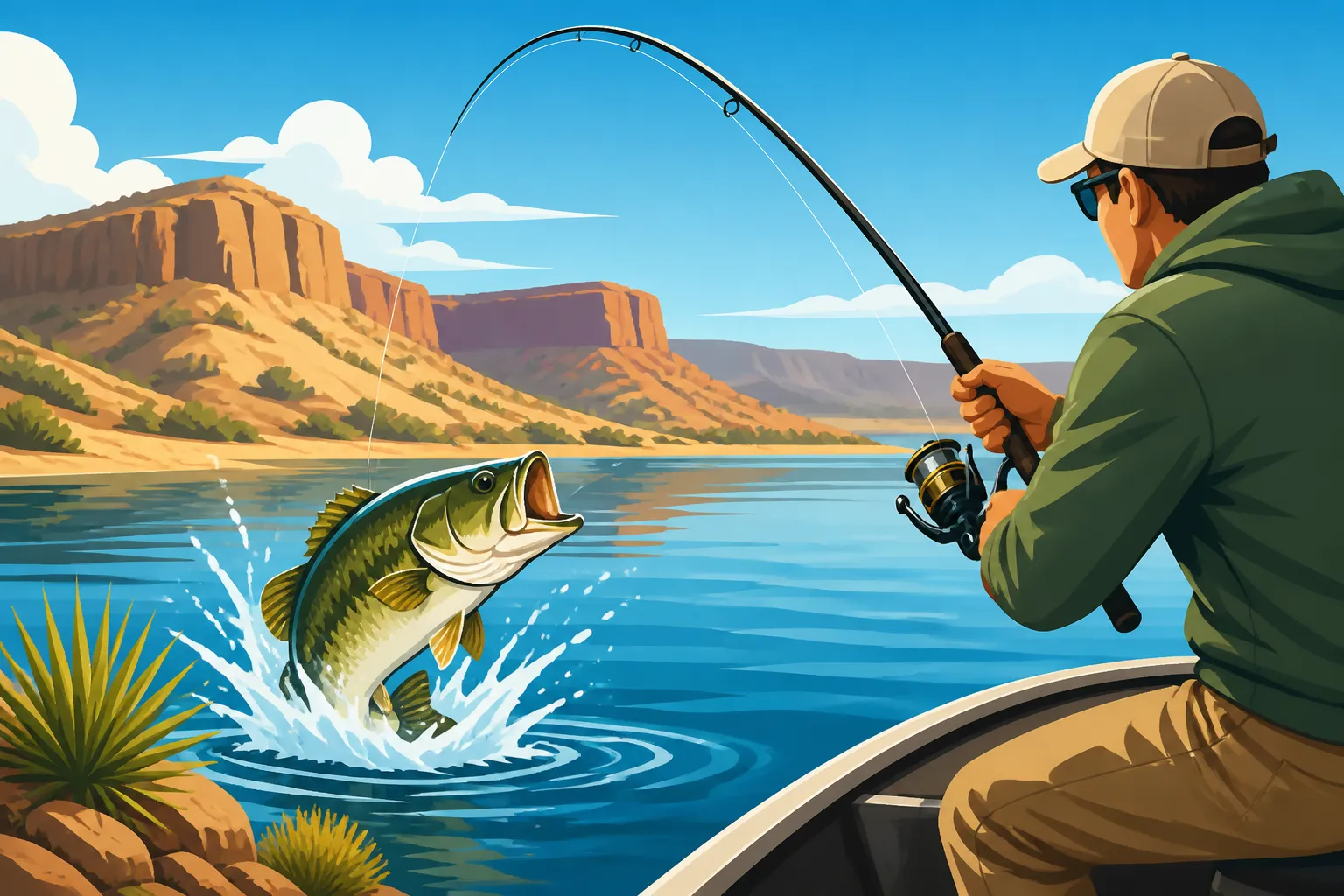
While largemouth bass are the dominant bass species, the dynamic environment occasionally introduces smallmouth bass from upstream sections of the Pecos River, though they are less common targets. For largemouth, the name of the game is structure and cover. During the warmer months (spring through fall), when water levels are relatively stable or drawing down slowly, look for bass in submerged timber, rock piles, and any patches of aquatic vegetation. Topwater lures like poppers or frogs can be explosive in early mornings or late evenings around thick cover. During the day, soft plastics, such as Texas-rigged worms or creature baits, pitched into heavy cover, are highly effective. Crankbaits and spinnerbaits excel when bass are actively feeding along channel edges or around points, especially when the water has a bit more stain.
If water levels are low, bass will often stack up in the remaining deep pockets or around isolated pieces of cover that become more exposed. This is when patience and precision casting with jigs or slow-rolled spinnerbaits can pay off. Focus on abrupt depth changes or shaded areas where fish might seek refuge from the sun. If you're targeting bass after a recent rise in water, explore the newly flooded shallow areas where bass move in to feed on insects and small prey that have been washed in. Understanding Largemouth Bass Fishing in New Mexico techniques will certainly give you an advantage.
Catfish Hunting: Bottom Dwellers and Night Owls
Lake Avalon is a fantastic spot for channel catfish, especially for anglers who enjoy a relaxed yet rewarding experience. Catfish are generally less finicky than bass and are active throughout the day, though their feeding often intensifies during low-light conditions or after dark. Look for catfish in the deeper parts of the lake, particularly along the main river channel that runs through Avalon, as well as in deeper holes and around areas where the bottom transitions from soft mud to rock.
The most effective baits for channel catfish are typically smelly ones: prepared stink baits, cut bait (like shad or carp), chicken livers, or even hot dogs. Use a simple Carolina rig or a slip-sinker rig with a sturdy hook (like a 2/0 to 4/0 circle hook) on the bottom. Cast your bait out, let it sink, and keep a watchful eye on your rod tip. Night fishing for catfish can be incredibly productive, as they become bolder under the cover of darkness. Many local anglers will set up chairs, bring some snacks, and enjoy the peaceful evening while waiting for a bite. If you're interested in more detail, our Catfish Fishing in New Mexico guide offers excellent additional insights.
Crappie and Panfish: Schooling for Success
Crappie and bluegill are abundant in Lake Avalon and provide excellent action, especially for families and beginners. These panfish tend to school, so once you find one, you're likely to find more. The key to locating them is identifying submerged cover, such as brush piles, sunken trees, or old dock pilings, where they seek refuge and ambush small prey.
For crappie, small jigs (1/16 to 1/8 ounce) tipped with a small plastic grub, minnows, or even a tiny spoon are incredibly effective. A common tactic is to use a slip bobber to present your bait at a specific depth, slowly reeling it in or letting it drift near cover. Bluegill are often found in shallower water than crappie, especially around weed beds or flooded terrestrial vegetation. They readily take small worms, crickets, or tiny spinners. For both crappie and bluegill, ultralight spinning gear is ideal, providing maximum sport and sensitivity to their subtle bites. These fish are also excellent table fare, making them a popular target for many anglers.
Essential Gear, Bait, and Local Know-How for Success on Lake Avalon
Having the right gear and understanding local nuances can dramatically improve your fishing experience at Lake Avalon. It’s not just about having a rod; it's about having the right rod for the conditions and the fish you're targeting.
Recommended Rods, Reels, and Line Setups
Given the diversity of species and techniques, a versatile tackle setup is beneficial. For general warm-water fishing (bass, catfish, larger panfish), a medium-power, fast-action spinning rod (6'6" to 7') paired with a 2500 or 3000 series spinning reel is an excellent all-around choice. Spool it with 8-12 lb monofilament or fluorocarbon line, or consider a braided line in the 15-20 lb range for its sensitivity and strength, especially when fishing around cover. If you opt for braid, remember to use a fluorocarbon leader for stealth.
For targeting crappie and bluegill specifically, an ultralight or light-power spinning rod (5'6" to 6'6") with a smaller 1000 or 2000 series reel spooled with 4-6 lb monofilament or fluorocarbon will make every panfish feel like a trophy. This lighter setup allows for casting small jigs and baits with ease. When dealing with the robust channel catfish, a medium-heavy rod and a 4000 series reel with 15-20 lb monofilament or braided line will give you the backbone needed to haul in larger specimens. For a more in-depth look at optimal setups, refer to our guide on Best Fishing Gear for New Mexico Anglers.
Best Baits and Lures for Local Conditions
Matching your bait to the conditions and the fish's mood is paramount. For bass, a diverse selection of lures is wise. Soft plastics, such as Yamamoto Senkos (green pumpkin, watermelon red flake), Zoom Flukes, or Strike King Rage Craws, are highly effective when fished Texas-rigged or wacky-rigged. Crankbaits in shad or crawfish patterns are good for covering water. Spinnerbaits with tandem willow blades work well in stained water.
Catfish, as mentioned, are drawn to scent. Punch baits from brands like Team Catfish, shad-flavored stink baits, nightcrawlers, or cut pieces of sunfish are all excellent choices. For crappie and bluegill, small curly-tail grubs (1-2 inches) in chartreuse, white, or black on tiny jig heads are deadly. Live minnows, crickets, and red worms are also surefire bets for panfish. Always carry a variety; you never know what the fish will prefer on a given day.
Seasonal Considerations and Weather Impacts
Lake Avalon, like most New Mexico waters, has distinct seasonal fishing patterns. Spring sees fish moving into shallower waters for spawning, making them more accessible and aggressive. This is a prime time for bass and crappie. As summer progresses, fish often move deeper to find cooler water, especially during the hottest parts of the day, making early morning and late evening fishing more productive. Catfish, however, remain active throughout the summer. Our article on the Best Time of Year to Fish in New Mexico delves deeper into these seasonal nuances.
Fall can be fantastic as fish feed heavily in preparation for winter, often moving back into shallower feeding zones. Winter fishing can be slower, but determined anglers can still find success targeting deeper holes for catfish or vertical jigging for crappie. Wind is a significant factor on Lake Avalon; strong winds can make boating challenging and muddy up shorelines. Always check the forecast and consider how wind direction might affect fish location and water clarity.
Navigating Lake Avalon: Access, Facilities, and Local Tips
Getting on and around Lake Avalon can be straightforward, but knowing the specifics of access points and available amenities will save you time and frustration, especially given the variable water levels.
Boat Ramps and Kayak Launch Points
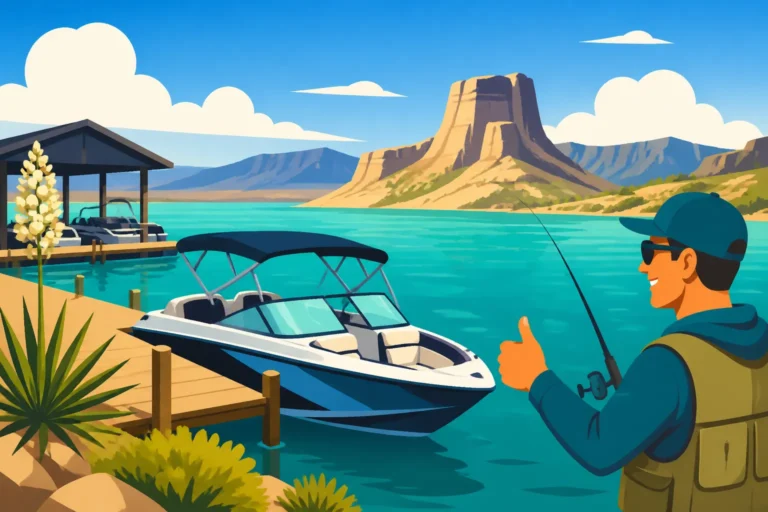
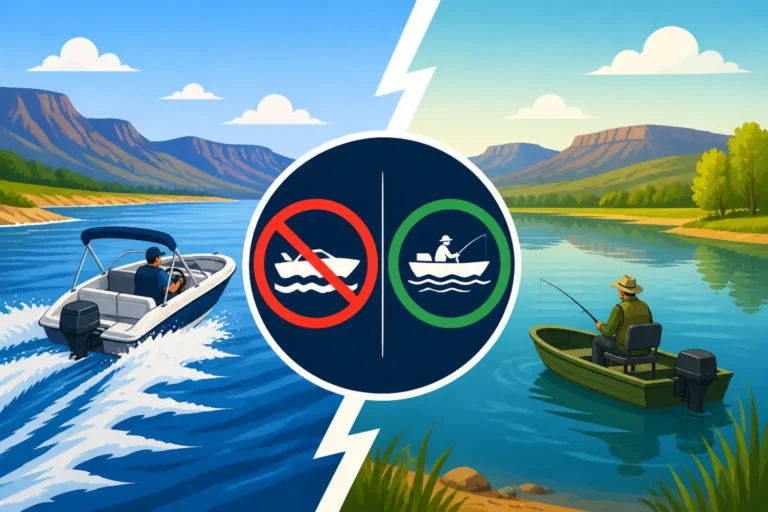
Lake Avalon typically has at least one operational boat ramp located off New Mexico Highway 31, south of Carlsbad. However, it's vital to remember that water levels directly impact the usability of this ramp. During significant drawdowns, larger boats may find it impossible to launch, and even smaller jon boats or kayaks might require more effort. Always verify the current ramp status before towing your boat a long distance. For kayaks and canoes, several informal launch points can be found along the shoreline, especially where the terrain is gently sloped. These are usually less affected by minor water level changes. Paddlers will appreciate the quieter coves for fishing, providing a peaceful experience away from any motorized boat traffic. Always ensure your boat is properly registered according to the New Mexico Boat Registration and Titling Guide. If you are bringing a larger vessel, it's always a good idea to scout the launch situation beforehand or consult a local bait shop.
Prime Bank Fishing Locations
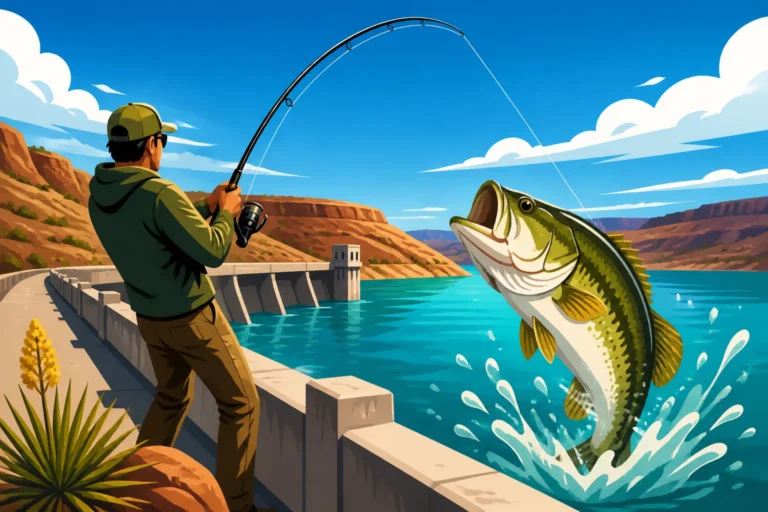
For those without a boat, Lake Avalon still offers plenty of opportunities for bank fishing. The accessible shoreline areas, particularly around the dam and along the eastern side near the main road, are popular spots. These areas often provide access to deeper water and are regularly stocked with fish. Look for points, coves, or any areas with submerged structure visible from shore, as these will concentrate fish. During periods of lower water, more shoreline becomes exposed, potentially opening up new bank fishing spots. Families often enjoy these easily accessible areas, especially for targeting panfish. Just be mindful of private property and irrigation infrastructure. Public access is generally well-marked, and many anglers simply drive the perimeter roads looking for promising pull-offs. Our guide on Bank Fishing Techniques for New Mexico Lakes can provide additional strategies for shore-based success.
Navigating Permits and Rules
Before you even cast a line, ensure you have the proper permits. A valid New Mexico Fishing License Guide is mandatory for anyone 12 years of age or older, resident or non-resident. You can purchase these online through the New Mexico Department of Game and Fish website, at authorized vendors like Walmart and local sporting goods stores, or by phone. Additionally, remember to be aware of the New Mexico Fishing Regulations Overview, which covers bag limits, possession limits, and any special restrictions specific to Lake Avalon or the Pecos River drainage.
For instance, while Lake Avalon doesn't typically have "Special Trout Water" rules, it's always wise to check the current year's fishing proclamation for any updates. The New Mexico Department of Game and Fish website is the most reliable source for up-to-date regulations. If you're planning a trip and want to connect with local expertise, sometimes booking a guided trip through platforms like FishingBooker can offer you not only a fantastic fishing experience but also direct, current knowledge of regulations and the lake's conditions.
Local Tips and Considerations
Engaging with the local angling community can provide invaluable insights. Stop by a local bait and tackle shop in Carlsbad; they'll often have the most current information on water levels, what baits are working best, and recent catches. Many locals are happy to share their knowledge. Also, consider the impact of sun and heat, especially in summer. New Mexico sun is intense, so bring plenty of water, sunscreen, and appropriate clothing. If you're using a boat, be aware that pleasure craft can also use the lake, so be respectful of other users. For those looking for a guided experience that leverages local knowledge, searching on platforms like FishingBooker can help you find experienced guides who know Lake Avalon intimately. Remember that conditions change, so adaptability and a willingness to explore different spots and techniques will serve you well on Lake Avalon.
Here's a quick reference for some of the common species and effective approaches:
| Species | Primary Location | Best Baits/Lures | Prime Season | Key Technique |
|---|---|---|---|---|
| Largemouth Bass | Submerged timber, rock piles, weed beds | Soft plastics, crankbaits, spinnerbaits, topwaters | Spring, Fall | Pitching, casting, working cover |
| Channel Catfish | Deeper channels, holes, transition zones | Stink baits, cut bait, chicken liver, nightcrawlers | Spring, Summer, Fall | Bottom fishing (Carolina/slip-sinker rig) |
| Crappie | Brush piles, sunken trees, docks | Small jigs (1/16-1/8 oz), minnows, small spoons | Spring | Vertical jigging, slip bobber |
| Bluegill | Shallow weed beds, flooded vegetation, rocky banks | Worms, crickets, small spinners, tiny jigs | Spring, Summer, Early Fall | Ultralight casting, bobber fishing |
Remember, the success on Lake Avalon often comes down to adapting to its ever-changing environment. Stay flexible, pay attention to the details, and enjoy the unique challenge this Pecos River reservoir offers. For more expert advice, consider checking out our guides on topics like Warm Water Fishing Techniques for New Mexico to refine your approach.
Disclaimer
The information provided in this guide is for general informational purposes only and is subject to change. Always consult the official New Mexico Department of Game and Fish regulations and local authorities for the most current rules, conditions, and safety guidelines before planning any fishing trip. Fishing conditions, including water levels and fish behavior, can vary greatly.