Storrie Lake Fishing
Ah, the quest for a truly rewarding fishing experience in New Mexico can often feel like searching for a needle in a vast, beautiful haystack. So many stunning spots, but which ones truly deliver, especially if you’re looking for something accessible yet productive, perhaps near the historic charm of Las Vegas, New Mexico? This guide dives deep into Storrie Lake, a gem often overlooked, revealing everything you need to know to make your next angling adventure a memorable success.
Discovering Storrie Lake: A Northern New Mexico Fishing Gem
Storrie Lake State Park, nestled just north of Las Vegas, offers a surprisingly diverse fishing experience that often flies under the radar. Many anglers zip past on I-25 heading to more famous, distant waters, but they're missing out on a convenient and vibrant fishery. It's that sweet spot where accessibility meets opportunity, providing a fantastic day out for seasoned pros and families alike.
Location and Accessibility for Anglers
One of the biggest frustrations for New Mexico anglers can be the sheer distance to some of our prime fishing locations. Storrie Lake totally bypasses that problem for many. Located only a few minutes from the city of Las Vegas, it’s incredibly easy to get to, making it an ideal choice for a spontaneous afternoon trip or a weekend getaway without a huge drive. You don’t need a high-clearance vehicle to reach it, and the well-maintained roads within the state park lead right to fishing access points, boat ramps, and camping areas. This ease of access is a huge plus, especially if you’re bringing kids or have limited mobility. Think less time driving, more time fishing – a concept we can all appreciate! For those visiting the area, the proximity to a full-service town means you're never far from supplies, bait, or a warm meal after a long day on the water.
Lake Characteristics and Seasonal Changes
Storrie Lake is a relatively shallow, high-desert reservoir, which means its water temperatures can fluctuate quite a bit throughout the year. This directly impacts fish behavior and, consequently, your fishing strategy. In the spring, as ice recedes and temperatures slowly climb, the lake comes alive. The fish become more active, moving into shallower areas to feed. Summer brings warmer surface temperatures, pushing trout into deeper, cooler pockets, while warm water species like bass and catfish thrive in the heat.
The lake itself isn't massive, covering about 1,100 surface acres at full capacity, but don't let its size fool you. It holds excellent fish populations. However, like many New Mexico waters, Storrie Lake's water levels can vary due to snowpack and irrigation demands. It's always a good idea to check current conditions before you head out. A lower lake level might expose new shoreline fishing spots or alter boat ramp access, so a quick check with the New Mexico Department of Game and Fish (NMDGF) or the state park office can save you a headache. Understanding these characteristics is key to unlocking its potential; it's not a static environment, and adapting to its rhythms is part of the fun.
The Bountiful Waters of Storrie Lake: What You'll Catch
Storrie Lake is primarily known as a fantastic trout fishery, thanks to regular stockings by the NMDGF. But it's not a one-trick pony! Anglers can also find a healthy population of warm water species, offering diverse opportunities depending on your preference and the season. This variety is part of what makes Storrie Lake such a versatile fishing spot.
Targeting Rainbow and Brown Trout
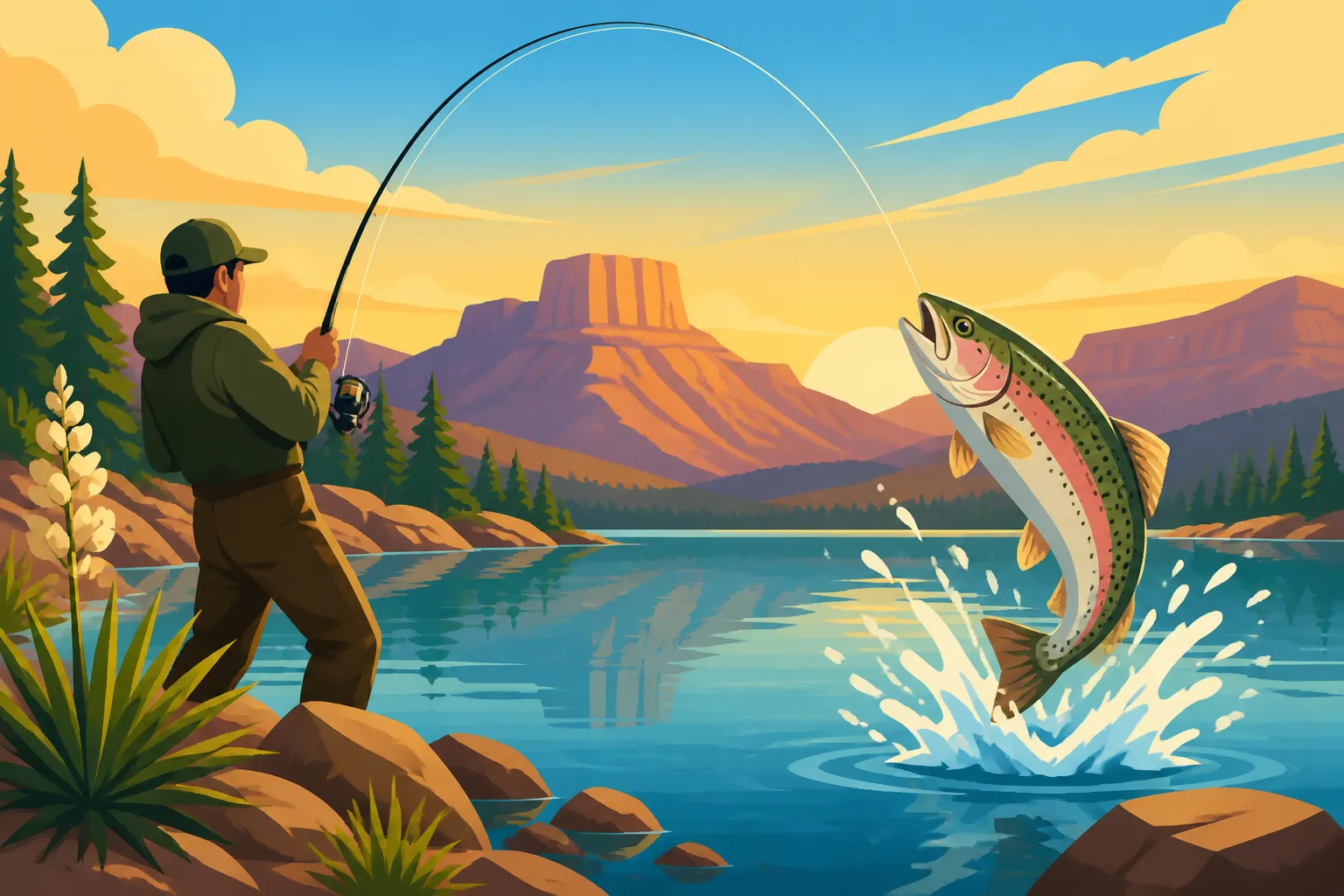
If you're a trout enthusiast, Storrie Lake is a must-visit. The NMDGF regularly stocks the lake with both rainbow and brown trout, often multiple times a year. This consistent stocking ensures a vibrant and healthy population, increasing your chances of a successful outing. Anglers frequently report catching rainbow trout ranging from 10 to 18 inches, with some lucky folks hooking into larger holdovers that have managed to survive and grow. Brown trout are also present and can offer a more challenging catch, often growing to impressive sizes for those willing to put in the effort.
Many anglers feel a huge sense of relief knowing that a stocked lake provides a more consistent fishing experience, especially if they're introducing someone new to the sport. The excitement of a steady bite helps build confidence and enjoyment. For insights into general trout fishing regulations, refer to our comprehensive guide on New Mexico Trout Fishing Rules. When fishing for trout here, consider the cooler months of spring and fall, and even winter if ice fishing is an option, as these are often prime times. During the warmer summer months, look for trout in deeper, cooler waters, often near the dam or submerged structures. You might even find success fishing early mornings or late evenings when surface temperatures are lower.
Pursuing Warm Water Species: Bass, Catfish, and More
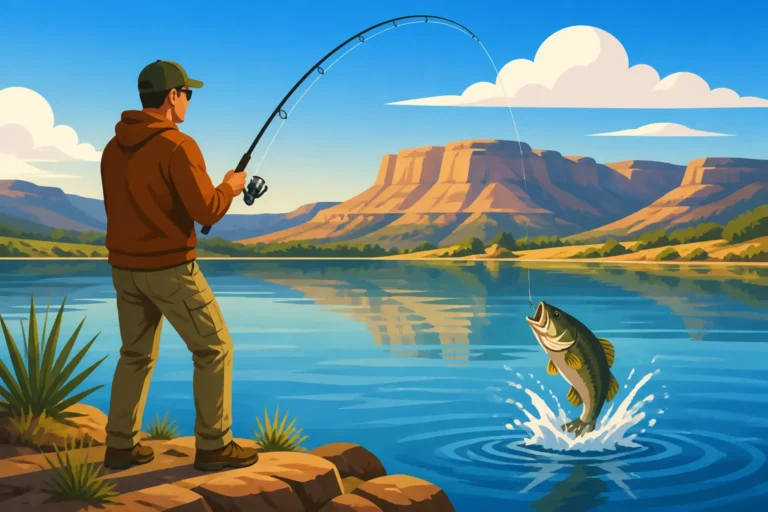
While trout steal the spotlight, Storrie Lake also boasts a respectable population of warm water fish that are incredibly fun to target, especially when the summer sun makes trout fishing tougher. You'll find largemouth bass lurking in submerged vegetation and around rocky points, offering exciting topwater action in the mornings and evenings. They might not be trophy-sized monsters, but they provide plenty of spirited fights.
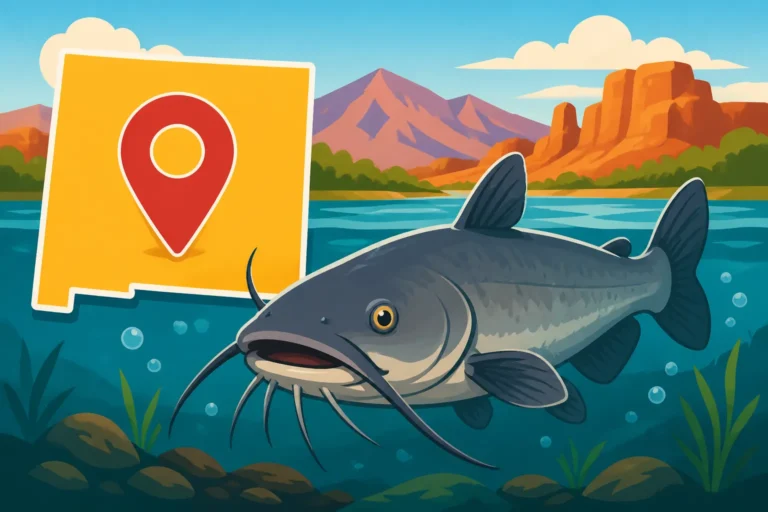
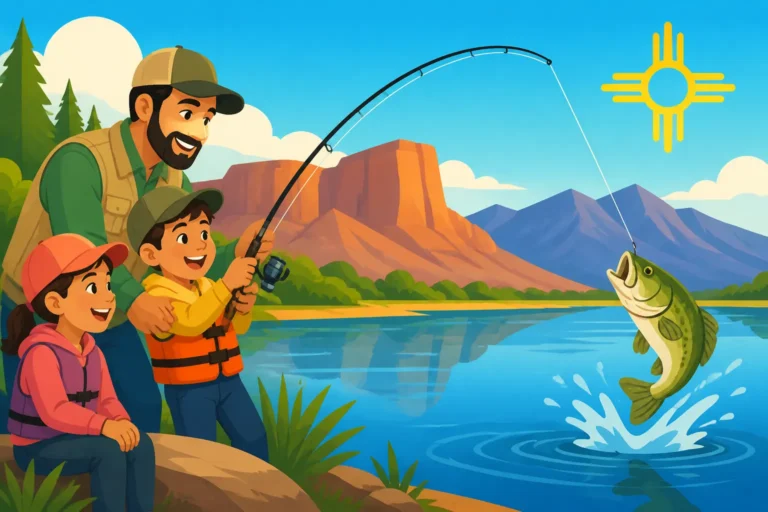
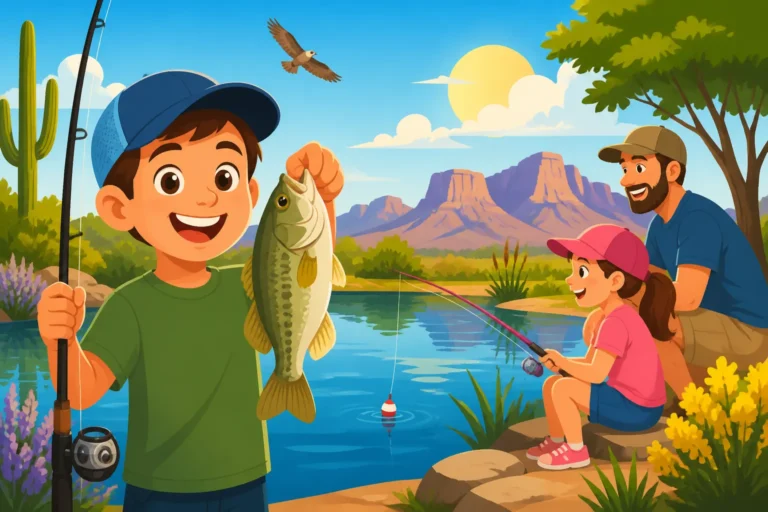
For those who love a good fight and a tasty dinner, channel catfish are abundant. These whiskered bottom-dwellers can grow quite large, and they're often active throughout the warmer months, especially at night. Many local anglers swear by chicken livers or cut bait for these guys. Additionally, Storrie Lake is home to crappie and various sunfish species, making it an excellent spot for panfish enthusiasts or anyone introducing kids to fishing. These smaller fish offer fast action and are perfect for teaching casting and reeling techniques. The variety of species means you can always find something biting, no matter the season or time of day, making Storrie Lake a fantastic choice for diverse fishing interests.
Mastering Storrie Lake: Techniques, Tips, and Seasonal Strategies
Fishing Storrie Lake successfully means understanding how to adapt your approach to the species you're targeting and the conditions of the lake. It's not just about throwing a line in; it's about matching the hatch, choosing the right lure, and knowing when and where to cast.
Effective Baits and Lures for Storrie Lake
When it comes to Storrie Lake, flexibility is your best friend. For the ever-popular trout, PowerBait in various bright colors (chartreuse, rainbow, or even a simple white) fished off the bottom with a small treble hook and an egg sinker is a perennial favorite. Many anglers also find success with small spinners like Mepps or Panther Martins, especially when retrieved slowly along drop-offs or near submerged structures. For those who prefer a more natural approach, worms or corn can be incredibly effective. Consider checking out our insights on the Best Lures for New Mexico Trout for more specific recommendations.
For warm water species, your tackle box will need to shift gears. Largemouth bass will respond well to soft plastics (like Texas-rigged worms or Senkos) fished slowly, crankbaits mimicking baitfish, and topwater lures during low-light conditions. Catfish, as mentioned, are suckers for smelly baits – chicken livers, prepared stink baits, or even hot dogs will get their attention. Crappie and sunfish are often caught on small jigs tipped with a minnow or piece of worm, or even just a tiny piece of PowerBait under a bobber. Having a variety of options on hand will greatly increase your chances of success.
Seasonal Fishing Approaches and Prime Times
Understanding the calendar is crucial for success at Storrie Lake.
Spring (March-May): This is arguably one of the best times to target trout. As the water warms, trout become very active. Shore anglers can do well with PowerBait, worms, or small spinners, especially near coves and the dam. The fish are often shallower, making them more accessible. This is also a good time for bass as they start to become more active before the intense summer heat.
Summer (June-August): The heat pushes trout deeper. If you're targeting them, consider trolling with lures or fishing with downriggers from a boat in the cooler, deeper sections of the lake. Otherwise, summer is prime time for warm water species. Night fishing for catfish can be incredibly productive and a fun way to beat the heat. Bass will be active early mornings and late evenings.
Fall (September-November): As temperatures drop, trout fishing rebounds significantly. Similar to spring, fish move shallower and become more aggressive. This is also a fantastic time for brown trout, which often become more active as they approach their spawning season. The cooler, crisp air makes for a very pleasant fishing experience.
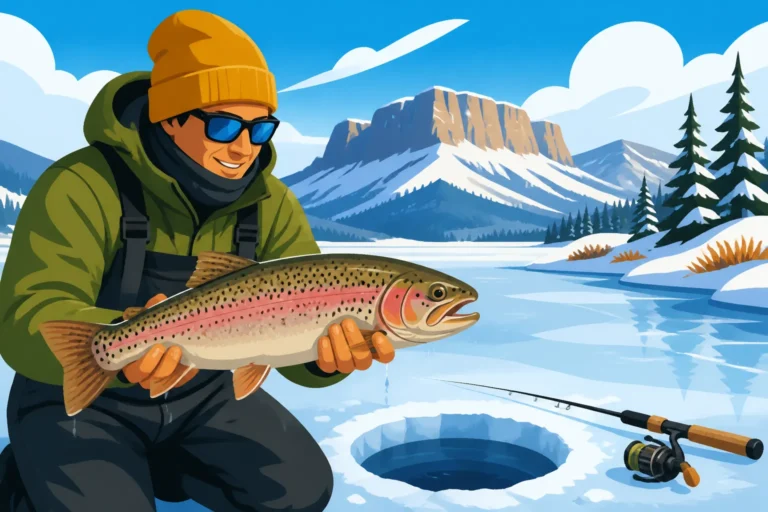
Winter (December-February): Storrie Lake often freezes over enough for safe ice fishing, though conditions can vary year to year. When it does, it becomes a popular spot for ice anglers targeting trout. Using small jigs tipped with PowerBait or mealworms is a common and effective strategy. Always check ice thickness before venturing out, and consult local reports for current conditions. For a broader view, our New Mexico Fishing Season Dates and Limits offers a detailed breakdown of fishing opportunities across the state.
| Season | Target Species | Best Baits/Lures | Key Techniques | Notes |
|---|---|---|---|---|
| Spring | Rainbow Trout, Brown Trout, Largemouth Bass | PowerBait, Worms, Small Spinners, Crankbaits | Shore fishing, casting, slow retrieve | Trout active in shallows; bass become more active. |
| Summer | Channel Catfish, Largemouth Bass, Crappie | Chicken Livers, Stink Baits, Soft Plastics, Jigs | Night fishing for cats, early/late for bass, trolling for deeper trout | Trout go deep; warm water species thrive. |
| Fall | Rainbow Trout, Brown Trout, Largemouth Bass | PowerBait, Spinners, Worms, Spoons, Crankbaits | Shore fishing, casting, trolling, jigging | Trout are very active and aggressive; pleasant weather. |
| Winter | Rainbow Trout, Brown Trout | Small Jigs, PowerBait, Mealworms | Ice fishing (check ice safety), deep jigging | Excellent for ice fishing when conditions allow. |
Planning Your Adventure: Licenses, Regulations, and Access
Before you even think about wetting a line at Storrie Lake, it’s absolutely critical to be prepared with the right paperwork and knowledge of local rules. Nothing ruins a fishing trip faster than a run-in with a game warden because you weren't properly licensed or unknowingly violated a regulation.
Essential Permits and Rules for New Mexico Anglers
Like all public waters in New Mexico, fishing at Storrie Lake requires a valid New Mexico fishing license. This isn't just a formality; it's how the state funds conservation efforts, fish stocking programs, and park maintenance, ensuring that places like Storrie Lake remain fantastic fisheries for years to come. Whether you're a resident or a visitor, there's an option for you, from annual licenses to shorter-term permits perfect for a vacation. You can explore the various options in our guide, New Mexico Fishing License Guide.
In addition to your standard fishing license, many anglers will also need a New Mexico Habitat Management and Access Validation (HMAV) stamp. This stamp is required for anyone 18 years or older who is hunting, fishing, or trapping on most public lands in New Mexico. There are some exemptions, so it's worth checking the specifics, but generally, if you're fishing at a state park like Storrie Lake, you'll need one. You can find more details on New Mexico Habitat Stamp and Validation Requirements.
Beyond licenses and stamps, be sure to familiarize yourself with the statewide bag and possession limits for the species you plan to target. While Storrie Lake doesn't typically have highly specialized rules like some "Quality Waters," it's always best practice to check the current New Mexico Fishing Regulations Overview for any specific lake rules or updates. It's easy to purchase these licenses online through the NMDGF website or from authorized vendors, which includes many sporting goods stores and even places like Walmart in Las Vegas.
Navigating Boat and Shore Fishing Opportunities
Storrie Lake offers excellent access for both boat and shore anglers, which is a huge plus.
Shore Fishing: If you prefer to keep your feet on solid ground, Storrie Lake is very accommodating. There are numerous points and coves around the lake where you can set up camp for the day. The state park provides good access with designated parking areas relatively close to the water. Some of the most popular spots are near the dam or along the accessible banks near the main park entrance. It’s perfect for families, beginners, or anyone who enjoys the simplicity of bank fishing. Just be mindful of other anglers and respect any private property boundaries, though most of the shoreline within the state park is public access.
Boat Fishing: For those with a boat, Storrie Lake has a well-maintained boat ramp within the state park. Whether you're launching a small jon boat, a kayak, or a larger bass boat, the ramp makes it easy to get on the water. Boating here allows you to reach deeper waters where trout often congregate in warmer months, or to explore different coves for bass and other species. For information on boat registration and titling in New Mexico, which is essential for motorized vessels, you can consult our New Mexico Boat Registration and Titling Guide. Remember to always observe New Mexico's boating safety regulations, including wearing appropriate life jackets and having all required safety equipment on board. While not extremely large, Storrie Lake can get windy, so always be aware of weather conditions and practice safe boating.
Beyond the Catch: Amenities, Conservation, and Local Insights
Storrie Lake is more than just a place to cast a line; it's a state park offering a rounded outdoor experience. Understanding the full scope of what's available and how to be a responsible visitor enhances the entire trip.
Recreational Facilities and Camping at Storrie Lake
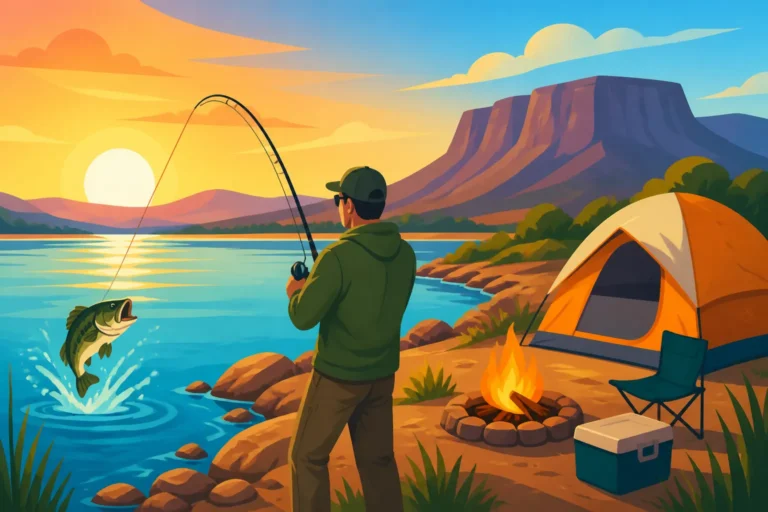
Storrie Lake State Park is well-equipped to make your fishing trip comfortable and enjoyable, whether you're there for a day or a week. The park offers several amenities, including restrooms, picnic areas with tables and shelters, and even playgrounds for the younger members of your group. For those looking to extend their stay, the park provides multiple camping options, from developed campsites with electric and water hookups to more primitive, lakeside spots. Waking up to the sunrise over the lake, with the promise of a morning bite, is truly something special. These facilities make it an ideal destination for family fishing trips, where not everyone has to be an avid angler to have a good time. You can find more specific details on New Mexico State Parks for Fishing to compare options.
The availability of camping means you don't have to rush your fishing. You can spend the evening targeting catfish, then enjoy a campfire, and be ready for an early morning trout bite the next day. This kind of flexibility is incredibly valuable for anglers who want to maximize their time on the water without the stress of daily travel.
Respecting the Environment and Local Fishing Culture
As dedicated anglers, we share a responsibility to protect the places we love to fish. Storrie Lake is a beautiful resource, and maintaining its health is paramount. This means practicing "Leave No Trace" principles: pack out everything you pack in, and perhaps even pick up any litter you come across. Proper disposal of fishing line, hooks, and bait containers is crucial to prevent harm to wildlife and keep the lake clean for everyone.
Embracing catch and release practices, especially for larger breeding fish or native species, helps sustain fish populations. If you plan to keep fish, adhere strictly to bag and size limits. You can learn more about ethical angling in our New Mexico Catch and Release Regulations guide.
The local community in Las Vegas, New Mexico, cherishes Storrie Lake as a valuable recreational area. Engaging respectfully with other anglers and visitors, whether they're fishing, boating, or just enjoying the scenery, contributes to a positive atmosphere for everyone. If you’re looking for local insights or perhaps even a guided trip, resources like FishingBooker can help you connect with experienced local guides who can share their knowledge of Storrie Lake and other nearby waters. They often know the subtle nuances that make all the difference, from the secret spots to the hot baits of the week. By being mindful stewards of the environment and respectful members of the angling community, we ensure that Storrie Lake remains a fantastic fishing destination for generations to come.
Disclaimer
The information provided in this guide is for general informational purposes only and is subject to change. Fishing regulations, water conditions, and stocking schedules can vary. Always consult the official New Mexico Department of Game and Fish regulations and Storrie Lake State Park advisories before planning your trip. Fish responsibly and safely.