Stocked Trout Species in New Mexico
Have you ever stood by a beautiful New Mexico lake or river, casting your line, and wondered exactly what kind of trout might be lurking beneath the surface? It's a common thought, especially when you know the New Mexico Department of Game and Fish actively works to keep our waters vibrant and full of fish. Understanding which trout species are regularly stocked in New Mexico can vastly improve your chances of a successful and enjoyable fishing trip, helping you tailor your tackle and techniques to what's really swimming down there. This guide will dive deep into the specific trout species you'll most often encounter due to stocking efforts, where to find them, and how to catch them.
The Foundation of New Mexico's Trout Fisheries: Strategic Stocking
New Mexico is a high-desert state, and while we boast some incredible native trout populations, many of our accessible and popular fishing spots rely heavily on a robust stocking program. This isn't just about putting fish in the water; it's a carefully planned effort to enhance recreational opportunities for thousands of anglers, from seasoned fly-fishers to families just looking to spend a peaceful afternoon by the water. The stocking program ensures that even in waters that might struggle to sustain dense trout populations naturally, there's a healthy supply of fish for everyone to enjoy.
Why New Mexico Stocks Trout
The primary reason for stocking trout in New Mexico is to create and maintain high-quality fishing opportunities across the state. Many of our rivers and lakes experience environmental challenges, like fluctuating water levels, warmer temperatures in summer, or heavy fishing pressure that can deplete natural populations faster than they can reproduce. Stocking acts as a crucial supplement, ensuring that anglers consistently find fish in popular locations. It also allows for the introduction of certain species into waters where they might thrive but aren't native, diversifying the angling experience. Without these consistent stocking efforts, many of the easily accessible and family-friendly fishing spots we cherish would offer very limited fishing at best. It's a management tool that directly benefits recreational fishing.
Think about a busy urban pond near Albuquerque, where hundreds of people might fish on a given weekend. If that pond relied solely on natural reproduction, it would be fished out in no time. By regularly stocking species like rainbow trout, the state ensures that these community waters remain productive and accessible to everyone, fostering a love for fishing in new generations. It’s also about distributing fishing pressure, drawing anglers to well-stocked lakes and rivers, and potentially easing pressure on more sensitive native trout streams.
How Stocking Enhances Your Fishing Experience
Knowing that a body of water is stocked, and with what, changes everything about how you approach your fishing day. It shifts the odds in your favor and allows for more targeted techniques. When you know a lake is regularly replenished with rainbow trout, for instance, you can confidently pack your PowerBait, some spinners, and lighter tackle, knowing those are likely to be effective. This predictability makes fishing more approachable for beginners and more consistently rewarding for experienced anglers. It also means less time scouting and more time fishing.
Stocked fish, especially recently stocked ones, often behave differently from wild fish. They tend to be less wary and more accustomed to certain types of bait or lures, having been raised in hatcheries. This can translate to more consistent bites and a higher catch rate, which is incredibly satisfying. For those looking to introduce children to fishing, a heavily stocked pond offers almost immediate gratification, building confidence and excitement. It ensures that the effort you put into getting your New Mexico Fishing License Guide and heading out is often met with success. Furthermore, it creates diverse opportunities, from large reservoirs filled with various trout species to small, serene mountain lakes that receive special deliveries.
The Main Event: Rainbow Trout in New Mexico Waters
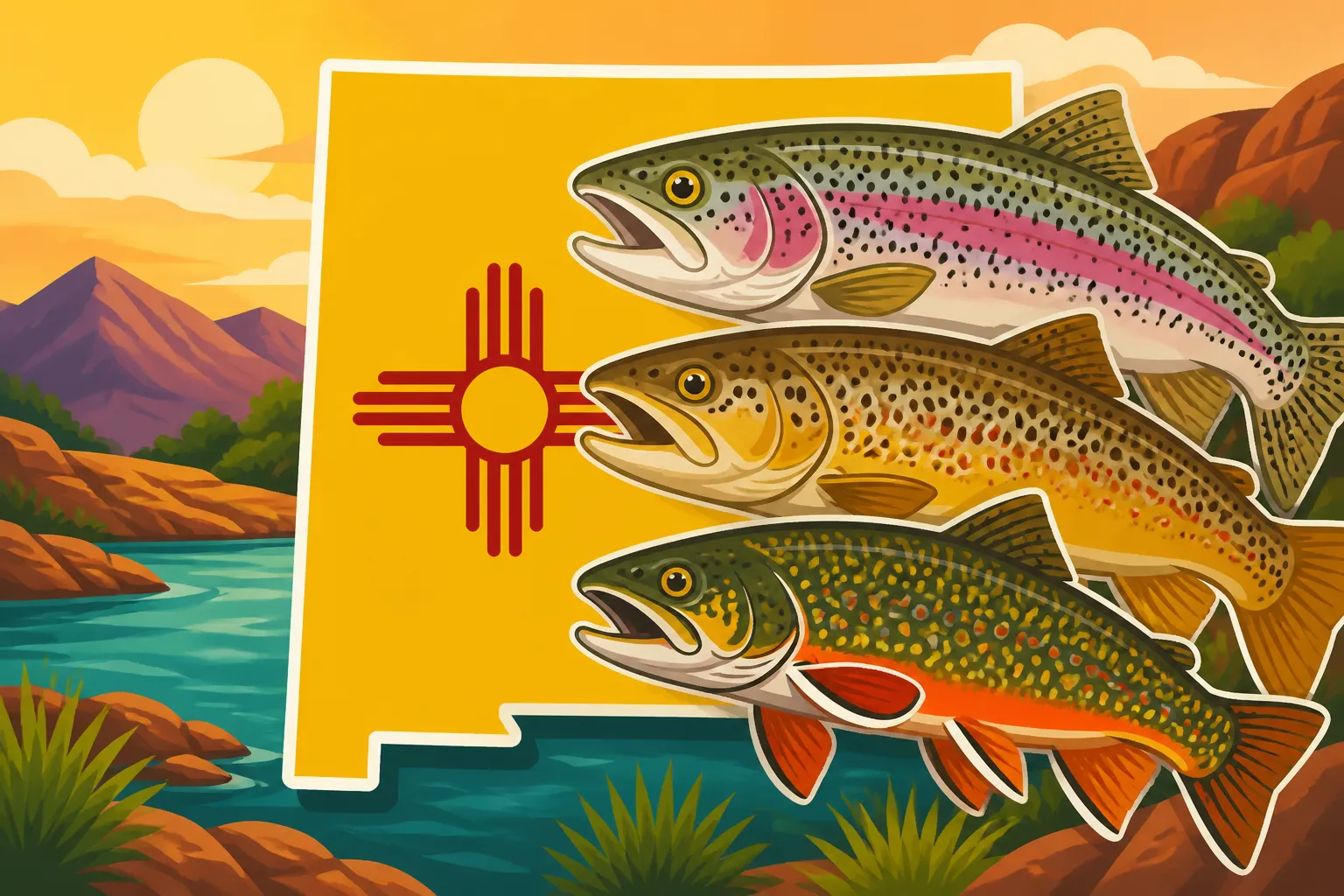
When most people think of stocked trout in New Mexico, their minds almost immediately jump to rainbow trout. And for good reason! Rainbows are the workhorse of the state's stocking program, found in more waters and in greater numbers than any other stocked species. They're hardy, grow to a decent size, and are generally eager to bite, making them a fantastic target for anglers of all skill levels. Their vibrant colors and spirited fight make them a favorite catch.
Where Rainbows Are Stocked
Rainbow trout are stocked virtually statewide in New Mexico, wherever water conditions are suitable. This includes a wide array of environments: large reservoirs like Navajo Lake and Heron Lake, smaller municipal ponds, high-mountain lakes and streams, and many sections of major rivers like the Rio Grande and the Pecos River. They are particularly prevalent in what are often referred to as "put-and-take" fisheries – waters where the primary goal is to provide immediate angling opportunities, and anglers are encouraged to keep their catch within legal limits.
You'll find them in popular spots near urban centers, such as Tingley Beach in Albuquerque or the local pond in Santa Fe, making them incredibly accessible for quick trips. Further afield, they populate scenic destinations like Fenton Lake, Eagle Nest Lake, and Bluewater Lake, offering stunning backdrops to your fishing adventures. The state's stocking schedule often prioritizes these accessible waters, especially during cooler months when trout thrive, making them prime spots for year-round angling. Always check the latest stocking reports for the most current information on where and when these energetic fish have been released.
Tactics for Catching Stocked Rainbows
Catching stocked rainbow trout doesn't usually require highly specialized gear or intricate techniques, which is part of their appeal. They are often quite opportunistic feeders. One of the most popular and effective methods involves using prepared baits like PowerBait, which comes in a variety of colors and scents designed specifically for trout. Many anglers use a simple slip-sinker rig, allowing the bait to float off the bottom, or a small split shot to suspend it just above. PowerBait Fishing Tips for New Mexico can offer even more in-depth strategies.
Beyond bait, small inline spinners in bright colors like gold, silver, or fluorescent orange are incredibly effective. Brands like Panther Martin, Mepps, and Roostertail are classics that consistently produce results. Cast them out, let them sink a bit, and retrieve slowly, allowing the blade to spin and attract attention. Spoons, especially those mimicking small baitfish, also work wonderfully. For fly anglers, even in stocked waters, patterns like Woolly Buggers, San Juan Worms, and various nymph imitations can be deadly, particularly in tailwater fisheries or stream sections. Don't forget to pack a good selection of these; you can often find great multi-packs on Amazon to keep your tackle box ready. Experimentation is key, but generally, stocked rainbows respond well to presentations that are easy to see and readily available.
Beyond Rainbows: Other Stocked Trout Species
While rainbow trout dominate the stocking program, they aren't the only finned residents that get a helping hand from the state. New Mexico also strategically stocks other trout species, offering different challenges and angling experiences. These additions diversify the fishery and cater to different preferences, making our waters even more intriguing.
Brown Trout: Elusive and Rewarding
Brown trout are a highly sought-after species, known for their beautiful spotted patterns, wary nature, and impressive fighting ability. While some wild populations exist, especially in colder, oxygen-rich waters, brown trout are also stocked in certain New Mexico rivers and lakes to enhance angling opportunities. Unlike rainbows, which might be caught shortly after stocking, brown trout tend to "go wild" quickly, adapting to their environment and becoming much more challenging to catch. This makes landing a healthy brown particularly rewarding.
You'll often find them in larger rivers with good structure, such as submerged logs, undercut banks, and rocky pockets where they can ambush prey. They are often stocked in rivers like the San Juan (though wild browns are dominant in some sections) and parts of the Rio Grande. Lakes with deeper, cooler sections can also hold stocked browns that grow to impressive sizes, offering a shot at a true trophy fish. They have a reputation for being nocturnal feeders, especially the larger ones, so late evening and early morning can be prime times to target them. Learning about Brown Trout Fishing in New Mexico can really elevate your game.
Tactically, browns often prefer larger, more natural presentations. For bait anglers, nightcrawlers or salmon eggs drifted naturally can be effective. Spinners and spoons that imitate small baitfish are also excellent choices, particularly those with more muted, natural colors. For fly anglers, streamers that mimic sculpins or minnows are incredibly productive, especially when fished aggressively. Nymphs and dry flies can also work, but browns often key in on larger meals. They are intelligent fish, so presenting your offering discreetly and paying attention to cover and current is crucial.
Brook Trout: Small but Mighty Additions
Brook trout, with their distinctive worm-like markings (vermiculations) on their backs and vibrant red and orange bellies during spawning season, are another species that occasionally finds its way into New Mexico's stocked waters. While some remote high-mountain lakes and streams hold native or self-sustaining populations, brook trout are sometimes introduced into specific waters to create unique angling experiences. They typically don't grow as large as rainbows or browns, but they are incredibly feisty and beautiful fish, making them a joy to catch.
These smaller, cold-water loving trout are often found in picturesque, secluded environments – perfect for a peaceful day of fishing. They prefer clear, cold streams and high-elevation lakes. Because of their size and habitat preferences, they are less commonly stocked in large, heavily fished reservoirs and more in smaller, pristine waters where they can thrive. If you're looking for a delightful angling experience away from the crowds, seek out waters known to hold brook trout.
For catching brook trout, light tackle is your best friend. Small spinners, tiny spoons, or even just a worm or cricket under a bobber can be incredibly effective. Fly anglers will have a blast using small dry flies, wet flies, or nymphs, often without needing long casts or heavy rigs. Their aggressive nature means they'll often hit flies or lures almost immediately after they touch the water. While they may not offer the size of other trout, the sheer number of strikes and the beauty of these fish make them a fantastic target.
Lake Trout: The Deepwater Giants
Lake trout, often called "lakers," are a fascinating and impressive species, representing the largest of the trout family found in New Mexico. Unlike the other species, which are widespread or found in a variety of waters, lake trout stocking is much more localized, primarily focusing on specific, deep, cold-water reservoirs that can sustain them. They are a true trophy fish, capable of growing to substantial sizes, and catching one is often the highlight of an angler's year. Lake Trout in New Mexico can be a serious pursuit for dedicated anglers.
In New Mexico, Navajo Lake is the premier destination for lake trout fishing, where they are actively stocked and grow to impressive sizes. These fish are creatures of the deep, preferring cold, oxygen-rich waters found at significant depths, especially during warmer months. This means targeting them often requires specialized techniques and equipment. They are not a "put-and-take" species in the same way rainbows are; rather, they provide a unique trophy fishery.
Targeting lake trout typically involves deepwater techniques. Trolling with downriggers or weighted lines is common, using large spoons, crankbaits, or even dodger-and-fly combinations. Jigging with heavy jigs and tube baits, often tipped with a piece of cut bait, is another effective method, especially when you've located schools of fish on a fish finder. The fight of a large lake trout is unforgettable, a powerful tug-of-war from the depths. They require patience and persistence, but the reward of landing one of these massive, silvery fish is truly unmatched. Remember, specialized gear is often necessary, and looking for strong lines, robust reels, and appropriate lures on Amazon can be a good starting point.
Here's a quick overview of the most commonly stocked trout species in New Mexico:
| Species | General Characteristics | Common Stocking Locations | Primary Fishing Methods | Typical Size Range |
|---|---|---|---|---|
| Rainbow Trout | Silver-sided with pink stripe, black spots, energetic | Statewide lakes, rivers, urban ponds | PowerBait, spinners, worms, nymphs, dry flies | 10-20 inches |
| Brown Trout | Golden-brown with red/black spots, wary, powerful | Larger rivers (Rio Grande, San Juan), some lakes | Streamers, large lures, minnows, nightcrawlers | 12-25+ inches |
| Brook Trout | Dark green back with vermiculations, red/orange belly | High-mountain lakes/streams, smaller ponds | Small spinners, worms, dry flies, nymphs | 6-12 inches |
| Lake Trout | Grey/dark green with light spots, deepwater dweller | Navajo Lake, other very deep, cold lakes | Trolling (spoons, crankbaits), deep jigging | 18-30+ inches |
The Art of Knowing Your Stocked Water
Successfully fishing for stocked trout goes beyond just knowing what species are present; it also involves understanding the nuances of how and when stocking occurs, and equipping yourself appropriately. It's about combining general knowledge with local intelligence to maximize your time on the water. A little homework before you head out can make a huge difference.
Understanding Stocking Schedules and Locations
The New Mexico Department of Game and Fish (NMDGF) actively manages stocking programs and often publishes stocking schedules or reports. Keeping an eye on these resources is perhaps the single most important tip for catching stocked trout. Stocking schedules can be seasonal, with heavy stocking in the spring and fall in many areas, and year-round stocking in popular urban waters or tailwaters with consistent cold flows. During summer, many waters become too warm for trout, so stocking might shift to higher elevation lakes or cold tailwater sections below dams.
Understanding the type of water is also key. "Put-and-take" fisheries, like many urban ponds, are stocked frequently with the expectation that most fish will be caught within a short period. Other waters might receive less frequent, but larger, stockings to establish a more sustained fishery. Knowing if you're fishing a recently stocked pond or a lake that received its last delivery weeks ago will influence your approach. Recently stocked fish are often still in "hatchery mode," making them less wary and more aggressive, while those that have been in the wild for a while will be tougher to fool. For specific details on when and where, exploring resources like the NMDGF website or local tackle shops will provide the most up-to-date information. They often have maps or lists of Best Places to Fish in New Mexico along with stocking details.
Gear Up for Stocked Trout Success
Having the right gear doesn't mean you need the most expensive setup, but it does mean having tackle that's appropriate for the species and conditions. For most stocked trout, a light to medium-light spinning rod, around 5'6" to 6'6" in length, paired with a small spinning reel spooled with 4-6 pound test line, is perfect. This setup offers sensitivity for detecting subtle bites and enough backbone to handle a fighting trout. For fly fishing, a 3-weight to 5-weight rod is typically ideal for stocked waters, allowing for delicate presentations.
Beyond the rod and reel, consider your terminal tackle. A selection of small hooks (size 8-14), split shot weights, and swivels are essential. As mentioned, PowerBait and various spinners are staples for rainbows. For brown trout, you might opt for slightly larger lures or streamers. A pair of polarized sunglasses will help you spot fish or structure under the water, and a small net with a rubber mesh will be gentle on fish if you plan on practicing catch and release. Don't forget a small cooler to keep your catch fresh if you're keeping them. You can find excellent starter kits and individual components on Amazon, offering a convenient way to get everything you need before your trip. Always check your line regularly for nicks and tie fresh knots to avoid heartbreaking break-offs.
Environmental Considerations and Ethical Angling
While stocking programs provide wonderful fishing opportunities, it's also important to be mindful of the broader ecosystem and our role as anglers. Being an ethical angler means more than just following the rules; it means understanding the impact of our actions and striving to minimize any negative effects.
Impact of Stocking on Native Species
One of the ongoing discussions in fisheries management revolves around the balance between stocking non-native trout for recreational purposes and protecting native species. New Mexico is home to several unique native trout, most notably the Rio Grande cutthroat trout and the Gila trout. These fish are often found in more remote, pristine streams, and their populations can be sensitive to competition or interbreeding with stocked species. To mitigate this, stocking programs are usually carefully planned to avoid introducing non-native trout into waters critical for native trout recovery or where native populations are strong.
For example, certain streams or sections of rivers might be managed as "native only" waters, or special regulations might be in place to protect these vulnerable populations. New Mexico Special Trout Water Rules often apply to these sensitive areas. As anglers, we can contribute by being aware of the specific regulations for the waters we fish, understanding how to identify native species, and handling them with extreme care if caught accidentally. Supporting conservation efforts that focus on native species is also a vital part of responsible angling in New Mexico.
Practicing Responsible Catch and Release
Even with abundant stocked fish, practicing responsible catch and release is a hallmark of an ethical angler, especially if you're not planning to keep your legal limit or if you're fishing in a trophy-managed water. Proper handling techniques minimize stress and injury to the fish, significantly increasing its chances of survival after release. This is particularly crucial for larger fish, which are important for maintaining genetics, and for any native species you might encounter.
Always use appropriate gear that matches the size of the fish you're targeting to avoid overly long fight times that exhaust the fish. When you land a fish, try to keep it in the water as much as possible. If you must handle it, wet your hands first to protect the fish's protective slime coat. Use a knotless, rubberized landing net, which is much gentler on fins and scales than traditional nylon nets. Remove the hook quickly and gently, using pliers or a de-hooking tool if necessary. Barbless hooks are highly recommended for catch-and-release fishing, as they reduce tissue damage. If the fish is deeply hooked, it's often best to cut the line as close to the hook as possible rather than attempting to rip it out. Allow the fish to recover in the water, supporting it upright until it swims away under its own power. These simple practices ensure that the fish you release can continue to contribute to the fishery, whether it's a stocked rainbow or a magnificent native trout.
Disclaimer
This article is for general informational purposes only and does not constitute professional advice. Laws, prices and regulations vary by location and change over time. Consult a qualified professional for guidance on your specific situation.