Rainbow Trout on the San Juan River
Fishing the San Juan River for rainbow trout is an experience many anglers dream of, but it can also be incredibly intimidating if you've never been. The sheer reputation of its "Quality Waters" often makes newcomers feel like they need to be an expert to even cast a line. This guide is here to demystify the San Juan, breaking down everything you need to know about targeting its famous rainbow trout, from understanding the unique ecosystem to the best techniques and gear, ensuring your trip is not just successful, but truly enjoyable.
Understanding the San Juan River Ecosystem
The San Juan River, particularly below Navajo Dam, isn't just any river; it's a meticulously managed tailwater fishery that supports an astonishing number of trout. This unique environment is what makes it so special, and also what makes fishing it a little different from your average stream. If you don't grasp the basics of how this ecosystem functions, you'll be constantly scratching your head as to why the fish aren't biting.
The Quality Waters Designation and Its Impact
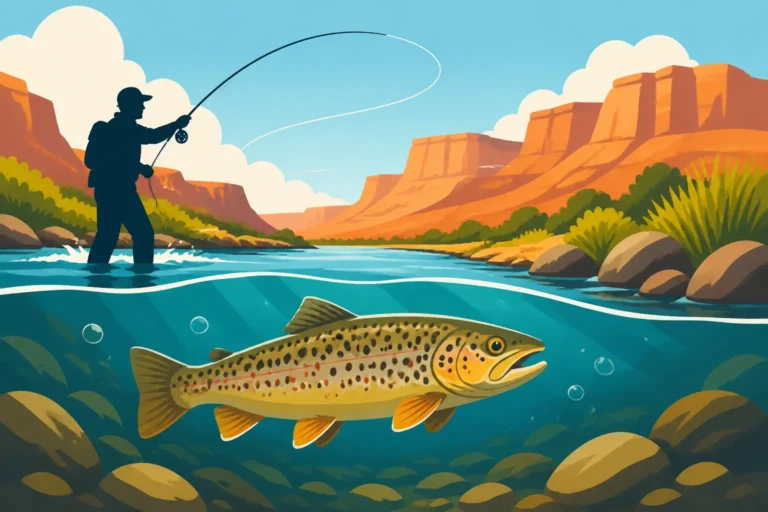
The "Quality Waters" section of the San Juan River, stretching roughly 3.75 miles downstream from Navajo Dam, is probably what you've heard whispers about. This specific stretch is renowned for its high density of large trout, primarily rainbow trout, but also some impressive browns. The designation isn't just a fancy name; it comes with strict regulations designed to protect this incredible fishery. For instance, only artificial flies and lures with single, barbless hooks are permitted. This isn't to make things harder, but rather to minimize harm to the fish, ensuring that those magnificent trout you catch today are healthy enough to fight another day. It also creates a certain kind of angling pressure that makes these fish smart, so you're not just plucking them out of the water; you're engaging in a true challenge. You can learn more about these specific rules in New Mexico Special Trout Water Rules.
These regulations, coupled with consistent water temperatures from the bottom release of Navajo Dam, create an almost ideal environment for trout year-round. Unlike freestone rivers that experience drastic temperature swings and nutrient fluctuations with the seasons, the Quality Waters remain relatively stable. This stability leads to an abundance of aquatic insect life, which in turn fuels the robust growth of the trout. The result? A vibrant, healthy fishery where trout thrive and grow to impressive sizes, offering anglers a truly world-class experience that few other places in the country can match.
Water Flows and Tailwater Dynamics
Being a tailwater fishery, the San Juan's water flow is largely controlled by releases from Navajo Dam. This means that unlike natural rivers dependent on rainfall and snowmelt, the San Juan's levels can change dramatically based on dam operations, often without much warning if you're not paying attention. These flow changes are critical because they directly impact where the fish hold, what they're eating, and how easy or difficult it is to wade. A sudden increase in flow can make wading treacherous and push fish into different lies, while a drop might concentrate them in deeper pools or expose new areas. It's not uncommon for the river to go from a gentle wade to a roaring torrent, so checking the flow rates before you go is absolutely essential. I always recommend checking real-time flow data, which is readily available online, before heading out for a day of fishing. This vital piece of information can be the difference between a frustrating day of fruitless casting and an epic day of hookups. You can get more details on Checking River Flow Before Fishing the San Juan.
The consistent, cold water released from the dam also ensures that oxygen levels remain high, even in the hottest summer months, which is crucial for trout survival. This cold water also supports a rich environment for specific types of aquatic insects that thrive in stable conditions. Understanding these tailwater dynamics is key to anticipating fish behavior. When flows increase, fish might move to slower water along the banks or behind obstacles to conserve energy. When flows drop, they might become more concentrated in deeper channels. Paying attention to these subtle changes in the water's behavior will give you a significant advantage in locating active fish.
Food Sources and Insect Life
The San Juan River's rainbow trout are plump and powerful for a reason: they live in a veritable buffet line of aquatic insects. The stable water temperatures and rich nutrients from the dam create a perfect breeding ground for midges, annelids (like the famous San Juan Worm), mayflies, and caddisflies. Midges, in particular, are the bread and butter of the San Juan, present in staggering numbers almost year-round. These tiny insects, often overlooked by beginner anglers, are a primary food source for the trout, which have become incredibly adept at feeding on them. You'll often see the surface dimpling with rising fish, but then realize they're feeding on nearly invisible midges.
Beyond the aquatic life, terrestrials like grasshoppers, ants, and beetles become important food sources during the warmer months, especially when they fall into the water from the overhanging vegetation. Trout are opportunistic feeders, and they won't pass up an easy meal. Mimicking these prevalent food sources with your fly choice is paramount to success. This means having a good selection of midge patterns, San Juan Worms, small mayfly nymphs, and even some terrestrial imitations in your fly box. You'll want to think about what the trout are seeing most often, which means tiny flies, subtle colors, and patterns that accurately represent the river's abundant insect life. For more on this, check out Fly Selection for New Mexico's San Juan River.
The Rainbow Trout of the San Juan: A Closer Look
When we talk about the San Juan River, we're really talking about its rainbow trout. These fish are the stars of the show, drawing anglers from all corners of the globe. But what makes them so special, and what can you expect when you hook one of these beauties? Understanding the specific characteristics and behaviors of these trout will undoubtedly improve your chances of a successful and memorable outing.
Characteristics and Size Expectations
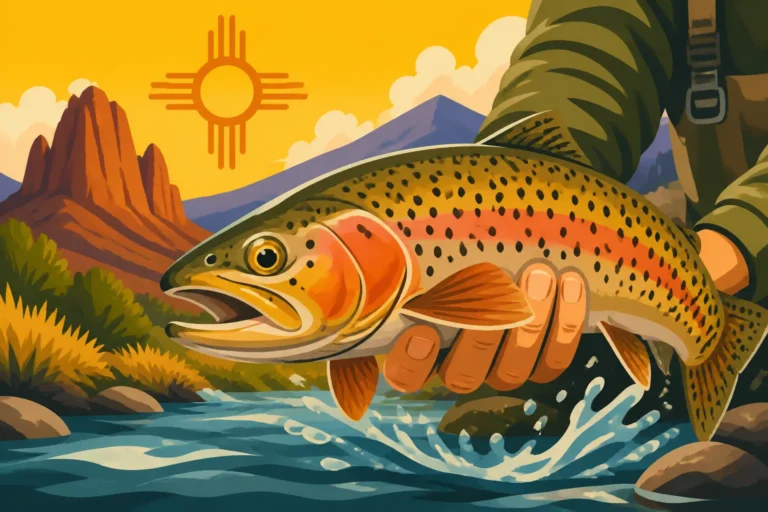
San Juan River rainbow trout are, in a word, impressive. They are known for their strong, robust bodies and vibrant colors, often sporting a brilliant pink or red stripe along their sides. These aren't your average stocker rainbows; they're well-fed, wild-spawned (for the most part) or wild-reared fish that have adapted perfectly to their unique environment. While exact sizes can vary, it's not uncommon to consistently hook fish in the 16-20 inch range within the Quality Waters. Trophy-sized rainbows exceeding 20 inches are certainly a realistic possibility, especially for those who spend time mastering the techniques specific to this river. I've seen anglers pull out rainbows that make your jaw drop, their bellies thick and their fight absolutely relentless. The average size often exceeds that of rainbows found in other, less productive waters, making every catch feel like a prize. For a sense of what to expect, read Average Trout Size in the San Juan River Quality Waters.
Beyond their size, their fight is legendary. These trout are accustomed to strong currents and abundant food, which makes them incredibly powerful. When hooked, they'll make blistering runs, often leaping clear out of the water, and test your knots and drag settings to their limits. Successfully landing a large San Juan rainbow requires patience, a good read on the fish's movements, and a properly set drag. Losing a big one is part of the experience, but the thrill of finally bringing one to the net is unmatched.
Behavioral Patterns and Feeding Habits
San Juan rainbow trout are highly attuned to their environment, making their behavioral patterns and feeding habits quite predictable once you understand the river. Because the river is so rich in aquatic insects, these trout are often very sedentary, finding a prime feeding lane and holding their position, letting the current bring the food to them. They'll position themselves in seams, behind rocks, or in deeper troughs where the current delivers a steady conveyor belt of nymphs and midges. This is why a precise presentation is so crucial; you need to get your fly directly into their feeding zone. Their discerning nature means they're not easily fooled by sloppy drifts.
During prolific midge hatches, you'll witness fish rising consistently, often sipping insects just below or on the surface with subtle, almost imperceptible takes. This requires keen observation and often, incredibly small dry flies or emerger patterns. In contrast, when no obvious hatch is occurring, the majority of their feeding happens subsurface on nymphs. These fish are constantly "grazing" on the abundant nymphs and larvae drifting past them. They've learned to distinguish natural food from artificial very quickly, making tippet size and fly imitation critical. Successfully imitating the size and drift of these natural food items is the cornerstone of effective fishing on the San Juan.
Health and Vibrancy of the Population
The health and vibrancy of the rainbow trout population in the San Juan River are truly a testament to the careful management by the New Mexico Department of Game and Fish and the strict regulations of the Quality Waters. The consistent cold-water releases from Navajo Dam provide stable, oxygen-rich conditions ideal for trout growth and survival year-round. This minimizes stress on the fish due to temperature fluctuations, which can be a major issue in other river systems. Furthermore, the abundance of aquatic invertebrates means the trout have a constant, high-quality food supply, contributing to their impressive size and condition. It's truly a showcase of what a well-managed fishery can achieve.
The river's status as a predominantly catch-and-release fishery, coupled with the mandatory use of barbless hooks, dramatically increases the survival rate of caught fish. This practice ensures that the population remains robust, allowing these magnificent trout to grow larger and continue to reproduce. Anglers visiting the San Juan aren't just catching fish; they're participating in the preservation of a world-class natural resource. When you pull a San Juan rainbow from the water, you'll often notice its vibrant colors and healthy fins, clear indicators of a thriving population. This commitment to conservation is what makes the San Juan River a consistently incredible destination for trout fishing.
Seasonal Strategies for San Juan Rainbow Trout
While the San Juan River is renowned for its year-round productivity, the specific tactics that yield the best results can vary significantly with the seasons. Understanding these seasonal nuances is key to planning your trip and maximizing your success. The river acts differently depending on the time of year, and so do the fish.
Spring and Early Summer: Runoff and Post-Runoff
Spring on many rivers means high, muddy, and often unfishable conditions due to snowmelt runoff. However, the San Juan River, being a tailwater, generally avoids the extreme turbidity common in freestone streams. While there can be increased flows from dam releases in spring, the water usually remains clear. This can be a fantastic time to fish, as trout are often hungry after winter and eager to feed on emerging insects. Post-runoff, as flows stabilize and water temperatures gradually warm, hatches of midges and some mayflies become more consistent. This is when the river truly comes alive, and the fish become more active.
During this period, focusing on subsurface nymphing with slightly heavier rigs can be particularly effective, especially if flows are a bit elevated. Trout will often hold in slightly slower currents along the edges of faster runs or in deeper pockets, conserving energy while still intercepting food. Emerger patterns and smaller dry flies might start to produce as hatches become more prevalent, often in the late mornings or early afternoons. Having a selection of sizes from 20-24 for midges and 18-20 for mayfly emergers can be crucial. Be prepared for varied conditions; mornings can still be chilly, while afternoons might call for lighter layers, so dressing in layers is always a smart move.
Summer: Consistent Flows and Terrestrial Action
Summer on the San Juan River offers generally stable flows and warmer air temperatures, though the water itself remains consistently cold due to the dam release. This stability means consistent hatches of midges and mayflies, and importantly, the emergence of terrestrials. Grasshoppers, ants, and beetles become a significant food source as they fall from the riverside vegetation into the water. This can create exciting dry fly fishing opportunities, especially on windy days that blow insects onto the water. While nymphing remains productive year-round, don't overlook opportunities to cast a larger dry fly near banks and overhanging foliage during the summer months.
During the peak of summer, trout often become more active in the early mornings and late evenings to avoid the brightest sun and higher angling pressure. Midday fishing might require searching out deeper, shaded pools or faster oxygenated runs. Pay close attention to subtle rises, as trout might still be keying in on tiny midges even when larger terrestrials are around. A well-placed foam hopper or ant pattern can be absolutely deadly, particularly in the quieter stretches of water or near structure where trout feel secure. This is also a good time to consider lighter tippet sizes if the water is very clear and the fish are proving finicky.
Fall and Winter: Midge Hatches and Stable Conditions
Fall on the San Juan is a spectacular time, with cooler air temperatures, beautiful foliage, and often very reliable fishing. The crowds tend to thin out a bit after the summer rush, and the trout are aggressively feeding, preparing for winter. Midge hatches remain incredibly consistent, often providing excellent dry fly fishing opportunities, especially on calm, sunny days. This is also when some of the larger brown trout might become more active, moving around more freely. As winter sets in, fishing can slow down, but the constant water temperature from the dam ensures the river never truly freezes over and remains fishable. Midges become the dominant food source, and slow, deliberate nymphing techniques are the name of the game.
Winter fishing on the San Juan requires patience and attention to detail. Trout will often hold in slower, deeper water, conserving energy. Their takes can be incredibly subtle, often just a slight hesitation or twitch of your indicator. Tiny midge nymphs and larva patterns, fished on light tippet and weighted carefully to get to the bottom, are typically the most effective. While the air can be quite cold, sunny winter days can bring surprisingly strong midge hatches, encouraging fish to rise. Dressing in warm layers, including good quality waders and a warm hat, is essential for comfort and staying out on the water longer. It's a peaceful time to fish, often with fewer anglers and the stunning backdrop of a winter New Mexico landscape.
| Season | Primary Food Sources | Recommended Techniques | General Fish Behavior |
|---|---|---|---|
| Spring | Midges, Mayflies, Annelids | Nymphing (heavier), Emergers | Actively feeding, moving with flows |
| Summer | Midges, Mayflies, Terrestrials | Nymphing, Dry Flies (terrestrials) | Early/late activity, deeper holds mid-day |
| Fall | Midges, Mayflies, Annelids | Nymphing, Dry Flies (midges/mayflies) | Aggressive feeding, preparing for winter |
| Winter | Midges (nymphs/larvae) | Slow Nymphing (tiny flies) | Deeper, slower water; subtle takes; conserving energy |
Essential Gear for San Juan Rainbow Trout Anglers
Having the right gear for the San Juan River isn't about being fancy; it's about being prepared for the unique challenges and conditions of this world-class fishery. While you don't need to break the bank, investing in quality items, especially for your rod, reel, and wading setup, will significantly enhance your experience and success. Many reliable brands are available, and you can find a lot of great options on platforms like Amazon.
Rods, Reels, and Line Selection
For fishing the San Juan River's Quality Waters, a good quality fly rod between 9 and 10 feet in length, typically in a 4 or 5-weight, is ideal. The longer rod length helps with managing your line for those crucial long, drag-free drifts that San Juan trout demand, especially when nymphing multiple flies. A moderate-fast action rod offers a good balance of sensitivity for detecting subtle takes and backbone for fighting larger fish. For your reel, a smooth, reliable drag system is far more important than a large arbor, though a large arbor can help with quicker line retrieve. You'll want a reel that balances well with your chosen rod.
Your fly line choice is equally important. A weight-forward floating line is standard for most nymphing and dry fly presentations. Consider a line with a slightly longer front taper for delicate presentations, particularly when using smaller flies and light tippets. For your backing, standard 20-pound dacron is sufficient, just in case one of those trophy rainbows decides to make a long run. Don't cheap out on your line; a good quality fly line makes a huge difference in casting accuracy and feel. For some excellent choices, check out Best Fly Rods for the San Juan River.
Waders, Boots, and Layering for Comfort
Comfort and safety are paramount when fishing the San Juan. Quality chest waders are essential, as you'll often be wading in cold, deep water. Look for breathable waders, as even in cooler temperatures, you can work up a sweat walking the banks. Neoprene waders might seem appealing for warmth in winter, but they can be too hot for other seasons. Pair your waders with sturdy wading boots that provide excellent ankle support and grip. Felt soles were once popular, but rubber soles with studs are gaining favor for their traction on slippery river rocks and their ease of cleaning to prevent the spread of invasive species. Many anglers find great options on Amazon, often with helpful reviews.
Layering your clothing underneath your waders is critical for adapting to New Mexico's variable weather. Start with a moisture-wicking base layer, add a fleece or synthetic mid-layer for warmth, and then your waders. A waterproof and breathable outer jacket is also a must, not just for rain or snow, but for cutting wind. Don't forget a warm hat and gloves, especially for early mornings or cooler seasons. Being comfortable means you can stay focused on fishing, rather than shivering or overheating. Check out Best Waders for New Mexico Rivers for more in-depth advice on selecting the right gear.
Terminal Tackle: Flies, Leaders, and Tippet
This is where the real magic happens on the San Juan. Your terminal tackle – flies, leaders, and tippet – must be meticulously chosen and prepared. The San Juan is famous for its tiny flies, primarily midge patterns (sizes #20-26), annelid imitations like the San Juan Worm, and various small mayfly and caddisfly nymphs (sizes #18-24). Having a well-stocked fly box with these patterns in various sizes and colors is non-negotiable. Don't forget a few emergers and small dry flies for those moments when fish are rising.
For leaders, a 9-12 foot tapered leader, often starting at 4X or 5X, is a good foundation. You'll then attach your tippet, typically 5X or 6X fluorocarbon, directly to this. Fluorocarbon is preferred due to its low visibility in water and its abrasion resistance. However, some anglers even drop down to 7X or 8X tippet when the fish are extremely wary or the water is exceptionally clear, particularly for those microscopic midge patterns. The use of a strike indicator is almost universal for nymphing, and having a variety of types (yarn, foam, or slip indicators) will allow you to adapt to different depths and currents. Small split shot or tungsten putty is also essential for getting your flies down to the fish quickly. When assembling your nymphing rig, consider using a specialized leader setup for two-fly nymphing, a common and effective method on this river.
Techniques for Success on the San Juan River
Fishing the San Juan River is often described as technical, and for good reason. The sheer number of fish means they see a lot of flies, making them incredibly discerning. Simply casting and hoping for the best usually leads to frustration. Instead, success hinges on precise presentation, understanding how the fish are feeding, and knowing which techniques to employ.
Nymphing: The San Juan River Staple
Nymphing is, without a doubt, the most consistently productive technique on the San Juan River, accounting for the vast majority of fish caught. This is because the vast majority of the trout's diet consists of subsurface insects. Effective nymphing involves getting your flies to the correct depth, maintaining a drag-free drift, and detecting incredibly subtle takes. Often, you'll be fishing a two-fly rig: a heavier, lead fly (like a larger San Juan Worm or an Annelid pattern) to get your flies down, followed by a smaller, more delicate pattern (such as a tiny midge pupa or a larva) on a droop.
The key to successful nymphing here is understanding the current and how your flies are drifting. You want your flies to tumble naturally along the bottom, mimicking the actual insects dislodged by the current. This often means using enough weight (split shot or tungsten putty) to occasionally tick the bottom, but not so much that you're constantly snagging. Your strike indicator should be positioned appropriately for the depth you're fishing, and any pause, twitch, or unnatural movement of the indicator should be met with a gentle but firm hook set. Missing takes is common, but practice improves your detection. Patience, observation, and meticulous rigging are your best friends here. For a deep dive into this technique, read Nymph Fishing on the San Juan River.
Dry Fly Fishing: Timing and Presentation
While nymphing dominates, dry fly fishing on the San Juan can be absolutely exhilarating when the conditions are right. The primary opportunities for dry fly action typically revolve around prolific midge hatches, which can occur almost any time of year, particularly on calm, sunny days. Mayfly hatches can also provide sporadic dry fly action, and in summer, terrestrials like grasshoppers and ants can draw fish to the surface, especially near the banks. The challenge with San Juan dry fly fishing is often the small size of the insects and the discerning nature of the trout.
When you see fish rising, observe carefully. Are they sipping gently, or are they splashing? This indicates whether they're taking emergers just below the surface, or fully emerged adults off the surface. Matching the size and profile of the natural insect is paramount. This often means using tiny dry flies (sizes #20-26 for midges) and exceptionally light tippets (6X-8X) to ensure a delicate, drag-free presentation. A long, accurate cast that lands your fly gently on the water, upstream of the rising fish, is essential. Any drag on your line will send these wary trout spooking. Sometimes, even when no visible rises are occurring, presenting an emerger pattern just below the surface can elicit a strike. It's a game of stealth, precision, and quick reflexes.
Streamer Fishing: Targeting Bigger Fish
While less common than nymphing or dry fly fishing, streamer fishing can be a highly effective method for targeting the largest rainbow and brown trout in the San Juan, especially if you're looking for that aggressive bite. Streamers imitate baitfish, sculpins, or leeches, offering a substantial meal that can provoke a predatory response from bigger fish. This technique works particularly well when water flows are higher or slightly off-color, or during low light conditions like early mornings, late evenings, or overcast days when larger fish feel more secure hunting in the open.
Streamer fishing typically involves using a slightly heavier rod (5 or 6-weight) and either a floating line with a sink-tip leader or a full sinking line. The idea is to cast your streamer across or slightly downstream and strip it back in varying retrieves to mimic a struggling baitfish. Experiment with different retrieve speeds and pauses. Focus your casts on structure, deep pools, undercut banks, and current seams where larger fish might ambush prey. While you might not get as many bites as with nymphing, the fish you do hook on a streamer are often some of the most memorable – powerful, aggressive, and often larger than average. It's a great change of pace and a rewarding way to target the true trophy fish of the San Juan.
Conservation and Etiquette on the San Juan
The San Juan River is a precious resource, and its continued health relies heavily on the responsible behavior of every angler who visits. Respecting the environment and adhering to local regulations isn't just a suggestion; it's a necessity to preserve this incredible fishery for future generations.
Catch and Release Best Practices
The San Juan River's Quality Waters are largely managed as a catch-and-release fishery, especially for trout. This means that nearly all trout you catch must be released unharmed. Practicing proper catch-and-release techniques is vital for the survival of the fish. Always handle fish with wet hands, or better yet, use a rubber-mesh landing net to keep them in the water as much as possible. Avoid squeezing fish, especially around their delicate gills or belly. Use a pair of forceps or hemostats to quickly and carefully remove the barbless hook.
Minimize the time the fish spends out of the water. If you want a photo, prepare your camera beforehand, lift the fish gently, snap the shot quickly, and return it to the water immediately. For tired fish, hold them upright in a gentle current until they regain their strength and swim away on their own. Never toss or drop a fish back into the water. The goal is for that fish to swim away as healthy as it was before it was caught. These practices are not just rules; they are a deep respect for the life you are privileged to encounter. Read Catch and Release Best Practices in New Mexico for more detailed guidance.
Understanding Special Trout Water Regulations
The San Juan River's Quality Waters fall under specific "Special Trout Water" regulations, which are stricter than general statewide fishing rules. As mentioned earlier, this includes the mandatory use of single, barbless hooks and artificial flies and lures only. Live bait is strictly prohibited. There are also specific bag and possession limits for various species outside the Quality Waters, and sometimes specific restrictions within certain sections, so it's critical to consult the latest New Mexico Fishing Regulations booklet before your trip. These rules are in place for a reason: to maintain the incredible density and size of the trout population. Violations can result in hefty fines and the loss of fishing privileges, so it's always better to be informed.
Beyond the letter of the law, understanding the spirit of these regulations is important. They encourage a more ethical and sustainable approach to angling. Using barbless hooks not only makes hook removal easier and quicker, reducing stress on the fish, but it also minimizes injury to the fish's mouth. The "artificial flies and lures only" rule prevents the introduction of non-native species or diseases that could be carried by live bait, further safeguarding the river's ecosystem. Adhering to these regulations is a shared responsibility among all anglers who enjoy this unique fishery. You can find comprehensive information on New Mexico Fishing Regulations Overview.
Respecting the Environment and Other Anglers
Fishing on a popular river like the San Juan often means sharing the water with many other anglers. Practicing good etiquette and respecting others' space is crucial for everyone's enjoyment. Avoid crowding other anglers; generally, a respectful distance of at least 50-100 feet (or more, depending on the river conditions and angler density) is appropriate. If you're wading, try to avoid disturbing active fishing holes as you move up or downstream. If you see someone already fishing a prime spot, simply move on to another area or politely ask if you can fish nearby.
Beyond other anglers, respecting the natural environment means leaving no trace. Pack out everything you pack in, including all trash, discarded fishing line, and any other litter. Avoid damaging streamside vegetation, and be mindful of wildlife. The San Juan River corridor is home to various animals, and minimizing your impact helps them thrive. Park in designated areas, and follow any posted signs regarding access or sensitive habitats. By acting as responsible stewards of this magnificent river, we ensure that its beauty and bounty will be there for generations to come.
Disclaimer
This article is for general informational purposes only and does not constitute professional advice. Laws, prices and regulations vary by location and change over time. Consult a qualified professional for guidance on your specific situation.