Trout in New Mexico’s High Mountain Lakes
There's nothing quite like the dream of escaping the daily grind, shouldering a pack, and hiking deep into New Mexico's pristine wilderness for a chance at catching some beautiful trout in a remote mountain lake. Many anglers find themselves battling the frustration of knowing these serene spots exist, but feeling overwhelmed by the planning, gear, and techniques needed to actually reach them and be successful. This guide is here to unravel the mysteries of high mountain lake fishing in New Mexico, providing you with the knowledge and confidence to embark on your own unforgettable backcountry angling adventure.
The Allure of High Mountain Lake Trout Fishing
There's a special magic that draws anglers to the remote, shimmering waters nestled high in New Mexico's mountain ranges. It's more than just fishing; it's an immersive experience that challenges your body, soothes your soul, and offers a unique connection to nature. For many, the journey to these alpine gems is as rewarding as the catch itself.
Why Anglers Seek High Mountain Waters
The primary draw for many is the sheer solitude and breathtaking scenery. Far removed from the easily accessible, often crowded lakes and rivers, high mountain lakes offer a tranquil escape where the only sounds are often the whisper of the wind, the rustle of pine needles, and the occasional splash of a rising trout. Imagine casting a line with towering peaks reflecting in crystal-clear water, the air crisp and clean, and not another soul in sight. This sense of peace and isolation is a powerful motivator.
Beyond the aesthetics, the fish themselves are a significant draw. Trout in these high-altitude environments often exhibit vibrant colors, incredible fight, and are typically less pressured than their lowland cousins. You might encounter native Rio Grande Cutthroat Trout in New Mexico, or beautifully colored brook trout, alongside robust rainbows. The challenge of outsmarting these wilder fish in their natural, rugged habitat provides an immense sense of accomplishment that a roadside fishery simply can't match. It's about pursuing a more authentic angling experience, where every fish feels earned.
The Unique Challenges and Rewards
Venturing into New Mexico's high country for fishing is not without its hurdles, but the rewards often far outweigh the difficulties. One of the immediate challenges is access. Many of these lakes require significant hiking, often covering rugged terrain with considerable elevation gain. This demands a good level of physical fitness, proper gear, and careful planning. The weather can also be incredibly fickle; a sunny morning can quickly turn into an afternoon thunderstorm or even a snow squall, even in summer. Anglers must be prepared for drastic temperature swings and sudden changes in conditions, which ties directly into needing the right equipment and knowledge.
However, overcoming these challenges brings unparalleled rewards. There's the profound satisfaction of successfully navigating a remote trail, setting up camp in a breathtaking location, and then landing a beautiful trout miles from civilization. The fish, often feisty and uninhibited, provide exciting battles. The memories forged on these trips – the starry nights, the wildlife sightings, the camaraderie (if you go with a partner), and the sheer beauty of the landscapes – are truly priceless. It’s an adventure that builds resilience, hones your outdoor skills, and deepens your appreciation for New Mexico's wild places.
Common Trout Species in New Mexico's Alpine Lakes
New Mexico's high mountain lakes are home to a diverse array of trout species, each with its own unique characteristics and preferred habitats. Understanding these species can significantly improve your chances of success and enrich your appreciation for the state's cold-water fisheries. When planning your trip, researching which species inhabit your chosen lake can help you tailor your approach.
Rainbow Trout
Rainbow trout are perhaps the most recognizable and widespread trout species, and they thrive in many of New Mexico's high mountain lakes. You'll find both stocked and wild populations. Stocked rainbows, often introduced by the New Mexico Department of Game and Fish, can grow to respectable sizes, particularly when they have ample food sources and cooler water temperatures. They are generally eager biters and a favorite among many anglers for their spirited fight.
Wild rainbow trout in these high-elevation environments tend to be smaller but are often more vibrant in color, exhibiting deep red lateral bands and dark spots against their olive-green or bluish-silver backs. These fish are typically more elusive and demand a more refined approach. Whether stocked or wild, rainbows prefer well-oxygenated, cool water and can be found cruising shorelines, lurking near submerged structures, or feeding actively on insect hatches. Their adaptability makes them a common resident in many of the state's beautiful Best Places to Fish in New Mexico.
Brook Trout
The brook trout, with its distinctive worm-like markings (vermiculations) on its back, red spots with blue halos on its sides, and white-edged fins, is a truly striking fish. These trout are not native to New Mexico but have been introduced and have established self-sustaining populations in many high-altitude streams and lakes. They are often smaller than rainbows or browns but are incredibly beautiful and aggressive, often willing to strike at a variety of offerings.
Brook trout thrive in very cold, clear, highly oxygenated water, making them perfectly suited for the pristine conditions found in many of New Mexico's high mountain lakes, especially those with good spring fed inlets. They tend to favor shallower areas, especially around submerged logs, rocky overhangs, or dense aquatic vegetation where they can ambush prey. Their prevalence in these specific niches makes them a rewarding target for anglers who appreciate the finer details of trout habitat. Catching a vibrantly colored brook trout against the backdrop of an alpine lake is a moment every angler cherishes.
Cutthroat Trout Varieties
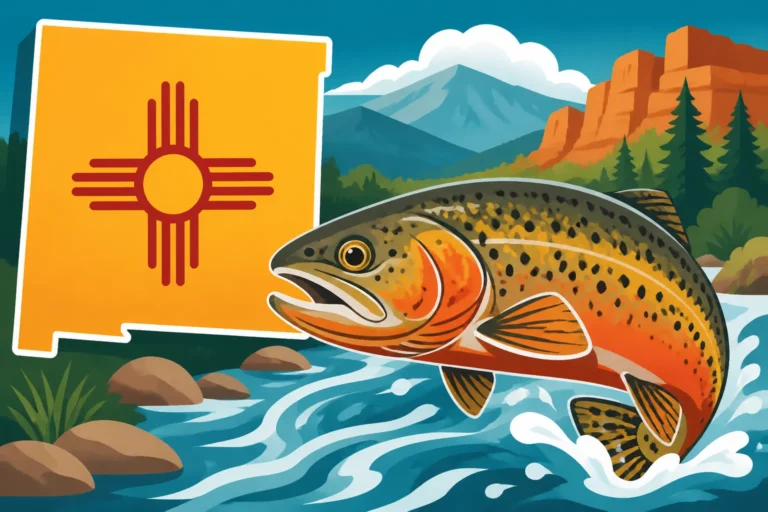
New Mexico is particularly special for its native cutthroat trout, specifically the Rio Grande Cutthroat. These fish are not just a species; they're a symbol of the state's conservation efforts and a prized catch for any angler. Characterized by the distinctive red or orange slash marks under their jaws (hence "cutthroat"), their coloration can vary from olive-green to brassy gold with scattered black spots. The Rio Grande Cutthroat Trout in New Mexico is the state fish, and finding them in their native high mountain strongholds is a truly unique experience.
While the Rio Grande Cutthroat is the most prevalent native cutthroat in the state, other localized strains might exist or have been introduced in specific areas. Fishing for cutthroat often requires a delicate touch and an understanding of their natural behavior. They tend to be more wary than stocked rainbows. Conservation is key when targeting these fish, and many of their habitats are managed as catch-and-release only or with special regulations to protect their populations. Always check the current New Mexico Trout Fishing Rules before heading out.
Brown Trout
Brown trout, originally from Europe, are another species that has found a comfortable home in some of New Mexico's high mountain lakes. Known for their predatory nature and ability to grow to impressive sizes, brown trout are often the elusive "trophy" fish many anglers dream of catching. Their coloration varies widely, from golden-brown to olive-green, adorned with dark spots and often some red or orange spots surrounded by pale halos.
Unlike rainbows, browns can be notoriously wary and nocturnal, especially the larger specimens. They prefer lurking in deeper pools, undercuts, and around significant structure like large boulders or submerged logs. They are highly territorial and can be aggressive feeders, often keying in on larger prey items like minnows or crayfish. Successfully targeting brown trout in a high mountain lake requires patience, stealth, and often a different approach than what you might use for rainbows or brookies. When you do connect with one, their powerful fight and strong runs make for an unforgettable battle.
Essential Gear for High Mountain Lake Expeditions
Embarking on a high mountain lake fishing trip in New Mexico isn't just about your fishing rod; it’s about having the right backpacking, safety, and fishing gear to ensure a comfortable, safe, and successful adventure. Preparation is paramount when you're miles from the nearest road.
Backpacking and Hiking Gear
Your backpacking gear is arguably as important as your fishing tackle, as it's what gets you to and from these remote locations safely and comfortably. A sturdy, well-fitting backpack is non-negotiable. Look for one with good weight distribution, adjustable straps, and enough capacity for all your essentials – think 45-65 liters for an overnight trip. Brands like Osprey or Gregory are often favored by hikers, and you can find a wide selection of quality packs on platforms like Amazon.
Footwear is another critical component. Durable, waterproof hiking boots with excellent ankle support are a must for navigating rocky, uneven, and often wet trails. Pair these with moisture-wicking socks to prevent blisters. Layered clothing is also essential due to the unpredictable mountain weather. Start with a moisture-wicking base layer, add an insulating mid-layer (fleece or down), and top it off with a waterproof and windproof outer shell. Don't forget a warm hat and gloves, even in summer. A reliable headlamp, a basic navigation system (map and compass, plus a GPS device or app), and sufficient water capacity (either a reservoir or multiple bottles, plus a filter) round out the crucial items for your hike. For more detailed advice, check out Best Fishing Backpack for Hiking to High Lakes.
Fishing Tackle Selection
When it comes to fishing tackle for high mountain lakes, portability and versatility are key. You're trying to minimize weight without sacrificing effectiveness. For spin fishing, a lightweight, sensitive rod in the 6-7 foot range paired with a small spinning reel spooled with 4-6 lb test line is ideal. This setup is versatile enough for casting small spinners, spoons, or natural bait. Compact, telescoping rods can be great for saving space in your pack, but always prioritize durability and sensitivity.
Fly anglers will want a lightweight 3-5 weight fly rod, preferably a multi-piece travel rod that breaks down easily for packing. A matching reel with floating fly line and a selection of leaders and tippet will cover most situations. Your fly box should contain a diverse range of patterns: dry flies for active surface feeding (like Elk Hair Caddis, Parachute Adams), nymphs for subsurface action (like Pheasant Tail, Prince Nymph), and a few small streamers (Woolly Buggers) for more aggressive fish or searching deeper water. Remember that these wild trout often key in on smaller, natural presentations. For a broader look at what to pack, refer to Best Fishing Gear for New Mexico Anglers.
Weather Protection and Safety Items
The high mountains of New Mexico are beautiful but can also be unforgiving. Preparing for all weather eventualities and potential emergencies is non-negotiable. Beyond your layered clothing, always pack a lightweight emergency shelter or bivy sack, even for day trips, as delays or unexpected overnight stays can happen. A small, comprehensive first-aid kit is essential, equipped for blisters, cuts, insect bites, and more serious injuries. Include any personal medications you might need.
Sun protection is crucial at high altitudes, where UV radiation is more intense. Wide-brimmed hats, sunglasses (polarized are great for spotting fish!), and high-SPF sunscreen should always be in your pack. A fire starter (waterproof matches, lighter, fire steel) and a small emergency whistle are also vital for signaling in distress. While cell service is often non-existent in the backcountry, a fully charged power bank for your phone (for emergency 911 calls if you get a signal, or for GPS apps), or even better, a satellite communication device like a Garmin inReach or a Zoleo, can be a literal lifesaver for contacting emergency services or loved ones when you're out of range. Don't underestimate the need for these items; they are as important as your food and water.
Finding the Best High Mountain Lakes and Access
The secret to a successful high mountain lake fishing trip in New Mexico lies in thorough research and understanding how to access these often-remote gems. It’s not about finding any lake, but the right lake for your skill level, desired experience, and the time you have available.
Researching Lake Accessibility and Conditions
Before you even think about lacing up your boots, dive deep into research. Start with online resources from the New Mexico Department of Game and Fish (NMDGF) and the U.S. Forest Service (USFS), which manage most of the high mountain areas. These sites often provide information on specific lakes, trail conditions, stocking reports (if applicable), and any special regulations. Topographical maps, both paper and digital (like those available through apps such as Gaia GPS or AllTrails, which you can download and use offline), are invaluable for understanding elevation profiles, trail lengths, and potential water sources.
Pay close attention to recent trail reports and conditions. Websites and forums dedicated to New Mexico hiking and fishing can offer up-to-date information on snowpack, fallen trees, stream crossings, and insect activity. Consider the time of year: many high mountain lakes might be ice-bound well into late spring or even early summer, and some trails might be impassable. Early fall can offer stunning scenery and excellent fishing, but also rapidly changing weather. Knowing when New Mexico's High Lakes Thaw Out is critical for planning. This diligent research phase helps you choose a lake that matches your physical capabilities and ensures you're prepared for the conditions you'll encounter.
Popular High Mountain Lake Destinations
New Mexico boasts several incredible wilderness areas that are home to stunning high mountain lakes. The Pecos Wilderness, within the Santa Fe National Forest, is perhaps the most famous, offering dozens of lakes accessible via an extensive trail system. Lakes like Johnson, Stewart, Katherine, and Truchas Lakes are popular destinations, known for their populations of rainbow, brook, and sometimes cutthroat trout. These areas often require significant hiking, but the rewards are truly spectacular.
Further north, in the Carson National Forest, you'll find the Latir Wilderness which also holds several beautiful alpine lakes. These often entail even more strenuous hikes and are generally less trafficked than parts of the Pecos. Lakes in these areas are often characterized by rugged beauty and truly wild fish. While specific lake names are often kept close to the vest by seasoned high-country anglers, a good map and a spirit of adventure will reveal many potential treasures. Always respect these fragile ecosystems and adhere to Leave No Trace Principles when visiting.
Understanding Trailheads and Permits
Accessing high mountain lakes typically begins at a designated trailhead. It’s crucial to identify your trailhead in advance, understand the driving directions to get there (many are on dirt roads that might require high-clearance vehicles), and know about parking availability. Some popular trailheads, especially in peak season, can fill up quickly, requiring an early start.
For many wilderness areas, you'll need to fill out a self-serve wilderness permit at the trailhead. These permits are usually free but are vital for tracking visitor use and for search and rescue operations in case of an emergency. While you don't always need a specific permit for fishing these lakes beyond your regular state license, always double-check with the Forest Service or NMDGF for any special regulations specific to the body of water you intend to visit. This includes knowing New Mexico Habitat Stamp and Validation Requirements for certain federal lands. Always ensure your fishing license is up to date and physically with you or easily accessible on your phone if allowed.
Effective Fishing Techniques for High Mountain Trout
Once you've made the trek to a high mountain lake, the real fun begins: enticing those beautiful trout to bite. Success in these unique environments often comes down to adapting your techniques to the specific conditions and the behavior of the wilder, less pressured fish you'll encounter.
Fly Fishing Strategies
Fly fishing in high mountain lakes can be incredibly rewarding. Often, these fish are opportunistic feeders, responding well to various presentations. Start by observing the water for any signs of insect activity. If you see trout rising and dimpling the surface, a dry fly presentation is in order. Popular patterns include Parachute Adams, Elk Hair Caddis, or even a simple Stimulator, matched to the size and color of natural insects. Cast gently, allowing the fly to drift naturally on the surface.
If fish aren't rising, go subsurface with nymphs or small streamers. A common strategy is to use a "hopper-dropper" rig, with a buoyant dry fly on top (which acts as an indicator) and a nymph suspended below it. Patterns like Pheasant Tail, Hare's Ear, or Prince Nymphs in sizes 14-20 are often effective. Strip small streamers like Woolly Buggers (olive or black are great colors) along drop-offs or near structure to imitate baitfish or larger insects. Vary your retrieve speed until you find what triggers a strike. Remember, fish in these clear waters can be wary, so stealthy approaches and accurate casts are crucial. For more general fly fishing knowledge, see Fly Fishing Techniques for New Mexico Rivers.
Spin Fishing Approaches
Spin fishing offers a fantastic way to cover water and effectively target trout in high mountain lakes. The key is to use small, lightweight lures that mimic natural food sources or provoke strikes. Small spinners, such as Mepps or Rooster Tail in sizes #0 or #1, with silver, gold, or even a touch of red, are incredibly effective. Cast them out and retrieve steadily, varying your speed to find the sweet spot. The flash and vibration often prove irresistible to hungry trout.
Another excellent option is small spoons, like Kastmasters or Daredevles, in 1/8 to 1/4 ounce sizes. Their erratic action on the retrieve or during a pause can trigger aggressive bites. Additionally, soft plastics, such as small trout worms or tube jigs fished under a bobber or on a lightweight jig head, can be very productive, especially when fished slowly near the bottom or around submerged structure. While natural bait (like worms or PowerBait) can also be effective, always check local regulations, as some high mountain lakes may have artificial lure-only or catch-and-release rules to protect native fish populations.
Reading the Water and Targeting Fish
Success in high mountain lakes often hinges on your ability to "read the water" – identifying where trout are most likely to be holding and feeding. Look for structure: submerged rocks, logs, weed beds, or ledges create ambush points and provide cover. Drop-offs, where shallow water quickly transitions to deep water, are prime locations as fish can move between feeding and seeking refuge. Pay attention to any incoming streams or springs, as these bring in fresh, oxygenated water and often food.
The time of day also plays a significant role. Early mornings and late evenings are typically the most productive times, as trout are more active in cooler temperatures and lower light conditions. During the midday sun, fish often retreat to deeper, cooler water or seek shade. When you spot a fish, approach cautiously to avoid spooking it. Make your first cast count, aiming for precision rather than distance. Often, fish will be cruising near the shoreline, especially where there's a gentle slope or cover. Understanding these subtle cues will dramatically increase your chances of hooking into some beautiful high mountain trout. You can also glean more insights from Trout Fishing Techniques for New Mexico.
| Trout Species | Typical High Lake Habitat | Primary Food Sources | Key Behavioral Trait |
|---|---|---|---|
| Rainbow Trout | Open water, shorelines, inlets, outflows | Insects (aquatic & terrestrial), small crustaceans | Eager biters, strong fighters, often surface feed |
| Brook Trout | Cold, clear, oxygenated water, near springs/inlets, cover | Aquatic insects, small invertebrates | Aggressive, beautiful coloration, smaller size |
| Cutthroat Trout | Native streams & lakes, often near grassy banks, slower current | Terrestrial insects (hoppers!), small aquatic insects | Wary, opportunistic, "slash" marks below jaw |
| Brown Trout | Deeper pools, significant structure (boulders, logs) | Larger insects, baitfish, crustaceans | Elusive, often nocturnal, grow to larger sizes |
Best Practices for High Mountain Trout Anglers
High mountain fishing is a privilege that comes with a responsibility to protect these fragile environments and their inhabitants. Embracing ethical angling and wilderness practices ensures that these incredible experiences remain available for generations to come.
Catch and Release for Sustainability
Many high mountain lakes, especially those holding native Gila Trout in New Mexico or significant populations of wild trout, are managed with strict catch-and-release guidelines, or at least highly encouraged catch-and-release. This practice is vital for maintaining healthy fish populations, particularly for species that are slow to reproduce or are facing environmental pressures. When practicing catch and release, handle fish minimally and with wet hands to protect their slime coat, which is their primary defense against disease.
Use barbless hooks, or crimp down the barb on your existing hooks, as this significantly reduces harm and makes removal much easier. Work quickly to unhook the fish, ideally while it's still in the water. If you must remove it from the water for a quick photo, keep it submerged as much as possible, lift it out only for a second or two, and support its body horizontally. Gently revive the fish by holding it facing into a gentle current until it swims away under its own power. These practices, detailed in Catch and Release Best Practices in New Mexico, are crucial for the long-term health of these fisheries.
Leave No Trace Principles
The "Leave No Trace" philosophy is the bedrock of responsible wilderness recreation, and it's particularly important in sensitive high mountain ecosystems. This means packing out everything you pack in, including all trash, food scraps, and even fish entrails if you decide to keep a legal limit of fish. Don't leave anything behind, not even biodegradable items, as they can take years to decompose in cold climates and attract wildlife.
Beyond trash, minimize your impact on the landscape. Stick to established trails, even when accessing fishing spots, to prevent erosion and damage to delicate alpine vegetation. When camping, choose an existing campsite rather than creating a new one, and pitch your tent on durable surfaces like bare ground or rock. Avoid disturbing wildlife, and never feed animals, as this can alter their natural behavior and harm them. Properly dispose of human waste far from water sources and trails. The goal is to leave the area exactly as, or even better than, you found it, allowing others to experience the same pristine beauty.
Dealing with Variable Weather and Altitude
As we touched on earlier, high mountain weather is notoriously unpredictable. Always check the forecast before you go, but be prepared for anything regardless. Pack rain gear, extra warm layers, and always have a contingency plan for rapidly changing conditions. Don't hesitate to turn back if the weather turns dangerous, especially during thunderstorms when lightning can be a serious threat in exposed areas.
Altitude sickness is another serious concern, especially for those not accustomed to high elevations. Many of New Mexico's high mountain lakes sit above 9,000 or even 10,000 feet. Symptoms can include headaches, nausea, dizziness, and extreme fatigue. To mitigate the risk, ascend gradually if possible, stay well-hydrated, and avoid strenuous activity on your first day at altitude. If you experience severe symptoms, descend immediately. Knowing the signs and how to react is crucial for your safety and the safety of your companions. Taking preventative measures and respecting the power of the mountains will ensure your trip is both enjoyable and safe. Many anglers find High Altitude Fishing Tips for New Mexico to be a helpful resource before venturing into the high country.
Disclaimer
This article is for general informational purposes only and does not constitute professional advice. Laws, prices and regulations vary by location and change over time. Consult a qualified professional for guidance on your specific situation.