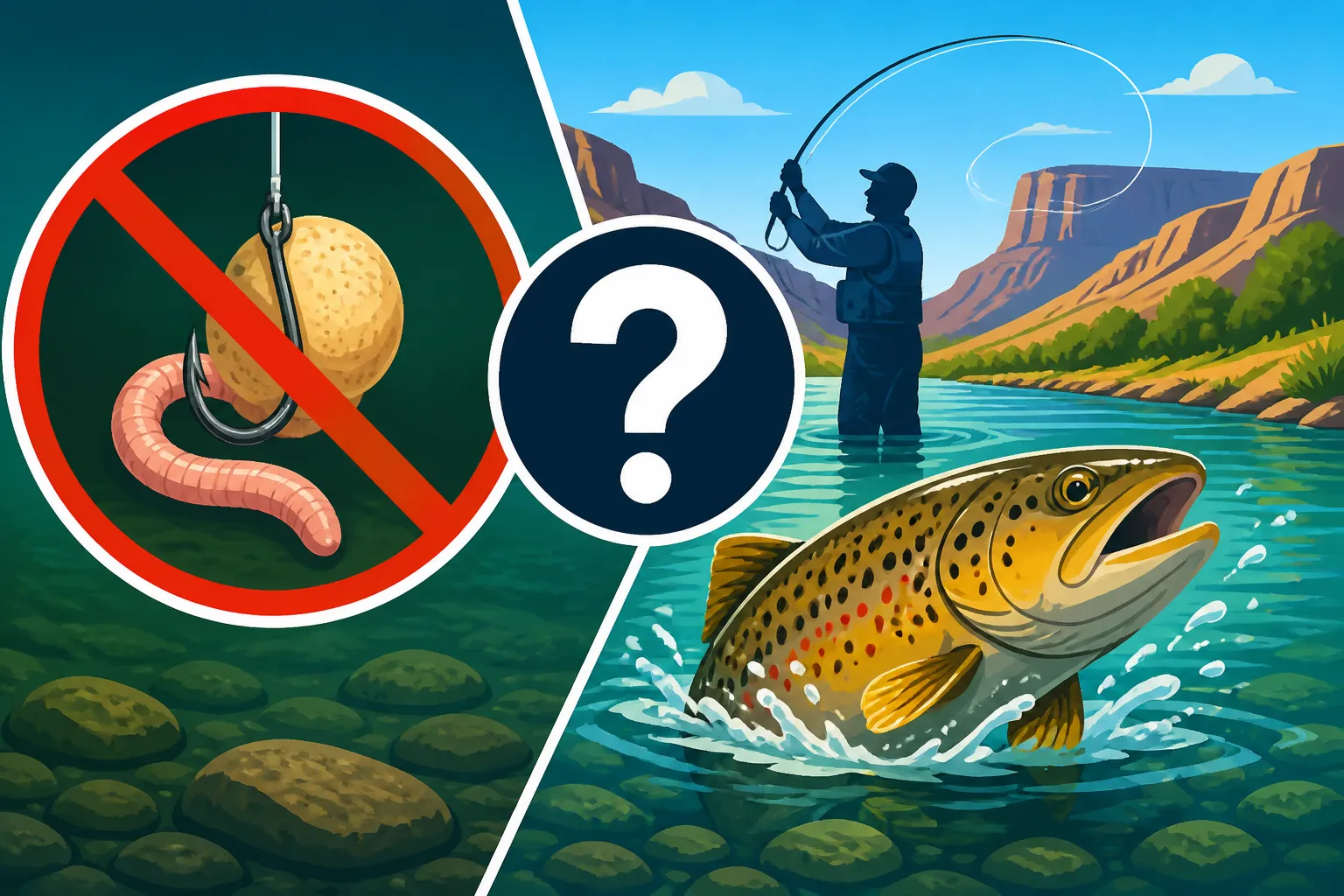
Can You Use Bait on the San Juan River Quality Waters?
It's incredibly frustrating when you're planning a fishing trip, especially to a renowned spot like the San Juan River in New Mexico, and you're left scratching your head about what you can and can't use as bait. Many anglers assume that a fishing license gives them carte blanche, but the reality on these special waters is quite different. This guide is here to untangle the confusion surrounding bait use on the San Juan River Quality Waters, ensuring you understand the rules before you even wet a line.
Understanding the San Juan River Quality Waters Designation
The San Juan River, flowing out of Navajo Dam, is legendary among anglers, particularly the stretch known as the "Quality Waters." This designation isn't just a fancy name; it signifies a very specific set of regulations designed to protect and enhance a truly exceptional wild trout fishery. Ignoring these rules can lead to serious fines and disappointment, so it's crucial to grasp what makes this section unique.
What Makes the Quality Waters Special?
When we talk about the San Juan River Quality Waters, we're talking about a fishery managed for its trophy-sized trout and the challenge of catching them. Unlike many waters that rely heavily on regular stocking, this stretch thrives on natural reproduction and a rich aquatic insect population. The goal of the New Mexico Department of Game and Fish (NMDGF) in designating and managing these waters is to create a sustainable environment where rainbow and brown trout can grow large and healthy, providing a world-class angling experience. This commitment to conservation means that certain practices, common in other fisheries, are strictly prohibited here to minimize stress on the fish and maintain ecological balance. It's a true gem, and its status is largely thanks to these stringent regulations. To really understand the overarching framework, you might want to delve into a broader New Mexico Fishing Regulations Overview While the Quality Waters have their own specific rules, they fit into this larger regulatory landscape.
Geographical Boundaries of the Special Rules
It's not the entire San Juan River that falls under these strict Quality Waters rules. Knowing the exact boundaries is vital, as the regulations change once you move beyond this specific stretch. The San Juan River Quality Waters begin immediately below Navajo Dam and extend downstream for approximately 3.75 miles to the "Crusher Hole" or the "Munoz Bridge" area. This precise section is where you need to be extra vigilant about what you're using. Beyond Crusher Hole, from the upper bridge at the "Take-Off" boat ramp downstream to the confluence with the Animas River, the regulations loosen considerably, allowing for different methods and baits. Many new anglers get caught out by assuming the special rules apply everywhere. Always confirm your location on a map, especially if you're venturing further downstream, or check out a Rules for the San Juan River Special Trout Water guide for more localized details.
The Definitive Answer: Bait Restrictions on the San Juan River Quality Waters
So, let's cut straight to it. Can you use bait on the San Juan River Quality Waters? The unequivocal answer, in the traditional sense of worms, corn, or power bait that smells like something edible, is no. The regulations for this section of the river are crystal clear: it is strictly "artificial flies and lures only." This rule is the cornerstone of preserving the unique character of this world-renowned trout fishery.
Artificial Lures and Flies Only: The Core Rule
When the NMDGF states "artificial flies and lures only" for the San Juan River Quality Waters, they mean exactly that. You cannot use any organic bait, live or dead. This includes popular choices like worms, minnows, salmon eggs, corn, cheese, or even commercially prepared dough baits that are typically scented to attract fish. The intent is to encourage fishing methods that mimic natural insect life or small forage fish through presentation and skill, rather than relying on scent or taste to entice a bite. This means your tackle box should be stocked with a variety of artificial offerings designed to fool discerning trout, whether you're a fly angler or prefer spin fishing. For those who are used to more liberal rules elsewhere, this can feel like a big shift, but it's a rule that helps maintain the fishery's incredible quality. If you're wondering about the nuances of this, it's worth checking out "What Counts as an Artificial Lure on Special Trout Water?."
Why No Bait? The Conservation Angle
The prohibition on bait isn't to make fishing harder or less enjoyable; it's a vital conservation measure. There are several key reasons behind this strict regulation. Firstly, fish often swallow natural bait deeply, making catch-and-release efforts far more lethal. A deeply hooked fish, even if released, has a much lower chance of survival compared to one hooked lightly in the lip with an artificial lure. The San Juan Quality Waters are primarily a catch-and-release fishery for many anglers, and minimizing fish mortality is paramount. Secondly, bait can introduce foreign substances or organisms into the water, potentially disrupting the delicate ecosystem. Finally, these rules help manage angler pressure and ensure the wild trout population remains robust and healthy for generations to come. It truly is about protecting the resource, which is why New Mexico Catch and Release Regulations are so important here.
Single, Barbless Hook Requirement
Adding another layer to the conservation efforts, the San Juan River Quality Waters also mandate the use of single, barbless hooks. This rule goes hand-in-hand with the "artificial lures and flies only" regulation. Barbless hooks inflict minimal damage to a fish's mouth and are incredibly easy to remove, significantly reducing handling time and stress on the fish during release. Even if you're using a legal artificial lure, if it has a barbed hook, it's illegal. You can either buy barbless hooks, or simply pinch down the barb on your existing hooks with a pair of pliers. This small act makes a huge difference in the survival rate of released trout. Anglers frequently ask about the Hook Requirement in San Juan River Special Trout Water precisely because it's such a critical, yet sometimes overlooked, detail.
What Is Permitted: Demystifying "Artificial Lures and Flies"
Understanding that bait is out isn't enough; you need to know what is allowed. The term "artificial flies and lures" covers a broad spectrum of tackle, and both fly anglers and spin-fishermen can find success within these regulations. The key is that your offering must be designed to mimic prey without providing any natural scent or taste.
Flies and Their Variations
For fly fishermen, the San Juan River Quality Waters are a paradise. A vast array of artificial flies are perfectly legal and incredibly effective here. You'll want to carry a variety to match the abundant hatches and conditions. This includes:
- Nymphs: These are perhaps the most popular and productive flies on the San Juan, mimicking immature aquatic insects that live on the riverbed. Patterns like the San Juan Worm, various midge larva and pupa patterns, and pheasant tails are staples. Many anglers tie their own, but a quick search on Amazon will show countless options for these indispensable patterns.
- Dry Flies: When trout are rising to feed on insects on the surface, dry flies are your go-to. Although the San Juan is known for its prolific subsurface hatches, there are certainly times when a well-presented dry fly can elicit explosive strikes.
- Streamers: These larger flies imitate baitfish, leeches, or other larger prey. They can be very effective for targeting larger, more aggressive trout. Patterns like Woolly Buggers or articulated streamers can yield impressive results, especially when fished aggressively.
- Egg Patterns: Trout often key in on the eggs of other spawning fish, so small, colorful egg patterns can be incredibly effective, particularly during or after a spawn.
Remember, all flies must be presented on a single, barbless hook. The San Juan River Fly Fishing experience is truly something special, and it's built on these artificial presentations.
Spinners and Spoons: When They're Legal
For those who prefer spin fishing, don't despair! You can absolutely fish the San Juan River Quality Waters, but with important caveats regarding your lures. Spinners and spoons are permitted, provided they meet the "artificial lures only" and "single, barbless hook" criteria. This means:
- No Bait or Scent Added: You cannot tip your spinner with a piece of worm, power bait, or any other natural attractant. Likewise, commercially scented lures that rely on their odor to attract fish are generally not permitted if that scent is derived from or mimics natural bait.
- Single, Barbless Hook: Most commercially available spinners and spoons come with treble hooks, and often these are barbed. Before you even cast, you must replace these with a single, barbless hook, or painstakingly pinch down all barbs on the treble. This is non-negotiable. Many anglers purchase hooks specifically for this purpose on sites like Amazon, ensuring they have a supply of legal, ready-to-use hooks.
- Artificial Material: The lure itself must be entirely artificial, made of metal, plastic, or other synthetic materials.
Popular choices include small in-line spinners like Mepps or Panther Martin, or small Kastmaster-style spoons. These artificial presentations, relying on flash and vibration, are very effective when fished correctly. When considering your approach, it's beneficial to understand the overarching Fly and Lure Limit on the San Juan River to ensure full compliance.
What About Scented Baits and Attractants?
This is where many anglers get confused. While the rule says "artificial lures and flies," some artificial products, especially those that are heavily scented or designed to mimic natural food in taste and texture (like Gulp! or PowerBait), are generally considered illegal in the San Juan River Quality Waters. The spirit of the regulation is to prohibit anything that functions as a "bait" rather than purely as an attractant through sight and motion.
Think of it this way: if a fish can pick it up and taste it, and that taste is meant to be appealing like food, it's likely considered bait. The NMDGF regulations focus on minimizing ingestion and harm, and heavily scented soft plastics often lead to deeper hooking. While some debates can arise over highly specialized, inert soft plastics, the safest bet is to avoid anything with a strong, artificial scent meant to be consumed. Stick to purely mechanical or visual attractants if you're spin fishing, and natural imitations for fly fishing. This strict interpretation is vital to preserve the integrity of a San Juan River Quality Waters Section that is so unique.
Beyond the Quality Waters: Other Sections of the San Juan River
It's important to remember that the strict "artificial flies and lures only" rule with single, barbless hooks applies only to the designated Quality Waters section. As you move downstream, the rules change, opening up possibilities for different fishing methods.
Fishing Below the Quality Waters
Once you move downstream from the Crusher Hole/Munoz Bridge area, the regulations for the San Juan River shift considerably. Below this point, from the "Take-Off" boat ramp downstream to the confluence with the Animas River near Farmington, the rules generally revert to the statewide standard for trout waters. This typically means that bait fishing is allowed, alongside artificial lures and flies.
However, even in this section, bag limits and possession limits still apply, and it's always wise to consult the most current New Mexico Fishing Regulations for precise details. For example, if you plan to keep fish, you'll need to know the New Mexico Trout Bag and Possession Limits. This downstream stretch offers a different kind of fishing experience, often with less pressure, and can be a great option for anglers who prefer to use traditional baits or who are introducing kids to fishing. Just be absolutely certain you are outside the Quality Waters boundaries before you switch to bait.
Other New Mexico Waters With Similar Rules
While the San Juan River Quality Waters are arguably the most famous example, New Mexico does have other "Special Trout Waters" or "Quality Waters" where similar, restrictive regulations apply. These areas are typically managed for exceptional trout fisheries, often with a focus on wild or trophy trout, and frequently include artificial lure/fly restrictions, catch-and-release mandates, and single, barbless hook requirements.
For instance, certain sections of the Pecos River, Jemez Mountain streams, and some smaller, high-mountain lakes might have these special designations. Always consult the current NMDGF fishing proclamation or a New Mexico Special Trout Water Rules guide before fishing any unfamiliar water in New Mexico. Don't assume that if bait is allowed in one river, it's allowed in another, even if they're relatively close by. Due diligence is key to a legal and enjoyable fishing experience throughout the state.
Here's a quick overview of what's allowed and what's not on the San Juan River Quality Waters:
| Category | Permitted on San Juan Quality Waters | Not Permitted on San Juan Quality Waters | Reasoning |
|---|---|---|---|
| Hooks | Single, barbless hooks | Barbed hooks (single or treble) | Minimizes injury and mortality for released fish. |
| Lures | Artificial flies (nymphs, dry flies, streamers, egg patterns) | Live bait (worms, minnows) | Encourages skill-based fishing; prevents deep hooking; reduces fish mortality. |
| Artificial spinners and spoons (with single, barbless hooks) | Organic bait (corn, cheese, salmon eggs, PowerBait, Gulp!) | Prevents ingestion of foreign substances; maintains natural ecosystem. | |
| Attractants | N/A (lures rely on sight/motion) | Scented pastes, sprays, or oils (designed to attract fish by smell/taste) | Avoids 'bait-like' characteristics that lead to deep hooking and fish consumption. |
Disclaimer
Please note that fishing regulations can change. While this guide is based on the most current information available, it is always your responsibility to consult the official New Mexico Department of Game and Fish (NMDGF) fishing proclamation before heading out. This content is for informational purposes only and should not be considered legal advice.