Is the Gila Trout an Endangered Species?
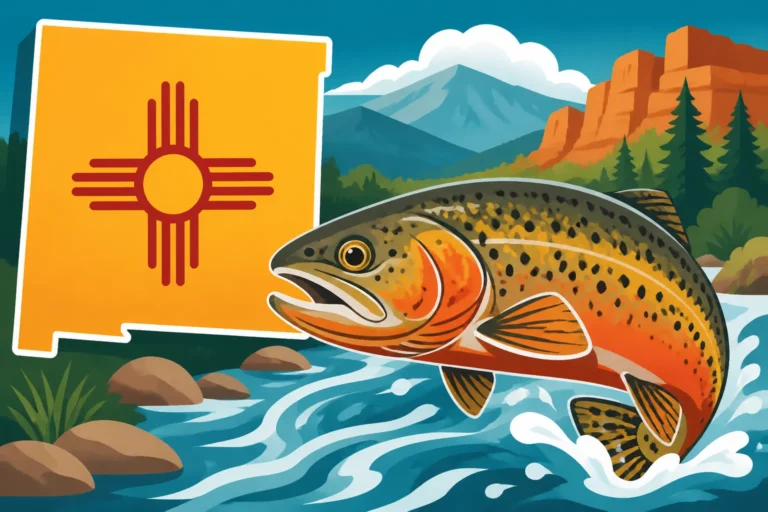
For many anglers in New Mexico, the Gila Trout holds a special place in our hearts – a true native gem. But there's often a lot of confusion, and frankly, a bit of worry, about its conservation status. People want to know: is this beautiful fish still fighting for its very existence, or have our collective efforts brought it back from the brink? This guide is here to untangle the history and present-day reality of the Gila Trout's journey, clarifying once and for all its current standing.
A Journey of Recovery: The Gila Trout's Fight for Survival
The story of the Gila Trout is really a testament to resilience, both of the fish itself and of the dedicated people who've worked tirelessly to protect it. For a long time, the species faced a truly dire situation, teetering on the edge of extinction. It wasn't just a matter of declining numbers; it was a wholesale loss of habitat and genetic integrity that pushed these unique trout to the brink.
Imagine pristine mountain streams, cold and clear, being altered by logging, overgrazing, and road building. Sediment choked spawning beds, and water temperatures rose. Then, add the introduction of non-native trout species like Rainbow and Brown Trout. These interlopers didn't just compete for food and space; they hybridized with the Gila Trout, diluting its distinct genetic makeup. It was a perfect storm, and by the mid-20th century, the Gila Trout's numbers plummeted to dangerously low levels. Its native range, once spanning various drainages, became fragmented into isolated pockets, each holding just a few struggling populations. This critical decline is what ultimately led to its initial listing under the Endangered Species Act.
From Endangered to Threatened: Understanding the Gila Trout's Current Status
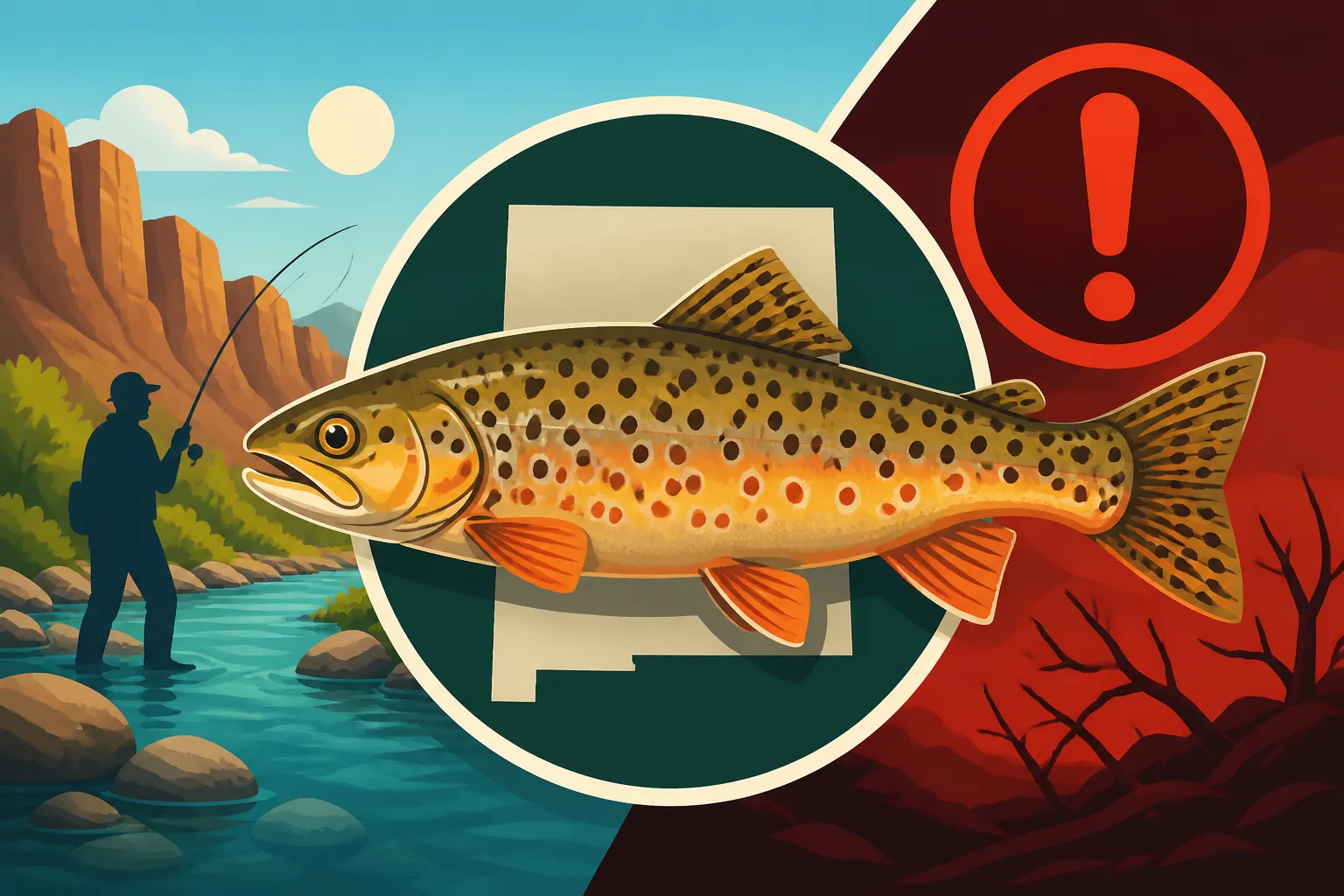
So, to answer the burning question: is the Gila Trout still an endangered species? The good news is, no, it is generally no longer classified as "endangered" under the federal Endangered Species Act (ESA). This is a monumental achievement and a huge win for conservationists and anglers alike. However, it's crucial to understand that "not endangered" doesn't mean "out of the woods entirely." The Gila Trout's status was upgraded from "Endangered" to "Threatened" in the early 2000s, reflecting significant progress in its recovery.
This reclassification to "threatened" signifies that while the species is no longer at immediate risk of extinction throughout all or a significant portion of its range, it is still likely to become endangered in the foreseeable future without continued conservation efforts. It's a delicate balance. Years of dedicated work by the U.S. Fish and Wildlife Service, the New Mexico Department of Game and Fish, and other partners focused on habitat restoration, removing non-native species, and carefully reintroducing Gila Trout into historical habitats. This strategic approach allowed certain populations to rebound enough to warrant the change in status. It means we're moving in the right direction, but vigilance is still paramount. You can dive deeper into this success story by checking out How the Gila Trout Was Removed From the Endangered List.
| Status Category | Past (e.g., 1970s-2000s) | Present (e.g., since reclassification) | Implication for Anglers |
|---|---|---|---|
| Federal ESA Status | Endangered | Threatened (delisted from Endangered) | Still highly protected, specific rules apply, limited access |
| Population Health | Critically Low, Extreme Fragmentation | Improved in some areas, still sensitive | Restricted fishing, catch-and-release is often mandatory |
| Habitat Stability | Degraded, vulnerable to threats | Restoration efforts ongoing, monitored | Access often limited to protect sensitive areas |
| Management Goal | Prevent immediate extinction | Foster sustainable, viable populations | Strict adherence to specific regulations and permits |
Protecting a Gem: Regulations and Responsible Angling for Gila Trout
Because the Gila Trout remains a federally protected "threatened" species, fishing for it comes with very specific and strict regulations. These aren't just suggestions; they are rules designed to ensure the continued recovery of these unique fish. Anglers play a critical role in this ongoing conservation effort. Understanding and adhering to these rules is non-negotiable for anyone hoping to experience the thrill of catching a Gila Trout.
First and foremost, Gila Trout are found in very specific, often remote, waters within their historic range, primarily in the Gila National Forest. Access to some of these waters may be restricted or require special permits, and many areas are designated as "Special Trout Waters" or "Quality Waters" with unique rules. Before you even think about heading out, you absolutely must consult the current New Mexico Fishing Regulations Overview or specific New Mexico Trout Fishing Rules. These guides will detail which waters are open, when, and under what conditions. Ignorance of the regulations is never an excuse, and violations can carry serious penalties.
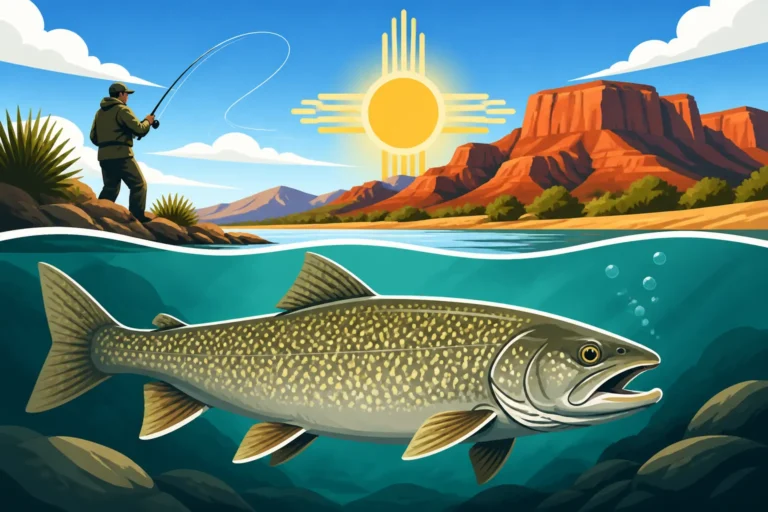
For instance, many Gila Trout fisheries are strictly catch-and-release only, often requiring the use of barbless hooks and artificial lures or flies. This is to minimize stress and injury to the fish, ensuring they swim away healthy to reproduce. You might even need a special permit to fish in certain Gila Trout recovery waters. If you're wondering about the cost or process for these, look into Do You Need a Permit to Fish for Gila Trout?. The goal isn't to prevent you from fishing, but to ensure that every interaction leaves the fish unharmed. When selecting gear for these sensitive environments, remember that quality counts; a good selection of barbless hooks and appropriate tackle can often be found readily on Amazon, allowing you to be prepared and compliant.
Beyond the Hook: How Anglers Support Gila Trout Conservation
The role of the angler in Gila Trout conservation extends far beyond simply following the rules. Every time we venture out into their sensitive habitats, we have an opportunity to be stewards of these incredible fish and their environment. Our actions, both on and off the water, contribute directly to their long-term survival.
One of the most important things we can do is practice impeccable catch-and-release techniques. When you hook a Gila Trout, handle it minimally and gently. Keep it in the water as much as possible, use a soft, knotless net (many excellent rubberized nets are available on Amazon that protect fish slime coats), and release it quickly. Avoid taking photos that stress the fish out of the water for too long. If you're new to this, there are many resources on Catch and Release Best Practices in New Mexico that can help you hone your skills. The goal is a quick, successful release, ensuring that fish can continue to thrive.
Beyond handling, consider the broader impact of your presence. Stick to established trails to prevent erosion, pack out all your trash (and maybe a little extra that someone else left behind), and be mindful of campfires. Educate yourself and others about the unique challenges these native fish face. Supporting organizations dedicated to native trout conservation, or even simply purchasing your New Mexico fishing license, contributes funds directly to these vital programs. Knowing that your actions, from choosing the right hook to helping maintain clean stream banks, are directly contributing to the survival of a species like the Gila Trout adds an incredible layer of meaning to every fishing trip. Exploring more about these unique fish, like their specific behaviors or How to Identify a Rio Grande Cutthroat Trout, can deepen your appreciation and commitment to their protection.
Remember, the Gila Trout's journey from endangered to threatened is a powerful success story, but it's not the end of the book. It's a testament to what can be achieved when people care enough to act, and as anglers, we have a privileged position to continue writing that story. You can also find detailed information on species like Gila Trout in New Mexico and Native Fish Species of New Mexico to further expand your knowledge and understanding.
Disclaimer
This article is for general informational purposes only and does not constitute professional advice. Laws, prices and regulations vary by location and change over time. Consult a qualified professional for guidance on your specific situation.