What San Juan River Trout Eat
One of the most perplexing challenges for any angler, especially on a renowned and sometimes finicky fishery like New Mexico's San Juan River, is figuring out what those wily trout are actually eating. You can have the perfect gear, be in the ideal spot, and still come up empty-handed if you're not offering something that looks, feels, and acts like their natural forage. This guide is all about peeling back the curtain on the San Juan River trout's menu, helping you understand their dining habits and, hopefully, leading to more successful days on the water.
Understanding the San Juan River Ecosystem and Its Bounty
The San Juan River, particularly below Navajo Dam, is a unique cold-water tailwater fishery. This constant flow of cold, nutrient-rich water creates an incredibly stable environment, fostering a year-round abundance of aquatic life that the trout absolutely thrive on. Unlike freestone rivers that might see dramatic temperature and flow fluctuations, the San Juan's consistency means its inhabitants, including the fish, develop very specific dietary preferences. They get accustomed to certain food sources being available almost constantly, making them highly selective feeders.
The Micro-World: Tiny Invertebrates as the Main Course
When you're talking about the San Juan River, you're primarily talking about tiny, abundant aquatic insects. These aren't just snacks; for the trout here, these micro-invertebrates are the bread and butter of their diet, day in and day out. The sheer density of these creatures means trout don't have to expend much energy to find a meal, leading them to become quite particular about what they'll accept.
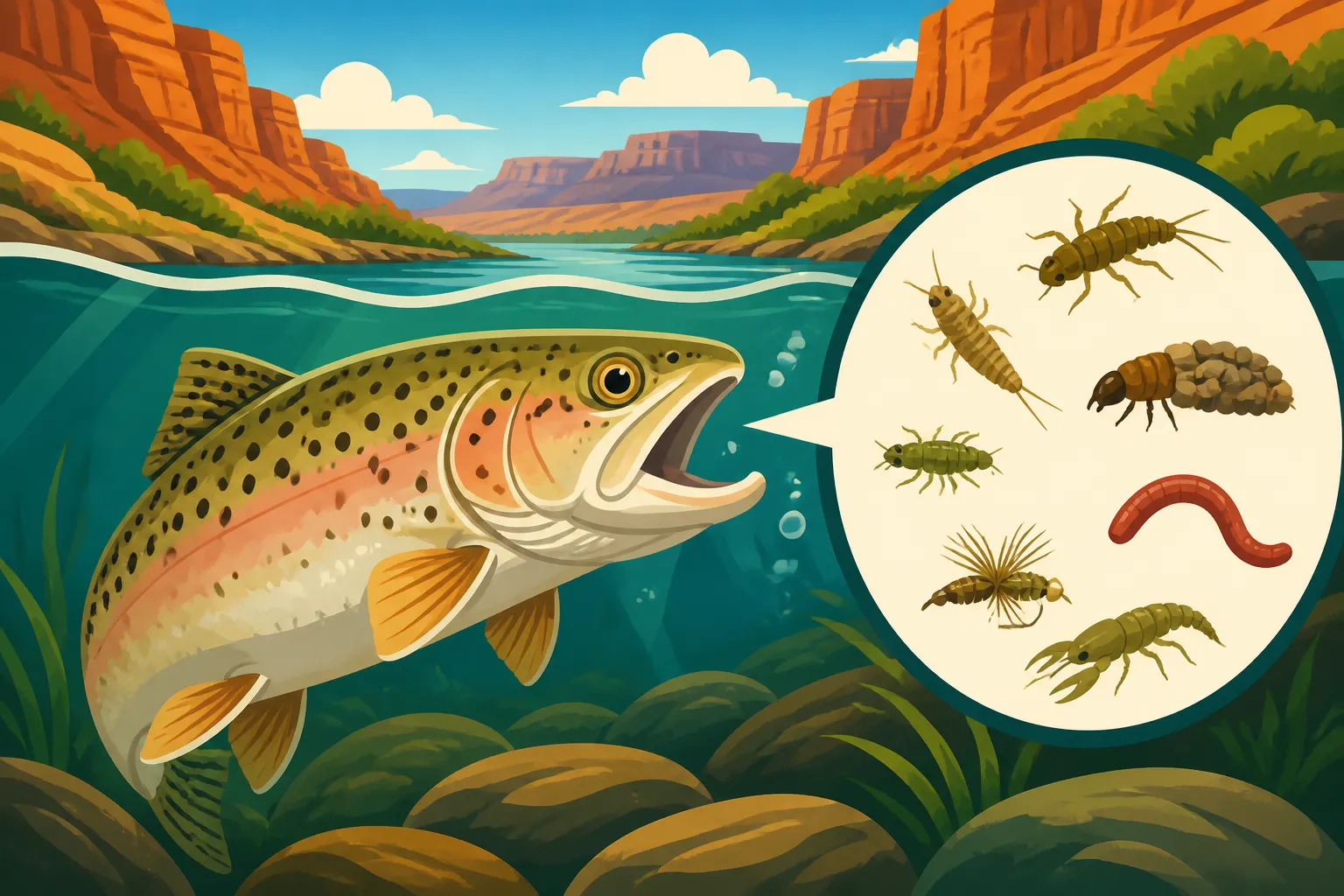
The stars of this micro-world are undoubtedly midges (Chironomidae). These tiny, two-winged flies are present in all stages of their life cycle almost constantly in the San Juan. Trout will gorge on their larval forms, which cling to the river bottom, on their pupal forms as they ascend through the water column, and occasionally on the adults that emerge and drift on the surface. Understanding the various stages and sizes of midges is paramount to success here. Many anglers carry dozens of different midge patterns, varying in size, color, and subtle profile, often found through specialty fly shops or ordered conveniently from retailers on Amazon.
Following closely behind midges in importance are various species of mayflies. While not as omnipresent as midges, hatches of blue-winged olives (BWO) can be prolific, especially on overcast days or during certain times of the year. When these hatches occur, the trout often key in on them almost exclusively, ignoring everything else. Their nymphs are always a food source, but when the adults are emerging, it’s a full-on feeding frenzy. Beyond BWOs, other mayfly species exist, though usually in smaller numbers.
Larger Forage: Beyond the Small Stuff
While the tiny stuff gets most of the attention, San Juan River trout aren't only eating microscopic bugs. There are other, larger food items that play a significant role, especially when conditions are right. Scuds, which are small, freshwater shrimp-like crustaceans, are abundant in the San Juan. They live among the weeds and rocks, providing a consistent, protein-rich meal for trout. A properly presented scud pattern can be incredibly effective, especially when other hatches are sparse or during colder months when trout are less active.
Another important category, often overlooked by those focusing solely on "matching the hatch" with delicate flies, are annelids, commonly known as worms. The most famous example here is the "San Juan Worm." This isn't just a catchy name; actual aquatic worms, often red or pinkish, are a natural part of the river ecosystem, especially after dam releases or during runoff events when they get dislodged from the riverbed. These squiggly morsels are a hearty meal, and trout will eagerly snap them up. Having a few different sizes and colors of these worm patterns in your fly box, easily obtainable from a variety of sporting goods retailers or even through sites like Amazon, is a definite advantage.
Don't forget about small baitfish either, particularly during certain times of the year or in specific sections of the river. While the San Juan is renowned for its insect life, smaller fish species that inhabit the river can become prey for larger trout. This is where streamer patterns come into play. A well-fished streamer, mimicking a wounded baitfish, can often entice a strike from a trophy-sized brown trout that might otherwise ignore smaller offerings. San Juan River Fly Fishing often involves a mix of these strategies.
| Food Source Category | Key Species Examples | Trout Life Stage Consumed | Preferred Seasons | Angler's Imitation |
|---|---|---|---|---|
| Midges | Chironomidae | Larva, Pupa, Adult | Year-round | Zebra Midge, Disco Midge, Griffith's Gnat |
| Mayflies | Blue-Winged Olives (BWO), Tricos | Nymph, Emerger, Adult | Spring, Fall, Summer (Tricos) | Pheasant Tail, Barr's Emerger, Parachute Adams |
| Caddisflies | Various species | Larva, Pupa, Adult | Summer, Fall | Elk Hair Caddis, LaFontaine's Sparkle Pupa |
| Scuds | Freshwater Shrimp | Adult | Year-round | Scud patterns (e.g., Sowbug, Ray Charles) |
| Annelids | Aquatic Worms | Adult | Post-runoff, Year-round | San Juan Worm, Squirmy Wormy |
| Terrestrials | Ants, Grasshoppers, Beetles | Adult | Summer, Early Fall | Ant patterns, Hopper patterns, Beetle patterns |
| Baitfish | Smaller minnows | Adult | Year-round, opportunistic | Woolly Bugger, Sculpzilla, articulated streamers |
Seasonal Shifts in the San Juan Trout Diet
While the San Juan River offers a relatively stable environment, even it experiences subtle shifts throughout the year that influence what the trout are eating. Understanding these seasonal changes can dramatically improve your success rate. The fish are still eating mostly midges and mayflies, but the prevalence and activity of other food sources can change their focus.
Springtime Feasts and Runoff Riches
Spring on the San Juan often brings a renewed vigor to the aquatic insect hatches. As water temperatures slowly begin to rise, you'll see more consistent midge activity, with larger sizes starting to emerge. Blue-winged olives often have strong hatches during the spring, especially on those classic overcast, drizzly days. This is when trout might be looking up more often, keying in on emergers and adult mayflies.
Beyond the insects, spring can also be influenced by increased flows, whether from dam releases or localized runoff events. These higher, sometimes murkier, water conditions can dislodge a lot of benthic organisms, including those valuable scuds and worms. Trout will take advantage of this easy meal delivery. This is a prime time for Nymph Fishing on the San Juan River, as most of the feeding will still occur subsurface.
Summer's Abundance and Terrestrial Treats
Summer on the San Juan is characterized by prolific midge hatches, sometimes throughout the day, particularly in the mornings and evenings. Caddisflies also become more active during the warmer months, offering another excellent food source, both as larva/pupa and as adults. It's not uncommon to see multiple insect species hatching simultaneously.
However, summer also brings a unique food source to the river: terrestrials. Ants, grasshoppers, and beetles that live along the riverbanks often fall into the water, becoming an unexpected, protein-packed meal for opportunistic trout. While not a constant food source, when grasshoppers are abundant in the riverside vegetation, trout will sometimes aggressively key in on them. Carrying a few dry fly patterns that imitate these land-based insects, alongside your reliable aquatics, is a good idea. What Flies Work Best on the San Juan River in Summer? goes into this in more detail.
Autumn's Bounty and Spawning Influences
As the temperatures begin to cool in the fall, the San Juan sees another strong push of mayfly hatches, particularly blue-winged olives. Midges continue to be a staple, but the BWO hatches can be intense and draw nearly all the trout's attention to the surface or just below it. This can be some of the most exciting dry fly fishing of the year.
Autumn is also a crucial time for trout reproduction. Brown trout, in particular, begin their spawning rituals. While respecting these fish and their spawning redds is vital, the presence of eggs in the water can become a significant food source for non-spawning trout and even for those actively spawning in between their duties. Small egg patterns, often fished as part of a nymph rig, can be highly effective during this period. Remember to be mindful of New Mexico Trout Fishing Rules and practice ethical angling around spawning fish.
Winter's Lean Times and Subtlety
Winter on the San Juan might seem bleak, but the consistent tailwater conditions mean the fishing remains productive. While insect activity slows, it doesn't stop. Midges become the absolute dominant food source, with trout often becoming incredibly focused on their larval and pupal stages. The hatches might be sparse and small, but they still occur, primarily during the warmest part of the day.
During winter, trout are often less willing to move far for a meal, conserving energy. This means your presentations need to be exceptionally precise, and your fly choice often leans toward smaller, more subtle patterns. This is when tiny midge larva and pupa, often in sizes 20-24, become essential. Best Flies for the San Juan River in Winter will tell you more about specific patterns. Scuds and worms also remain important subsurface food items, providing a heavier meal when insect hatches are minimal. This is a time when having a good collection of small, weighted nymphs is critical, many of which can be found in specialized fly shops or through convenient online ordering from Amazon.
Matching the Hatch: Angler's Strategy for Success
Knowing what San Juan River trout can eat is one thing; figuring out what they are eating on any given day is the key to success. This takes observation, patience, and a willingness to adapt your approach.
Observing the Water and Its Clues
The first step to matching the hatch is to become a detective on the water. Before you even tie on a fly, spend some time simply watching. Look for rising fish. Are they sipping gently on the surface, indicating small emergers or spent adults? Or are they making more aggressive splashes, possibly chasing larger emergers or even terrestrials? Note the size and color of any visible insects drifting on the surface or flying in the air.
Don't just look on the surface. Lift a few rocks in the shallower areas (and gently put them back, of course!). You'll be amazed at the number and variety of nymphs, larvae, and scuds clinging to the undersides. This gives you a direct look at the subsurface buffet the trout are feeding on. A small magnifying glass, like those readily available on Amazon, can be incredibly useful for identifying these tiny organisms. Pay attention to water clarity and temperature, as these factors also influence insect activity and trout behavior. How to Read Water on the San Juan River offers more insights into this crucial skill.
Essential Fly and Lure Selections
Once you have an idea of what the trout are feeding on, it's time to select your imitation. For the San Juan, this typically means a lot of fly fishing, as most of the river's special regulations favor flies and artificial lures. You'll want to carry a wide variety of patterns, paying close attention to size, color, and profile.
For Nymphing: This is often the most productive method on the San Juan. Your nymph box should be brimming with midge larva and pupa patterns (Zebra Midges, Disco Midges, Miracle Nymphs), mayfly nymphs (Pheasant Tail, Barr's Emerger), caddis larva (LaFontaine's Sparkle Pupa), scuds, and of course, San Juan Worms. Many anglers will fish a two-fly rig, often with a heavier, attention-grabbing fly as the lead and a smaller, more subtle imitation trailing behind. How to Rig a Two-Fly Setup for Trout is a great resource for this technique. Remember that Hook Requirement in San Juan River Special Trout Water often mandates barbless hooks.
For Dry Fly Fishing: When trout are actively rising, dry flies are exhilarating. Focus on emerger patterns and adult imitations of blue-winged olives, midges (Griffith's Gnat is a classic), and caddis. During summer, don't forget your terrestrials like ant or hopper patterns. Presentation is key with dry flies; a delicate, drag-free drift is usually what it takes to fool these educated fish.
For Streamer Fishing: While less common than nymphing or dry fly fishing, streamers can be deadly, especially for larger brown trout. Patterns like Woolly Buggers, Sculpzillas, or articulated streamers in olive, black, or brown can entice aggressive strikes. This is often a game of patience and knowing when and where to present a larger meal. The Average Trout Size in the San Juan River Quality Waters means some of these fish are large enough to be predatory.
Ultimately, the trout in the San Juan River are conditioned to a rich, consistent diet of aquatic insects, with midges and mayflies being paramount. By understanding their preferred menu through the seasons and diligently observing the water, you can choose the right offerings and present them effectively, greatly increasing your chances of connecting with one of these magnificent fish.
Disclaimer
This article is for general informational purposes only and does not constitute professional advice. Laws, prices and regulations vary by location and change over time. Consult a qualified professional for guidance on your specific situation.