Stocking Size for New Mexico Rainbow Trout
It's easy to wonder about the fish you’re reeling in, especially when it comes to stocked trout. Sometimes they're the perfect pan-size, and other times they're surprisingly robust, making you question what goes into getting them ready for our New Mexico waters. This guide aims to demystify the stocking size of rainbow trout in New Mexico, helping you understand why fish are the size they are when they hit the water and what that means for your next fishing adventure.
Understanding New Mexico's Rainbow Trout Stocking Program
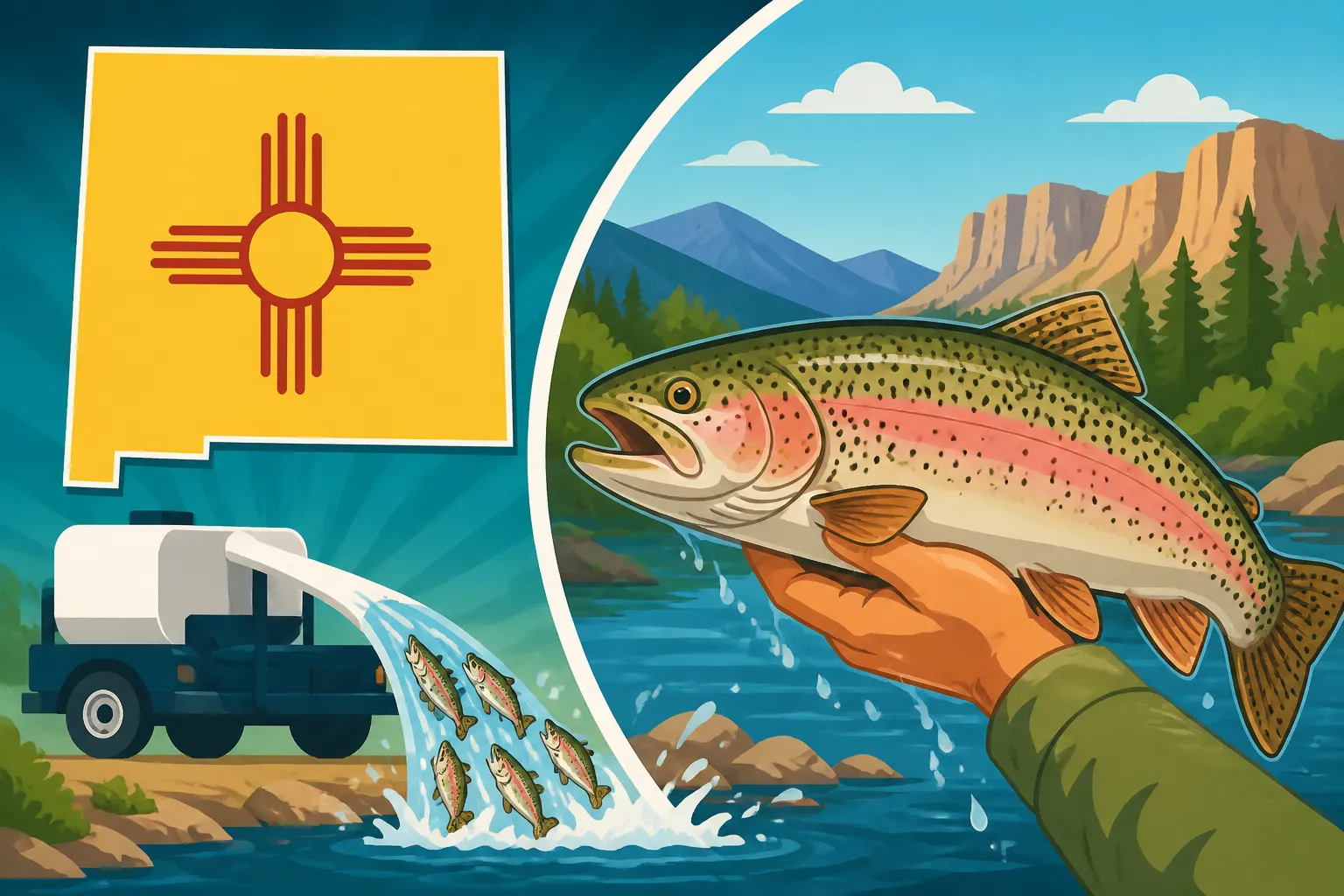
New Mexico's waters are a precious resource, and managing fish populations is a continuous, thoughtful process. When we talk about stocking rainbow trout, it's not just about dumping a bunch of fish into a lake or river; it's a carefully planned operation designed to enhance recreational fishing opportunities for everyone from seasoned anglers to kids on their first outing. The size of the fish released plays a huge role in the success of these programs, impacting everything from fish survival to angler satisfaction.
The "Why" Behind Stocking Sizes
Ever wonder why the New Mexico Department of Game and Fish decides on specific sizes for the rainbow trout they stock? It’s a multi-faceted decision, balancing biological needs, economic realities, and the desires of the angling public. For instance, smaller fish, often called fingerlings, are cheaper to raise and transport in large quantities. They are typically stocked in waters where they have a good chance to grow naturally, sometimes for several months or even a year, before they become "catchable." This approach is often used in waters that can support natural growth but might need a boost to their population.
On the other hand, larger, "catchable-sized" trout are stocked directly into popular fishing spots, especially those with high angler pressure or where natural reproduction is limited. The goal here is immediate gratification for anglers – you can cast your line and have a good chance of catching a fish right away. This is crucial for urban ponds and community fisheries, where accessibility and quick success are key to introducing new people to the sport. The choice of size also depends on the specific management goals for a particular body of water, whether it's to create a trophy fishery or a put-and-take experience.
Common Stocking Sizes You'll Encounter
When you hear about rainbow trout being stocked in New Mexico, there are generally a few size categories that are commonly used. These categories aren't strictly defined by universal rules but rather by practical terms used within fisheries management.
- Fingerlings: These are usually quite small, often just a few inches long, sometimes as little as 2-4 inches. They're typically stocked in waters with ample food and cover, where they are expected to grow considerably before being targeted by anglers. Think of them as tiny fish destined for future growth. They are a long-term investment in a fishery.
- Catchable-Size Trout: This is the most common category for recreational fishing, especially in high-use areas. These fish are generally between 8 to 12 inches long, sometimes a bit larger. They are essentially ready to be caught upon release, providing an immediate opportunity for anglers. These are the fish you'll most often encounter in state park lakes, community ponds, and frequently stocked rivers. You can learn more about where these fish go in our Seasonal Stocking Schedule in New Mexico guide.
- Trophy-Size Trout: Less frequent but always exciting, some waters receive stockings of larger trout, often 14 inches or more. These are intended to provide an elevated angling experience and the chance at a truly memorable catch. These stockings are usually reserved for specific "quality waters" or special events, and they generate a lot of buzz among anglers.
These different sizes serve different purposes in New Mexico's fisheries, ensuring a diverse range of fishing experiences across the state.
Factors Influencing Rainbow Trout Stocking Size
The decision on what size of rainbow trout to stock isn't pulled out of thin air. It’s a complex calculation that involves resources, environment, and desired outcomes. Understanding these factors gives you a better appreciation for the work that goes into maintaining our fishing opportunities.
Hatchery Operations and Growth Rates
The journey of a rainbow trout from egg to stocking size is an intensive process, primarily happening in state-run fish hatcheries. These facilities are designed to optimize fish growth and health. Factors like water temperature, diet, and even the density of fish in raceways all play a critical role in how quickly trout reach a target size. Hatchery staff carefully manage feed schedules, providing high-protein pellets that encourage rapid growth. The cooler, consistent temperatures often found in hatchery environments also contribute to efficient growth compared to the variable conditions of wild waterways.
For catchable-sized trout, hatcheries aim for a consistent size that ensures a good angling experience. This requires significant resources, including specialized feed and labor. For trophy-sized fish, they might keep trout for longer periods, allowing them to gain more weight, which of course, increases the cost of rearing them. The New Mexico Department of Game and Fish operates several hatcheries across the state, working tirelessly to produce healthy fish for our lakes and rivers.
Waterbody Type and Management Goals
The specific characteristics of a New Mexico lake, river, or pond significantly influence the size of trout that will be stocked there. It’s all about putting the right fish in the right place to achieve specific management objectives.
- Small Ponds and Urban Lakes: These often have limited natural food sources and are heavily fished. Stocking catchable-sized trout here ensures that anglers, especially families and beginners, have immediate success. Since these waters might not support long-term growth or natural reproduction, the goal is often a "put-and-take" fishery where fish are caught soon after stocking.
- Larger Reservoirs and Lakes: Water bodies like Eagle Nest Lake or Fenton Lake might receive a mix of fingerlings and catchable-sized fish. Fingerlings, for instance, can thrive and grow considerably in a large reservoir with abundant forage. Stocking them allows for the development of a more robust, self-sustaining (or at least less reliant on constant stocking) population over time. You can learn more about specific lake rules in New Mexico Trout Fishing Rules.
- Rivers and Streams: The flow, water temperature, and existing fish populations in a river dictate stocking decisions. Some rivers are stocked with catchable trout for immediate fishing pressure, while others, particularly those with good wild trout populations or specific conservation goals, might receive fingerlings or no stocking at all to protect native species like the Rio Grande Cutthroat.
Ultimately, the choice of stocking size is a strategic one, aiming to maximize recreational opportunities while also considering the ecological health and carrying capacity of each unique New Mexico fishery.
What to Expect When Fishing for Stocked Rainbows
Fishing for stocked rainbow trout in New Mexico offers a fantastic experience, whether you're chasing those freshly introduced pan-sized beauties or hoping for a larger holdover. Knowing what to look for and how to adapt your techniques can significantly improve your success.
Identifying Recently Stocked Trout
When a fresh batch of rainbow trout hits the water, they often behave a little differently than wild, resident fish. They might be disoriented initially and tend to stick together in schools. Visually, stocked trout often look a bit "cleaner" or more uniform in size, sometimes lacking the vibrant colors and fin wear you might see on wild fish that have been living and fighting in the wild for longer. Their fins, especially the dorsal and tail fins, might appear slightly rounded or frayed from being in hatchery raceways.
Recently stocked fish are also usually less wary and more aggressive towards various baits and lures, as they're accustomed to being fed. You might find them congregating near the stocking points for a day or two before they disperse. If you're fishing a popular spot right after a stocking event, you might notice other anglers having good luck, which is a strong indicator. Keep an eye on the New Mexico Fishing Season Dates and Limits to stay informed about when stockings might be happening in your favorite spots.
Angling Strategies Based on Stocking Size
Your approach to fishing for stocked rainbow trout might need to adjust based on the expected size of the fish.
For Catchable-Sized Trout (8-12 inches):
These are your classic "put-and-take" fish. They're often hungry and less cautious.
- Bait Fishing: This is incredibly effective. PowerBait in various colors (chartreuse, rainbow, garlic scents), salmon eggs, and worms are all top choices. A simple slip sinker rig with a small hook (size 10 or 12) works wonders.
- Lure Fishing: Small spinners like Panther Martins or Mepps, or tiny spoons (Kastmasters, Thomas Buoyants) in silver, gold, or brass finishes, are highly productive. Cast and retrieve at a steady pace. You can often find a great selection of these on Amazon to keep your tackle box well-stocked.
- Fly Fishing: If you're a fly angler, smaller nymph patterns (like San Juan Worms or Pheasant Tails), egg patterns, or small streamers can be very effective, especially when dead-drifted.
For Trophy-Sized or Holdover Trout (14+ inches):
These larger fish are often more discerning and have adapted to a natural diet.
- Larger Lures: Try slightly larger spinners or spoons, or even small crankbaits that mimic natural forage.
- Fly Fishing: Focus on larger nymphs, streamers (Woolly Buggers, Sculpins), or even dry flies if there's a hatch. Matching the hatch becomes more important with these fish.
- Natural Baits: Live worms, minnows (where legal), or even larger PowerBait presentations can entice bigger fish. They are still opportunistic but might be less inclined to hit the most common, smaller offerings.
- Patience and Stealth: These fish are often more wary. Approach quietly, make accurate casts, and pay attention to subtle bites.
The key is to observe conditions and adapt. If you're not getting bites with one method, don't be afraid to switch baits, lures, or techniques. Remember that even stocked fish can become accustomed to their environment and develop more natural instincts over time. For more specific advice, check out How to Catch Trout in New Mexico.
The Broader Impact of Stocking Sizes
While the immediate goal of stocking is often to provide recreational opportunities, the decisions around stocking size have wider implications that fisheries managers carefully consider. It's a balance between meeting angler demand and maintaining ecological health.
Ecological Considerations and Native Fish
Introducing non-native fish, even rainbow trout, into any ecosystem always comes with ecological considerations. Smaller fingerlings, while cheaper to raise, are more vulnerable to predation by larger fish or birds, and a smaller percentage might survive to maturity compared to catchable-sized fish. However, releasing smaller fish into certain waters can allow them to grow more naturally and integrate into the food web, potentially having less immediate impact than a large influx of bigger, hatchery-fed fish.
A significant concern, especially in sensitive habitats, is the potential impact on native fish species. For instance, in areas where native Gila Trout or Rio Grande Cutthroat Trout reside, stocking non-native rainbow trout, even sterile ones, must be done with extreme caution to prevent competition for resources, disease transmission, or hybridization. Fisheries management works to identify waters where stocking can proceed without jeopardizing these precious native populations. It’s a delicate dance to ensure that our pursuit of recreation doesn't harm the unique biodiversity of New Mexico's waters.
Angler Satisfaction and Future of Fishing
Ultimately, stocking programs are designed to keep anglers happy and engaged, fostering a love for the outdoors and fishing. The stocking size plays a critical role in achieving this. For many, especially children and new anglers, the excitement of catching any fish is paramount. Stocking catchable-sized trout in easily accessible locations fulfills this need perfectly, creating immediate success and positive experiences that can hook someone on fishing for life. These are the locations where you might use a beginner-friendly setup, perhaps purchased from Amazon, complete with a simple spinning rod and some PowerBait.
For more experienced anglers, the desire might lean towards larger, harder-fighting fish, or the opportunity to hone specific skills like fly fishing. Stocking trophy-sized fish, even if less frequent, generates excitement and keeps the challenge alive. Maintaining a variety of stocking sizes and strategies across different water bodies ensures that there's something for every type of angler in New Mexico, from those seeking a quick catch to those chasing a personal best. This continuous effort is vital for ensuring the longevity and popularity of fishing as a cherished pastime in the state.
Here's a quick look at common stocking sizes and what they mean for you:
| Stocking Size Category | Typical Length (inches) | Primary Purpose | Angler Expectation | Common Tackle |
|---|---|---|---|---|
| Fingerlings | 2-6 | Grow-out, future sport | Not immediately catchable; long-term growth. | N/A (not for immediate angling) |
| Catchable-Size | 8-12 | Immediate recreational fishing, high success rate. | Easy to catch, good for beginners & families. | PowerBait, worms, small spinners, small nymphs |
| Trophy-Size | 14+ | Specialized angling, memorable catches. | More challenging, potential for larger fish. | Larger lures, streamers, natural baits, patience |
This article is for general informational purposes only and does not constitute professional advice. Laws, prices and regulations vary by location and change over time. Consult a qualified professional for guidance on your specific situation.