New Mexico Salmon Snagging Season Dates
For many anglers in New Mexico, the chance to participate in the salmon snagging season is an annual highlight, offering a unique and often exhilarating fishing experience. However, missing the crucial dates or misunderstanding the specific regulations can lead to frustration and missed opportunities. This comprehensive guide is designed to cut through the confusion, providing you with all the precise season dates, authorized locations, and essential rules for salmon snagging in New Mexico.
Understanding New Mexico's Kokanee Salmon Snagging Opportunity
Kokanee salmon, a landlocked sockeye salmon, present a special kind of challenge and reward for anglers in New Mexico. Unlike their anadromous relatives that migrate to the ocean, Kokanee spend their entire lives in freshwater lakes, typically reaching a mature size before their final spawning run.
Why Snagging Kokanee is Unique
The appeal of snagging Kokanee salmon lies in its distinctiveness. These fish, once they begin their spawning journey, undergo significant physiological changes. Their bodies transform, their mouths harden, and they largely cease to feed on traditional baits or lures. This natural cycle means that conventional angling methods become largely ineffective during this critical period. Without the opportunity for snagging, many of these mature fish, which are nearing the end of their life cycle, would simply perish without being utilized by anglers.
It's a short, intense window of opportunity. The vibrant red colors that Kokanee develop during their spawn, combined with their strong fighting spirit, make for an unforgettable experience. For many, it's not just about the fish; it's about being part of a natural phenomenon and enjoying the camaraderie of fellow anglers during a specific, exciting time of year.
The Philosophy Behind Snagging Regulations
The New Mexico Department of Game and Fish (NMDGF) allows snagging for Kokanee salmon during their spawning runs as a critical management tool. This isn't just a free-for-all; it's a carefully regulated activity designed to accomplish several goals:
First, it helps manage the Kokanee population by allowing anglers to harvest fish that have completed their life cycle and are no longer feeding. This prevents a build-up of decaying fish after the spawn, which can impact water quality and habitat for other species. Second, it provides a unique recreational opportunity that wouldn't otherwise exist once the fish stop biting. The NMDGF recognizes the desire of anglers to participate in this harvest, and by setting clear rules, they ensure it's done sustainably.
By understanding that snagging is permitted due to the Kokanee's biological lifecycle, rather than being a typical fishing method, anglers can better appreciate the specific regulations in place. It’s a pragmatic approach to conservation and resource utilization, ensuring that these valuable fish don't go to waste.
Official Salmon Snagging Season Dates and Locations
When it comes to salmon snagging in New Mexico, two primary locations consistently offer this unique opportunity: Navajo Lake and Heron Lake. The season dates are strictly enforced and crucial to adhere to.
Navajo Lake Snagging Season Details
Navajo Lake is arguably the most popular destination for Kokanee salmon snagging in New Mexico. The season here is highly anticipated each year, and anglers flock to the lake for a chance to fill their limits.
Typically, the official salmon snagging season at Navajo Lake runs from October 1st through December 31st. It’s important to understand that while these dates are generally consistent, the NMDGF retains the authority to adjust them based on environmental conditions, water levels, or the health of the Kokanee salmon run. For instance, if the fish run is delayed or particularly strong, minor adjustments could occur, though this is relatively rare for the start and end dates. Always double-check the current New Mexico Fishing Regulations Overview or the NMDGF website before planning your trip.
Specific areas of Navajo Lake are designated for snagging. The most popular and productive spots tend to be near the dam and in the upper reaches of the Pine River arm, where the Kokanee congregate to spawn. Anglers often target areas where the fish are visible, moving into shallower water. Keep an eye out for signs posted by the NMDGF that clearly mark the boundaries of legal snagging areas to avoid any accidental violations. Knowing the exact dates and areas ensures you're fishing legally and responsibly. For more details on the species found here, check out our guide on Kokanee at Navajo Lake.
Heron Lake Snagging Season Details
Heron Lake, another pristine northern New Mexico reservoir, also offers a fantastic Kokanee salmon snagging season, often extending later into the year than Navajo Lake.
The snagging season at Heron Lake typically begins on November 11th and continues through January 31st of the following year. Like Navajo Lake, these dates are the standard, but it’s always best practice to consult the latest NMDGF fishing proclamation. The later start and end dates at Heron Lake can be appealing to anglers who might have missed the earlier part of the season at Navajo or those who prefer fishing in colder conditions.
Similar to Navajo, Heron Lake has specific zones where snagging is permitted. Anglers often focus on areas close to the dam and along the shoreline where Kokanee stage for their spawning activities. Heron Lake is also known for its "no-wake" policy, which makes for a calmer, quieter fishing experience compared to some other New Mexico lakes. This can be a huge plus for snagging, allowing you to focus on the fish without constant boat traffic. For additional information on this location and its fish, see our article on Kokanee at Heron Lake.
Other Potential Snagging Locations
While Navajo and Heron Lakes are the primary and most consistent locations for Kokanee salmon snagging in New Mexico, there are occasional, temporary snagging opportunities that might arise in other waters. However, these are exceedingly rare and are typically announced by the NMDGF on an "as-needed" basis, usually in response to specific population management needs or unusual environmental conditions.
It's critical to understand that these are exceptions, not the rule. You should never assume snagging is allowed elsewhere unless explicitly stated by an official NMDGF proclamation. If a smaller lake or river system were to open for snagging, it would be heavily publicized with very specific dates and location parameters. For 99% of New Mexico salmon snagging efforts, your focus should remain on Navajo and Heron Lakes during their designated seasons.
Essential Rules and Gear for New Mexico Salmon Snagging
Participating in New Mexico's salmon snagging season requires more than just knowing when and where to go; it demands a clear understanding of the rules and the right equipment to ensure a legal, ethical, and successful trip.
Licensing and Permit Requirements
First and foremost, you absolutely need a valid New Mexico fishing license to participate in salmon snagging. This isn't just a suggestion; it's a legal requirement for anyone 12 years of age or older. There are various license options available, from annual licenses to short-term permits that might be more suitable for a quick trip. You can find comprehensive details on how to acquire one in our guide, How to Get a New Mexico Fishing License.
In addition to your fishing license, you'll also need a current New Mexico Habitat Stamp and Validation Requirements, or the equivalent Habitat Management & Access Validation. This stamp supports habitat improvement and public access programs across the state. Most annual licenses bundle this in, but it's crucial to verify you have it.
It's also worth noting that while children under 12 typically don't need a license for general fishing, specific rules can apply to special seasons or species. Our article, Do Kids Need a Fishing License in New Mexico?, provides a clear breakdown. Snagging, due to its specialized nature, is generally considered an activity for licensed anglers, but always check the current NMDGF regulations booklet for any specific youth exemptions related to this season.
Legal Snagging Methods and Restrictions
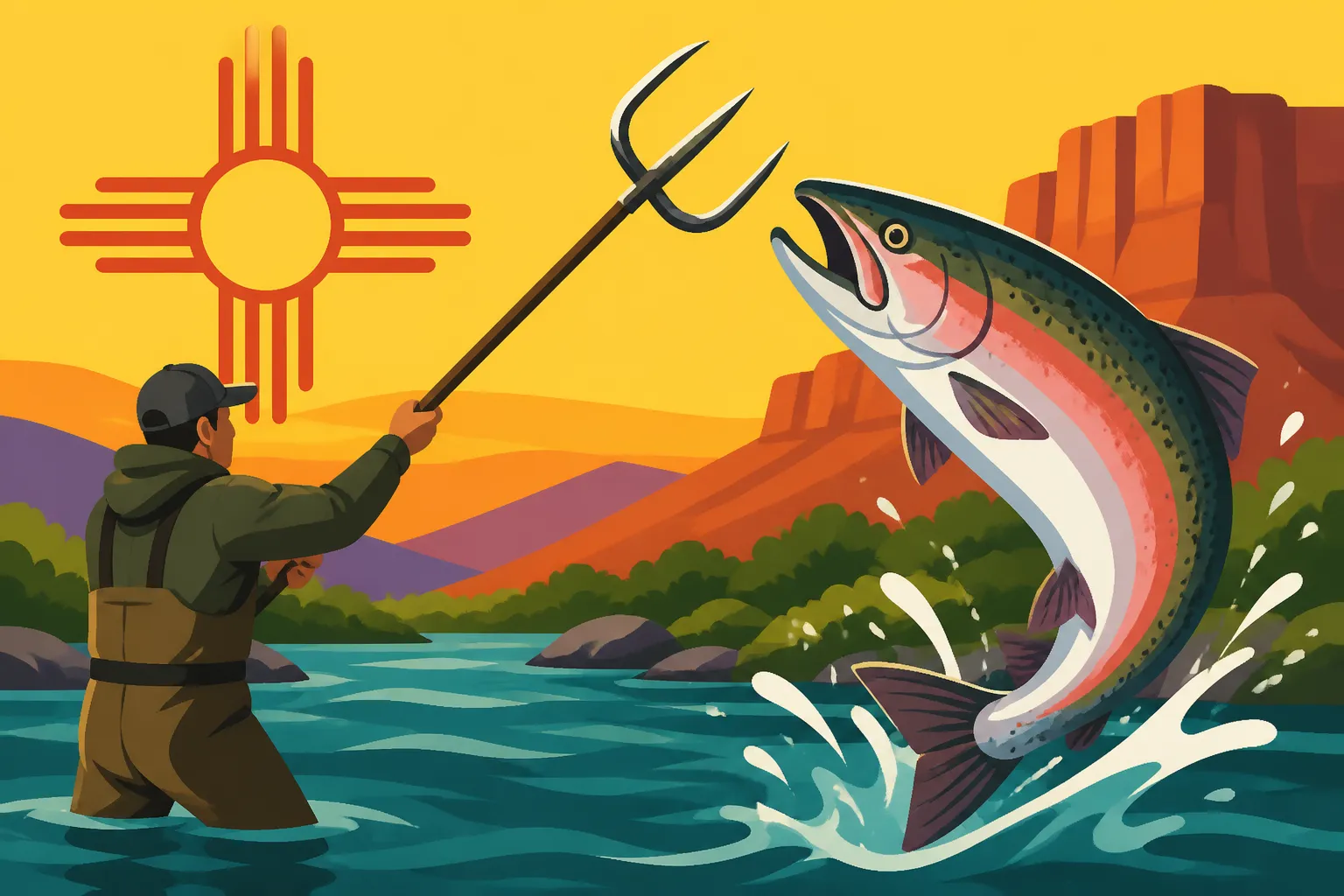
The term "snagging" itself carries a very specific legal definition in New Mexico. It refers to the act of hooking a fish in any part of its body other than the mouth. This is a critical distinction from traditional angling.
When snagging for Kokanee, the following methods and restrictions generally apply:
- No Bait: You cannot use bait while snagging. The method relies solely on the hook, not on attracting the fish to bite.
- Hook Type: While specific hook sizes or types can be regulated, large, heavy-gauge treble hooks are commonly used. However, it is paramount to consult the official NMDGF regulations for the precise year you are fishing, as hook size limits (e.g., maximum gap) or hook point configurations can be specified. For instance, some regulations might limit hooks to a certain number of points or size to prevent excessive harm or targeting of smaller, non-spawning fish.
- Number of Rods: Typically, only one rod or line is allowed per angler when snagging. This is standard to manage congestion and ensure fair access.
- Daily Bag & Possession Limits: There are strict limits on the number of Kokanee salmon you can keep. The statewide bag limit for Kokanee salmon is generally 10 fish per day, with a possession limit of 20 fish. This means you can harvest 10 in a single day, but can possess up to 20 if you've fished for multiple days. These limits are in place to ensure sustainability. For more on these fish, refer to our comprehensive guide on Kokanee Salmon Fishing in New Mexico.
Any deviation from these rules can result in significant fines and penalties. Always refer to the most current NMDGF fishing proclamation, which can be found on their website or by picking up a physical copy wherever licenses are sold.
Recommended Gear for a Successful Snagging Trip
Having the right gear makes a world of difference when snagging for Kokanee. These fish are strong, and the method often involves heavy weights and robust tackle.
- Rods & Reels: You'll want a heavy-duty spinning or casting setup. Think medium-heavy to heavy power rods, typically 7 to 9 feet long, capable of handling 1-3 ounces of weight without feeling overloaded. A strong backbone is essential to setting hooks and controlling powerful fish. Pair this with a robust reel (size 4000-6000 for spinning, or a heavy-duty baitcaster) with a smooth, reliable drag system. Many anglers prefer a stout graphite or composite rod that can absorb the shock of repeated snagging attempts.
- Line: Braided line is almost universally preferred for snagging due to its strength, thin diameter, and zero stretch, which provides excellent sensitivity for feeling fish. A good starting point is 30-50 lb test braided line. This heavy line can withstand the abrasion of rocky bottoms and the brute force of a snagged salmon. Monofilament or fluorocarbon can also work, but they lack the sensitivity and brute strength of braid for this technique.
- Hooks: As mentioned, large, strong treble hooks are standard. Common sizes range from #2 to #4/0, depending on specific regulations and angler preference. Ensure they are sharp and durable. You might want to stock up on a few packs, as hooks can get bent or snagged on underwater obstacles.
- Weights: Heavy pyramid or bell sinkers are crucial for getting your rig down quickly and staying in the strike zone. You’ll typically need 1 to 3 ounces, or even more if you're fishing in strong currents or deeper water. Having a variety of weights is a good idea to adapt to changing conditions. You can often find these in bulk on sites like Amazon, making it easy to stock up.
- Other Essential Items:
- Pliers/Hook Remover: A sturdy pair of long-nosed pliers or a specialized hook remover is indispensable for safely and efficiently extracting hooks from fish. This is especially important for catch-and-release, or just making sure you don't get hurt.
- Landing Net: A large, deep-hooped landing net with a rubberized mesh is highly recommended. It protects the fish's slime coat if you plan to release any, and more importantly, it helps secure a struggling fish that's hooked outside the mouth.
- Cooler with Ice: If you plan to keep your catch, a good cooler filled with ice is non-negotiable to maintain fish quality.
- Waders and Boots: Depending on where you’re fishing, waders and sturdy wading boots with good traction can be invaluable, especially on slippery, uneven banks.
- Appropriate Clothing: Snagging season often occurs in colder months. Dress in layers, including waterproof outer shells, warm hats, and insulated gloves. Again, checking out options for warm, waterproof gloves on Amazon can save you a lot of discomfort on a chilly day.
For a deeper dive into specific rigging, you might want to look at a Gear Checklist for Snagging Salmon at Navajo Lake or even tips on How to Snag Salmon at Navajo Lake.
Maximizing Your Chances and Staying Safe During Snagging Season
Snagging Kokanee salmon isn't just about showing up with a license and heavy tackle; it's about understanding the subtle nuances of the fish behavior and prioritizing safety in potentially challenging conditions.
Timing Your Trip for Peak Runs
While the NMDGF sets the official season dates, the actual "peak" of the Kokanee spawning run can fluctuate. Timing your trip effectively can significantly increase your success.
- Environmental Factors: Water temperature, recent rainfall, and dam releases can all influence when and where Kokanee congregate. Colder water generally triggers their movement into spawning areas.
- NMDGF Reports & Local Knowledge: The best way to track the run is to monitor the New Mexico Department of Game and Fish's weekly fishing reports or social media updates. Local tackle shops, particularly those in Farmington or Los Ojos near Navajo and Heron Lakes respectively, are goldmines of real-time information. They'll often know when the fish are "in" and where the action is hottest.
- Time of Day: Kokanee often move into shallower areas to spawn during low light conditions – early morning and late afternoon/evening. However, during the peak of the run, they can be actively moving throughout the day. Paying attention to what other successful anglers are doing can provide clues.
Don't just pick a random weekend within the season; do a little homework on the current conditions to put yourself in the best possible position.
Ethical Considerations and Safety Tips
Snagging can sometimes be viewed controversially, so adhering to ethical practices is crucial for ensuring the longevity of this unique opportunity. Safety, especially in colder weather, is also paramount.
Ethical Considerations:
- Respect Other Anglers: Snagging spots, especially at peak times, can get crowded. Give others space, avoid casting over lines, and be mindful of your backcast, particularly with heavy weights and treble hooks.
- Clean Up Your Trash: Leave no trace. Pack out everything you pack in, including discarded fishing line and broken gear.
- Know Your Limits: Adhere strictly to the daily bag and possession limits. Over-harvesting not only violates regulations but also strains the resource.
- Minimize Harm to Non-Targets: If you accidentally snag a non-target species (like a trout or bass) or an immature Kokanee, release it quickly and gently. Use wet hands to minimize damage to their protective slime layer. Have those heavy-duty pliers ready for a quick, clean release.
Safety Tips:
- Dress for the Weather: Snagging season falls during cooler months. Dress in multiple layers to regulate your body temperature. Waterproof outer layers are essential, as you're often near the water and precipitation can occur. A warm hat and gloves (like those found on Amazon designed for cold-weather fishing) are critical.
- Watch Your Step: Lake banks can be steep, muddy, and extremely slippery, especially if wet or icy. Wear appropriate footwear with good traction. A wading staff can provide extra stability.
- Awareness of Surroundings: Be mindful of your casting arc, especially when using heavy weights and large hooks. Ensure no one is in your immediate vicinity, particularly children, before making a powerful cast.
- Cold Water Safety: If fishing from a boat or near deep water, always wear a U.S. Coast Guard-approved Personal Flotation Device (PFD). Cold water immersion is a serious hazard, and even a strong swimmer can be incapacitated quickly.
- First-Aid: Carry a basic first-aid kit, especially one equipped for cuts and punctures from hooks.
- Hydration and Nutrition: Even in cold weather, it's easy to get dehydrated. Bring plenty of water and snacks to maintain energy levels throughout the day.
By being prepared, respectful, and safety-conscious, you'll not only enhance your own snagging experience but also contribute to a positive environment for all anglers.
| Feature | Navajo Lake Snagging | Heron Lake Snagging |
|---|---|---|
| Typical Season Dates | October 1st – December 31st | November 11th – January 31st (following year) |
| Primary Location | Northwest New Mexico, near Farmington | North Central New Mexico, near Los Ojos |
| Typical Peak Run | Mid-October to Mid-November | Late November to Late December |
| Water Type | Large, deep reservoir with varied access | Large, deep reservoir, known for "no-wake" zones |
| Primary Access | Pine River Arm, near the dam, various shorelines | Near the dam, designated shorelines |
| Bag/Possession Limit | 10 daily / 20 possession (statewide for Kokanee) | 10 daily / 20 possession (statewide for Kokanee) |
| Key Regulation Note | Always verify exact dates & area restrictions with NMDGF. | Always verify exact dates & area restrictions with NMDGF. |
Disclaimer
The information provided in this guide is for general informational purposes only and is based on typical New Mexico fishing regulations and common practices. Fishing regulations, season dates, and specific rules are subject to change by the New Mexico Department of Game and Fish (NMDGF) without prior notice. It is the responsibility of every angler to consult the most current official NMDGF Fishing Rules & Regulations booklet or the NMDGF website before engaging in any fishing activity. Failure to do so may result in fines or penalties. Always prioritize safety and ethical angling practices.