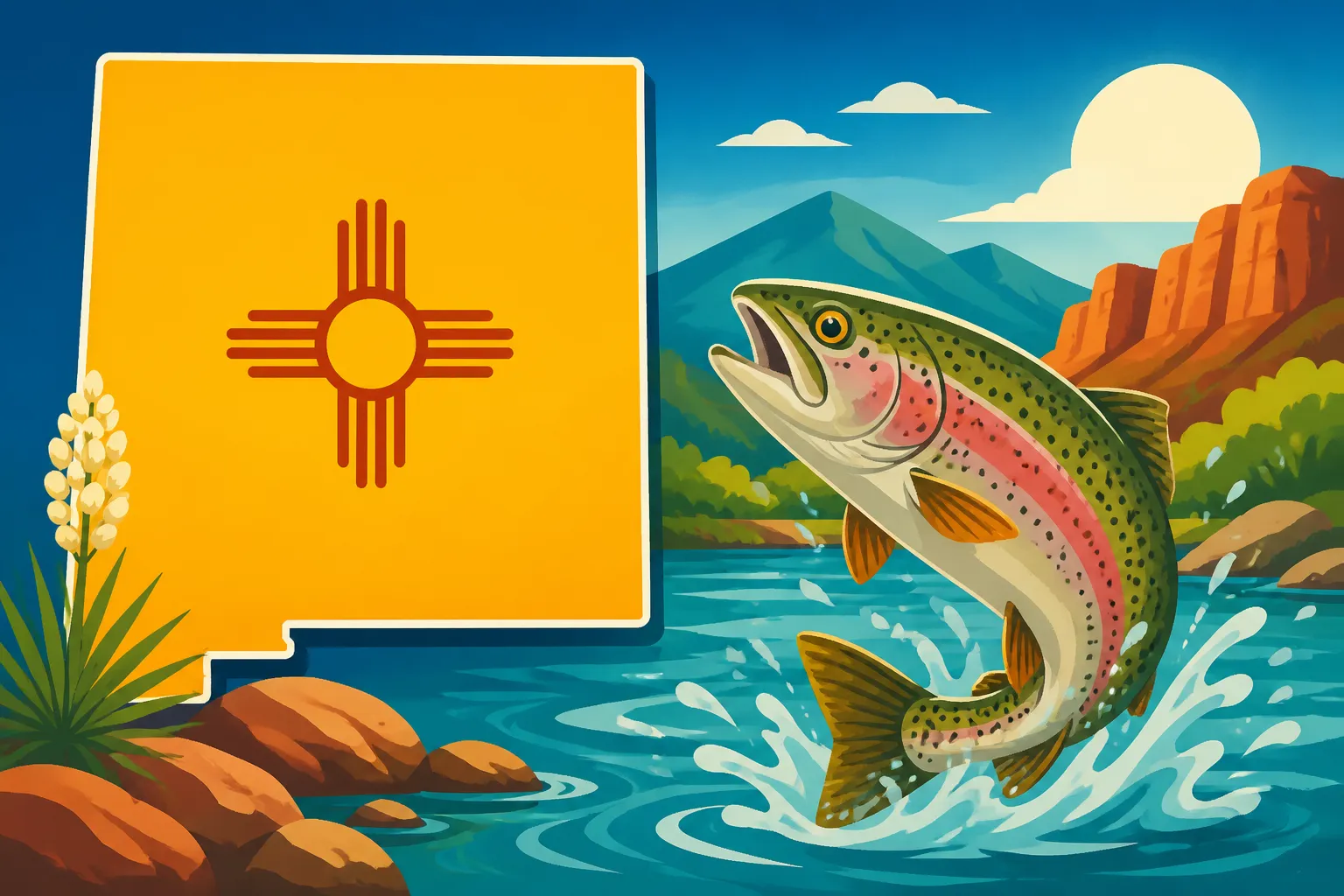
New Mexico’s Quality Waters List
It's incredibly frustrating when you're planning a fishing trip to New Mexico, dreaming of those pristine waters and trophy trout, only to find yourself swimming in a sea of confusing regulations and vague definitions. What exactly is a "Quality Water" anyway, and where can you actually find these legendary spots? This guide is here to cut through the jargon, clear up the confusion, and give you the definitive list of New Mexico's Quality Waters, along with a deep dive into what makes them so special and how you can prepare for an unforgettable angling experience.
What Are New Mexico's Quality Waters?
When you hear "Quality Waters" in New Mexico, it’s easy to imagine a whole host of fantastic fishing spots, each with its own unique charm and big fish. However, the term "Quality Waters" actually has a very specific and somewhat singular definition within the New Mexico Department of Game and Fish (NMDGF) regulations. It’s not a blanket term for every excellent fishery, but rather a designation applied to a very particular and highly celebrated stretch of river. This distinction is crucial for any angler planning a trip.
Defining "Quality Water" in New Mexico
In New Mexico, the term "Quality Water" primarily refers to one legendary stretch: a specific section of the San Juan River. This isn't just a casual name; it’s an official designation that comes with a set of very strict, unique regulations designed to protect and enhance its world-class fishery. When we talk about "Quality Waters," we are almost exclusively talking about the incredible stretch of the San Juan River below Navajo Dam. This area is renowned internationally for its incredibly high density of large, healthy trout, making it a bucket-list destination for many fly anglers.
It’s important to understand that while New Mexico boasts many other fantastic fisheries with special rules, such as sections of the Rio Grande or Pecos River, these are generally categorized as "Special Trout Waters" or other specific management areas, not "Quality Waters." The "Quality Water" label carries a specific weight and implies a level of management and productivity that is truly exceptional and almost unrivaled in the state, largely due to the unique characteristics created by the dam's tailwater release. This narrow definition helps the NMDGF focus its conservation efforts and communicate precise rules for this singular, precious resource.
The Goals Behind Quality Water Designations
The NMDGF doesn't just slap the "Quality Water" label on a river for fun. There's a very clear and strategic purpose behind designating this specific section of the San Juan River as a Quality Water. The primary goal is to foster and sustain a world-class trout fishery, one that consistently produces large, healthy fish and provides an unparalleled angling experience. This means managing the fishery for quality, not just quantity.
One of the key objectives is to promote the growth of trophy-sized trout. The consistent water flows and temperatures from Navajo Dam create an ideal environment for trout, leading to abundant insect life that provides a steady, rich food source. By implementing strict regulations like artificial lures/flies only and mandatory catch-and-release for most fish, the NMDGF ensures that a large proportion of these fish survive to grow to impressive sizes, offering anglers the chance to hook into truly memorable specimens. Furthermore, this designation protects the unique ecosystem of this specific river section, maintaining its ecological integrity and ensuring its health for generations of anglers to come. It’s about creating a sustainable model where the fish population thrives, providing both recreational value and a significant economic boon to the local communities through tourism.
The Legendary San Juan River Quality Waters: New Mexico's Premier Example
If there's one place that puts New Mexico on the global fly-fishing map, it's the San Juan River Quality Waters. This section isn't just good fishing; it's an experience that consistently exceeds expectations, drawing anglers from around the world. Its reputation is well-deserved, built on a foundation of abundant, large trout and challenging yet rewarding angling. Understanding this section is key to appreciating New Mexico's commitment to premier fisheries.
The Exact Section and Its Unique Characteristics
The San Juan River Quality Waters comprise a roughly 3.75-mile stretch of river directly below the base of Navajo Dam, extending downstream to the Crusher Hole. What makes this particular section so incredibly fertile and unique? It all boils down to the consistent, cold, and nutrient-rich water released from the bottom of Navajo Lake. Unlike many rivers that experience dramatic seasonal fluctuations in temperature and flow, the San Juan's tailwater section maintains remarkably stable conditions year-round. This constant environment provides an ideal habitat for an explosion of aquatic insect life, particularly midges and tiny mayflies, which are the primary food source for the river's massive trout population.
The sheer density of trout in this short stretch is staggering, often cited as one of the highest per mile of any river in North America. These fish, predominantly rainbow trout, grow quickly and can reach impressive sizes, with many anglers reporting catches over 20 inches. The clear, cold water also means the fish are often visible, making for exciting sight-fishing opportunities. However, their abundance also makes them notoriously selective, requiring precise fly presentations and careful technique. This combination of consistent conditions, abundant food, and wary fish makes the San Juan Quality Waters a truly singular and challenging destination. For more in-depth knowledge on this remarkable fishery, consider reading a full San Juan River Fishing Guide.
Strict Regulations for a Reason
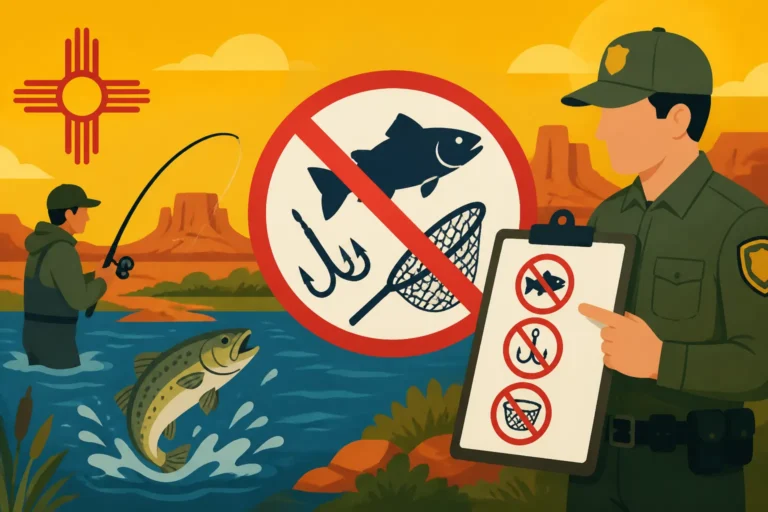
To maintain the exceptional quality of this fishery, the NMDGF has implemented a very specific set of regulations for the San Juan River Quality Waters. These rules are non-negotiable and strictly enforced, and for good reason: they are designed to protect the fragile ecosystem and ensure the continued health and growth of its world-class trout. The regulations include:
- Artificial Flies and Lures Only: Live bait is strictly prohibited. This rule minimizes harm to fish by reducing gut-hooking incidents and ensures that fish are caught ethically. Anglers will want to stock up on a variety of flies and lures, which you can easily find on Amazon or at local fly shops like those in Farmington.
- Barbless Hooks Required: All hooks, whether on flies or lures, must be barbless. This rule is paramount for catch and release, allowing for quick, easy, and minimally damaging unhooking, drastically improving the survival rate of released fish. You can find specialized barbless hooks or simply crimp the barbs on your existing hooks with a pair of pliers. Learning the Barbless Hook Fishing Technique for New Mexico Rivers is essential here.
- Specific Bag and Possession Limits: While the general rule encourages catch and release, there is typically a specific, very low bag limit for trout, often just one fish per day, and it must meet a minimum size requirement (e.g., 20 inches or larger, though this can change, so always check current regulations). This ensures that only very large, mature fish are removed from the population, allowing the younger fish to grow and contribute to the fishery's density. These precise rules are part of what makes the San Juan Quality Waters truly special, demanding a high level of respect and adherence from all who fish them. For a comprehensive overview of statewide fishing rules, consult the New Mexico Fishing Regulations Overview.
Beyond the San Juan: Understanding Other Special Trout Waters
While the San Juan River Quality Waters holds a unique and revered place, New Mexico is home to a multitude of other incredible trout fisheries that, while not carrying the "Quality Water" designation, are equally deserving of angler attention. These spots often have their own specific rules and management strategies, collectively known as "Special Trout Waters," designed to protect their unique characteristics and ensure quality angling experiences.
Distinguishing "Quality Waters" from "Special Trout Waters"
It's a common point of confusion for many anglers: what's the difference between a "Quality Water" and a "Special Trout Water"? As we've discussed, "Quality Water" in New Mexico's context is almost exclusively reserved for the prime section of the San Juan River below Navajo Dam. This specific designation highlights its unique hydrological stability, exceptional trout density, and international reputation for large, wild-like trout sustained by consistent tailwater flows. The regulations in Quality Waters are often the most stringent, emphasizing advanced fly-fishing techniques and minimal impact.
"Special Trout Waters," on the other hand, is a broader category that encompasses numerous other rivers, streams, and lakes across New Mexico that have specific management objectives beyond general statewide regulations. These might include various stretches of the Rio Grande, sections of the Pecos River, certain high-mountain lakes, or specific spring creeks. The regulations for these "Special Trout Waters" vary widely by location. Some might allow bait, while others are artificial-lure-only. Some might have catch-and-release rules, while others have different bag and possession limits. The key takeaway is that all Quality Waters are Special Trout Waters, but not all Special Trout Waters are Quality Waters. Always check the specific regulations for the water you plan to fish. You can find detailed information on these nuanced rules in the New Mexico Special Trout Water Rules.
Examples of Other Important Special Trout Waters
New Mexico is blessed with a diverse array of Special Trout Waters, each offering a distinct fishing experience. These areas are managed to provide diverse opportunities, from high-desert stream fishing to alpine lake adventures. Here are a few prominent examples:
- Rio Grande: Certain sections of the Rio Grande, particularly in the northern part of the state and within the Rio Grande Gorge, are designated Special Trout Waters. These areas often have artificial-lure-only restrictions and varying bag limits, aiming to protect native species like the Rio Grande Cutthroat Trout or enhance populations of brown and rainbow trout. Fishing here can be incredibly scenic and often requires wading skills.
- Pecos River: Similar to the Rio Grande, specific stretches of the Pecos River, especially those within the Pecos Wilderness, are managed as Special Trout Waters. Anglers here can find stunning mountain scenery and diverse trout populations, including brook, brown, and rainbow trout. Regulations often lean towards artificial flies and lures to preserve the wild nature of the fishery.
- Fenton Lake State Park: This beautiful mountain lake is a popular destination and is designated a Special Trout Water. It often has artificial-lure-only regulations and can be a great spot for both fly and spin anglers targeting rainbow and brown trout. It's an excellent example of a managed lake environment providing unique opportunities.
- High-Mountain Lakes and Streams: Many remote, high-elevation lakes and streams throughout the Sangre de Cristo and Gila Wilderness areas fall under Special Trout Water rules, often with artificial-lure or fly-only restrictions. These require more effort to access but reward anglers with pristine environments and the chance to catch native Trout Species in New Mexico.
It is absolutely vital to consult the current NMDGF fishing regulations booklet or website before heading out to any of these waters, as rules can change seasonally or annually. Each location has its own story and its own specific set of guidelines that dictate how and what you can fish.
Here’s a quick overview of some key special trout waters to help you visualize the different approaches:
| Water Body | Primary Designation | Key Fish Species | Common Regulations (Always check current rules!) | Unique Feature |
|---|---|---|---|---|
| San Juan River (Below Navajo Dam) | Quality Water | Rainbow Trout, Brown Trout | Artificial Flies/Lures Only, Barbless Hooks, Very Low Bag Limit (e.g., 1 fish > 20") | World-renowned for high density of large trout, consistent tailwater. |
| Rio Grande Gorge | Special Trout Water | Brown Trout, Rainbow Trout, Rio Grande Cutthroat Trout | Artificial Flies/Lures Only, Catch & Release or Specific Bag Limit | Dramatic canyon scenery, challenging wading. |
| Pecos River (Upper Sections) | Special Trout Water | Brown Trout, Rainbow Trout, Brook Trout | Artificial Flies/Lures Only, Varying Bag Limits | Remote wilderness setting, pristine mountain fishing. |
| Fenton Lake State Park | Special Trout Water | Rainbow Trout, Brown Trout | Artificial Flies/Lures Only, Specific Bag Limit | Beautiful mountain lake, easily accessible for lake fishing. |
| Gila River (Wilderness Sections) | Special Trout Water (Gila Trout) | Gila Trout, Brown Trout | Artificial Flies/Lures Only, Barbless Hooks, Catch & Release (often) | Recovery waters for native Gila Trout, remote and wild. |
Essential Rules and Gear for New Mexico's Special Fisheries
Fishing New Mexico's Quality and Special Trout Waters isn't just about finding the fish; it's about understanding and respecting the rules that preserve these precious resources. Adhering to specific gear requirements and ethical angling practices is paramount, not just for compliance but for contributing to the long-term health of these world-class fisheries.
Mandatory Gear: Artificial Lures, Flies, and Barbless Hooks
When you venture into New Mexico's Quality Waters, especially the San Juan, or many of the designated Special Trout Waters, you'll quickly realize that your typical bait setup won't cut it. These fisheries are almost universally restricted to artificial flies and lures only. This means no worms, no salmon eggs, no powerbait, and definitely no live minnows. The reasoning is sound: artificials are less likely to be swallowed deeply by a fish, making catch-and-release much safer and more successful. When selecting artificials, think small and realistic, especially for the San Juan, where tiny midges and annelids are the order of the day. A diverse fly box with nymphs, dries, and streamers is a good starting point, many of which can be purchased on Amazon or from specialty fly shops.
Furthermore, barbless hooks are a strict requirement in most of these sensitive areas. A barbed hook creates a larger wound and makes removal more difficult, increasing stress and injury to the fish. Crimping down the barb on your existing hooks with a pair of needle-nose pliers is an easy way to comply if you don't have specialized barbless hooks. This small step makes a huge difference in the survival rate of released fish. Ensuring your gear meets these requirements before you even leave home will save you a headache and potential fines on the water.
Practicing Responsible Catch and Release
Given that many of New Mexico's Quality and Special Trout Waters are managed for trophy fish and sustainable populations, catch and release is often encouraged, if not outright mandated. This isn't just about following a rule; it's about ethical angling and stewardship. When you hook a fish, minimize the fight time as much as possible to reduce stress. Keep the fish in the water as much as you can. If you need to handle it, wet your hands first to protect its delicate slime coat, which is vital for its immune system. Avoid squeezing the fish, especially around its internal organs.
Use a pair of hemostats or forceps to gently remove the barbless hook. If the hook is deeply set (which is less likely with barbless hooks and artificials), cut the line rather than tearing at the fish. Once the hook is out, hold the fish gently in the current, facing upstream, allowing water to flow over its gills until it regains its strength and swims away on its own. Never toss or drop a fish back into the water. By following these simple but crucial steps, you give that fish the best chance of survival, ensuring it can grow bigger and be caught again another day. For a deeper dive into methods, check out New Mexico Catch and Release Regulations.
Navigating Bag and Possession Limits
Even in waters where catch and release is highly encouraged, there are still specific bag and possession limits that anglers must understand and adhere to. These limits can vary significantly from one Special Trout Water to another, and even within different sections of the same river. For instance, the San Juan Quality Waters typically have a very restrictive bag limit (e.g., one trout 20 inches or longer per day), primarily encouraging catch and release while allowing for the harvest of a truly exceptional fish. Other Special Trout Waters might have limits of two, four, or five fish, often with size restrictions (e.g., "no more than one over 18 inches").
The term "bag limit" refers to the number of fish you can keep in a single day, while "possession limit" refers to the maximum number of fish you can have in your possession, whether on your person, in your cooler, or in your vehicle, regardless of how many days you've been fishing. It's crucial to consult the most current NMDGF regulations guide for the specific water you intend to fish. These regulations are updated annually, so don't rely on old information. Understanding and respecting these limits ensures that the fish populations remain healthy and sustainable for all anglers.
Planning Your High-Quality Fishing Adventure
Embarking on a fishing trip to New Mexico's Quality and Special Trout Waters requires a bit of thoughtful planning. These are not just casual fishing spots; they're managed fisheries that offer exceptional opportunities, and being prepared will significantly enhance your experience. From paperwork to timing, a little foresight goes a long way.
Securing Your New Mexico Fishing License and Stamps
Before you even think about casting a line in any of New Mexico's waters, whether they're Quality Waters, Special Trout Waters, or general open waters, you absolutely must have a valid New Mexico fishing license. This isn't just a suggestion; it's a legal requirement, and fishing without one can lead to significant fines. The type of license you need depends on your residency status (resident vs. non-resident) and the duration of your trip (annual, five-day, or one-day). All anglers, including non-residents, can easily purchase licenses online through the NMDGF website, from local vendors such as sporting goods stores, or even by phone. For a comprehensive breakdown of options and costs, refer to the New Mexico Fishing License Guide.
In addition to your general fishing license, many anglers will also need a New Mexico Habitat Management & Access Validation (commonly known as a Habitat Stamp). This stamp is required for anyone 18 years or older who fishes on lands managed by the Bureau of Land Management, U.S. Forest Service, or State Trust Lands, as well as on any waters designated as Special Trout Waters (which includes the San Juan Quality Waters). This stamp helps fund crucial habitat improvement projects and provides access to public lands. While there are some exemptions for certain license types, it's safer to assume you'll need one if you're targeting these premier waters. You can find all the details on requirements and costs in the New Mexico Habitat Stamp and Validation Requirements. Always carry both your physical license and stamp (or a digital copy on your phone) while fishing.
Seasonal Considerations for Prime Fishing
The timing of your visit can dramatically impact your fishing success in New Mexico's Quality and Special Trout Waters. While the San Juan Quality Waters offer relatively consistent fishing year-round due to stable tailwater flows, other Special Trout Waters are much more susceptible to seasonal changes.
- Spring (March-May): This is often an excellent time for many fisheries as water temperatures begin to rise, and insects become more active. Spring runoff from snowmelt can make some rivers high and muddy, but tailwaters like the San Juan often remain fishable. It's a prime time for streamer fishing and nymphing.
- Summer (June-August): High-mountain lakes and streams truly shine in the summer months once ice has melted and access improves. Terrestrial insects like grasshoppers and beetles become important food sources. Lower elevation rivers can get warm, potentially stressing trout, so early morning or late evening fishing is often best. The San Juan remains a strong summer fishery, especially for its prolific midge and mayfly hatches.
- Fall (September-November): Many consider fall to be the absolute prime fishing season in New Mexico. Water levels often stabilize, temperatures cool, and trout become very active, feeding heavily before winter. Brown trout, in particular, become aggressive as they prepare to spawn. The colors of the changing aspens make for a breathtaking backdrop to your angling.
- Winter (December-February): While challenging, winter can offer incredible solitude and the chance at large fish. Ice fishing becomes an option on some high-elevation lakes. On the San Juan, midge fishing can be exceptional, though the cold weather demands proper layering and preparation. Checking the New Mexico Fishing Season Calendar will give you a better idea of what to expect throughout the year.
Resources for Up-to-Date Information
Staying informed is perhaps one of the most important aspects of planning a successful trip to New Mexico's special fisheries. Conditions can change rapidly due to weather, water releases from dams, or sudden regulation updates.
- NMDGF Website: The official New Mexico Department of Game and Fish website is your primary source for the most current regulations, stocking reports, water levels, and emergency closures. Always download or print the latest fishing rules before your trip.
- Local Fly Shops and Guide Services: Especially for the San Juan River and other popular trout streams, local fly shops (e.g., in Farmington, Chama, or Taos) are invaluable resources. Guides and shop staff spend countless hours on the water and can provide real-time information on successful flies, lures, water conditions, and recent catch reports. They often share valuable insights into techniques like Nymph Fishing on the San Juan River that you won't find anywhere else. Don't hesitate to call them or stop by. Their advice can be worth its weight in gold.
- Online Forums and Social Media Groups: Many dedicated New Mexico fishing communities exist online where anglers share tips, report conditions, and discuss tactics. While these should be cross-referenced with official sources, they can offer a sense of what's happening on the ground.
- River Flow Data: For tailwaters like the San Juan, monitoring real-time river flow data (available through USGS websites) is crucial. Changes in flow can significantly impact fish behavior and wading safety.
By diligently checking these resources, you can ensure your trip to New Mexico's Quality and Special Trout Waters is not only successful but also safe and compliant with all regulations.
Disclaimer
The information provided in this guide is intended for general informational purposes only and is subject to change. Fishing regulations, license requirements, and water conditions in New Mexico can vary and are updated periodically by the New Mexico Department of Game and Fish (NMDGF). Always consult the official NMDGF website or their current fishing regulations booklet for the most accurate and up-to-date information before planning and undertaking any fishing activity. Adherence to all local, state, and federal laws is the sole responsibility of the angler.