New Mexico Statewide Bag Limit for Crappie and Sunfish
It's incredibly frustrating trying to keep all the fishing regulations straight, especially when you're just trying to enjoy a peaceful day out on a New Mexico lake or river. Understanding the specific daily catch and possession limits for common panfish like crappie and sunfish can feel like navigating a maze of legal jargon. This guide is here to cut through that confusion, providing clear, in-depth information on New Mexico's statewide bag limits for these popular species, ensuring you can fish responsibly and confidently.
Understanding New Mexico's General Bag Limit Rules for Panfish
Fishing for crappie and sunfish in New Mexico is a fantastic way to spend an afternoon, whether you're introducing kids to the sport or just looking for some consistent action. These species are abundant in many of our waters, but just because they're plentiful doesn't mean there aren't rules about how many you can keep. The New Mexico Department of Game and Fish (NMDGF) sets these limits to ensure healthy fish populations for generations of anglers to enjoy. It's not about making things complicated; it's about balance and sustainability.
The Statewide Crappie Limit Explained
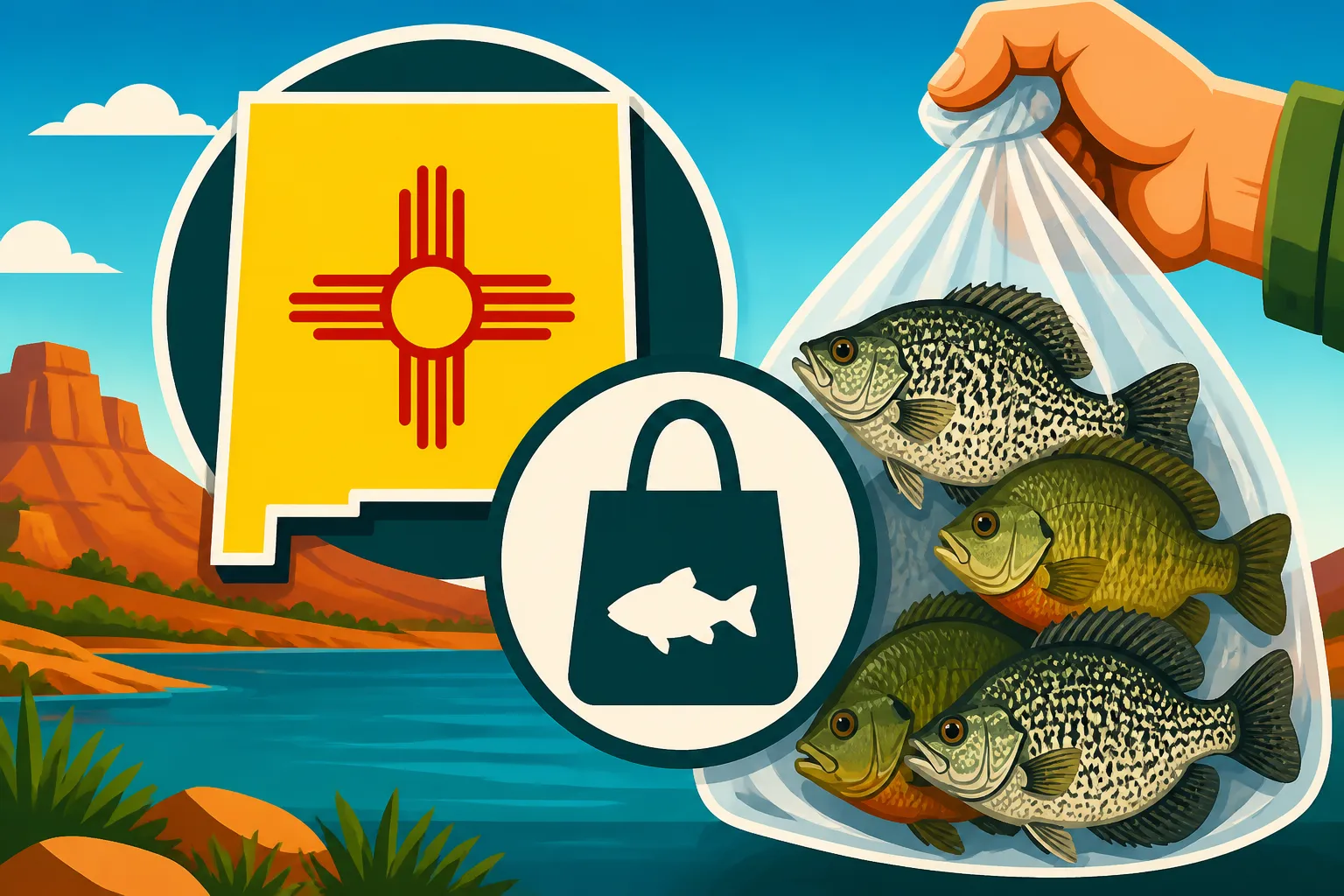
When you're out chasing crappie, those feisty little panfish that can put up a surprisingly good fight, it's crucial to know your limits. New Mexico has a clear statewide daily bag limit for crappie: 20 fish per day. This means that in any 24-hour period, you cannot legally harvest more than twenty crappie. This limit applies across the state unless a specific body of water has a different, overriding regulation (which we'll delve into later). Whether you're pulling in black crappie or white crappie, they all count towards this 20-fish total. It’s easy to get caught up in the excitement when the bite is hot, but keeping a mental tally or even a physical one can save you from an unintentional violation. Just picture yourself on a productive day at Conchas Lake or Elephant Butte Lake, reeling in slab after slab – it's easy to lose count! This is why knowing the number before you even cast your first line is so important.
Beyond the daily bag limit, there's also a statewide possession limit for crappie, which is 40 fish. The possession limit refers to the maximum number of fish you can have in your possession at any given time, whether they're in your cooler, your freezer at home, or anywhere else. So, if you've had a few successful trips over consecutive days, you need to be mindful that the total number of crappie you've kept stored away doesn't exceed 40. This distinction between daily and possession limits is often a point of confusion for anglers, but it's a critical one to understand to stay within the law and contribute to the longevity of the fishery. Always check the official New Mexico Fishing Regulations Overview for the most current details.
Statewide Sunfish and Bluegill Limits
Sunfish, a broad category that includes popular species like bluegill, green sunfish, and redear sunfish, are another favorite among New Mexico anglers. They're often the first fish many of us ever catch, and they provide endless entertainment, especially for families. Just like with crappie, the NMDGF has established a statewide daily bag limit for sunfish, which is also 20 fish per day. This means you can keep up to twenty individual sunfish of any species (bluegill, green sunfish, etc.) in a single day. The regulations don't typically differentiate between the various sunfish species for this general limit, lumping them all under the "sunfish" umbrella. This simplifies things for the angler, so you don't have to stress about identifying every subtle difference when you're focusing on the bite.
Similarly, the statewide possession limit for sunfish is 40 fish. This mirrors the crappie limit, again designed to manage overall harvest and prevent individuals from stockpiling large quantities of fish. If you're targeting bluegill at a local pond or pulling in a mix of sunfish species from a larger reservoir, remember that all of them contribute to both your daily and possession limits. There's no statewide size limit on crappie or sunfish in New Mexico, which means you can keep fish of any size, as long as you adhere to the numerical limits. However, many anglers choose to release smaller fish to grow and larger, older fish to continue spawning, a practice that contributes positively to the fishery's health. For additional context on various species, you might want to read up on Sunfish Species in New Mexico.
Why Bag Limits Matter for Panfish Populations
It's easy to think, "Oh, they're just panfish, there are tons of them!" But that kind of thinking, on a large scale, can quickly deplete even the most robust fish populations. Bag limits for crappie and sunfish are in place for very important ecological reasons, primarily focusing on sustainable population management. Without these limits, unchecked harvest could lead to a significant decline in fish numbers, impacting the overall health of the aquatic ecosystem. Think about it: a lake could quickly become overfished if everyone kept every crappie or bluegill they caught, day after day.
These regulations help prevent localized overfishing, especially in heavily pressured waters near urban areas like Albuquerque or Santa Fe. They ensure that enough fish remain in the population to reproduce, grow, and maintain a healthy food chain. By adhering to these limits, every angler plays a direct role in conservation. It's not just about following a rule; it's about being a good steward of New Mexico's natural resources. The NMDGF invests considerable effort in studying fish populations, stocking programs, and habitat management to provide excellent fishing opportunities. Our compliance with bag limits is a crucial part of supporting those efforts and ensuring that our kids, and their kids, can also enjoy the thrill of catching these delightful panfish. This dedication to conservation is a cornerstone of the New Mexico Warm Water Fish Bag Limits philosophy.
Navigating Exceptions and Special Waters for Crappie and Sunfish
While the statewide limits provide a good baseline, New Mexico's diverse fishing landscape means that not every rule applies uniformly everywhere. It’s incredibly important to understand that certain lakes, rivers, or specific sections of water bodies might have unique regulations that supersede the general statewide limits. This can be a source of frustration for anglers, as it requires an extra step of due diligence before heading out. However, these specific rules are usually put in place for very good reasons, often to protect unique fisheries, manage localized populations more effectively, or support specific conservation goals.
Water-Specific Regulations and Their Impact
Imagine planning a trip to a favorite fishing spot, relying on the statewide limit, only to discover a sign at the boat ramp indicating a different rule for that particular water. This happens. For instance, while there are no current widespread exceptions that completely alter the crappie and sunfish daily or possession limits for specific major New Mexico waters, the possibility always exists. Lakes like Ute Lake, known for its crappie fishing, or the extensive waters of Elephant Butte Lake could, at any time, be designated with special regulations if NMDGF biologists determine it necessary for species management. These special regulations might involve different bag limits, possession limits, or even size restrictions, though the latter is less common for panfish.
These specific regulations are often a response to localized biological data. For example, if a certain lake experienced a boom in crappie numbers but then faced environmental stress, the NMDGF might temporarily reduce the bag limit to help the population stabilize. Conversely, if a lake becomes overpopulated with smaller sunfish, creating an unhealthy fishery, they might increase the bag limit or encourage harvest to thin the population and promote healthier growth. It’s all about maintaining that delicate balance.
How to Find Up-to-Date Local Regulations
The absolute best way to avoid a costly mistake or an unintended violation is to always, always check the current regulations for the specific body of water you plan to fish before you go. This is a non-negotiable step for any responsible angler in New Mexico. The primary source for all official regulations is the New Mexico Department of Game and Fish (NMDGF).
Here’s how you can stay informed:
- NMDGF Website: The NMDGF website is your go-to resource. They publish the most current Fishing Rules & Information online. A quick search for the lake or river you intend to visit, coupled with keywords like "fishing regulations," will usually lead you to the relevant section.
- Annual Fishing Proclamation: The NMDGF releases a comprehensive annual Fishing Rules & Information booklet, also known as the fishing proclamation. This document details all statewide regulations and lists any water-specific exceptions. You can download a digital copy from their website or pick up a physical copy wherever fishing licenses are sold. Many anglers find it useful to keep a physical copy in their tackle box or boat. You can find more information in the article about the New Mexico Fishing Regulations Booklet for 2026-2027.
- Local License Vendors and Bait Shops: Don't underestimate the value of local knowledge! Tackle shops and license vendors in the area you plan to fish are often up-to-date on the most recent local regulations and can provide valuable insights. They're usually happy to help clarify any confusion. When preparing for a trip, it can be helpful to grab essential gear like a reliable fishing scale or a new tackle box, and while you're at it, you can sometimes find localized guides or quick-reference charts on Amazon that complement the official NMDGF information.
It’s your responsibility as an angler to know and follow the rules. A quick check can prevent a ticket and ensure you’re doing your part to protect New Mexico's fisheries.
The Importance of the Annual Fishing Proclamation
The annual New Mexico Fishing Rules & Information booklet, often simply referred to as the "proclamation," is the definitive legal document outlining all fishing regulations for the state. This isn't just a suggestion list; it's the law. It's updated yearly, typically around April 1st, and includes everything from license requirements (like how to obtain a New Mexico Fishing License Guide) to bag and possession limits for all game fish species, including crappie and sunfish. It also explicitly lists any special waters with regulations that differ from the statewide rules.
Why is this document so crucial? Because conditions and management strategies can change. Droughts, floods, fish stocking successes, or biological assessments can all lead to adjustments in limits or special rules for certain bodies of water. What was true last year might not be true this year. For example, specific areas might introduce "Quality Waters" or "Special Trout Water" designations with unique catch-and-release rules or gear restrictions. While these designations are more common for trout, the precedent for water-specific rules applies broadly. Having access to the current proclamation—either a physical copy or the digital version on your phone—means you have the authoritative answer at your fingertips, which is invaluable when you're on the water and unsure about a particular rule.
Practical Tips for Responsible Crappie and Sunfish Angling in New Mexico
Fishing is more than just catching fish; it's about being a responsible participant in the ecosystem and a respectful member of the angling community. When targeting crappie and sunfish, there are several practical considerations that go beyond just knowing the numbers. These tips can enhance your experience, ensure you comply with regulations, and contribute to the health of New Mexico's vibrant fisheries.
Identifying Crappie and Sunfish Accurately
While the statewide limits often group "crappie" and "sunfish" broadly, knowing how to identify specific species can be incredibly useful, especially if you encounter a water with special regulations or if you're just curious about what you've caught.
-
Crappie Identification: New Mexico is home to both Black Crappie and White Crappie.
- Black Crappie typically have irregular, blotchy patterns of dark spots all over their silvery-green bodies. They also have 7 or 8 dorsal spines (the pointy rays in the front fin on their back).
- White Crappie are usually lighter in color, often more silvery, with distinct vertical bars or stripes along their sides. They typically have 5 or 6 dorsal spines.
Understanding the difference is a good skill to have, especially if you find yourself fishing in a location that might have specific rules for one species over the other, though this is rare for panfish in New Mexico. You can find more details in our guide on Crappie Fishing in New Mexico.
-
Sunfish Identification: The "sunfish" category is even broader, but bluegill are the most common and recognizable.
- Bluegill are typically deep-bodied, with a small mouth and a prominent dark spot at the base of the dorsal fin, and often a black "ear flap" on their gill cover. Males can develop vibrant orange or yellow bellies, especially during spawning season.
- Other common sunfish include Green Sunfish (larger mouth, robust body, often with bright green or blue spots and wavy lines on their cheeks) and Redear Sunfish (characterized by a red or orange margin on their ear flap and often a more pointed snout).
Again, for statewide limits, all these generally count as "sunfish." However, differentiating them can deepen your appreciation for the local biodiversity and prepare you for any hypothetical water-specific rules you might encounter. If you're really into panfish, take a look at our Bluegill Fishing in New Mexico guide.
Estimating Your Catch and Avoiding Violations
When the fish are biting, it's easy to lose track, especially when targeting prolific species like crappie and sunfish. However, exceeding your daily bag limit can lead to fines and penalties. Here are some ways to manage your catch effectively:
- Count as You Go: The simplest method is to count each fish as you keep it. If you're fishing with others, make sure everyone in your party is aware of their individual limits and how they are tracking their catch. Remember, each licensed angler has their own limit.
- Dedicated Cooler/Stringer: Use a separate cooler or stringer for fish you intend to keep, and make sure it's accessible for counting. Some anglers even use small clip-on counters or tally marks on a waterproof pad.
- Understand Possession vs. Daily: Don't confuse the daily bag limit (what you can keep in one 24-hour period) with the possession limit (what you can legally have in your possession overall). If you have 30 crappie in your freezer from previous trips, and the possession limit is 40, you can only keep 10 more crappie on your current trip, even if you only caught 20 that day. This distinction is vital for avoiding issues. Many anglers find it useful to have a good cooler for their daily catch. A sturdy, insulated cooler, like those found on Amazon from brands like Yeti or Coleman, can help keep your fish fresh and make it easier to manage your daily count.
- When in Doubt, Release: If you're nearing your limit or unsure about a fish's species, it's always best to practice catch and release. This ensures you stay within the rules and contributes to the overall health of the fishery. We have a great resource on New Mexico Catch and Release Regulations that can help you with best practices.
Contributing to Healthy Panfish Fisheries
Beyond simply following the rules, responsible anglers actively contribute to the health and abundance of the waters they enjoy. It’s about more than just numbers; it’s about a mindful approach to the sport.
- Selective Harvest: While there might not be size limits for panfish, practicing selective harvest is an excellent way to support the fishery. This means keeping medium-sized fish for your dinner table and releasing the very small ones (to grow larger) and the very large ones (which are often the most productive spawners). By allowing these trophy-sized breeders to remain in the water, you help ensure a strong genetic pool and future generations of fish.
- Ethical Catch and Release: For fish you intend to release, handle them with care. Minimize their time out of water, use wet hands to protect their slime coat, and revive them gently if they appear stressed. Barbless hooks can also make releasing fish much easier and less traumatic, though not always required for panfish.
- Respect Habitat: Always pack out what you pack in, and avoid disturbing critical fish habitat like spawning beds or aquatic vegetation. Leave no trace, so others can enjoy the same pristine conditions.
- Report Violations: If you witness someone clearly violating fishing regulations, report it to the NMDGF. This isn't "snitching"; it's protecting a shared resource from those who would exploit it.
- Get Your License and Stamps: Ensuring you have the proper licenses and stamps, such as a New Mexico Habitat Management and Access Validation Stamp, directly contributes to the funding of conservation and management programs that maintain healthy fish populations and access to public lands.
By embracing these practices, you're not just an angler; you're a conservationist, helping to keep New Mexico's waters thriving with crappie, sunfish, and all the other wonderful species we love to pursue.
New Mexico Statewide Panfish Limits Summary
To quickly reference the general rules for crappie and sunfish, here's a table summarizing the statewide limits. Remember, always consult the current NMDGF Fishing Proclamation for any water-specific exceptions.
| Species Category | Daily Bag Limit | Possession Limit | Statewide Size Limit |
|---|---|---|---|
| Crappie (Black & White) | 20 fish | 40 fish | None |
| Sunfish (Bluegill, Green, Redear, etc.) | 20 fish | 40 fish | None |
Disclaimer
The information provided in this guide is for general informational purposes only and is based on current understanding of New Mexico fishing regulations. Fishing regulations are subject to change at any time by the New Mexico Department of Game and Fish. It is the responsibility of every angler to consult the most recent official New Mexico Fishing Rules & Information booklet (proclamation) before fishing to ensure compliance with all applicable laws and regulations.