Is a Fishing License Required on Private Ponds in New Mexico?
It’s a common scenario: you’re visiting a friend or family member with a gorgeous private pond on their New Mexico property, brimming with fish, and the thought immediately pops into your head, "Do I really need a fishing license for this?" The idea of having to jump through hoops for a quick, relaxed cast in what feels like your own backyard can be incredibly frustrating and confusing. This guide is here to untangle the New Mexico regulations around private pond fishing licenses, explaining exactly when you need one and when you can simply enjoy the peace of the water.
Understanding the Basics of New Mexico Fishing Licenses
Before we dive into the specifics of private ponds, it’s crucial to understand the fundamental principle behind New Mexico's fishing license requirements. The New Mexico Department of Game and Fish (NMDGF) manages the state's wildlife and fisheries resources for the benefit of all citizens. This management includes stocking fish, maintaining habitats, and regulating harvest to ensure sustainable populations for future generations. The revenue generated from fishing licenses is a primary funding source for these vital conservation efforts.
When you purchase a New Mexico Fishing License Guide, you're not just buying a piece of paper; you're contributing directly to the health of the state's waters and fish. This applies whether you're chasing trophy trout on the San Juan River or casting for bass at Elephant Butte Lake. The general rule of thumb is that anyone 12 years of age or older needs a valid fishing license to fish in New Mexico waters. This is a pretty straightforward rule, but like many things, it has nuances, especially when private property enters the picture. The NMDGF publishes a comprehensive New Mexico Fishing Regulations Overview each year that outlines all the rules, and it's definitely worth checking out for the most up-to-date information.
The challenge comes when distinguishing between "public waters" and "private waters." While a large, well-known reservoir like Navajo Lake is clearly public, a small pond on a privately owned ranch often blurs the lines in people's minds. Many assume that if the land is private, the rules of the state simply don't apply. This assumption, while understandable, can sometimes lead to misunderstandings and, unfortunately, penalties if not properly addressed.
When a New Mexico Fishing License IS Required on Private Ponds
This is where the nuances really come into play, and it's essential to understand these distinctions to stay on the right side of the law. The general rule for private ponds in New Mexico often comes down to the source of the water and the fish themselves, or any agreements the landowner might have with the state.
Ponds Connected to Public Waters
Even if a pond is entirely situated on private property, if it has a direct, perennial connection to public waters, then it falls under state regulation, and a fishing license is absolutely required. Think of a pond that's fed by a year-round stream that eventually flows into a river, or one that directly discharges into a larger public lake or reservoir. Because fish can move freely between these connected waters, and because the quality of the water in the private pond directly impacts the public water system, the state maintains jurisdiction.
For example, imagine a ranch in the Chama River Valley that has a beautiful spring-fed pond. If that spring eventually flows into the Chama River, even through a series of ditches or smaller creeks, then the pond is considered connected. Any fish caught in such a pond would require the angler to possess a valid New Mexico fishing license. This rule ensures that fish populations, particularly migratory species, are protected across their entire habitat range, not just in the "public" sections. The NMDGF's goal is to manage the entire ecosystem, and that often means extending regulations to privately-owned waters that are part of a larger aquatic system.
Publicly Stocked Private Ponds
This might seem contradictory – a private pond, but publicly stocked? It happens! Some private landowners enter into agreements with the New Mexico Department of Game and Fish to have their ponds stocked with fish. This could be part of a cooperative agreement to enhance public fishing opportunities, even if limited, or for other conservation purposes. In such cases, if the NMDGF has invested public resources (i.e., your license dollars) into stocking fish, they will almost certainly require anglers to possess a valid state fishing license.
These agreements are usually formalized, and signs are typically posted by the NMDGF at the access points, clearly indicating that a license is required. It's not just about who put the fish in; it's about the state's investment and management of those specific fish. For instance, if you visit a community pond that's on private land but has a history of receiving NMDGF trout stockings for youth fishing events, you can bet a license will be needed. These types of ponds, while on private property, often serve a quasi-public function through these stocking programs, justifying the license requirement. Always double-check signage and, if in doubt, err on the side of caution and assume a license is needed or contact the NMDGF directly.
Commercial Fishing Operations
If a "private pond" is part of a commercial fishing operation where fish are raised, harvested, and sold for profit, the rules become even more complex and depend on the specific business model. While individual anglers visiting a fee-based pond that stocks its own fish from a private hatchery might not always need a state fishing license, the operation itself would be heavily regulated by other commercial and health laws.
However, if the commercial operation allows public access for recreational fishing and is harvesting fish that originated from or could potentially mingle with state-managed populations, then state fishing licenses would very likely be required. This is less about your casual cast and more about large-scale aquaculture or pay-to-fish ventures. For the casual angler, if you’re paying a fee to fish at a privately run trout farm, it's always best to ask the proprietors directly about state license requirements. Often, these operations operate under specific NMDGF permits, and they will be able to tell you if a state license is necessary in addition to their access fee.
When a New Mexico Fishing License is NOT Required on Private Ponds
Now for the good news! There are indeed situations where you can enjoy fishing a private pond in New Mexico without needing a state fishing license. These scenarios typically revolve around genuinely isolated waters and fish populations that are entirely managed by the private landowner.
Wholly Contained and Privately Stocked Ponds
This is the most common scenario where a state fishing license is NOT required. If a pond is entirely on private property, has no perennial connection to public waters (meaning fish cannot enter or leave through natural waterways), and is stocked exclusively by the private landowner from a private source (e.g., a private hatchery, another private pond, or purchased fingerlings from a commercial supplier), then a New Mexico fishing license is generally not needed.
In this case, the fish and the water are considered the private property of the landowner, and the state has no management interest or jurisdiction over them. Think of a small farm pond filled only by rainwater runoff or a well, where the owner bought a batch of catfish or bass to stock it themselves. The NMDGF doesn't track these fish, stock them, or manage their habitat, so they don't require a state license for their harvest. This is the ultimate "my backyard pond, my rules" scenario. However, it's still good practice for the landowner to ensure they source fish legally and responsibly, avoiding the introduction of invasive species.
Landowners Fishing on Their Own Property
If you are the legal owner of the private property, and your pond meets the "wholly contained and privately stocked" criteria mentioned above, you do not need a state fishing license to fish on your own land. This is a common courtesy and legal understanding that private property rights extend to the natural resources contained entirely within that property. You've purchased the land, you've managed the pond, and therefore, you have the right to fish it without additional state permits.
This also generally applies to immediate family members of the landowner who reside on the property. However, if the landowner invites friends or other guests, and the pond is genuinely private and isolated as described, those guests would also typically not need a state license. It's always a good idea to clarify this with the landowner beforehand to avoid any misunderstandings. The spirit of the law here is that the NMDGF's regulatory reach is for public resources, not private ones, unless those private ones directly impact the public good.
Children Under 12
This is a pretty straightforward and wonderful exemption that applies everywhere in New Mexico, private ponds included! Children under the age of 12 do not need a fishing license to fish in New Mexico, regardless of whether they are fishing in public or private waters. This is a fantastic incentive for parents and guardians to introduce kids to the joys of fishing without the initial hurdle of purchasing a license.
So, if your kiddo is under 12 and wants to cast a line in Grandma's wholly private pond, they are absolutely good to go without any license. This exemption makes fishing accessible for the youngest anglers and encourages a love for the outdoors from an early age. It’s one of those beautiful rules designed to foster future conservationists. For more details on age-related requirements, you might want to read up on Do Kids Need a Fishing License in New Mexico?
Best Practices and Due Diligence
Given the complexities, especially concerning connected waters, it's always better to be safe than sorry. A little bit of due diligence can save you from an awkward encounter with a game warden or, worse, a fine.
Always Confirm with the Landowner
If you're fishing a private pond that isn't your own, the first and most important step is always to ask the landowner about their understanding of the license requirements. They might have specific agreements with the NMDGF, or they might know definitively whether their pond is considered "connected" to public waters. A simple conversation can clear up a lot of confusion.
It’s also an excellent opportunity to confirm any other rules the landowner might have, such as catch limits, specific tackle restrictions, or designated fishing areas. Remember, even if a state license isn't required, the landowner's rules are still paramount on their private property. They might want you to practice Catch and Release Best Practices in New Mexico or only keep certain sizes of fish.
Check for Signs and Official Information
Always keep an eye out for any posted signs around the pond. The NMDGF or the landowner might have placed notices indicating license requirements, special regulations, or stocking information. These signs are there for a reason and provide direct, on-site guidance.
If you're still unsure after talking to the landowner and checking for signs, consider contacting the New Mexico Department of Game and Fish directly. They have staff dedicated to answering these types of questions, and they can provide definitive clarification based on the specific location of the pond. Having the county, nearest town, and even GPS coordinates can help them pinpoint the location and give accurate advice. You can usually find their contact information in the New Mexico Fishing Regulations Booklet for 2026-2027 or on their official website.
Understanding the "Habitat Stamp" Requirement
While not directly related to the fishing license itself, it's important to understand the New Mexico Habitat Stamp and Validation Requirements as well. This stamp is generally required for anyone 18 or older who is fishing on most public lands in New Mexico (including federal lands like those managed by the Bureau of Land Management or Forest Service). It's a separate fee that goes towards habitat conservation and access.
The good news for private pond fishing is that if your pond is genuinely on private property and you are fishing under conditions where a state fishing license is not required, then you generally would not need a Habitat Management and Access Validation (HMAV) stamp either. The HMAV stamp's purpose is tied to accessing public lands, not private ones. However, if the pond does require a fishing license (e.g., it’s publicly stocked), then you would likely also need the HMAV stamp if you are 18 or older and planning to fish these state-managed resources. It’s another layer of regulation to be aware of, especially when moving between different types of fishing spots.
The Consequences of Fishing Without a License
It might seem like a small detail, but fishing without a required license, even on a seemingly private pond, can lead to significant consequences. Game wardens in New Mexico are diligent, and their job is to protect the state's natural resources. They have the authority to check licenses on any waters where state regulations apply.
Fines and Penalties
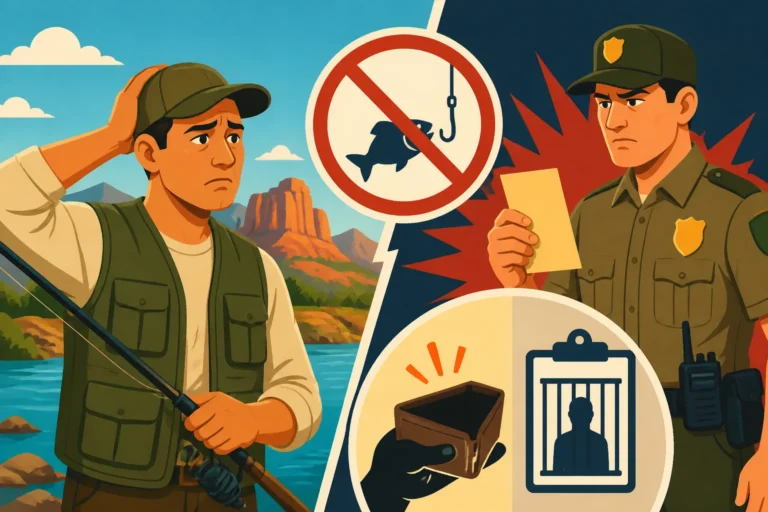
Fishing without a required license is typically a misdemeanor offense in New Mexico. The penalties can range from substantial fines to confiscation of your fishing gear. The exact New Mexico Fishing License Violations and Penalties can vary depending on the specific circumstances, such as whether it's a first offense, if other regulations were also violated (like exceeding bag limits), or if you provided false information. These fines are often much higher than the cost of a fishing license, making it a truly "penny-wise, pound-foolish" mistake.
Imagine you're enjoying a peaceful afternoon at a friend's pond, believing it's fully private. A game warden shows up, perhaps following up on a tip or simply doing routine checks in the area. If it turns out the pond is indeed connected to public waters, or is part of an NMDGF stocking program, and you don't have your license, you could be facing a fine of several hundred dollars. This can quickly turn a relaxing day into a stressful and expensive ordeal. It's a strong deterrent to ensure compliance and support for wildlife management.
Loss of Fishing Privileges
In addition to financial penalties, repeat offenses or more serious violations could lead to the suspension of your fishing privileges in New Mexico, and potentially even in other states through interstate compacts. Losing the ability to fish for a period can be a devastating consequence for passionate anglers. The NMDGF takes conservation seriously, and ensuring compliance with licensing is a fundamental part of that mission.
Furthermore, any fish you caught illegally would likely be confiscated. The ripple effect of a violation can be far-reaching, impacting not just your wallet but your ability to enjoy the sport you love. It underscores the importance of being fully informed about the rules and regulations before you cast a line, regardless of where you're fishing. It's a small price to pay to avoid the potential headaches and to contribute to the health of New Mexico's fisheries. For those looking to obtain a license, there are various options, including New Mexico Resident Fishing License Options and New Mexico Nonresident Fishing License Options depending on your status. You can even learn How to Get a New Mexico Fishing License online or in person.
Conclusion
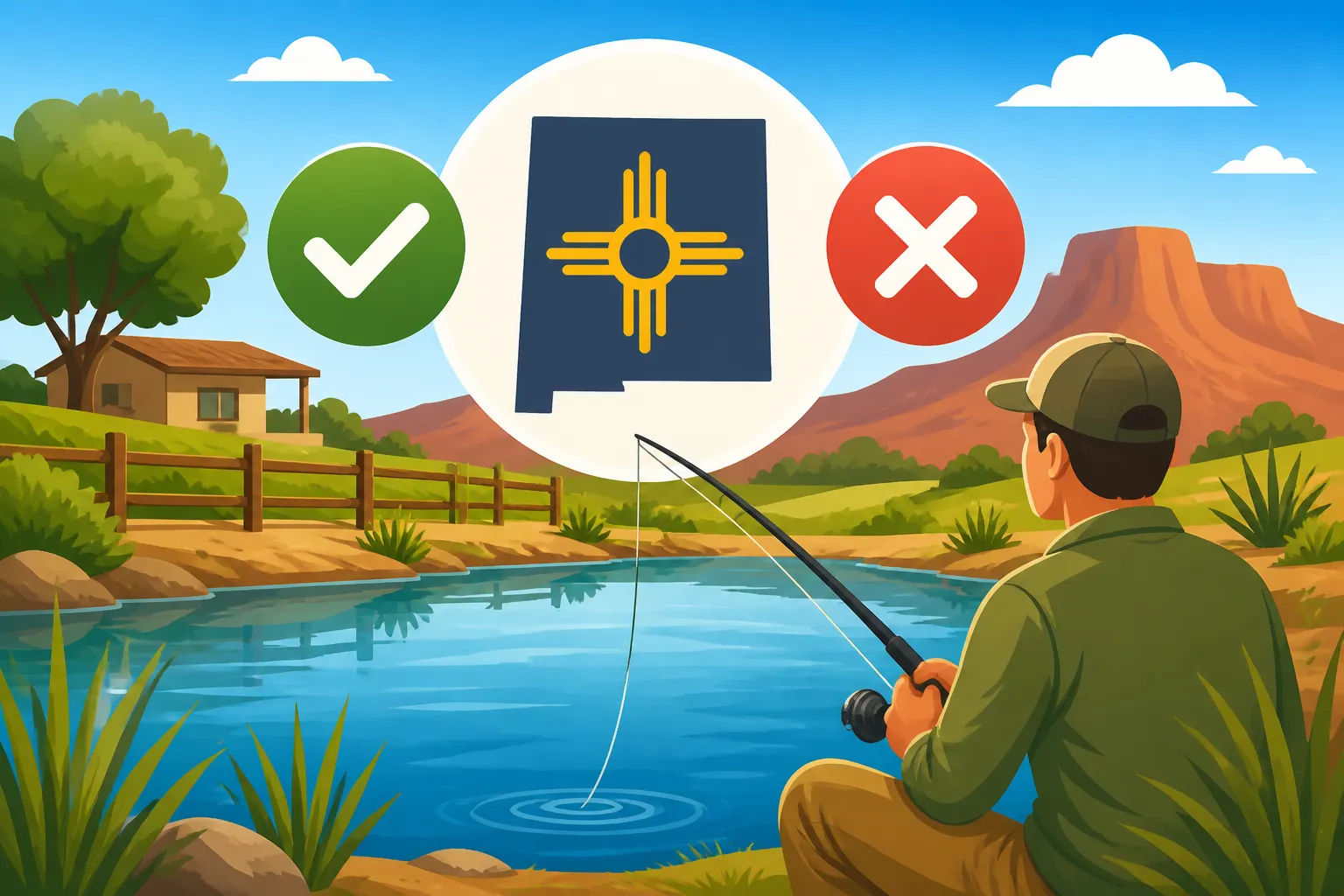
The question of whether a fishing license is required on private ponds in New Mexico isn't always a simple "yes" or "no." It hinges on critical details like whether the pond is genuinely isolated from public waters and if the fish within it are entirely privately managed. While truly contained and privately stocked ponds generally don't require a state license, any connection to public waterways or involvement with NMDGF stocking programs will almost certainly necessitate one.
Ultimately, informed angling is responsible angling. If you're ever in doubt, the safest bet is always to purchase a valid New Mexico fishing license. It's a small investment that supports the incredible work of the NMDGF in maintaining healthy fisheries throughout our beautiful state, and it ensures your peace of mind while enjoying some time on the water. When in doubt, call the NMDGF, confirm with the landowner, and keep that license handy.
Disclaimer
This article is intended for informational purposes only and does not constitute legal advice. Fishing regulations can change, and interpretations may vary. Always consult the official New Mexico Department of Game and Fish regulations handbook or website, or contact the NMDGF directly, for the most current and accurate information before fishing.