New Mexico Fishing Season Dates and Limits
Trying to keep track of all the different fishing season dates, bag limits, and special regulations in New Mexico can feel like a full-time job, especially with rules that seem to shift every year or even vary from one lake to another. It's frustrating when you just want to enjoy a peaceful day on the water but are constantly worried about accidentally breaking a rule. This comprehensive guide will untangle the complexities of New Mexico's fishing seasons and limits, providing you with clear, detailed information so you can fish with confidence and peace of mind.
Understanding New Mexico's Fishing Season Structure
New Mexico offers a fantastic array of fishing opportunities, from high-mountain trout streams to expansive warm-water reservoirs. However, unlike some states with very rigid, universal opening and closing dates, New Mexico’s fishing seasons are often more nuanced, depending heavily on the specific water body and the species you're targeting. This can be a bit of a head-scratcher for new anglers or even seasoned veterans who aren't keeping up with the latest updates.
Statewide General Seasons and Year-Round Opportunities
For the vast majority of New Mexico's waters, especially those managed by the Department of Game and Fish, fishing is a year-round affair. This means you can often find open waters and active fish regardless of the month on the calendar. This "open season" philosophy applies to many of the larger reservoirs and most rivers, allowing anglers to pursue species like bass, catfish, walleye, and even general trout populations without strict seasonal closures. It’s a real blessing for those of us who love to cast a line even when there's a chill in the air. For instance, you can be fishing for striped bass at Elephant Butte Lake in January and then chasing trout on the Pecos River in July – provided, of course, that the conditions are safe and the water is accessible. This continuous access is a testament to the diverse fisheries and management strategies here in the Land of Enchantment.
However, "year-round" doesn't mean "anything goes." While the season itself might be open, specific regulations on bag limits, size restrictions, and even methods of take still apply every single day. The New Mexico Department of Game and Fish (NMDGF) works to ensure sustainable populations, and these ongoing rules are a critical part of that effort. It's truly about balancing angler opportunity with conservation, allowing us to enjoy these resources responsibly throughout the entire year. So, while you might not have to worry about a "trout season opening day" in the traditional sense for many areas, you always need to be mindful of the daily catch limits and other restrictions that protect the fish and ensure good fishing for future generations.
The Importance of the Annual Fishing Proclamation
If there’s one document every New Mexico angler needs to be intimately familiar with, it’s the annual Fishing Rules & Regulations booklet, often referred to as the "proclamation." This isn't just some dry legal document; it's your bible for staying legal and informed on the water. Every year, typically in April, the New Mexico Department of Game and Fish releases a new proclamation that outlines all the current rules, including season dates, bag and possession limits, size restrictions, legal methods of take, and special regulations for specific waters. Trying to rely on outdated information or hearsay is a sure-fire way to end up in a sticky situation with a game warden.
The reason this document is so incredibly important is that regulations can, and often do, change from year to year. What was perfectly legal last spring might have a new limit or even a different season this year. These changes are usually driven by biological data, conservation efforts, or even environmental factors like drought or fish stocking programs. For example, if a certain fish population is struggling, the NMDGF might reduce the bag limit or introduce a slot limit to help it recover. Conversely, if a fishery is thriving, they might loosen restrictions slightly. You absolutely need to consult the most current proclamation before heading out, especially if you haven't fished a particular area in a while. Think of it as your pre-trip checklist – grab your gear, check your New Mexico Fishing License Guide, and most importantly, download or pick up the latest proclamation. It's available on the NMDGF website, and many license vendors, like those found at local sporting goods stores or even larger retailers like an Amazon-affiliated Dick's Sporting Goods, will have physical copies. Don't leave home without knowing what's current!
New Mexico Trout Fishing Seasons and Limits
Trout fishing is arguably one of the most popular angling pursuits in New Mexico, drawing enthusiasts to its pristine high-mountain streams, clear rivers, and stocked lakes. From the feisty rainbow trout to the elusive brown trout and the native Rio Grande cutthroat, there’s a trout for every angler. However, managing these diverse populations requires a layered approach to regulations, meaning that not all trout waters are treated equally.
General Trout Waters Regulations
For most of New Mexico’s rivers, streams, and lakes that hold trout but aren't designated as "special" or "quality" waters, the regulations are fairly straightforward. The statewide daily bag limit for trout is usually five fish, with a possession limit of ten fish. This means you can catch and keep up to five trout in a single day, and you can have a maximum of ten trout, either fresh or processed, in your possession at any given time (for example, five from today's catch and five from yesterday's). These limits apply to all general trout species, including the regularly stocked rainbow trout, as well as wild brown trout and brook trout found in many areas.
These general regulations provide a good baseline for most of your trout fishing adventures. However, it's crucial to remember that "general" doesn't mean "uniform across the board." Even within general trout waters, there can be subtle variations, especially regarding specific lures or bait. Always double-check the New Mexico Trout Fishing Rules section of the current proclamation for any localized exceptions. For example, some community ponds managed for family fishing might have slightly different rules on size or daily limits to ensure everyone has a fair chance and the ponds remain productive throughout the stocking season. Keeping abreast of these minor details ensures a smooth and legal fishing trip, letting you focus on the thrill of the catch rather than worrying about compliance.
Special Trout Waters and Quality Waters Rules
Now, this is where things get a bit more specific and often more exciting for dedicated trout anglers. New Mexico boasts several "Special Trout Waters" and "Quality Waters" that have stricter regulations designed to create trophy fisheries or protect sensitive native populations like the Gila Trout and Rio Grande Cutthroat. These waters are renowned for their exceptional fishing, but they demand a higher level of adherence to the rules. The most famous example, of course, is the legendary San Juan River Quality Waters below Navajo Dam, which is a world-class trout fishery known for its abundant and large rainbow and brown trout.
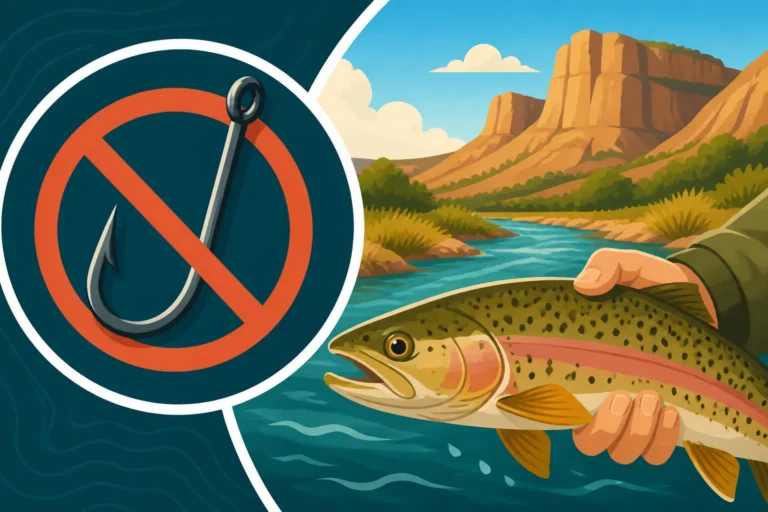
On these special waters, you'll typically encounter much lower bag limits, often just one or two trout per day, and sometimes even strict catch-and-release rules. Size restrictions are also common, where only trout within a certain size window (a "slot limit") or above a minimum length can be kept, or in some cases, all fish must be released. Method of take is another key differentiator: many special waters are restricted to artificial lures and flies only, and often, only single, barbless hooks are permitted. This is a critical detail because it directly impacts the gear you use. If you plan to visit a place like Fenton Lake or the upper Pecos River, you need to be prepared with the right tackle. These rules are in place to minimize harm to the fish and ensure that these incredible fisheries continue to thrive for future generations. Before heading to any of these prized locations, be sure to study the specific regulations for that body of water in the proclamation. For a deeper dive into these unique areas, check out our guide on New Mexico Special Trout Water Rules.
Catch and Release Considerations for Trout
While keeping a few fish for dinner is a cherished part of the fishing experience, especially for those delicious stocked rainbows, many anglers in New Mexico practice catch and release, particularly in the state’s special trout waters or when targeting native species. This isn't just a recommendation; it's often a legal requirement in designated areas and an ethical imperative for sustainable angling. The proper technique for catch and release is vital to ensure the fish you release has the best chance of survival.
First, minimize handling the fish as much as possible. If you can unhook it in the water, even better. If you must lift it out, use a net with rubber mesh, as it’s much gentler on the fish’s slime coat and fins than knotted nylon nets. Wet your hands before touching the fish to protect its protective slime layer, which acts as its immune system against disease. Avoid squeezing the fish, especially around its belly or gills. If the hook is deeply set, consider cutting the line rather than trying to remove it, as this can cause less trauma. Using barbless hooks, often mandated in quality waters, makes hook removal quick and easy, greatly increasing survival rates. When releasing, hold the fish gently in the water, facing upstream into the current, until it regains its strength and swims away on its own. Never just toss a tired fish back into the current; give it time to recover. By embracing these practices, we ensure that those magnificent trout can be caught again, contributing to the health and vitality of New Mexico’s precious fisheries.
Warm Water Species Seasons and Bag Limits
While trout often get a lot of the spotlight, New Mexico's warm-water fisheries offer equally thrilling action for a variety of species. From the hard-fighting black bass to the tasty walleye and the prolific catfish, the state's larger reservoirs and lower elevation rivers are teeming with opportunities. Just like with trout, understanding the specific seasons and limits for these species is crucial, as they can differ significantly from cold-water regulations.
Black Bass Largemouth and Smallmouth Regulations
New Mexico is home to both largemouth and smallmouth bass, offering diverse fishing experiences across its many lakes and reservoirs. Largemouth bass prefer warmer, shallower, and often weedier waters, while smallmouth bass thrive in cooler, rocky environments. For both species, the statewide daily bag limit is typically five fish, with a possession limit of ten. This sounds pretty consistent, but here’s where it gets interesting: many popular bass fisheries, such as Elephant Butte Lake, Conchas Lake, or Ute Lake, implement special size restrictions, often in the form of slot limits or minimum length requirements, to protect and enhance their trophy potential.
A common regulation might be a 14-inch minimum length for bass, meaning any bass caught under 14 inches must be immediately released. Other lakes might have a "slot limit," where fish within a certain size range (e.g., 14-18 inches) must be released, but fish smaller or larger than that slot can be kept. These regulations are designed to allow a certain percentage of fish to grow to larger sizes, creating more trophy opportunities for anglers. Always check the specific lake's rules in the proclamation. For example, a trophy largemouth fishery might have a 12-inch minimum, whereas a smallmouth lake known for its giants might have an even stricter rule. Keeping up with these localized nuances is key to a successful and legal bass fishing trip. Don't just assume the statewide rule applies everywhere; a quick glance at the NMDGF website or the printed guide from your local Amazon-partnered retailer can save you a lot of trouble.
Catfish, Walleye, and Crappie Limits
These three species are staples of warm-water fishing in New Mexico, each offering unique challenges and delicious rewards. The regulations for catfish, walleye, and crappie are generally separate from those for bass and trout, reflecting their distinct life cycles and population dynamics.
For catfish, specifically channel catfish, the statewide daily bag limit is usually 25 fish, with a possession limit of 50. This generous limit reflects their prolific nature and widespread distribution in New Mexico's larger reservoirs and rivers like the Rio Grande. There typically aren't size restrictions on channel catfish, making them an excellent target for family outings where quantity can be as fun as size. Flathead catfish, which are less common and grow to massive sizes, may have more restrictive limits in certain waters, so again, the proclamation is your friend.
Walleye are highly prized for their delicious fillets and challenging nature. The statewide daily bag limit for walleye is generally five fish, with a possession limit of ten. However, many of the premier walleye lakes, such as Conchas Lake or Ute Lake, implement a 14-inch minimum size limit to protect juvenile fish and allow them to grow to a harvestable size. Sometimes, a slot limit might also be in place to encourage the growth of larger, trophy-sized fish. Jigging for walleye can be an incredibly rewarding experience, but you need to know your limits.
Crappie (both black and white) are another popular panfish, known for their schooling behavior and excellent taste. The statewide daily bag limit for crappie is typically 20 fish, with a possession limit of 40. There are generally no size restrictions on crappie, making them a fantastic option for anglers looking to fill a cooler. Crappie fishing often peaks in spring and fall, but they can be caught year-round. These limits allow for a good harvest while ensuring the sustainability of these popular panfish populations.
Other Popular Warm Water Species: White Bass, Northern Pike, Tiger Muskie
Beyond the mainstays, New Mexico's diverse aquatic environments support other fascinating and hard-fighting warm-water species, each with its own set of regulations. These species might not be as widespread as trout or catfish, but they offer unique angling experiences for those willing to seek them out.
White Bass are aggressive, schooling fish that provide fast action, especially in lakes like Elephant Butte, Caballo, and Ute. They are often found chasing baitfish in open water and can be a blast on light tackle. The statewide daily bag limit for white bass is generally 25 fish, with a possession limit of 50. Similar to channel catfish, these generous limits reflect their robust populations and active feeding habits, making them a great target for anglers looking for consistent action and a full stringer.
Northern Pike are an apex predator, and while not native, they are present in a few New Mexico waters, most notably Eagle Nest Lake. They are known for their voracious appetites and explosive strikes. Due to their predatory nature and potential impact on other fish populations, the regulations for Northern Pike can be a bit different. For instance, at Eagle Nest Lake, there is typically no bag or possession limit, and anglers are encouraged to harvest them. Always verify these specific regulations, as they can change based on management objectives.
Perhaps the most unique warm-water species is the Tiger Muskie, a sterile hybrid of a northern pike and a muskellunge. These formidable fish are stocked in Bluewater Lake and a few other select waters to control invasive species and provide a trophy fishery. Tiger Muskie are incredibly challenging to catch and are managed almost exclusively as a catch-and-release fishery, with very strict or even zero harvest limits. For example, at Bluewater Lake, there is often a one-fish daily bag limit with a substantial minimum size (e.g., 40 inches), making any kept fish a true trophy. These highly specialized regulations protect these unique fish and ensure their populations remain stable for the next angler to pursue.
Specific Seasonal Opportunities and Considerations
Beyond the general year-round accessibility, New Mexico offers several distinct seasonal fishing opportunities that are highly anticipated by anglers. These specialized seasons cater to particular species or fishing conditions, often coming with their own unique set of rules and a vibrant community of passionate participants.
Kokanee Salmon Snagging Season
One of the most exciting and unique seasonal events in New Mexico fishing is the annual Kokanee salmon snagging season. Kokanee are landlocked sockeye salmon, and they are stocked in a few select lakes, primarily Navajo Lake and Heron Lake, as well as Eagle Nest Lake. As autumn approaches and the water cools, these vibrant red salmon migrate upstream or into shallower areas of the lakes to spawn. During this specific spawning period, typically late September through November, the NMDGF opens a limited snagging season.
Snagging is a method of fishing where you attempt to hook a fish anywhere on its body, not just in the mouth. It’s usually illegal for game fish, but it’s permitted for Kokanee during this specific window because they stop feeding during their spawning run and are difficult to catch by traditional angling methods. The dates for the snagging season are very precise and are announced annually in the proclamation, often varying slightly year to year. The daily bag limit for Kokanee salmon during the snagging season is usually 12 fish, with a possession limit of 24. It’s an incredibly popular event, drawing hundreds of anglers to the shores of Navajo Lake and Heron Lake, often creating a lively, almost festival-like atmosphere. You can find more detailed information on this specific activity in our article on Navajo Lake Kokanee Salmon Fishing. It's a truly memorable experience that connects you with the natural cycles of these beautiful fish.
Ice Fishing Seasons and Safety
When winter truly settles in over the northern parts of New Mexico, a whole new world of fishing opens up: ice fishing. This chilly pursuit is a beloved tradition for many, offering a unique challenge and the chance to target trout, perch, and even pike through a hole in the ice. The "season" for ice fishing isn't set by fixed dates but rather by the natural conditions – specifically, when the ice on lakes becomes thick enough to be safe. This usually occurs from late December or early January through February and sometimes into early March, depending on the severity of the winter.
Popular ice fishing destinations include Eagle Nest Lake, Fenton Lake, and Bluewater Lake. While the general bag and possession limits for the species targeted (trout, perch, tiger muskie) remain the same as in open water, safety on the ice is paramount. The NMDGF strongly advises against venturing onto ice that is less than four inches thick for individual anglers and even thicker for groups or snowmobiles. Always go with a buddy, inform someone of your plans, and carry safety gear like ice picks, a rope, and a spud bar to check ice thickness. The cold, crisp air and the quiet solitude of a frozen lake offer a distinct charm, but it’s essential to prioritize safety above all else. Remember, there's no fish worth risking your life for.
Free Fishing Days in New Mexico
For those looking to try fishing without the initial commitment of purchasing a license, or for seasoned anglers wanting to introduce newcomers to the sport, New Mexico offers special "Free Fishing Days" each year. These days are a fantastic opportunity for anyone, resident or non-resident, to fish in any public water without needing a state fishing license. It's an initiative by the New Mexico Department of Game and Fish to encourage participation in angling and foster an appreciation for the state's natural resources.
Typically, New Mexico designates two free fishing days annually. One usually falls in early June, aligning with National Fishing and Boating Week, and another in late September, often coinciding with National Hunting and Fishing Day. The exact dates are announced in the annual proclamation and are widely publicized. While you don't need a license on these days, all other fishing regulations, including bag limits, size restrictions, and special water rules (e.g., artificial lures only), still apply. So, it's still essential to check the proclamation for the specific water you plan to fish. These days are perfect for families, beginners, or simply for a spontaneous fishing adventure. For the most up-to-date information on these special dates, make sure to check out our dedicated article on New Mexico Free Fishing Days. It’s a great way to experience New Mexico fishing firsthand!
Navigating the New Mexico Fishing Proclamation
The annual New Mexico Fishing Rules & Regulations proclamation is the definitive source for all fishing regulations in the state. However, for a newcomer, or even an experienced angler who isn't familiar with legal documents, it can seem a bit dense and overwhelming. Learning how to effectively access and interpret this document is a crucial skill for any responsible angler in New Mexico.
Accessing and Interpreting the Official Document
The easiest and most reliable way to access the latest fishing proclamation is directly through the New Mexico Department of Game and Fish (NMDGF) website. They typically publish the new booklet online in PDF format around April 1st each year. You can download it to your phone or tablet, ensuring you always have it handy, even when offline on the water. Many sporting goods stores and license vendors, including larger chains that partner with sites like Amazon, also have free physical copies available. It's often helpful to pick up a paper copy for easy flipping through and highlighting.
Once you have the document, take your time to read through the general statewide regulations first. These lay the groundwork for understanding daily bag and possession limits, legal fishing hours, and acceptable methods of take. Pay close attention to the definitions section, as terms like "artificial lure" or "barbless hook" have specific legal meanings. After understanding the general rules, dive into the "Special Waters" or "Specific Water Regulations" sections. This is where you'll find the detailed, often unique, rules for particular lakes, rivers, and streams. Look for the body of water you intend to fish and carefully note any deviations from the general rules. These sections often include tables summarizing limits, which can be very helpful. Remember, legal language can be precise, so read carefully to avoid misinterpretations. If you’re ever in doubt, it’s always better to err on the side of caution or contact the NMDGF directly for clarification before you cast a line.
Regional Differences and Water-Specific Rules
One of the biggest pitfalls for anglers in New Mexico is assuming that regulations are uniform across the entire state. They are absolutely not. New Mexico is incredibly diverse geographically, with high-alpine trout streams in the north and vast warm-water reservoirs in the south. This diversity means that fishing regulations are often highly localized, varying significantly from one body of water to another, sometimes even within the same river system. You might find a stretch of river that's catch-and-release only, while just a few miles downstream, general statewide limits apply.
For example, the San Juan River Fishing Guide section below Navajo Dam is divided into "Quality Waters" with stringent artificial lure and barbless hook rules and a low bag limit, while the "General Waters" section further downstream has more relaxed regulations. Similarly, one lake might have a slot limit for bass, while a nearby lake might have a minimum length requirement or no size restriction at all. These regional and water-specific rules are designed to manage fish populations effectively for that particular ecosystem, taking into account factors like habitat, stocking efforts, and angling pressure. Furthermore, it's important to remember that certain lands, such as tribal reservations (like the Navajo Nation or Mescalero Apache Tribe), have their own separate fishing permits and regulations that supersede state rules. Always check the specific rules for your chosen destination. Our New Mexico Fishing Regulations Overview provides a broader look, but the proclamation remains your most detailed source. Ignoring these localized rules is one of the quickest ways to find yourself facing a citation.
Licensing and Habitat Stamp Requirements
Before you even think about the season dates or bag limits, the very first step to legally fishing in New Mexico is securing the proper licensure. It's a fundamental requirement that supports conservation efforts across the state. Understanding which license you need and any additional stamps or validations is just as important as knowing your daily limits.
General License Requirements and Exemptions
In New Mexico, nearly everyone who fishes on public waters, and some private waters, needs a valid fishing license. This applies to both residents and non-residents, and generally, anyone 12 years of age or older must have a license. There are, however, some specific exemptions designed to make fishing accessible for certain groups or in particular situations. Children under the age of 12 are typically exempt from needing a fishing license, making it easy and affordable for families to introduce young ones to the sport. Additionally, those annual "Free Fishing Days" we discussed earlier are designed to allow anyone to fish without a license for that specific period. Some private ponds might also be exempt if they are entirely enclosed and privately stocked, though it’s always best to verify.
For eligible residents, New Mexico offers various discounted licenses, including options for seniors, disabled anglers, and veterans. These programs are a great way to recognize and support different members of the community while still ensuring the financial health of the state's conservation programs. If you're planning a trip, getting your New Mexico Annual Fishing License online through the NMDGF website is quick and easy, or you can purchase one from any authorized license vendor, including many general stores that carry fishing supplies from brands like Amazon. Remember, these license fees are directly reinvested into fish stocking, habitat restoration, and enforcement, so your purchase actively contributes to the health of New Mexico's fisheries.
Habitat Management and Access Validation and Second Rod Validation
Beyond the basic fishing license, New Mexico has a couple of additional validations that anglers frequently need to consider: the Habitat Management and Access Validation (HMAV) and the Second Rod Validation. These aren't just extra fees; they serve important purposes in funding conservation and enhancing your fishing experience.
The Habitat Management and Access Validation (HMAV) is a critical component for many anglers. It's typically required for anyone holding a fishing or hunting license who intends to fish or hunt on Bureau of Land Management (BLM) or U.S. Forest Service (USFS) lands in New Mexico. Since a vast portion of New Mexico's most productive fishing waters, particularly trout streams and high-mountain lakes, are located within these federal lands, most serious anglers will need to purchase this validation. The funds generated from the HMAV go directly towards improving habitat and providing access to these public lands, benefiting all outdoor enthusiasts. There are some exemptions to the HMAV, such as for those under 12 or for certain free or lifetime license holders, so check the details in the proclamation. Our article on the New Mexico Habitat Stamp Cost and Requirement dives deeper into who needs it and why.
The Second Rod Validation is an optional but very popular validation that allows an angler to use a second fishing rod simultaneously. Normally, a standard fishing license permits the use of only one rod at a time. The Second Rod Validation is a boon for anglers targeting multiple species, or those who simply want to increase their chances of a bite. Imagine fishing for trout with bait on one rod while casting a lure for bass on another, or setting out a catfish rig while also trying for walleye. It offers incredible flexibility, especially on larger lakes where you can cover more water or present different offerings. Like all validations, the Second Rod Validation is purchased in conjunction with your fishing license. You can learn more about the costs and benefits in our guide to the New Mexico Second Rod Validation Cost. These validations help ensure that New Mexico's diverse fishing opportunities remain vibrant and well-managed.
Penalties for Non-Compliance and Responsible Angling
It's easy to get caught up in the excitement of a fishing trip, but forgetting or deliberately ignoring the rules can lead to serious consequences. New Mexico Department of Game and Fish law enforcement officers are actively patrolling, and they take violations seriously. Understanding the potential penalties and embracing responsible angling practices are crucial for every angler.
Consequences of Violating Fishing Regulations
The penalties for violating New Mexico's fishing regulations can range from a simple warning to significant fines, confiscation of gear, loss of hunting and fishing privileges, and even potential jail time for severe offenses. For common infractions like fishing without a valid license, exceeding bag limits, or using illegal methods or bait in special waters, you can expect to receive a citation and a substantial fine. These fines can quickly add up, often far exceeding the cost of an annual license or validation. For example, the Penalty for Fishing Without a License in New Mexico can be hundreds of dollars, plus court fees, making the original license cost look like a bargain.
More serious violations, such as fishing during a closed season, knowingly taking protected species, or poaching, can lead to much harsher penalties, including the forfeiture of your fishing equipment (rods, reels, even boats), suspension of your hunting and fishing license for multiple years, and potentially even criminal charges. The New Mexico Department of Game and Fish actively participates in the Interstate Wildlife Violator Compact, meaning that if you lose your privileges in New Mexico, you could also lose them in many other states across the country. It's absolutely critical to understand that "I didn't know" is generally not an acceptable defense in the eyes of the law. As an angler, you have a personal responsibility to know and abide by all current regulations before you head out on the water.
Promoting Sustainable Fishing Practices
Beyond simply avoiding penalties, every angler has a role to play in promoting sustainable fishing practices. Our shared passion relies on healthy fish populations and pristine environments, and responsible actions on the water contribute directly to that goal. It's about being a good steward of the natural resources we cherish.
One of the most impactful practices is adhering strictly to bag and possession limits. These limits aren't arbitrary; they are carefully determined by wildlife biologists to ensure that enough fish remain in the population to reproduce and sustain the fishery for future years. Taking only what you need and releasing the rest, especially larger breeding-stock fish, is a fantastic way to contribute. Proper catch and release techniques, as discussed earlier, are also vital, minimizing stress and injury to fish that are destined to swim another day. This includes using appropriate gear, like rubberized landing nets and barbless hooks, and minimizing air exposure.
Furthermore, always practice "Leave No Trace" principles. Pack out everything you pack in, including fishing line, bait containers, and any other trash. Do not discard fish guts or unwanted bait directly into the water, as this can introduce disease or attract nuisance wildlife. Respect private property boundaries and only access waters where you have legal permission. If you see a violation, report it to the Operation Game Thief hotline. By being mindful, ethical, and responsible, we ensure that New Mexico's exceptional fishing opportunities remain vibrant and abundant for generations to come, allowing everyone to enjoy the incredible experience of fishing in the Land of Enchantment.
| Species Category | General Daily Bag Limit | General Possession Limit | Common Special Rules/Notes |
|---|---|---|---|
| Trout | 5 | 10 | Varies widely by specific water; Special Trout Waters often have lower limits, size, or C&R only |
| Black Bass | 5 | 10 | Many waters have minimum length (e.g., 14") or slot limits. |
| Catfish | 25 | 50 | No statewide size limit for Channel Catfish; Flathead limits may vary. |
| Walleye | 5 | 10 | Many waters have 14" minimum length or slot limits. |
| Crappie | 20 | 40 | No statewide size limits. |
| White Bass | 25 | 50 | No statewide size limits. |
| Kokanee Salmon | 12 | 24 | During designated snagging season only; otherwise, general trout rules apply. |
| Tiger Muskie | 1 | 1 | Very strict minimum size (e.g., 40") or C&R in designated waters. |
| Northern Pike | No Limit | No Limit | Primarily Eagle Nest Lake; encouraged harvest. |
Disclaimer
The information provided in this guide is for general informational purposes only and is subject to change. While we strive to offer accurate and up-to-date content, fishing regulations in New Mexico can and do change annually, and sometimes even within a season. It is the angler's sole responsibility to consult the most current official New Mexico Department of Game and Fish Fishing Rules & Regulations (the annual proclamation) before engaging in any fishing activity. Always verify specific season dates, bag limits, and other rules for the exact body of water you intend to fish. Compliance with all state and local laws is mandatory.