What a Quality Water Trout Fishery Means
It's easy to get lost in the jargon of fishing regulations and designations, especially when you're just trying to figure out where to cast a line for some beautiful trout. Terms like "Special Trout Waters" or "Quality Waters" pop up, leaving many anglers scratching their heads, wondering if it's just fancy talk or if there's a real difference. This guide is here to demystify what a "Quality Water" trout fishery truly means in New Mexico, helping you understand its unique characteristics and how to approach these prized fishing spots.
Unpacking the "Quality Waters" Designation in New Mexico
When you hear "Quality Waters" in the context of New Mexico fishing, it’s far more than just a nice-sounding phrase. This designation is a deliberate management strategy by the New Mexico Department of Game and Fish (NMDGF) designed to create and sustain exceptional trout fisheries. It's about nurturing an environment where trout can thrive, grow larger, and offer a more challenging and rewarding experience for anglers. It's their way of ensuring that certain stretches of rivers and specific lakes provide a truly premium fishing opportunity, often focusing on wild, naturally reproducing populations or significantly enhanced stocked fish.
More Than Just a Pretty View: Defining Quality Waters
The "Quality Waters" designation isn't given out lightly or based solely on scenic beauty, although many of these spots are breathtakingly gorgeous. Instead, it signifies a commitment to intensive management aimed at fostering larger, healthier trout populations. The primary goal is often to produce trophy-sized fish and provide a unique angling experience that prioritizes the health and sustainability of the fishery above all else. This means less emphasis on high volume "put-and-take" stocking and more on creating an ecological balance that allows trout to reach their full potential.
These areas are carefully monitored for water quality, insect life, and fish health. The NMDGF invests resources in habitat improvement and scientific studies to understand how best to support these populations. For you, the angler, this translates into a higher likelihood of encountering robust, vibrant trout that put up an incredible fight. It's not just about catching fish; it's about the quality of the fish and the overall angling experience that feels a bit more pristine and wild.
The Strict Regulations That Shape Quality Waters
One of the defining features of Quality Waters in New Mexico is the set of stringent regulations that govern fishing within their boundaries. These aren't arbitrary rules; they are meticulously crafted to protect the fishery and ensure its "quality" remains high for generations to come. You'll typically find rules that restrict anglers to using artificial lures or flies only and, very often, require barbless hooks. In many instances, these sections are also designated as catch-and-release, or they have significantly reduced bag and possession limits compared to general statewide regulations. New Mexico Trout Fishing Rules often have special carve-outs for these areas.
Let's break down the "why" behind these rules. Artificial lures and flies minimize the chance of fish swallowing bait, which can lead to higher mortality rates. Barbless hooks make it much easier to remove a hook with minimal damage to the fish, significantly increasing its chances of survival after release. Catch-and-release, or highly restricted harvest, allows more fish to grow to trophy sizes and ensures that enough fish remain in the system to reproduce naturally. Imagine accidentally hooking a stunning brown trout on a barbed hook with bait, and the struggle to release it without causing harm. These regulations are designed to prevent that scenario and prioritize the fish's well-being. It’s crucial to familiarize yourself with these specific rules before you head out, as they often differ even from nearby stretches of the same river. You can always check the latest NMDGF fishing proclamation for the specific nuances of each Quality Water.
What Anglers Can Expect When Fishing New Mexico Quality Waters
Stepping into a New Mexico Quality Water fishery is an experience unlike fishing a general regulation pond or stream. It demands a different mindset, often more patience, and certainly a greater appreciation for the delicate balance of the ecosystem. Many anglers seek out these waters precisely for the unique challenges and rewards they offer, moving beyond just "catching fish" to truly "fishing."
The Thrill of the Challenge and the Reward of the Catch
Fishing Quality Waters is undeniably more challenging. The trout in these environments, especially the larger, older ones, are often "educated." They've seen countless flies and lures, experienced pressure from many anglers, and are much warier. This means you need to hone your casting skills, presentation, and understanding of trout behavior. It's not uncommon to spend a considerable amount of time observing the water, trying different patterns, and adjusting your approach before you even get a bite. But oh, the reward! That moment when a large, wild trout finally takes your fly after a meticulous drift, or when you feel the powerful tug of a big fish on your line, is incredibly satisfying. New Mexico Catch and Release Regulations are particularly important here, allowing these magnificent fish to live to fight another day.
The fish you encounter in Quality Waters tend to be healthier, stronger, and often much larger than those in heavily stocked, general regulation areas. They put up a formidable fight, making every catch a memorable battle. It’s this combination of challenge and the potential for a truly exceptional fish that draws anglers from all over to New Mexico's most renowned trout streams. The fight isn't just about strength; it's about endurance and the vibrant life force of a fish that has thrived in a carefully managed environment.
Essential Gear and Techniques for Quality Waters
Given the unique regulations and the nature of the fish, your gear and techniques need to be on point when you visit Quality Waters. For most of these areas, fly fishing is the dominant and often most effective method. A medium-light fly rod (typically a 4- or 5-weight) paired with a good quality reel and floating line is a great starting point. Your leader and tippet selection will be critical, as wary trout in clear water often require lighter, less visible lines. You can find excellent options for specialized leader and tippet on Amazon if your local shop is out of stock. Specific fly patterns that "match the hatch" – mimicking the insects currently active in the water – are paramount. Carrying a variety of nymphs, emergers, dry flies, and streamers will significantly increase your success. Fly Selection for New Mexico's San Juan River is a great resource.
If artificial lures are permitted (always double-check regulations!), small spinners or spoons with single, barbless hooks are usually the way to go. No matter your method, always ensure your hooks are barbless. If they aren't, you can easily pinch down the barb with a pair of pliers. Wading gear is also essential, as accessing prime spots often requires careful navigation of the riverbed. Quality breathable waders and sturdy wading boots with good grip will keep you comfortable and safe. Remember, these fish are precious, so a soft, rubber-mesh landing net is also a must-have for safe handling and release, minimizing stress and injury to the fish.
Iconic New Mexico Quality Water Fisheries
New Mexico boasts several truly incredible Quality Water fisheries, each with its own charm and challenges. These are places that have earned their reputation through consistent management, dedicated conservation efforts, and, of course, the incredible fishing they provide. They represent the pinnacle of trout fishing in the state.
The Legendary San Juan River Quality Waters
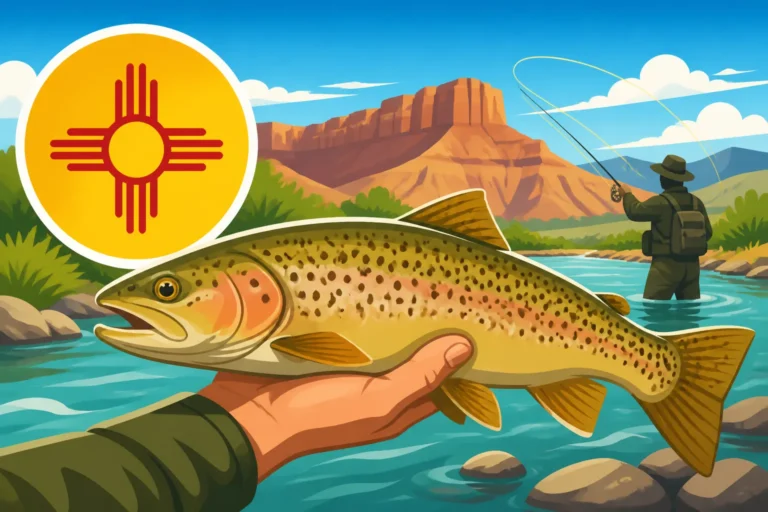
Without a doubt, the most famous of New Mexico's Quality Waters is the San Juan River below Navajo Dam. This approximately 3.75-mile stretch of river is world-renowned for its exceptionally large and abundant rainbow and brown trout. What makes it so special? It's a tailwater fishery, meaning the water released from the bottom of Navajo Dam is consistently cold and rich in nutrients year-round, creating a perfect environment for aquatic insect life and, consequently, enormous trout. The sheer density of trout here is astounding, and many anglers dream of landing one of its famous "bows" or "browns." Rules for the San Juan River Special Trout Water are strictly enforced here.
Fishing the San Juan Quality Waters often involves nymphing with tiny midge and annelid patterns, though dry fly fishing can be spectacular during hatches. The river can be deep and swift in places, requiring skilled wading and presentation. Despite its popularity, the size and numbers of fish keep anglers coming back, time and time again. It’s a place where you might cast thousands of times for that one perfect fish, but the experience itself is a masterclass in trout fishing. Anglers often spend days here, learning the subtle nuances of the currents and the fish's feeding habits. This area truly defines what a quality fishery can be.
Other Notable Quality Waters and How to Find Them
While the San Juan is king, New Mexico has other incredible Quality Water fisheries worth exploring. You’ll find similar managed sections on rivers like the Rio Chama, particularly below El Vado Dam, which offers fantastic opportunities for large brown trout. Portions of the Pecos River in the high country also feature special regulations designed to protect native trout species and foster wild populations. Even some high-mountain lakes, tucked away in the wilderness, may have special designations to protect their unique ecosystems. For example, some sections or particular lakes might be included in the New Mexico Special Trout Water Rules due to their delicate populations or unique species.
The key to finding these other gems is to always consult the current New Mexico Fishing Regulations. The NMDGF publishes detailed maps and descriptions of all designated Quality Waters, including specific regulations, boundaries, and any special access considerations. You can often pick up a physical copy at license vendors or download it directly from the NMDGF website. These resources are invaluable for planning your trip, ensuring you're legally compliant, and understanding what to expect from these unique angling destinations. Don't just assume; always confirm the rules for the exact stretch of water you plan to visit.
Planning Your Trip to a New Mexico Quality Water Fishery
A successful and enjoyable trip to a New Mexico Quality Water fishery requires more than just knowing the regulations; it demands thoughtful planning and a commitment to respecting the resource. These are delicate ecosystems, and our actions as anglers directly impact their health and future.
Checking Conditions and Understanding Seasonal Nuances
Before heading out to any Quality Water, it is absolutely essential to check current conditions. This means looking at river flows (if applicable), water clarity, and the weather forecast. High, muddy water from recent rains or dam releases can make fishing incredibly difficult and even unsafe in some areas. Conversely, extremely low or clear water might require even more finesse and stealth than usual. Online resources, local fly shops, and guide services are excellent sources for real-time information. A quick call to a tackle shop near the San Juan River, for example, can save you a wasted trip.
Understanding seasonal nuances is also critical. While Quality Waters are managed for year-round quality, trout behavior changes dramatically with the seasons. Spring often brings prolific hatches, summer means early morning or late evening fishing, fall can be prime for aggressive fish as they prepare to spawn, and winter, though cold, can offer incredible solitude and technical fishing opportunities. For example, knowing When Is the Best Time to Fish the San Juan River? can make a huge difference in your success. Each season presents its own challenges and rewards, and being prepared for them will enhance your experience. Don't forget layers of clothing, readily available on Amazon, for those unpredictable mountain weather shifts.
Respecting the Resource and Fellow Anglers
Fishing in Quality Waters isn't just about the personal pursuit of a trophy fish; it's about being part of a larger community dedicated to conservation and responsible angling. Always practice Leave No Trace principles: pack out everything you pack in, and leave the area cleaner than you found it. This includes picking up any stray fishing line, which can be deadly to wildlife. New Mexico Fishing Regulations Overview generally emphasizes these principles.
Angler etiquette is also paramount. These popular spots can sometimes attract a crowd, especially the prime stretches of the San Juan. Be mindful of other anglers, give them plenty of space, and avoid wading directly through someone else's fishing lane. If you're planning to take a photo of your catch, do so quickly and efficiently, keeping the fish in the water as much as possible to minimize stress before releasing it gently. The goal is to ensure that these incredible fisheries remain healthy and enjoyable for everyone, for many years to come. Remember, these waters are a privilege, not a right, and our collective respect helps preserve them.
| Feature | New Mexico Quality Waters | General Regulation Waters |
|---|---|---|
| Primary Goal | Foster large, healthy trout; unique angling experience. | Provide diverse angling opportunities; "put-and-take" often. |
| Typical Regulations | Artificial lures/flies only; barbless hooks. | Live bait often allowed; barbed hooks common. |
| Harvest Limits | Catch-and-release or highly restricted bag limits. | Higher bag and possession limits. |
| Fish Size/Abundance | Generally larger, warier, abundant trophy-size fish. | Varied sizes, often recently stocked; easier to catch. |
| Angler Skill Req. | Higher skill, technical approaches often needed. | Suitable for all skill levels, including beginners. |
| Conservation Focus | High focus on fish health, habitat, natural reproduction. | General management, less specific habitat focus. |
Disclaimer
This article is for general informational purposes only and does not constitute professional advice. Laws, prices and regulations vary by location and change over time. Consult a qualified professional for guidance on your specific situation.