Is There a Limit on Common Carp in New Mexico?
It's a common question among anglers, whether you're new to the Land of Enchantment or a seasoned local: what are the rules for common carp? Many folks hit the water, especially in our warmer lakes and slow-moving rivers, and encounter these robust fish. The frustration often comes from not knowing if you should keep them, release them, or if there's even a point to targeting them. This guide is here to unravel the specifics of common carp regulations in New Mexico, helping you understand why these fish are managed differently and what that means for your next fishing adventure.
Understanding New Mexico's Approach to Common Carp
When you're out on a New Mexico lake or river, you'll find that not all fish are treated equally by the regulations. While prized species like trout and bass have strict bag and possession limits, common carp exist in a different regulatory category. This isn't an oversight; it's a deliberate management strategy based on their ecological impact.
The "No Limit" Reality for Common Carp
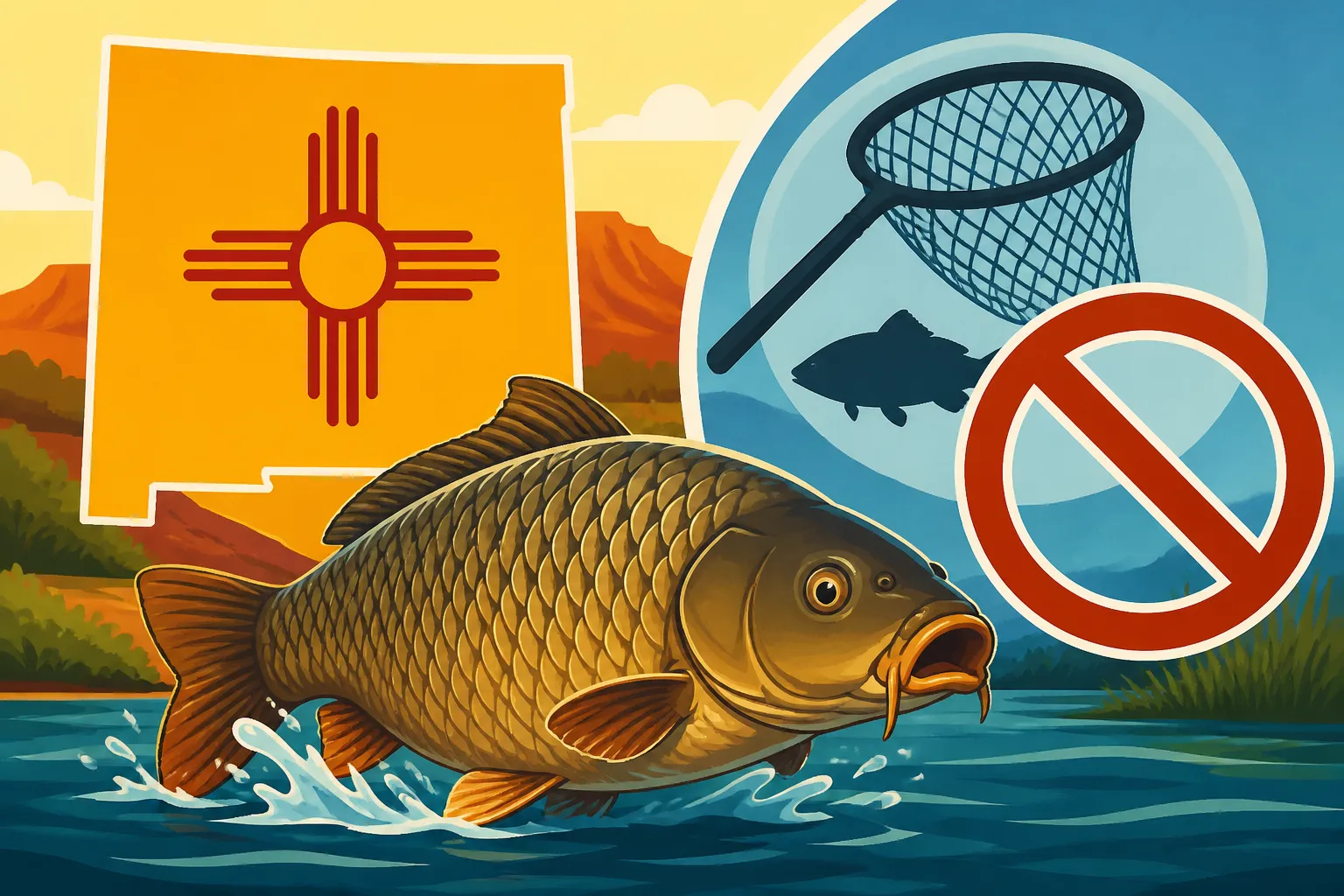
Let's cut right to the chase: for common carp in New Mexico, there is generally no bag or possession limit. That means you can technically catch as many as you want, and keep as many as you want, provided you’re legally fishing with a valid license and adhering to general state fishing laws. This often surprises new anglers, especially those accustomed to meticulously counting their catch for other species. The New Mexico Department of Game and Fish (NMDGF) takes this stance because common carp are often considered an invasive or nuisance species in many of our waterways. Their prolific breeding, adaptability, and feeding habits can negatively impact aquatic ecosystems and native fish populations.
Imagine spending a peaceful afternoon at Elephant Butte Lake, reeling in one powerful carp after another. With no limit, you don't have to worry about hitting a daily quota. This freedom can be a double-edged sword; while it offers endless angling opportunity, it also means you won't get the same kind of bragging rights over a "limit" as you would with a stringer full of kokanee salmon. The absence of a limit signals a management goal: to encourage their removal, not their conservation, in many areas.
The Difference Between Common Carp and Native Fish Regulations
It's crucial to understand that this "no limit" rule is specific to common carp. This isn't a blanket policy for all species you might encounter. For instance, if you're targeting trout in a special water area, you'll find very specific rules about size, number, and even the type of tackle you can use. New Mexico Trout Fishing Rules are incredibly detailed, often dictating catch-and-release only, single barbless hooks, or a specific daily creel limit. Similarly, species like bass and walleye also have carefully set daily bag and possession limits that vary by water body and sometimes by season.
Consider the difference: for rainbow trout in a standard stocked pond, you might have a five-fish limit. For common carp in that same pond, you could theoretically keep fifty. This stark contrast highlights the NMDGF's priorities. They are actively managing populations of native fish and popular game fish to ensure sustainable fishing for generations. Common carp, on the other hand, are often viewed through the lens of population control and habitat preservation for those more desirable species. It's about protecting the balance of our beautiful New Mexico aquatic environments.
Why Common Carp Aren't Considered "Game Fish" in the Traditional Sense
Common carp (Cyprinus carpio) originated in Asia and were introduced to North America in the late 19th century. They were initially brought over as a food fish and quickly spread across the continent due to their hardiness and ability to thrive in a wide range of conditions, often outcompeting native species. This history is a big part of why they aren't classified as a traditional "game fish" like a brown trout or a largemouth bass.
Unlike our native Rio Grande Cutthroat Trout or the popular stocked rainbow trout, common carp are not part of New Mexico's indigenous aquatic fauna. Their aggressive feeding habits can stir up sediment, reducing water clarity and destroying critical aquatic vegetation that other fish and waterfowl rely on. They also compete directly with native fish for food and habitat. Because of these impacts, they are often labeled a "rough fish" or "nuisance species" by wildlife management agencies. While they can put up a tremendous fight on the line, earning them a growing following among sport anglers, their ecological designation remains that of a species whose population often needs management rather than protection through restrictive limits. This means your fishing efforts, whether you're aware of it or not, contribute to local ecosystem health when you target carp.
The Ecological Impact and Angler's Perspective on Carp
The "no limit" policy for common carp isn't just about giving anglers more freedom; it's deeply rooted in ecological management principles. Understanding these reasons can help you appreciate why these fish are handled so differently from other species you might encounter in New Mexico's waters.
The Environmental Rationale Behind Unlimited Carp Harvest
The primary reason behind the unlimited harvest of common carp in many New Mexico waters is their significant impact on aquatic ecosystems. Carp are notorious bottom feeders. As they forage for insects, crustaceans, and plant matter, they root around in the sediment, stirring up the bottom and releasing nutrients. This process, called bioturbation, can have several negative consequences:
- Reduced Water Clarity: The constant stirring of the bottom keeps sediment suspended in the water, making it cloudy or turbid. This murky water can significantly reduce light penetration, harming submerged aquatic vegetation that needs sunlight to grow.
- Habitat Destruction: Aquatic plants are not just food; they provide critical habitat, shelter, and spawning grounds for many native fish, insects, and amphibians. When carp destroy these plant beds, it removes vital resources for other species.
- Competition with Native Species: Carp are incredibly adaptable and can thrive in conditions that are marginal for many native fish. They compete with these species for food and space, often outcompeting them in altered or degraded habitats. This can lead to a decline in native fish populations, which are often less resilient.
- Nutrient Cycling: By disturbing the sediment, carp can also release stored phosphorus and nitrogen, which are nutrients that can fuel algal blooms. These blooms can further reduce water quality, deplete oxygen levels when they die and decompose, and create an unhealthy environment for other aquatic life.
For these reasons, the NMDGF, like many other state agencies, views common carp as a species whose numbers benefit from active reduction. Anglers, by harvesting carp, become an informal but effective part of this management strategy.
Angler's Role in Carp Management
As an angler in New Mexico, you play a direct role in the state's carp management efforts. When you catch common carp, especially in sensitive ecological areas, the act of harvesting them contributes to population control. This is why, unlike with many game fish, catch and release for common carp is generally discouraged by wildlife managers. If you land a carp, especially a larger one, consider removing it from the ecosystem rather than putting it back.
This might feel counterintuitive if you're used to practicing catch and release for conservation purposes. However, for invasive or overpopulated species like common carp, removal is the desired outcome. It's a way to directly help improve water quality and provide more resources for native fish. Just be sure to dispose of them properly, whether that means taking them home for consumption (some cultures value them as food, though they're not widely eaten in New Mexico) or disposing of them in designated waste receptacles. Never dump fish remains back into the water or on the shoreline, as this can attract pests and spread disease. Remember, proper disposal helps keep our fishing spots clean and healthy for everyone.
Shifting Perceptions: From Nuisance to Sport?
While common carp have historically been viewed as a nuisance, there's a growing movement among anglers to recognize them for the powerful, challenging sport fish they truly are. Many dedicated carp anglers now intentionally target them, appreciating the incredible fight they put up. A large common carp can peel line off a reel with surprising speed and strength, making for an exhilarating battle.
Fly fishing for carp, in particular, has gained significant traction. The challenge of stalking these wary fish in shallow water and presenting a fly effectively has drawn many experienced fly anglers away from trout streams and onto carp flats in lakes and rivers. Imagine sight-casting to a massive carp tailing in the shallows of Abiquiu Lake, feeling the surge of power as it takes your fly. It's an incredible experience that rivals targeting bonefish or redfish on saltwater flats. If you're looking for an accessible, hard-fighting fish that will test your gear and angling prowess, common carp are an excellent option. You can find specialized carp fishing gear, from sturdy rods to strong lines, available on platforms like Amazon, making it easier than ever to get into this exciting niche of fishing. This shift in perception means that even without formal game fish status, common carp are providing valuable recreational opportunities while simultaneously benefiting the ecosystem through harvest.
Strategies for Catching Common Carp in New Mexico
So, with no limit and a reputation for a hard fight, you might be thinking, "How do I actually catch these things?" Targeting common carp in New Mexico can be a blast, and it often requires a slightly different approach than you'd use for trout or bass.
Best Baits and Techniques for Carp
Carp are primarily bottom feeders with an excellent sense of smell, making bait choice crucial. They're not particularly picky, but some baits are definitely more effective than others.
- Dough Balls and Corn: These are classic carp baits for a reason. A simple mixture of flour, water, and maybe some flavorings like vanilla or garlic can create a potent dough ball. Canned corn, either plain or flavored, is also incredibly effective and easy to use. You can buy a few cans at your local grocery store or order some flavored varieties online.
- Boilies: These are small, hardened balls of bait made from a mixture of milk proteins, egg, and various flavorings. Popular in Europe, boilies are becoming more common among dedicated carp anglers in the U.S. They come in a vast array of flavors and colors and are designed to be resistant to smaller "nuisance" fish, making them ideal for targeting larger carp. You can find a good selection of boilies and associated carp rigs on Amazon.
- Worms and Cut Bait: Earthworms or even small pieces of hot dogs can also entice hungry carp, especially if they are actively foraging.
When it comes to techniques, bottom fishing is almost always the way to go.
- Simple Bottom Rig: A basic rig with a sliding sinker, a swivel, and a short leader to a size 4-8 hook is very effective. You want your bait to be right on the bottom where carp feed.
- Hair Rigs: For boilies or corn, a hair rig is incredibly effective. This rig allows the hook to be exposed, increasing your hook-up ratio. The bait is tied to a "hair" that hangs off the shank of the hook, rather than being threaded directly onto the hook itself.
- Stealthy Approaches: While carp aren't always spooky, especially in turbid waters, larger carp can be surprisingly wary. Approaching quietly, especially in clear, shallow areas, and making long casts can increase your success. Patience is key; carp will often nibble and test the bait before fully committing.
Where to Find Common Carp in New Mexico Waters
Common carp are incredibly widespread in New Mexico, thriving in many of our warmer, slower-moving waters. If a body of water isn't specifically managed as a cold-water trout fishery, there's a good chance you'll find carp there.
- Large Reservoirs: Lakes like Elephant Butte Lake, Navajo Lake, Conchas Lake, and Ute Lake all hold substantial populations of common carp. Look for them in shallow coves, along muddy shorelines, and in areas where the bottom is soft and there's some aquatic vegetation (even if it's sparse). Elephant Butte Lake Fishing Guide often mentions carp as a prevalent species.
- Rivers: The Rio Grande, particularly its slower sections below major dams or through urban areas, is prime carp habitat. Other rivers and larger creeks with slower currents can also hold them. If you're Fishing the Rio Grande in Albuquerque, you'll undoubtedly encounter carp. They often congregate in deeper holes or along undercut banks, especially during warmer months.
- Ponds and Ditches: Many smaller ponds, irrigation ditches, and urban lakes that aren't specifically managed for trout stocking are absolutely teeming with common carp. These can be fantastic places to introduce kids to fishing, as carp are often abundant and eager to bite. They offer a great opportunity to feel the fight of a larger fish.
When scouting for carp, look for signs of their presence: muddy water, bubbles rising from the bottom (as they forage), or even the carp themselves, cruising slowly in shallow water or rolling on the surface.
Responsible Harvest and Disposal
Since there's no limit on common carp in New Mexico, you have a lot of flexibility regarding what to do with your catch. However, responsible angling means making ethical choices.
- Consumption: While not universally popular in New Mexico, common carp are a food source in many cultures. If you choose to keep them for the table, ensure you keep them on ice or refrigerate them promptly. Many people advocate for bleeding them immediately after capture. Some methods, like soaking the fillets in saltwater or milk, are used to improve flavor. Remember to check local advisories about consumption limits in specific waters if any exist due to environmental contaminants, though these are more common for larger predatory fish.
- Disposal: If you don't plan to eat them, the most responsible action is to properly dispose of the fish. This means taking them home and putting them in your trash, or using designated waste receptacles at boat ramps or campgrounds. Never, ever throw dead fish back into the water or leave them on the bank. This can pollute the water, spread disease, and attract scavengers, making the area unpleasant for others.
- Relocation is a Big No: A critical point: never relocate live fish from one body of water to another. This is illegal and incredibly harmful to the ecosystem. Moving carp can introduce them to new waters where they weren't present, spreading their negative impacts further. It's a significant factor in the spread of invasive species, so please be vigilant about this.
By understanding these options and acting responsibly, you contribute to the overall health of New Mexico's fisheries and ensure that everyone can enjoy our beautiful outdoor spaces.
Regulations Beyond Bag Limits: What Else You Should Know
While the "no limit" rule for common carp might simplify one aspect of fishing, it's vital to remember that a lack of a specific bag limit doesn't mean a lack of all rules. Many fundamental fishing regulations still apply, regardless of the species you're targeting.
Licensing Requirements for Fishing Carp
This is non-negotiable: you absolutely must have a valid New Mexico fishing license to fish for common carp, just like any other species. There are no special exemptions for carp, even if they're considered a nuisance species. Trying to fish without a license can lead to fines and penalties, which nobody wants.
Make sure you've obtained your license before casting a line. You can typically purchase one online through the NMDGF website, from authorized vendors like sporting goods stores, or even some local convenience stores. Depending on your age and residency status, you'll need to choose the appropriate license, whether it's an annual resident license or a short-term nonresident option. You might also need a New Mexico Habitat Stamp Cost and Requirement if you plan to fish on federal lands managed by the Forest Service or Bureau of Land Management (BLM). Always double-check these requirements, as they can sometimes change, and it's your responsibility as an angler to be compliant. Having your license readily available, either a physical copy or an electronic version on your phone, is always a good practice. How to Get a New Mexico Fishing License details all the necessary steps.
General Fishing Rules Still Apply
Even if you're solely focused on carp, all general fishing regulations in New Mexico remain in effect. These are designed to ensure safety, fair chase, and environmental protection for everyone.
- Prohibited Methods: Certain fishing methods are generally prohibited statewide, such as the use of explosives, poisons, or electrical devices. Snagging is also often restricted, particularly for non-salmonid species outside of specific seasons (like Kokanee snagging at Navajo Lake). Always refer to the New Mexico Fishing Regulations Overview for a comprehensive list.
- Private Property Access: Be mindful of where you're fishing. Even if a river or lake holds plenty of carp, you still need permission to access private property. Trespassing is illegal and can lead to serious consequences. Stick to public access points, state parks, and waters that are clearly marked for public use.
- Bait Rules: While common carp aren't generally picky about bait, there are still rules about the use of live bait. For instance, in some specific waters, particularly those managed as special trout waters, only artificial flies and lures with single, barbless hooks might be permitted. While carp won't be in those specific trout-designated areas, it's good to be aware that bait restrictions exist. Also, using game fish or parts of game fish as bait is often illegal, so stick to approved baits.
- Boat Regulations: If you're fishing from a boat, all New Mexico boating regulations apply, regardless of what you're fishing for. This includes requirements for life jackets, registration, proper lighting, and safety equipment.
It's a lot to keep track of, but it's all part of being a responsible angler. Taking a few minutes to review the current NMDGF fishing proclamation before each season or before visiting a new water body is highly recommended.
When a "No Limit" Actually Means Opportunity
For many anglers, the idea of "no limit" on a species might conjure images of less desirable fishing, but for common carp in New Mexico, it's actually a huge opportunity. It provides an almost unparalleled chance to hone your angling skills on a powerful, abundant fish without the pressure of bag limits or complex regulations.
- Practice and Skill Development: Carp are excellent teachers. Their strong fighting spirit will test your drag settings, your rod handling, and your knot strength. You can experiment with different baits, rigs, and presentation techniques without worrying about wasting a precious regulated catch. It's a fantastic way to develop your skills, especially for beginners or those looking to try new methods like fly fishing.
- Accessibility: Because carp thrive in so many easily accessible waters, from urban ponds to vast reservoirs, they offer incredible opportunities for anglers of all ages and abilities. You don't need specialized boats or expensive gear to get started; a simple spinning rod, some corn, and a chair will often do the trick. You can find durable, affordable fishing combos for targeting carp on Amazon.
- Pure Fun: At the end of the day, fishing should be fun. And reeling in a hard-fighting carp, often a big one, is undeniably a blast. It offers a chance to connect with nature, enjoy the outdoors, and experience the thrill of a battle, all while potentially helping the local ecosystem. So next time you're wondering what to target, don't overlook the common carp – they just might surprise you with the challenge and excitement they offer.
| Feature | Common Carp (New Mexico) | Popular Game Fish (e.g., Trout, Bass) |
|---|---|---|
| Bag/Possession Limit | Generally unlimited | Strict daily and possession limits apply |
| Ecological Status | Often considered invasive/nuisance species | Valued native or managed sport species |
| Primary Management Goal | Population control, habitat preservation for natives | Sustainable harvest, population health, habitat enhancement |
| Catch & Release | Generally discouraged (removal preferred) | Often encouraged or required (especially for native/trophy fish) |
| Habitat Impact | Can degrade water quality and vegetation | Often sensitive to habitat degradation and require clean water |
| Sporting Value | Growing popularity for strong fight; challenging | Highly prized for sport, table fare, or aesthetic qualities |
| Licensing | Required | Required |
Disclaimer
This article is for general informational purposes only and does not constitute professional advice. Laws, prices and regulations vary by location and change over time. Consult a qualified professional for guidance on your specific situation.