Best Fishing Backpack for Hiking to High Lakes
There’s nothing quite like the allure of New Mexico’s high mountain lakes – those pristine, often remote bodies of water tucked away in the Sangre de Cristos, the Pecos Wilderness, or the Gila. But getting to these aquatic jewels, especially when you’re loaded down with fishing gear, can be a real challenge. You’re not just going for a leisurely stroll; you're often undertaking a serious hike, sometimes over rugged, steep, and unpredictable terrain. The last thing you want is a poorly designed backpack that leaves you with aching shoulders, soaked gear, or a broken rod tip before you even cast a line. This guide is all about helping you find the absolute best fishing backpack designed to tackle those challenging New Mexico trails, ensuring your journey to those hidden high-country gems is as comfortable and efficient as your fishing is successful.
The Unique Challenges of High Lake Fishing in New Mexico
Fishing New Mexico's high mountain lakes isn't your average roadside picnic kind of angling. It's an immersive experience that demands a different level of preparation, especially when it comes to carrying your gear. The very things that make these spots so magical – their remoteness, their elevation, their wild beauty – also present significant logistical hurdles. Understanding these challenges is the first step in choosing the right backpack.
Navigating Rugged Terrain with Gear
Imagine cresting a ridge, winded but exhilarated, only to realize your rod tube is digging into your back or your tackle box is rattling uncontrollably. High lake trails are rarely flat, paved paths. You're looking at steep ascents, rocky descents, stream crossings, and often long distances. A regular daypack simply won't cut it when you're carrying multiple rods, a day's worth of food and water, rain gear, and all the tackle needed for elusive high-country trout. The weight distribution, the way your gear sits against your body, and the pack's overall stability become paramount.
A flimsy backpack might shift its load, throwing you off balance on a tricky rock scramble, or worse, cause chafing and discomfort that makes the entire hike miserable. You need a pack that can handle the jostling and bumps, keeping your precious fishing equipment secure and protected, while also allowing you to move freely and maintain your footing on uneven ground. Think about how many times you might have to duck under a low branch or squeeze past a tight rock formation; your pack needs to be streamlined enough not to snag or impede your movement.
Dealing with Variable Mountain Weather
New Mexico's high country weather is famously fickle. A bright, sunny morning can quickly turn into an afternoon thunderstorm, complete with hail and bone-chilling winds. Even if you start the hike under clear skies, you need to be prepared for anything. This means your fishing backpack isn't just a gear hauler; it's a mobile survival kit that needs to protect its contents from the elements. A sudden downpour can ruin flies, rust hooks, and soak your extra layers, making for a very uncomfortable or even dangerous situation.
Water resistance isn't just a nice-to-have; it's a non-negotiable feature for high lake adventures. Beyond rain, consider dew, stream crossings, or even an accidental dunk if you slip near the water's edge. Your pack needs to keep everything inside dry, regardless of what the mountain throws at you. You also need space for extra layers – a fleece, a rain jacket, maybe even a warm hat and gloves – because temperatures can drop dramatically with elevation or when the sun dips behind the peaks.
The Need for Self-Sufficiency
When you're miles from the nearest trailhead, assistance isn't just around the corner. High lake fishing trips, especially those that involve significant hiking, demand a high degree of self-sufficiency. Your backpack needs to carry not only your fishing essentials but also everything you might need for personal safety and well-being. This includes sufficient water, high-energy snacks, a first-aid kit, and perhaps even a headlamp if you plan to stay until dusk.
This isn't about packing for an overnight expedition, though some high lake trips might warrant that. It's about being prepared for unexpected delays, minor injuries, or sudden changes in conditions. A well-designed fishing backpack for this environment will have dedicated compartments or easy-access pockets for these critical items, ensuring they're not buried at the bottom of your main compartment when you need them most. It's peace of mind wrapped up in a functional package.
Key Features to Look For in a High Lake Fishing Backpack
Now that we understand the unique demands, let’s talk about the specific features that elevate a good backpack to a great high lake fishing companion. This isn't just about throwing your gear into any old bag; it's about smart design tailored for the angler on the move.
Comfort and Fit for Long Treks
The importance of comfort cannot be overstated when you’re logging miles with a load on your back. A comfortable pack ensures you arrive at your destination refreshed and ready to fish, rather than fatigued and sore. Look for packs with a well-padded and ventilated back panel. Mesh or air channels can make a huge difference in preventing sweat buildup, especially when you’re climbing steep trails under the New Mexico sun.
Hip belts and shoulder straps are critical. The hip belt should be substantial, padded, and designed to transfer most of the pack's weight to your hips, relieving your shoulders. Adjustable sternum straps help stabilize the load and distribute pressure evenly across your chest. Many quality packs offer adjustable torso lengths, allowing you to fine-tune the fit for your specific body, which is essential for preventing hot spots and chafing over long distances. Don't underestimate the benefit of load lifter straps on the shoulders; these small straps connect the top of the shoulder straps to the top of the pack body, pulling the load closer to your back and improving balance.
Strategic Storage and Organization
A fishing backpack isn't just a big sack; it's a mobile tackle box and supply depot. You need easy access to certain items, while others can be stowed away securely. Look for multiple compartments, both large and small. A main compartment for larger items like extra layers and food is standard, but dedicated pockets for fly boxes, tippet spools, and tools are incredibly useful. Many packs offer external attachment points or straps for securing items like rod tubes, landing nets, or even a small camp chair.
Zippered pockets, especially on the hip belt, are fantastic for quick-access items like a GPS, phone, small camera, or a favorite fly box. Internal organization features, such as mesh pockets or dividers, help keep smaller items from getting lost in the shuffle. A separate, often bottom-access, compartment can be great for storing wet items or separating your lunch from your bug spray. Think about how you typically fish and what items you grab most often, then visualize if the pack's layout supports that workflow.
Durability and Weather Resistance
Your high lake fishing backpack will face abuse. It will be set down on rocky banks, brushed against abrasive trees, and exposed to dust, dirt, and water. Therefore, robust construction is non-negotiable. Look for packs made from tough, abrasion-resistant fabrics like high-denier nylon or ripstop polyester. Reinforced stitching at stress points, heavy-duty zippers, and robust buckles will ensure the pack holds up season after season.
As mentioned, weather resistance is paramount. While fully submersible packs exist, many excellent options offer high water resistance through treated fabrics and rain covers. Some packs come with integrated rain covers that deploy quickly, offering an extra layer of protection. Others feature roll-top closures that are inherently more waterproof than zippers, ideal for unexpected downpours or even shallow stream crossings. Check if critical compartments have waterproof or water-resistant zippers, which are often sealed or coated to prevent moisture ingress.
Types of Fishing Backpacks Suited for High Lakes
Just like there are different fishing techniques, there are different types of backpacks designed to cater to various needs. For high lake excursions, several styles stand out due to their specialized features and ability to handle the rigorous demands of backcountry travel.
Traditional Backpacks with Fishing-Specific Features
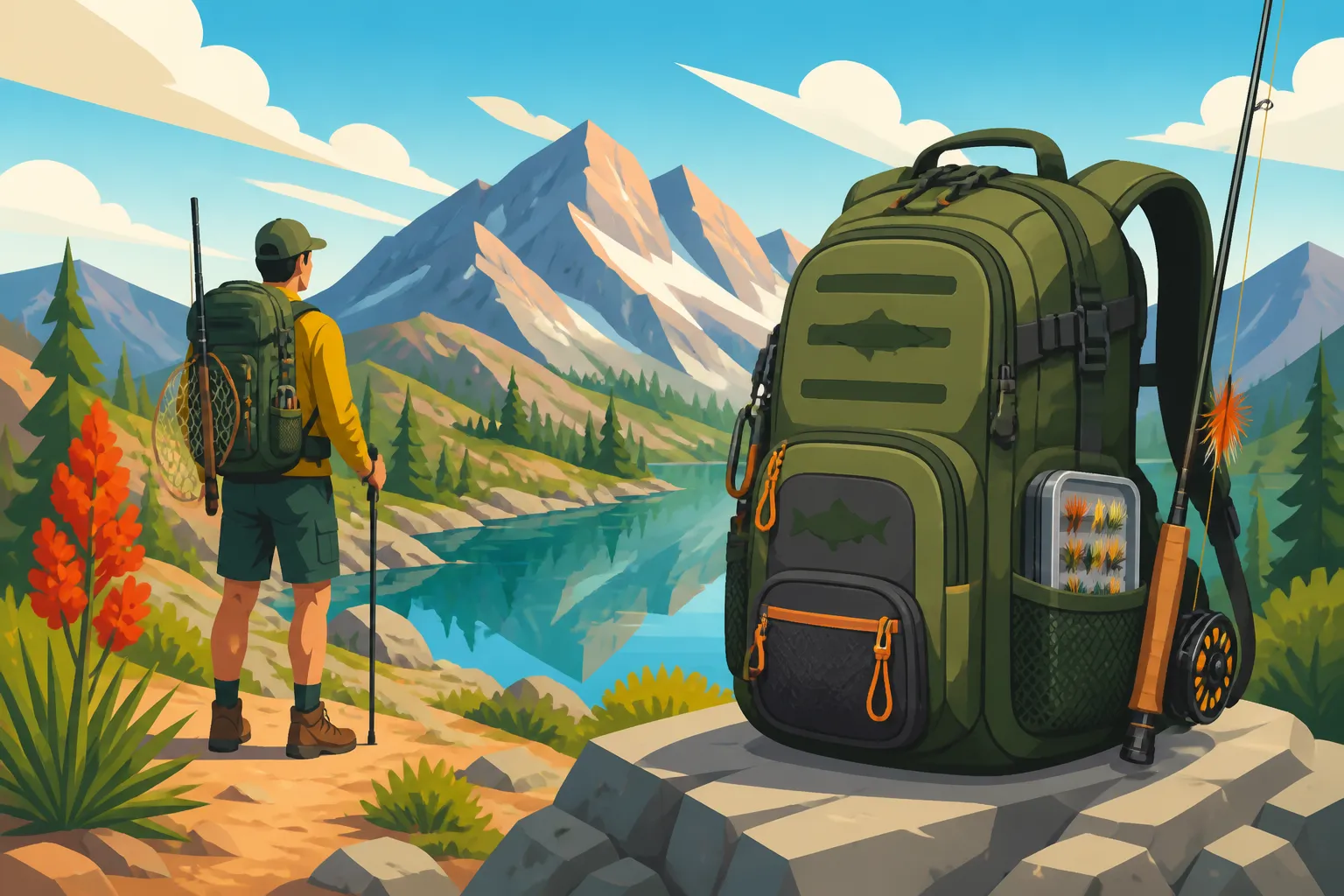
These are your workhorses, designed much like a hiking backpack but with added angler-friendly elements. They typically feature a large main compartment capable of holding a substantial amount of gear, from extra clothing and a lunch to larger tackle boxes. What makes them fishing-specific are the external rod tube holders, often on the side or bottom, and sometimes a dedicated net slot or D-rings for attaching tools. Many will have multiple zippered pockets for organizing smaller items, and some even incorporate a removable tackle tray system.
Examples often seen from brands like Bass Pro Shops or other outdoor retailers will integrate features like molded rod holders, external lashing points for a waders or rain gear, and sometimes a waterproof bottom to protect against damp ground. These packs are excellent for those longer, more gear-intensive day trips or even light overnights where you need to carry everything from start to finish. They prioritize capacity and robust carrying systems, ensuring comfort even with heavier loads. Consider packs in the 25-40 liter range for day trips, going larger for multi-day adventures.
Hybrid Vest-Packs
For anglers who prefer to keep their most-used tackle immediately accessible, hybrid vest-packs offer an ingenious solution. These designs combine the storage and organization of a fishing vest on the front (think multiple small pockets for fly boxes, tippet, and tools) with a traditional backpack on the back for bulkier items like a hydration bladder, rain jacket, and extra snacks. This setup is particularly popular with fly anglers heading into the high country, as it keeps essential items at arm's length without needing to take off the entire pack.
The beauty of the vest-pack is the balance it strikes between quick access and load-carrying capacity. You can quickly swap flies, adjust your leader, or grab a snack without breaking your rhythm or unshouldering your pack. The backpack portion often has a streamlined design to prevent snags and offer decent capacity, typically 10-25 liters. While they might not carry as much as a full-sized fishing backpack, they excel in efficiency for long days on the water where you're constantly on the move and want your hands free. Best Wading Boots for New Mexico's San Juan River often pairs well with this type of system, where mobility is key.
Waterproof and Roll-Top Designs
When fishing high mountain lakes, you're often surrounded by water – whether it's the lake itself, a stream crossing, or an inevitable mountain shower. For ultimate protection against the elements, specialized waterproof or highly water-resistant backpacks are a game-changer. These typically feature welded seams, durable waterproof fabrics, and often a roll-top closure system that creates a watertight seal. This design eliminates the vulnerability of zippers, making them ideal for truly wet environments or situations where your pack might accidentally take a dip.
You'll often find these types of packs, sometimes called "dry bags with straps," from outdoor brands that focus on paddle sports or adventure travel. While they might not always have as many internal organizational pockets as a traditional fishing pack, their primary benefit is keeping everything inside bone dry. Many anglers will use internal dry bags or smaller organization pouches within a large waterproof roll-top pack to achieve both protection and organization. If you're frequently fishing in unpredictable weather or near deep water, investing in a roll-top waterproof pack is a wise decision to protect sensitive gear like electronics, extra clothes, and even your lunch. Many good options can be found easily on platforms like Amazon by searching for "waterproof fishing backpack" or "roll-top dry bag backpack."
Essential Gear Organization Within Your Backpack
Having the right backpack is only half the battle; knowing how to pack it efficiently is just as crucial for a successful high lake fishing trip. Smart organization not only protects your gear but also saves you time and frustration on the trail and on the water.
Protecting Fragile Items
Rods, reels, and delicate fly boxes are susceptible to damage from bumps and drops. While some packs offer integrated rod sleeves, a sturdy rod tube is your best friend for protecting assembled rods, especially those pricey fly rods. If your pack doesn't have external rod carriers, ensure the tube is secured internally in a way that prevents it from shifting or being crushed. Reels can be removed from rods and placed in padded pouches or soft cases to prevent dings and scratches. Many anglers even place a sock over their reel for basic protection when stored in a main compartment.
Fly boxes, particularly those filled with delicate dry flies or tiny nymphs, should be placed in dedicated pockets or secured tightly to prevent them from opening accidentally and scattering their contents. Consider using a small, rigid container for your most prized or fragile fly boxes. Fly Selection for New Mexico's San Juan River reminds us that specific flies are key, and keeping them organized and safe is paramount. Electronics, like a camera or GPS unit, should be stored in waterproof pouches or hard cases within the pack's main compartment, away from any potential pressure points.
Quick Access to Frequently Used Tools
There’s nothing more annoying than fumbling through your entire pack when you need your forceps, nippers, or a specific tippet spool. Designate specific, easy-access pockets for these essential tools. Hip belt pockets are ideal for small items you need constantly. External mesh pockets can hold water bottles, allowing you to hydrate without stopping your hike or removing your pack.
Many fishing backpacks feature tool docks, magnetic patches, or small zippered pockets specifically designed for tippet spools, leaders, and indicators. These features make a huge difference in efficiency. Think about the "working" side of your body – if you're right-handed, you might prefer your nippers on the right side of your vest-pack or shoulder strap for intuitive access. This thoughtful placement allows you to stay focused on the fishing, rather than on digging for gear.
Packing for Safety and Emergency
Beyond fishing gear, your backpack must house critical safety and emergency items. These are the things you hope you never need, but are absolutely essential if something goes wrong miles into the backcountry. Always carry a compact first-aid kit that includes basics like bandages, antiseptic wipes, pain relievers, and any personal medications. This should be in an easily identifiable, waterproof pouch.
Navigation tools, whether a physical map and compass or a fully charged GPS device (with backup battery), are non-negotiable for remote high lake access. A headlamp or small flashlight, even for a day trip, is vital in case your hike out takes longer than expected or you encounter unexpected low light conditions. A whistle for signaling, a small fire starter, and an emergency blanket can also be life-saving. Ensure these items are packed in a consistent, logical location so you can find them quickly under stress, even in the dark. For advice on when to go, check out New Mexico Fishing Season Calendar.
| Item Type | Recommended Storage Location | Protection Considerations |
|---|---|---|
| Fishing Rods | External rod tubes/holders, internal sleeve | Hard case/tube, secured to prevent shifting |
| Reels | Padded pouches, separate compartment | Soft case or sock, away from hard objects |
| Fly Boxes | Dedicated pockets, internal mesh sleeves | Rigid boxes, secured against opening, organized by type |
| Tackle Boxes | Main compartment, bottom access | Secure in place, possibly smaller, organized inserts |
| Tippet/Leaders | Hip belt pockets, tool docks, small organizer | Quick-access, protected from tangles |
| Tools (Nippers, Forceps) | External attachment points, shoulder strap docks | Accessible, secured against loss |
| Water Bottle/Bladder | External mesh pockets, internal hydration sleeve | Easy access, leak-proof, insulated if needed |
| Rain Gear/Layers | Top compartment, external bungie straps | Readily accessible, compression sack for space |
| Food/Snacks | Main compartment, accessible pocket | Sealed containers, protected from crushing, separate from bait |
| First-Aid Kit | Dedicated, brightly colored internal pocket | Waterproof pouch, clearly marked, easily accessible |
| Navigation/Safety | Top lid pocket, hip belt, internal secure pouch | Waterproof, fully charged, backup power if electronic |
Beyond the Backpack: Complementary Gear for High Lake Hikes
While the fishing backpack is the star of the show, it's part of a larger system of gear that contributes to a successful and comfortable high lake fishing experience. Thinking holistically about your setup will make your treks more enjoyable and safer.
Hydration and Nutrition Solutions
Proper hydration is paramount when hiking at altitude in New Mexico. The thinner air and increased exertion can lead to quicker dehydration. Many modern fishing backpacks come with a dedicated hydration sleeve and port for a water bladder, which allows for hands-free sipping while on the move. Carrying a 2-3 liter bladder is a great way to ensure you have enough water for a long day. Supplement this with a durable water bottle in an external mesh pocket for quick refills or to carry a sports drink.
For food, lightweight, high-energy snacks are key. Think trail mix, energy bars, dried fruit, jerky, or sandwiches. Pack enough to sustain you throughout your hike and fishing, plus a little extra in case of unexpected delays. Consider how easily you can access snacks without removing your pack. Hip belt pockets or a top lid pocket are perfect for this. Staying fueled and hydrated directly impacts your energy levels, focus, and overall safety in the backcountry.
Wading Gear Considerations
Many high lakes and the streams that feed them require wading to access the best fishing spots. Your choice of wading gear directly impacts your comfort and mobility both on the hike and in the water. Lightweight, breathable waders are often preferred over heavier neoprene for hiking, as they prevent overheating on the trail. Some anglers opt for convertible waders that can be rolled down to waist height for warmer conditions or easier hiking.
Wading boots should offer excellent grip on slippery rocks and provide ankle support, which is critical on uneven terrain. Consider bringing wading sandals or lightweight water shoes for warmer conditions if you plan to do a lot of wet wading and want to give your feet a break from heavy boots. Remember that wading staff can be invaluable for stability when crossing streams or navigating slick lake bottoms, and many backpacks have external straps for securing one when not in use. For more specialized information, consider Best Waders for New Mexico Rivers.
Navigation and Communication Essentials
Getting lost in the high country is a serious concern, and cellular service is often nonexistent. Never rely solely on your phone for navigation. Always carry a physical map of the area and a compass, and know how to use them. For an added layer of safety, a handheld GPS device or a satellite communication device (like a satellite messenger or personal locator beacon) can be a lifesaver, allowing you to send messages or call for help even without cell signal.
Inform someone of your itinerary, including your planned route and expected return time. This "float plan" is a crucial safety measure for any remote outing. Even a simple whistle can be an important communication tool for signaling distress or alerting others to your presence. These seemingly small items add significant layers of security to your high lake adventures, allowing you to focus on the serene beauty and fantastic fishing without unnecessary worry.
Making Your Purchase: Where to Find the Right Backpack
Once you've got a clear idea of the features you need, it's time to actually find and purchase your ideal high lake fishing backpack. You have a few main avenues, each with its own advantages.
Online Retailers and Specialty Shops
The internet offers an unparalleled selection. Major online retailers like Amazon have a vast array of fishing and hiking backpacks, often with detailed descriptions, customer reviews, and competitive pricing. This allows you to compare many different models and brands from the comfort of your home. When browsing online, pay close attention to the listed features: capacity (in liters), material, weight, external dimensions, and specific fishing-related elements like rod holders or hydration sleeves. Reading customer reviews can provide real-world insights into the pack's comfort, durability, and practical use, especially reviews from other anglers or hikers.
Specialty outdoor gear websites and fishing-specific online stores often carry higher-end or more niche products. These retailers might offer more detailed product information and potentially more knowledgeable customer service if you have specific questions. They can be a great source for brands that specialize in fly fishing or ultralight backpacking, which might not be as prominently featured on general retail sites.
Trying Before You Buy
While online shopping is convenient, there's no substitute for trying on a backpack in person, especially for an investment piece like a high lake fishing pack. Visit local outdoor recreation stores or dedicated fishing shops. Stores like Bass Pro Shops often have a good selection of fishing and general outdoor backpacks, and their staff can help you adjust the pack to your body.
When trying on a pack, always load it up with some weight – don't just put on an empty pack. Use weights or even some of your actual gear (if the store allows) to simulate a loaded pack. Walk around, bend over, and move naturally. Pay attention to how the hip belt sits on your hips, the comfort of the shoulder straps, and whether there are any pressure points. Check if the pack moves with you or shifts awkwardly. Experiment with the adjustments – shoulder straps, sternum strap, and load lifters – to get a feel for a proper fit. If you're considering a vest-pack hybrid, try it on with a fishing shirt or jacket you'd typically wear to ensure it integrates well with your clothing and doesn't feel bulky. Taking the time to try it on loaded can save you a lot of discomfort and buyer's remorse down the trail.
Disclaimer
This article is for general informational purposes only and does not constitute professional advice. Laws, prices and regulations vary by location and change over time. Consult a qualified professional for guidance on your specific situation.