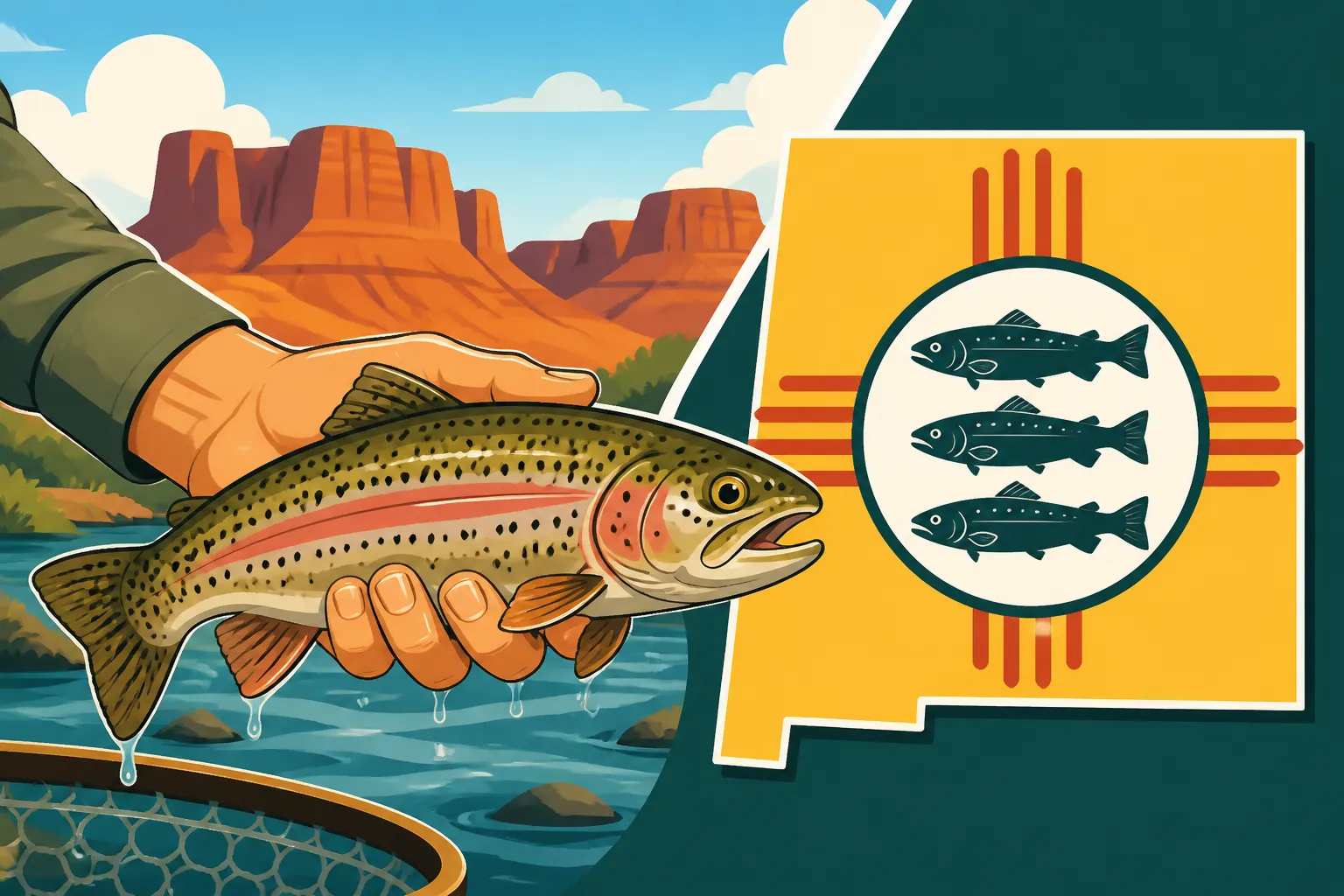
New Mexico Trout Possession Limit
It can be incredibly confusing trying to keep track of all the rules and regulations when you're out fishing, especially when it comes to something as specific as the trout possession limit in New Mexico. You've had a fantastic day on the water, maybe even a couple of days, and now you're wondering exactly how many of those beautiful trout you can legally have in your cooler or freezer back home. This guide is here to untangle that knot of uncertainty, explaining precisely what New Mexico's trout possession limits are, how they apply, and how to avoid accidental violations.
Understanding the Statewide Trout Possession Limit in New Mexico
Let's start by clarifying a really important distinction that often trips up even seasoned anglers: the difference between a "daily bag limit" and a "possession limit." When you read about fishing regulations, you'll see both terms, and they absolutely do not mean the same thing. The daily bag limit refers to the maximum number of fish you can legally harvest and keep in a single calendar day. It resets at midnight. The possession limit, on the other hand, refers to the total number of fish you can have in your possession at any given time, whether they're fresh from the creel, in your cooler, in your vehicle, or stored in your home freezer. This is where multi-day trips or keeping a stash of fish over time can get tricky.
For most waters across New Mexico, the general statewide trout possession limit is twice the daily bag limit. This often means that if the daily bag limit for trout is five fish, your possession limit would be ten. This regulation is in place for several reasons, primarily to promote conservation and ensure equitable access to the fishery for all anglers. It prevents individuals from stockpiling a massive number of fish over a short period, which could put undue pressure on trout populations. It also encourages more frequent, smaller harvests rather than occasional large ones.
Imagine you're on a three-day fishing trip to the Pecos River. On day one, you catch and keep five trout, reaching your daily bag limit. On day two, you catch another five. If the daily bag limit is five and the possession limit is ten, you've now reached your possession limit. Even if it's technically a new calendar day, you cannot legally catch and keep any more trout on day three until you have consumed or given away some of the fish you already possess, bringing your total possession back below the ten-fish mark. This applies whether those fish are still whole or filleted, as long as they are identifiable as trout and count towards your limit. It's really about the total number you're holding at any point in time, not just what you caught today. You can read more about the general rules in our comprehensive guide on New Mexico Fishing Regulations Overview.
Specific Regulations Affecting Trout Possession Limits
While the statewide rule of thumb is twice the daily bag limit, New Mexico is a diverse state with a wide array of fisheries, and some specific locations or species come with their own unique rules. It's absolutely critical to be aware of these special regulations, as they can significantly impact your trout possession limit. Always check the current New Mexico Fishing Regulations Booklet for 2026-2027 before heading out.
One of the most common areas where limits differ is in Special Trout Waters or Quality Waters. These are designated sections of rivers or specific lakes managed for exceptional trout fishing, often with stricter rules to foster larger fish or specific species. A prime example is the renowned San Juan River Quality Waters below Navajo Dam. Here, the daily bag limit for trout is often much lower, sometimes just one or two fish, and often with specific size restrictions. For instance, the San Juan River Quality Waters has a daily bag limit of one trout 20 inches or larger. In such a scenario, your possession limit would be two trout 20 inches or larger. You definitely need to know the Rules for the San Juan River Special Trout Water before you go.
Then there are waters that are designated catch-and-release only. In these areas, the daily bag limit and therefore the possession limit for trout is zero. Any trout caught must be immediately and carefully released. Good examples include specific sections of the Chama River or high-mountain lakes that are managed for native trout recovery. You won't be taking any fish home from these spots, no matter how many you catch. Understanding New Mexico Catch and Release Regulations is crucial for these areas.
Certain species of trout also have very specific regulations. The Gila Trout, for example, is a native species that has faced conservation challenges. Fishing for Gila Trout is often restricted to specific recovery waters, and there are often very strict limits, if any harvest is allowed at all. Typically, the Gila Trout Bag Limit in New Mexico is either zero or a very small number, emphasizing conservation. Similarly, the Rio Grande Cutthroat Trout, New Mexico's state fish, can also have special regulations in certain watersheds aimed at protecting and restoring its populations. Anglers targeting these sensitive native species must be extra vigilant about checking the most current regulations for their specific fishing location.
Even for more common species like Rainbow Trout or Brown Trout, certain lakes might have different regulations. For instance, some lakes might have a slot limit, where you can only keep fish within a certain size range, or a higher daily bag limit for certain stocked fish, which would then influence your possession limit. Always verify the rules for the specific body of water you intend to fish. Our guide on New Mexico Trout Fishing Rules can provide more general insights into these variations.
Practical Implications and Avoiding Violations
Navigating trout possession limits can feel like a minefield, especially if you're not used to multi-day fishing trips or you fish frequently. But with a little preparation and careful tracking, you can easily avoid any issues.
The biggest challenge usually comes with multi-day trips. Let's say you're camping for a week at Heron Lake, where the daily bag limit is five trout and the possession limit is ten. You have a great couple of days and by Wednesday evening, you've kept ten beautiful Kokanee salmon and Rainbow Trout. At this point, you've hit your possession limit. Even if Thursday is a new fishing day, you absolutely cannot legally keep any more fish until you've reduced your total possession below ten. This means cooking and eating some, giving some away, or simply switching to catch-and-release for the remainder of your trip. It's a common mistake for anglers to assume that because a new day has started, their possession limit also resets – it doesn't.
Tips for Tracking and Storage:
- Keep a Log: For longer trips, consider keeping a simple log of the fish you've harvested each day. Note the date, species, and number. This might seem like overkill, but it can be a lifesaver if you're ever questioned.
- Proper Identification: When you clean your fish, make sure that any fillets can still be readily identified as a legal species if a game warden asks to inspect them. Regulations usually state that fish must be kept in a condition that allows for species identification and counting. This means leaving a patch of skin on fillets, or keeping whole fish until you're safely at home.
- Storage at Home: The possession limit applies not just in the field but also at your home. If you have ten trout in your freezer from a previous trip and you go out and catch five more, you've immediately exceeded your possession limit upon returning home with those new fish. You need to consume or otherwise legally dispose of your existing fish before adding new ones that would push you over the limit. Many anglers use vacuum sealers, which you can find on platforms like Amazon, to portion and freeze their catch effectively, making it easier to track how much you have.
- Communicate with Your Group: If you're fishing with family or friends, ensure everyone understands the rules. Sometimes, a group's collective harvest can inadvertently lead to one person exceeding their individual possession limit if not properly managed. Remember, each licensed angler has their own individual possession limit.
Consequences of Exceeding Limits:
Violating fishing regulations in New Mexico, including exceeding the trout possession limit, can lead to serious consequences. These aren't just minor infractions; they are often considered misdemeanors. Penalties can include:
- Fines: Significant monetary fines, which can quickly add up depending on the severity and number of fish over the limit.
- Forfeiture of Catch and Equipment: Any illegally possessed fish will be confiscated, and in some cases, your fishing gear (rods, reels, even boats) can be seized.
- License Revocation/Suspension: Your New Mexico fishing license can be suspended or permanently revoked. This means you won't be allowed to fish in the state for a specified period, or ever again. This can be particularly frustrating if you've invested in an New Mexico Annual Fishing License.
- Criminal Charges: For very serious or repeated offenses, you could face criminal charges, which can carry jail time and a lasting mark on your record.
It's truly not worth the risk. A little planning and understanding go a long way in ensuring your fishing adventures remain enjoyable and legal. Familiarize yourself with New Mexico Fishing Violations and Penalties to fully grasp the seriousness.
Differences Between Bag Limit and Possession Limit
To help solidify the distinction, let's lay out the key differences between the daily bag limit and the possession limit, especially concerning trout fishing in New Mexico. This is a source of confusion for many anglers, and getting it right is fundamental to legal and responsible fishing.
The daily bag limit is all about what you can take per 24-hour period (from midnight to midnight). It's designed to regulate the immediate impact on the fishery. For example, if the New Mexico Daily Trout Bag Limit is five, you can only harvest five trout between 12:00 AM and 11:59 PM. If you keep five by noon, you're done for the day – you can continue fishing, but any additional trout caught must be released. This limit resets every day you're actively fishing.
The possession limit, however, is a cumulative total. It’s the absolute maximum number of fish you can have at your disposal, no matter when or where you caught them (within legal limits). This includes fish in your cooler on the way home, fish in your car parked at the trailhead, fish being processed, or fish stored in your freezer at home. The possession limit doesn't reset daily; it's a running total. So, if your possession limit is ten trout and you have eight in your freezer from last month, you can only harvest two more on your next fishing trip without violating the rules.
Here's a quick comparison to highlight these differences:
| Feature | Daily Bag Limit | Possession Limit |
|---|---|---|
| Definition | Max fish you can harvest and keep in a single calendar day. | Total number of fish you can have in your physical control (cooler, home, car, etc.) at any given time. |
| Reset Period | Resets at midnight each calendar day. | Does not reset daily; it's a continuous, cumulative total. |
| Purpose | Regulates immediate harvest pressure. | Prevents over-harvesting over time and stockpiling. |
| Typical Value | Varies (e.g., 5 trout). | Usually twice the daily bag limit (e.g., 10 trout). |
| Application | Applies when actively fishing and harvesting. | Applies at all times, including during transport and storage. |
Understanding this table is key. Many anglers purchase an New Mexico Fishing License for a Week-Long Vacation and assume they can keep their daily limit every day, only to find themselves with far more fish than legally allowed by the possession limit. This distinction is crucial for long trips, for those who fish frequently, or for anyone storing fish from multiple outings. Always keep your total number of fish (fresh or frozen) below the specified possession limit for trout in New Mexico.
Disclaimer
Please remember that fishing regulations, including possession limits, can change. While this guide provides the most current information available at the time of writing, it is always your responsibility as an angler to consult the official New Mexico Department of Game and Fish regulations handbook or their website before you head out. These resources will provide the most up-to-date and legally binding information.