Hook Requirement in San Juan River Special Trout Water
Heading out to fish the legendary San Juan River in New Mexico can be an absolute dream, but the excitement can quickly turn to anxiety when you start navigating the specific rules, especially regarding what kind of hook you can use in its highly regulated Special Trout Water. It’s easy to feel overwhelmed by the precise requirements, and a simple mistake could cost you more than just a missed fish or even result in a fine. This guide is here to untangle the complexities of hook regulations, ensuring you're fully prepared to enjoy your time on this world-class fishery without a hitch.
Understanding New Mexico's Special Trout Water Designations
New Mexico is home to some incredible fishing, but certain sections of its rivers and lakes are managed with extra care to protect unique or especially vulnerable fish populations. These areas are often designated as "Special Trout Waters," and the San Juan River below Navajo Dam is perhaps the most famous example of such a designation. Anglers sometimes get confused by the differing rules across the state, but understanding the philosophy behind these special designations is key to respecting and enjoying them.
What Makes a Water "Special Trout Water"
A "Special Trout Water" designation in New Mexico isn't just a fancy name; it signifies an area managed for exceptional trout fishing, often focusing on trophy-sized fish or fragile native species. The San Juan River Quality Waters Section, for instance, is renowned worldwide for its incredibly dense population of large, healthy trout, primarily rainbow trout and some brown trout. This section, stretching from the Texas Hole downstream to the Crusher Hole, is a prime example of where specific, strict regulations are put in place to maintain that high-quality experience and protect the fish. These rules are designed to ensure the long-term health and vitality of the fishery, making it a sustainable resource for generations of anglers.
When a river or stream is given this special designation, it means the New Mexico Department of Game and Fish has identified it as a critical habitat that requires specific management techniques. These techniques often include enhanced stocking programs, habitat improvements, and, most importantly for us anglers, highly particular gear and harvest regulations. It’s a conservation effort at its finest, creating a delicate balance where fish can thrive under minimal pressure from angling, even though many people visit these waters.
Why Regulations Differ in Special Trout Waters
The primary reason for differing regulations in Special Trout Waters, like the San Juan, is conservation and the enhancement of the fishing experience. Imagine a fishery where every fish caught was handled roughly, leading to high mortality rates. That world-class experience would quickly disappear. The specific rules regarding gear, bait, and harvest limits are all designed to minimize stress and injury to the fish, particularly when practicing catch and release. In the case of the San Juan River, the goal is to keep as many of those large, robust trout alive and healthy as possible, ensuring they continue to grow and reproduce.
These regulations also serve to reduce conflict among anglers and manage the sheer volume of fishing pressure. By dictating specific gear, like the hook requirements we'll delve into, the state aims to create a more responsible angling community. It's about protecting the resource, yes, but it's also about preserving the quality of the fishing itself, so that when you cast your line, you still have a genuine chance at landing a truly magnificent fish. If you're planning a trip, it’s always smart to review the official New Mexico Fishing Regulations Overview to ensure you're compliant with all the current rules.
The Crucial Hook Requirement for San Juan River Special Trout Water
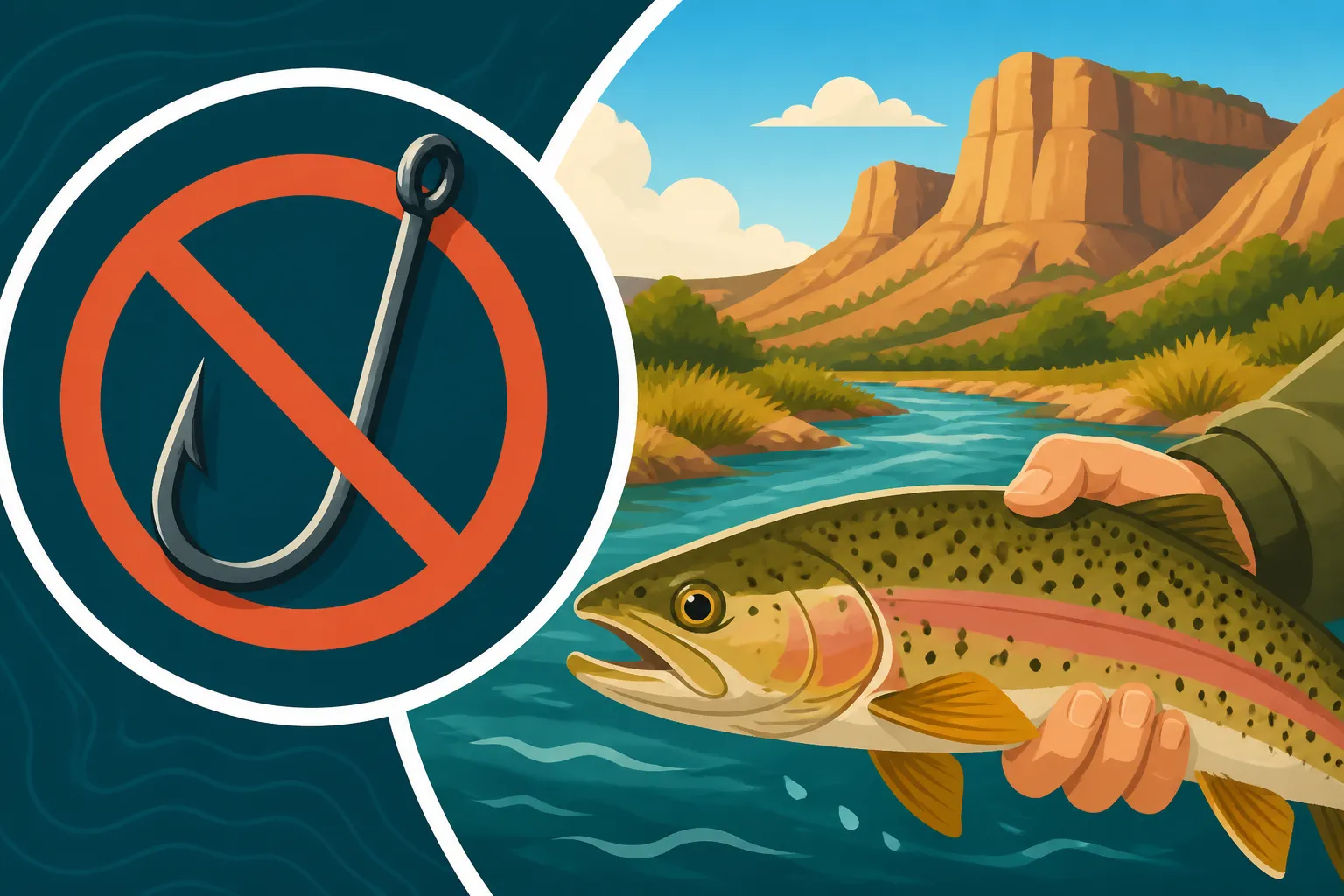
When you step into the famed waters of the San Juan River's Special Trout Water, you're entering a highly protected zone, and your hook choice isn't just a suggestion; it's a critical mandate. Disregarding these requirements can lead to serious consequences, not to mention harm to the very fish you're hoping to catch. There are two golden rules you must absolutely abide by: barbless hooks only and single-point hooks only. Let's break down what each of these means in practice.
Barbless Hooks Only: The Golden Rule
The most fundamental rule for hooks in the San Juan River Special Trout Water is that they must be barbless. This isn't just about making it easier to remove a hook; it's a direct conservation measure aimed at maximizing the survival rate of released fish. A barbed hook, by its very design, is meant to hold securely in the fish's mouth, and while that's great for keeping a fish on the line, it often causes significant tissue damage during removal. This damage can lead to infections, feeding difficulties, or even death for the fish after it's released.
A barbless hook, on the other hand, slides out much more easily, causing minimal harm to the fish's delicate mouthparts. Many commercial flies and lures come equipped with barbs, so it's your responsibility as an angler to ensure yours are compliant. If your hook has a barb, you must crimp it down flat with a pair of pliers. To test if your hook is truly barbless, simply run your finger along the shank towards the point; it should slide smoothly without catching. This rule applies to all fishing methods allowed in these waters, whether you're fly fishing with a tiny midge or throwing a spinner. Understanding this is a key part of responsible Barbless Hook Fishing Technique for New Mexico Rivers.
Single-Point Hooks Are Mandatory
Beyond being barbless, all hooks used in the San Juan River Special Trout Water must also be single-point. This means you cannot use treble hooks or double hooks, which are often found on many popular lures like crankbaits or some spinners. A treble hook, with its three points, drastically increases the chances of foul-hooking a fish (hooking it anywhere other than the mouth) or causing extensive damage by hooking multiple areas of the mouth or even the eye.
The single-point hook rule, combined with the barbless requirement, significantly reduces the potential for severe injury, especially when fish are vigorously fighting or rolling. When selecting your lures or flies, always double-check that they are rigged with a single hook. If you have a favorite lure that comes with treble hooks, you can often replace them with appropriate single, barbless hooks to make them compliant. Many manufacturers now offer "single hook" versions of their popular lures, or you can purchase individual single, barbless hooks and swap them out yourself. This diligence ensures you're ready for the strict Fly and Lure Limit on the San Juan River and other requirements.
Practical Implications and Compliance for Anglers
Understanding the hook requirements is one thing, but actually putting them into practice is where it counts. For many anglers, especially those used to fishing other waters with less stringent rules, adapting to the San Juan River's specific demands can take a little preparation. However, with a bit of foresight and the right tools, it’s incredibly easy to comply and ensure you’re fishing ethically and legally.
Checking Your Hooks Before You Go
Before you even leave home for your trip to the San Juan River, it’s a smart move to go through your tackle box or fly wallet and inspect every single hook. This proactive step can save you a lot of hassle and potential heartache on the water. For each hook, visually inspect it for a barb. A barb is that small, sharp protrusion just behind the point, designed to prevent the hook from backing out. If you find one, grab a pair of needle-nose pliers or specialized de-barbing pliers. Position the pliers over the barb and squeeze firmly until the barb is completely flattened against the hook shank.
After crimping, run your fingertip gently over the area where the barb once was. It should feel smooth, with no catch or resistance. If you're unsure, hook it lightly onto a piece of fabric like your shirt; a truly barbless hook should slide off with minimal effort. Don’t forget to check all the hooks on any lures, even those small spinnerbaits or jigs. Many anglers prefer to just buy pre-made barbless hooks to avoid this step, which you can easily find at local fly shops or through online retailers like Amazon. It's a small task that makes a huge difference in ensuring compliance with New Mexico Trout Fishing Rules.
Selecting and Buying Compliant Hooks
When it comes to purchasing new gear specifically for the San Juan River Special Trout Water, you'll find that many reputable fly fishing brands and tackle manufacturers cater to these conservation-minded regulations. Look for packaging explicitly stating "barbless" or "for catch and release." Brands like Gamakatsu, Owner, and Mustad offer a wide range of single, barbless hooks in various sizes suitable for different flies and lures. For fly anglers, virtually all modern fly tying hooks are available in barbless versions, making it easy to tie your own compliant patterns.
If you're buying lures, always check the hooks. If they come with barbed treble hooks, don't despair! You can often purchase replacement single, barbless hooks and swap them out. This might require split ring pliers and a little patience, but it’s a worthwhile investment to make your existing tackle compliant. Remember, the rule is about the hook, not necessarily the lure itself, though some specific lure types are also prohibited in certain areas. Retailers, both online and local, are generally very good about stocking compliant gear, especially in areas near popular Special Trout Waters. If you're ever in doubt, ask a local expert at a fly shop in Farmington or Navajo Dam; they're usually happy to guide you.
The "Why" Behind the Rules: Conservation and Fish Health
It’s easy to view regulations as burdensome, but the hook requirements on the San Juan River are deeply rooted in a commitment to conservation and the long-term health of the fish. These are not arbitrary rules; they are scientifically backed practices designed to minimize delayed mortality in fish that are caught and released. When a fish is hooked, even for a short time, it experiences stress and potential physical trauma. Barbless, single-point hooks significantly reduce the severity of that trauma.
Think about it from the fish's perspective: a single, smooth hook slides in and out with far less tearing and tissue damage than a barbed treble hook that can snag in multiple places. This means less bleeding, less risk of infection, and a quicker recovery for the fish. On a river like the San Juan, which sees thousands of angler-hours each year, this collective effort to practice Catch and Release Best Practices in New Mexico is vital. It allows the fish population to remain robust, ensuring that the next angler, or even you on your next visit, can still experience the thrill of catching a healthy, vibrant trout.
Consequences of Non-Compliance and Staying Informed
Ignoring the specific hook requirements in New Mexico's Special Trout Waters, particularly on the San Juan River, isn't just a minor oversight; it's a serious violation that can have legal repercussions and, more importantly, a negative impact on the delicate ecosystem you're there to enjoy. Game and Fish wardens patrol these areas specifically to ensure compliance, and they take these regulations very seriously.
Penalties for Violating Hook Regulations
Fishing with barbed or multi-point hooks in the San Juan River Special Trout Water can lead to fines and other penalties. New Mexico's Department of Game and Fish is diligent in enforcing these regulations to protect its world-class fisheries. While the exact fine amount can vary depending on the severity of the violation and whether it's a first offense, you can expect a significant financial penalty. Beyond the immediate fine, repeated offenses or particularly egregious violations could potentially lead to the suspension of your fishing license, meaning you wouldn't be able to fish anywhere in New Mexico for a period.
It's also important to remember the ethical cost. Fishing in a Special Trout Water with non-compliant gear shows a disregard for the conservation efforts that make these places so special. Most anglers who visit the San Juan share a deep respect for the resource, and upholding these rules is part of being a responsible member of that community. Always check the current year's New Mexico Fishing License Violations and Penalties to understand the precise consequences.
How to Stay Up-to-Date on Regulations
New Mexico fishing regulations, while generally stable, can sometimes see updates or changes based on conservation needs, environmental factors, or biological surveys. The best way to ensure you're always fishing legally and ethically is to regularly consult the official sources.
The New Mexico Department of Game and Fish website is your primary and most reliable resource. They publish a new fishing rules and regulations booklet annually, usually available both online as a downloadable PDF and in print at license vendors across the state. Before any trip, especially to a Special Trout Water, make it a habit to check the most current regulations. This booklet will detail everything from bag and possession limits to specific gear restrictions for every body of water. Additionally, local fly shops and sporting goods stores near fishing destinations often have the most up-to-date information and can provide invaluable insights. Don't rely solely on old printouts or hearsay; a quick check of the official New Mexico Fishing Regulations Overview can prevent a lot of headaches.
San Juan River Special Trout Water Hook Requirements Summary
To make sure you've got it all straight, here’s a quick summary of the essential hook requirements for fishing the San Juan River Special Trout Water:
| Requirement | Description | Why It Matters |
|---|---|---|
| Barbless Hooks | All hooks, whether on flies, lures, or bait rigs, must have the barb completely crimped flat against the hook shank. Your finger should slide smoothly off the hook point. | Minimizes tissue damage to the fish, significantly increasing post-release survival. |
| Single-Point Hooks | Only hooks with a single point are allowed. Treble hooks (three points) and double hooks (two points) are strictly prohibited. | Reduces instances of foul-hooking and severe injury to the fish's mouth or eyes. |
| Artificial Lures | In the Special Trout Water, only artificial lures and flies are permitted. Live bait is generally prohibited. | Further protects fish populations and habitat, and reduces bait-related mortality. |
This table provides a concise overview, but remember that a full understanding of the New Mexico Trout Fishing Rules involves more than just hooks.
Disclaimer
Please note that fishing regulations are subject to change. While this guide provides the most accurate and up-to-date information available at the time of writing, it is always your responsibility as an angler to consult the latest official New Mexico Department of Game and Fish regulations before heading out on the water. This ensures you are fully compliant with all state and local laws.