Do Electric Trolling Motors Need Registration in New Mexico?
It can be incredibly confusing to figure out all the rules when you're just trying to enjoy a peaceful day out on the water in New Mexico. Many anglers, especially those with smaller craft, often wonder if their trusty electric trolling motor needs its own separate registration. You're not alone in that confusion; it’s a question that trips up a lot of folks, and getting it wrong can lead to unnecessary headaches. This guide will help clarify the ins and outs of New Mexico's boat registration laws, specifically how they apply to electric trolling motors and the vessels they power, ensuring you're fully compliant and ready for your next fishing adventure.
Understanding New Mexico's Boat Registration Requirements
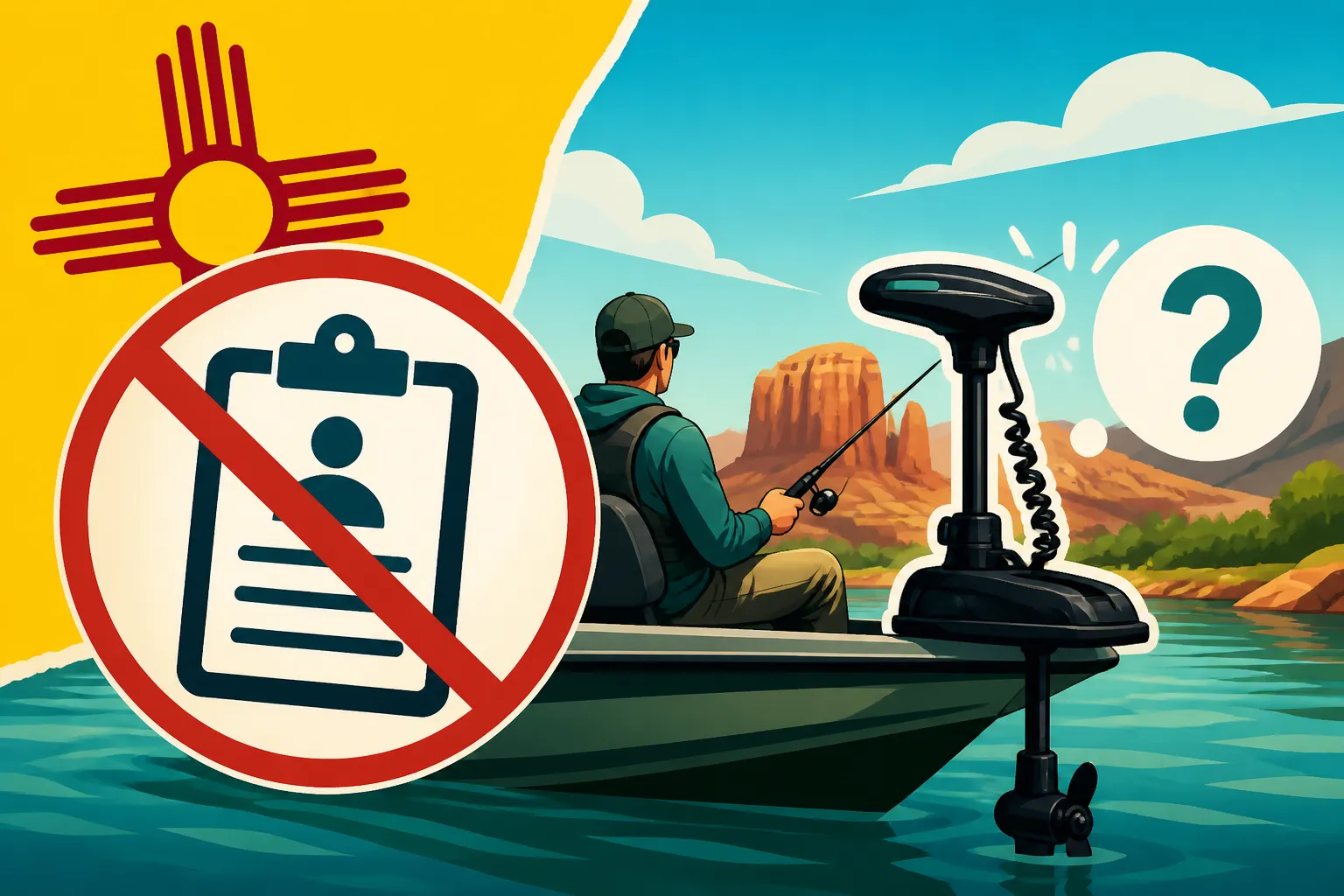
Let's cut right to the chase because this is where most of the confusion lies. In New Mexico, it's generally not the electric trolling motor itself that needs to be registered, but rather the vessel it's attached to. The New Mexico Motor Vehicle Division (MVD) is the agency responsible for boat registration, and their rules hinge on how your watercraft is propelled.
What Triggers Boat Registration in New Mexico?
The key phrase to remember from the New Mexico MVD is "vessels propelled by machinery." If your boat, canoe, kayak, or even a stand-up paddleboard (SUP) has any kind of motor attached—yes, even a quiet, emissions-free electric trolling motor—it is considered a motorized vessel and must be registered. This applies regardless of the size or horsepower of the motor. So, if you've got a small canoe and you decide to add a 30-pound thrust Minn Kota trolling motor to glide across Ute Lake Fishing or any other state waters, that canoe now needs to be registered with the state.
Imagine you've just bought a new fishing kayak, perhaps a sturdy Perception Pescador Pro, specifically designed with a transom mount for a trolling motor. The moment you bolt on that motor, even if it's just for occasional use, your kayak is no longer considered a purely non-motorized vessel. It falls under the umbrella of "vessels propelled by machinery." This means you'll need to go through the proper steps to get it registered. This rule is in place not just for identifying vessels but also for safety and to fund conservation efforts through the fees collected.
Exemptions and Non-Motorized Vessels
Now, for a bit of good news and clarification on what doesn't require registration. If your vessel is solely propelled by oars, paddles, sails (and is under a certain length), or human power, it's generally exempt from registration.
Here’s a quick rundown of common exemptions:
- Non-motorized Canoes: If you're paddling your canoe with just a paddle, no registration needed.
- Kayaks and Stand-Up Paddleboards (SUPs): Purely paddle-powered kayaks and SUPs are exempt.
- Rowboats and Dinghies: If you're rowing or sculling, no registration is required.
- Sailboats under 8 feet in length: These typically do not need registration.
- Inflatable Rafts: Most recreational inflatable rafts used without a motor are also exempt.
However, the moment any of these vessels are modified to include an electric trolling motor, even if it's detachable, they lose their exempt status. This is a common point of confusion. Many people assume a tiny electric motor doesn't count, but it absolutely does in the eyes of New Mexico law. It's best to always check the official New Mexico Fishing Regulations Overview or the MVD website for the most current rules.
The Role of the Motor: Power, Not Ownership
It's important to reiterate that the electric trolling motor itself isn't titled or registered like a vehicle engine or a larger outboard motor might be. You won't receive a separate registration card or license plate for your trolling motor. Instead, its presence and use on a vessel are what mandate the registration of the entire vessel.
Think of it this way: when you register a car, you register the car, not each individual component like the engine or tires. Similarly, with boats in New Mexico, you register the vessel (the hull), and the fact that it's "propelled by machinery" (an electric trolling motor, in this case) is what makes that registration necessary. This distinction is subtle but critical for understanding your obligations.
Navigating the Registration Process for Motorized Vessels
Once you understand that your vessel needs registration because of that handy electric trolling motor, the next step is to actually get it registered. The process isn't overly complicated, but it does require attention to detail and a few specific documents.
Step-by-Step for New Boats with Motors
If you've purchased a new boat that you intend to power with an electric trolling motor, or if you've bought a boat with a motor already installed, here's a general outline of the steps you'll need to follow with the New Mexico MVD:
- Gather Your Documents: You'll typically need the manufacturer's statement of origin (MSO) for new vessels, a bill of sale for both the vessel and any motor that came with it, and proof of New Mexico residency. If the boat was purchased from a private party, a properly executed bill of sale is crucial, showing the hull identification number (HIN).
- Complete the Application: You'll fill out a Vessel Registration and Title Application form (MVD-10041). This form requires detailed information about your vessel, including its length, make, year, hull material, and propulsion type.
- Provide Proof of Ownership: This is usually the MSO for new boats or the signed-over title/bill of sale for used boats.
- Pay the Fees: There are registration fees, and potentially excise tax, depending on the vessel's value. These fees vary based on the length of your boat. For a detailed breakdown, you might want to look into the New Mexico Boat Registration Fees by Length. Don't forget that these fees also typically include a component for the New Mexico Habitat Management and Access Validation Stamp, which supports crucial wildlife and habitat programs across the state.
- Receive Your Registration: Once processed, you'll receive a registration certificate and decals that must be affixed to your boat according to MVD guidelines. The registration is valid for three years and will need to be renewed.
Many people find the online portal or visiting a local MVD office the easiest way to handle this. You can find more information about the process on the New Mexico Boat Titling and Registration page.
Retrofitting a Motor onto an Unregistered Vessel
This is a very common scenario for many New Mexico anglers. You bought a kayak, canoe, or inflatable raft years ago, and it never needed registration because it was paddle-powered. Now, you’ve decided to upgrade your fishing experience by adding an electric trolling motor, perhaps a popular model you found on Amazon, to cover more water at Elephant Butte Lake.
The moment you attach that motor, your vessel's status changes. It's no longer an exempt, non-motorized craft. It is now a "vessel propelled by machinery." This means you must now register it. The process is similar to registering a new boat, but you might need different documentation if you don't have an MSO. A clear bill of sale (if you bought the vessel used) or a sworn affidavit of ownership might be required if you've owned it for a long time without formal paperwork. It's always best to contact the MVD directly or visit their website for specific requirements in such cases, especially to avoid any potential Penalty for Boating Without Registration in New Mexico.
Titling vs. Registration: What's the Difference?
This is another area that can cause a bit of a headache for boat owners. It's important to understand that in New Mexico, not all registered vessels require a title.
- Registration: All motorized vessels, regardless of size, must be registered. This is essentially permission from the state to operate your boat on public waters and helps fund boating safety and conservation. You get decals and a registration card.
- Titling: A vessel title, similar to a car title, is proof of legal ownership. In New Mexico, typically only larger motorized vessels (often those over 14 feet in length) or those with permanently affixed engines (usually over 10 horsepower) are required to be titled. Smaller vessels, like many kayaks or canoes with electric trolling motors, might only need to be registered and not titled. The electric trolling motor itself almost never has a separate title.
So, while your kayak with an electric trolling motor will need to be registered, it likely won't need a separate title unless it meets specific size or engine criteria for titling. It's a distinction worth knowing to ensure you're not going through unnecessary steps or missing crucial ones. The New Mexico MVD has a specific application for this: the New Mexico Motor Vehicle Division Boat Title Application.
| Vessel Type | Propulsion Method | Requires Registration? | Requires Titling? (Generally) |
|---|---|---|---|
| Canoe, Kayak, SUP | Paddles, Oars, Sails (under 8ft) | No | No |
| Canoe, Kayak, SUP (any length) | Electric Trolling Motor | Yes | No (unless over 14ft or specific engine size) |
| Jon Boat, Aluminum Skiff (any length) | Electric Trolling Motor, Outboard Engine | Yes | Yes (if over 14ft or specific engine size) |
| Sailboat (8ft or longer) | Sail | Yes | Yes |
| Personal Watercraft (Jet Ski) | Internal Combustion Engine | Yes | Yes |
| Large Motorized Boat (e.g., Bass Boat, Pontoon) | Outboard, Inboard Engine | Yes | Yes |
Note: Titling requirements can be nuanced; always confirm with the New Mexico MVD based on your specific vessel.
Practical Considerations and Common Misconceptions
Beyond the technicalities of registration, there are practical aspects and common misunderstandings that every angler in New Mexico should be aware of, especially concerning electric trolling motors.
Why This Rule Exists: Safety and Funding
You might be thinking, "It's just a small electric motor, why all the fuss?" The state's reasoning behind these regulations is multifaceted and important for everyone who enjoys New Mexico's beautiful waters.
- Safety: Registered vessels contribute to a database that can be crucial in emergencies. If a boat goes missing or there's an accident, identification numbers help law enforcement and search and rescue teams. All boaters, regardless of vessel size, also need to comply with Required Safety Gear on a New Mexico Boat, including having enough Life Jacket Requirements for New Mexico Boaters for everyone onboard.
- Conservation Funding: The fees collected from boat registrations directly support state boating programs. This includes maintenance of public boat ramps, buoy placement, waterway safety patrols, and, importantly, aquatic invasive species (AIS) prevention and eradication. New Mexico faces ongoing challenges with AIS, and registration fees are a vital source of funding to protect our lakes and rivers from threats like zebra mussels.
- Law Enforcement: Clear registration rules make it easier for New Mexico Game and Fish officers and other law enforcement agencies to manage waterways, enforce fishing regulations (like those outlined in the New Mexico Trout Fishing Rules), and ensure everyone is operating legally.
So, while it might feel like an extra step, your registration helps ensure that New Mexico's waters remain safe and healthy for future generations of anglers.
What Happens if You Don't Register?
Ignoring the registration requirements for your motorized vessel, even if it's just powered by a small electric trolling motor, can lead to unwelcome consequences. New Mexico Game and Fish, along with local law enforcement, actively patrol lakes and rivers.
If you're caught operating an unregistered motorized vessel, you could face:
- Fines: The specific amount can vary, but fines for operating an unregistered boat can be substantial.
- Delay or Interruption of Your Trip: Officers may require you to remove your boat from the water until it's properly registered, effectively ending your fishing day.
- Legal Action: Repeated violations could lead to more serious legal repercussions.
It’s just not worth the risk. A few hours spent at the MVD or online is a small price to pay for peace of mind and hassle-free fishing. It's far better to be prepared than to have your cherished fishing trip ruined by a preventable legal issue.
Choosing the Right Electric Trolling Motor for New Mexico Waters
While the motor itself doesn't need registration, selecting the right one can significantly enhance your New Mexico fishing experience. Many anglers turn to online retailers like Amazon for the convenience and wide selection, finding everything from basic transom-mount motors to more advanced bow-mount units with GPS capabilities.
When considering an electric trolling motor for New Mexico's diverse waters, think about:
- Thrust Power: For smaller ponds or calm rivers, a 30-50 lb thrust might be sufficient. For larger, windier reservoirs like Elephant Butte Lake or Navajo Lake, you might want 55 lbs of thrust or more, especially if you plan on covering significant distances or fighting currents.
- Battery Life: This is crucial. A longer day on the water requires a robust deep-cycle marine battery. Consider how many hours you expect to run the motor and match your battery capacity accordingly.
- Mounting Type: Transom mounts are simple and popular for canoes, kayaks, and small jon boats. Bow mounts offer better control, especially for bass fishing or navigating tricky currents, but require more involved installation.
- Shaft Length: Ensure the shaft is long enough to keep the propeller submerged in varying water conditions, particularly if you're fishing from a higher-sided boat.
- Features: Do you need GPS spot-lock, remote control, or integrated sonar? Brands like Minn Kota and Motorguide offer models with advanced features that can be game-changers for precise boat positioning, which is particularly useful for targeting specific structures or schools of fish.
Whether you're exploring the quiet coves of a high mountain lake or battling the winds on a major reservoir, a well-chosen electric trolling motor can make your New Mexico fishing trips more enjoyable and productive. Just remember, the vessel it powers needs to be registered!
Disclaimer
The information provided in this guide is for general informational purposes only and is not intended as legal advice. While we strive to provide accurate and up-to-date information, boating and fishing regulations can change. It is always the angler's responsibility to consult the official New Mexico Department of Game and Fish regulations and the New Mexico Motor Vehicle Division for the most current and specific requirements before heading out on the water.