Conchas Lake Crappie Fishing
There's nothing quite like the thrill of chasing crappie, but anyone who’s spent a day on the water knows these speckled beauties can be incredibly elusive, moving with the seasons and favoring specific, often hidden, structures. If you've ever felt the frustration of a seemingly empty lake at Conchas, wondering where those schooling slabs have disappeared to, you're not alone. This guide is your ultimate resource to unraveling the mysteries of crappie fishing at Conchas Lake, equipping you with the knowledge to consistently find and catch them.
Understanding Conchas Lake Crappie Dynamics
Conchas Lake, nestled in northeastern New Mexico, is a fantastic multi-species fishery, and crappie are definitely a highlight. Knowing the specific types of crappie present and their general behaviors is the first step in successful angling. These panfish are a favorite for their delicate, flaky white meat, but also for the challenge they present, often schooling tightly around specific structures.
The Crappie Species of Conchas: Black vs. White Crappie
At Conchas Lake, you'll primarily encounter both black crappie and white crappie, though white crappie tend to be more prevalent in this reservoir system, particularly in the murkier, warmer sections. While both are members of the Pomoxis genus and are often lumped together by anglers, they have distinct preferences and characteristics that can influence your fishing approach.
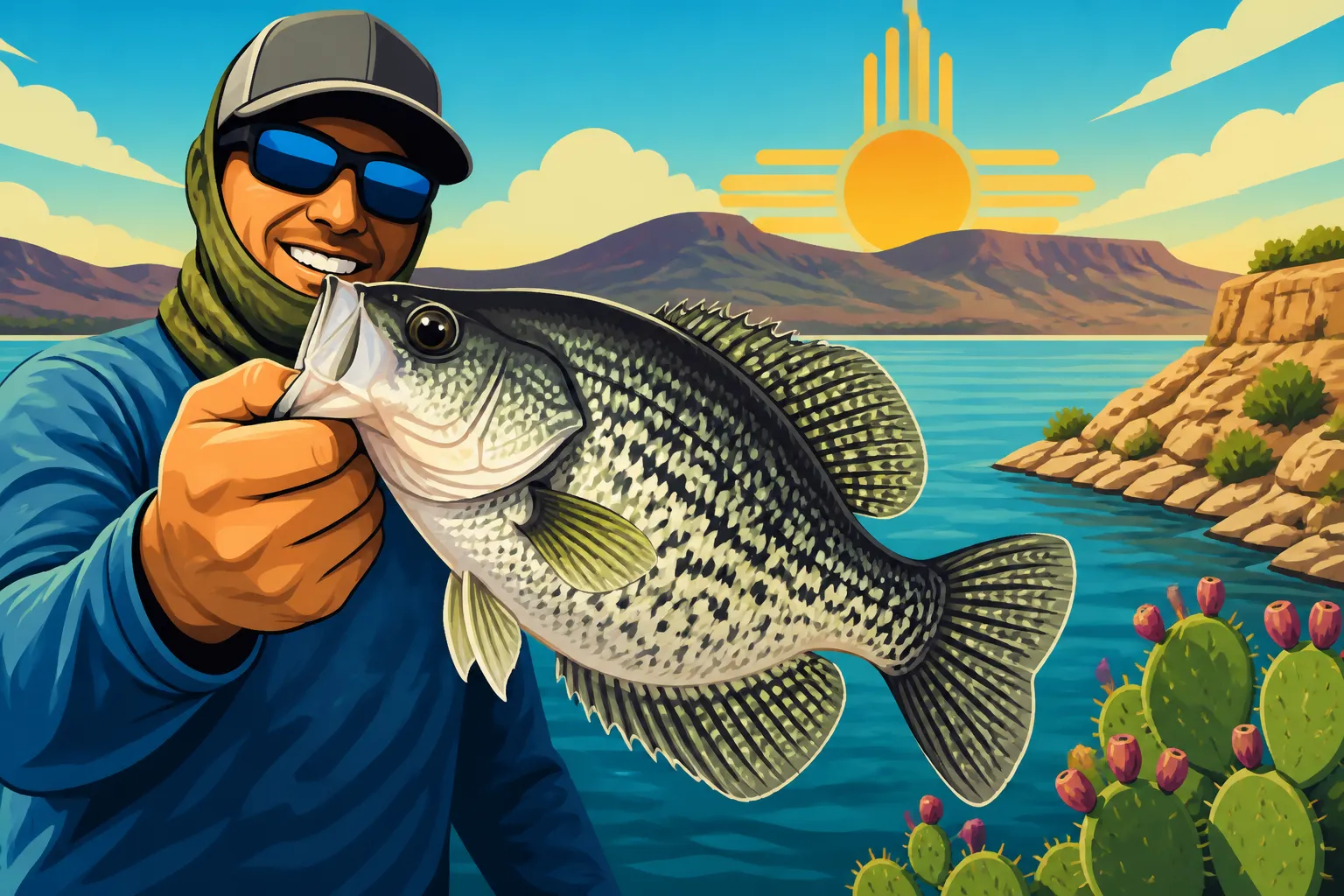
White crappie (Pomoxis annularis) are generally more tolerant of turbid waters and tend to prefer larger, slower-moving river systems and reservoirs like Conchas. They're often found in more open water, relating to submerged timber, brush piles, or old creek channels, especially during non-spawning periods. You can usually identify them by their vertical bar patterns on a lighter, silvery body. Black crappie (Pomoxis nigromaculatus), on the other hand, typically prefer clearer, cooler water with more vegetation. While Conchas certainly has some clearer areas, the overall environment tends to favor the whites. Black crappie have irregular, scattered speckles all over their bodies, giving them a "peppered" look. Understanding these subtle differences can sometimes help you narrow down your target areas and tactics. If the water is a bit cloudy, lean towards spots white crappie would frequent; in clearer coves, black crappie might be more present.
Crappie Behavior and Habitat: What Makes Conchas Ideal
Crappie are schooling fish, which is excellent news once you find a school, as you can often catch several in one spot. Their behavior is heavily dictated by water temperature and light conditions. They are highly sensitive to light, often preferring shaded areas or deeper water, especially during bright sunny days. This is why you’ll frequently find them hugging tight to submerged cover or descending into deeper thermoclines when the sun is high.
Conchas Lake offers an ideal environment for crappie due to its abundant structure. The lake features countless submerged trees, brush piles, rock formations, and ledges from its original riverbed and inundated canyons. These structures provide both shelter from predators and ambush points for their prey – primarily small baitfish and insects. As the seasons change, crappie will migrate between these various habitats, always seeking optimal temperature, food, and protection. Learning to "read" the lake for these underwater features, perhaps with the help of a good fish finder, is paramount to consistent crappie success here.
Why Conchas Lake is a Crappie Hotspot
Conchas Lake boasts a healthy and diverse fish population, and crappie thrive here for several reasons. Firstly, the sheer size and structure of the lake provide ample habitat. The varying depths, numerous coves, and the convergence of the Conchas and Canadian Rivers create a nutrient-rich environment that supports a strong forage base of shad and other small baitfish, which crappie absolutely love.
Secondly, the New Mexico Department of Game and Fish actively manages the fishery, ensuring healthy populations. While specific crappie stocking isn't always the primary focus, general fisheries management contributes to the overall ecosystem health, benefiting crappie. Lastly, Conchas Lake sees decent but not overwhelming fishing pressure compared to some other popular fishing destinations, meaning the crappie populations can flourish without being overly stressed. This combination of rich habitat, ample food, and sensible management makes Conchas a truly fantastic destination for anglers hoping to fill a stringer with crappie.
Seasonal Strategies for Conchas Lake Crappie
Crappie are creatures of habit, yet their habits are incredibly fluid, shifting dramatically with the changing seasons. Understanding these seasonal movements is the single most important factor in consistently catching them at Conchas Lake. You can't fish for them in August the same way you would in April, and expecting success without adapting is a recipe for frustration.
Springtime Crappie Spawning Frenzy
Spring is arguably the most anticipated time for crappie anglers at Conchas Lake. As water temperatures begin to rise, typically hitting the 55-65°F range, crappie move from their deeper winter haunts into the shallows to spawn. This usually happens from late March through May, depending on the year's weather patterns. During this time, crappie become much more accessible to bank anglers and those fishing from smaller boats.
Look for them in protected coves, creek arms, and shallow flats with submerged brush, timber, or rocky bottoms. They'll often be in water as shallow as 2-5 feet, aggressively guarding their nests. This is when they're most vulnerable and easiest to catch. Small jigs (1/32 to 1/16 oz) tipped with a small plastic grub or tube bait, or even a live minnow under a bobber, are deadly effective. Focus on areas with north-facing banks or those that receive consistent sunlight, as these areas warm up faster. You might find them right up against riprap, around fallen trees, or tucked into thickets of submerged willows. This is a fantastic time for families and beginners, as the action can be fast and furious.
Summer Deepwater Tactics
Once the spawning frenzy ends and water temperatures push into the 70s and beyond, crappie at Conchas Lake transition to deeper, cooler water. The intense summer sun drives them to seek refuge from both heat and light. You’ll find them suspending in open water over deep channels or congregating around significant submerged structures like old creek beds, deep brush piles, and the shaded sides of deep points.
During summer, vertical jigging, trolling, and even spider rigging become popular and effective techniques. Using a fish finder is crucial to locate these schools, which might be suspended anywhere from 10 to 30 feet deep over even deeper water. Crappie will often relate to the thermocline – the layer where water temperature changes rapidly – as this area often holds baitfish. Small jigs, particularly those with a bit of flash, and live minnows fished on drop-shot rigs or vertically jigged spoons can tempt these deep-dwelling crappie. Look for "bait balls" on your sonar; crappie won't be far behind. Early morning and late evening, when the light is less intense, can also bring them slightly shallower, but generally, summer means fishing deeper.
Fall Feeding Aggression
As autumn arrives and water temperatures begin to cool, crappie at Conchas Lake enter a period of aggressive feeding, stocking up for the lean winter months. This can be another fantastic time to target them. They begin to move out of their deepest summer haunts and spread out, often frequenting brush piles, rock formations, and creek channels in moderate depths, say 8-20 feet.
The fall bite can be a bit more unpredictable than spring, but when you find them, they're often eager to strike. Trolling small crankbaits or jigs through creek channels and over submerged structure can be very productive. They might also be found chasing shad closer to the surface during overcast days or in the early morning and late evening. As the water cools further, they'll start to consolidate more tightly around specific deep structures, mirroring some of their winter patterns but with more energy. Pay attention to changes in the weather; stable fall weather often leads to consistent fishing, while sudden cold snaps can make them lethargic. You can often have a fantastic day catching a mix of species, as Conchas Lake Walleye Fishing can also be very good in the fall.
Winter Slow Downs and Structure Fishing
Winter fishing for crappie at Conchas Lake demands patience and precision, but it can yield some of the biggest fish of the year. When water temperatures drop into the 40s, crappie become much less active, their metabolism slowing significantly. They move to the deepest, most stable water they can find, often congregating in large schools around deep timber, the deepest parts of creek channels, or significant underwater ledges.
During winter, presentation is key. Slower retrieves and subtle jigging actions are essential. Smaller baits, like tiny marabou jigs or ice fishing jigs tipped with a wax worm or minnow head, can be highly effective. The fish will be lethargic, so you need to practically put the bait right on their nose. A good fish finder is indispensable to locate these tight-lipped schools. Once you find them, stay on them. Often, if you catch one, there are many more directly below. Some anglers will even try ice fishing in New Mexico if conditions allow for safe ice, though Conchas doesn't freeze reliably for safe ice fishing every year. For those sticking to open water, vertical jigging directly over schools detected on sonar is the most reliable method.
| Season | Water Temperature Range | Crappie Location | Key Tactics | Recommended Baits/Lures |
|---|---|---|---|---|
| Spring (Spawn) | 55-65°F | Shallow coves, creek arms, brush, submerged timber (2-8 ft) | Casting, bobber fishing, sight fishing | Small jigs (1/32-1/16 oz), plastic grubs, tube baits, live minnows |
| Summer (Post-Spawn) | 70°F+ | Deeper water, suspended over channels, deep brush piles, ledges (10-30 ft) | Vertical jigging, trolling, spider rigging | Jigs, spoons, small crankbaits, live minnows |
| Fall (Pre-Winter Feed) | 60-45°F | Moderate depths, creek channels, brush piles, rock formations (8-20 ft) | Trolling, casting, slow jigging | Jigs, small crankbaits, swimbaits, live minnows |
| Winter (Dormant) | Below 45°F | Deepest stable water, submerged timber, creek channels, ledges (20-40+ ft) | Vertical jigging, subtle presentations | Tiny marabou jigs, ice fishing jigs, minnow heads, wax worms |
Prime Crappie Fishing Spots at Conchas Lake
Knowing where to look for crappie on a sprawling reservoir like Conchas Lake is half the battle. While their specific locations change with the seasons, certain types of structures and areas consistently hold fish. Conchas is a big lake, so having a game plan for where to start is crucial.
Finding Structure and Cover: Docks, Brush Piles, Submerged Timber
Crappie are undeniably structure-oriented fish. They use submerged timber, rock piles, ledges, and man-made structures for cover from predators, ambush points for baitfish, and respite from bright sunlight. At Conchas Lake, the remnants of the old river channel and numerous canyons that were flooded provide an incredible amount of natural structure.
Your fish finder is your best friend here. Spend time idling over promising areas, looking for "blips" or "arches" that indicate fish, especially if they are clustered around a darker mass, which suggests structure. Public fishing docks, like those found at Conchas Lake State Park Fishing Access, can be crappie magnets, especially during cooler months or early in the spawning season. Private docks often have brush piles sunk nearby by homeowners. Additionally, keep an eye out for visible stumps or dead trees along the shoreline; these usually indicate more submerged timber extending into the water, creating prime crappie habitat. Don't overlook rock ledges or bluff walls that drop steeply into deep water; these often create natural shade and depth changes that crappie adore.
Main Lake Coves and Points
Main lake coves, particularly those with a gradual slope and some sort of woody cover, are classic crappie spots, especially in spring. These protected areas warm up faster and offer calm waters for spawning. Look for coves that have small feeder creeks or run-offs, as these can bring in nutrients and warmer water. During the spawn, crappie will fan out into these coves.
Points that extend into the main lake can be productive year-round. In spring, crappie may stage on the sides of points before moving into the coves to spawn. In summer and fall, deeper points can hold schools of crappie suspended off their edges, feeding on passing baitfish. Look for points with a mix of rock and brush, or those that drop off sharply into deeper water. These locations serve as migration routes and feeding grounds. You can often find a mixed bag of fish here, so you might also experience good Conchas Lake Walleye Fishing in these areas.
River Arms and Inflows
Conchas Lake is fed primarily by the Conchas River and the Canadian River. The arms of these rivers, extending deep into the reservoir, are absolute crappie havens. These areas tend to have more current, which concentrates baitfish, and they offer extensive creek channels and submerged timber that were once part of the riverbanks.
During the spring, the upper reaches of these river arms, where the water is shallower and warms quicker, will be crawling with spawning crappie. As summer progresses, crappie will drop back into the deeper parts of the channels within these arms, suspending over old riverbeds or around prominent bends. Trolling through these river channels, especially where tributaries enter, can be incredibly effective for locating schools. The confluence of these river arms with the main lake also creates natural funnels for baitfish, drawing in crappie, especially in fall. Exploring these areas thoroughly, particularly with your electronics, can lead to some truly epic crappie days.
Essential Gear and Techniques for Conchas Lake Crappie
To truly succeed at Conchas Lake crappie fishing, having the right tools and knowing how to use them is paramount. It’s not just about having a rod; it's about matching your gear and technique to the conditions and the fish's behavior.
Rods, Reels, and Line Choices
For crappie, lighter tackle is generally preferred because their mouths are delicate and can tear easily, and lighter gear makes even smaller fish feel like a battle. A 5 to 7-foot light to ultralight spinning rod paired with a small spinning reel (like a 1000 or 2000 series) is the bread and butter for most crappie anglers. The sensitive tip of an ultralight rod helps detect those subtle crappie bites, which can sometimes feel like nothing more than a slight pressure change or a jig just "stopping."
For line, 4 to 6-pound test monofilament is a classic choice, offering good knot strength and enough stretch to prevent hooks from tearing out. However, many anglers are increasingly turning to lighter braided line (e.g., 6-10 lb test) for its incredible sensitivity and zero stretch, often paired with a 4-6 lb fluorocarbon leader for invisibility and abrasion resistance. Braided line can be especially useful for deepwater jigging, where line stretch in mono can make it hard to feel subtle bites. Consider having a few different rod setups if you plan to employ various techniques, such as a longer, stiffer rod for spider rigging or a more sensitive one for vertical jigging.
Baits, Jigs, and Lure Selection
Crappie aren't overly picky, but they do have preferences. The most consistent bait for crappie at Conchas Lake (and most places) is a live minnow. Fished under a bobber in shallow water or on a simple hook and sinker rig in deeper water, live minnows are hard to beat, especially when the bite is tough.
When it comes to artificials, small jigs are kings. These typically range from 1/32 to 1/8 ounce, though you might go heavier for deeper water or strong winds. Jig heads can be plain lead, or come in various colors, often chartreuse, pink, or white. Pairing these jig heads with soft plastic bodies is where you get variety. Popular choices include:
- Tube Jigs: Small, hollow tubes with tentacles that pulse in the water.
- Grubs/Curl-tail grubs: Simple, effective, with a tail that wiggles.
- Paddle-tail swimbaits: Mimic small baitfish with a realistic swimming action.
- Marabou Jigs: Feathery jigs that breathe and pulsate even with minimal movement, excellent for slow retrieves or cold water.
Color selection can be crucial. Chartreuse, white, pink, and various combinations (like chartreuse/black or white/pink) are often top producers. On bright days and in clear water, more natural colors like smoke or pearl might perform better. Don't be afraid to experiment, and always have a variety on hand. Small spinnerbaits (called crappie spinners) can also be effective, especially when crappie are aggressive, adding flash and vibration.
Popular Fishing Techniques: Jigging, Trolling, Live Bait
The technique you employ will largely depend on the season, depth, and where the crappie are holding.
- Vertical Jigging: This is a go-to technique, especially in deeper water or when crappie are tightly schooled around structure. Using your fish finder, position your boat directly over the school or structure. Drop a jig or live minnow straight down, then slowly lift and drop your rod tip, imparting subtle action to the bait. Pay close attention to your line for any twitch or hesitation that indicates a bite. This is incredibly effective during winter and summer.
- Casting and Retrieving: In shallower water, particularly during the spring spawn, simply casting a small jig or minnow under a bobber towards visible cover and slowly retrieving it can be highly productive. Let the jig sink for a few seconds before starting a slow, steady retrieve with occasional pauses.
- Trolling: This technique covers a lot of water and is excellent for locating scattered schools in open water or following creek channels, especially in summer and fall. Use multiple rods (if New Mexico regulations allow a second rod validation) with different depth presentations, trolling small jigs, crankbaits, or live minnows. Vary your speed until you find what triggers bites. "Spider rigging," a form of trolling with multiple long rods extended from the front of the boat, is also popular for presenting multiple baits at once.
- Slip Bobber Fishing: Ideal for presenting live minnows or small jigs at a precise depth, especially around brush piles or standing timber. The slip bobber allows you to cast easily, and once it hits the water, the line slides through the bobber stopper, letting your bait descend to the pre-set depth. This is a very effective and relaxing method, particularly in spring.
For beginners, consider booking a trip with a local guide through platforms like FishingBooker. They can teach you the ropes of these techniques firsthand and shorten your learning curve on the lake.
Navigating Conchas Lake: Boat Access, Safety, and Considerations
Conchas Lake is a significant body of water, and while it offers incredible crappie fishing, navigating it safely and effectively requires some preparation, especially if you're bringing a boat.
Boat Ramps and Access Points
Conchas Lake offers several excellent boat ramps and access points, primarily located within the Conchas Lake State Park. The two main areas are North Recreation Area and South Recreation Area.
- North Recreation Area: This side typically offers more comprehensive facilities, including multiple paved boat ramps that provide good access even when water levels fluctuate. It’s a busy hub, especially on weekends, but for good reason – it offers direct access to prime fishing areas.
- South Recreation Area: This area also has boat ramps and provides access to different sections of the lake, often favored by those wanting to explore the river arms more deeply. Always check the current water levels before heading out, as prolonged drought conditions in New Mexico can affect ramp accessibility. Websites for New Mexico State Parks or the New Mexico Department of Game and Fish are excellent resources for up-to-date information. While you're at the state park, remember to adhere to the rules and consider exploring the "Conchas Lake State Park Camping Near the Water" options if you're planning an extended trip.
Understanding Water Levels and Conditions
New Mexico is an arid state, and water levels in its reservoirs, including Conchas Lake, can fluctuate significantly throughout the year and from one year to the next. These fluctuations directly impact crappie fishing. High water levels can flood new shoreline vegetation, creating fresh cover that crappie will quickly colonize. Conversely, low water levels can expose structure, making it easier to locate but also concentrating fish in fewer, deeper areas. It can also make some boat ramps unusable.
Always check the current water level before your trip. Resources like the U.S. Army Corps of Engineers or specific New Mexico Game & Fish reports often provide real-time lake data. Strong winds can also create choppy conditions on such a large lake, making navigation difficult and fishing uncomfortable. Plan your day around expected wind patterns, favoring calmer mornings or evenings, or seeking out protected coves during windy periods. Understanding the current conditions is vital for both safety and fishing success.
Safety on Conchas Lake
Safety should always be your top priority when boating and fishing on Conchas Lake. The lake can become very rough quickly, especially with afternoon winds, and submerged hazards (like timber and rock piles) are abundant.
- Life Jackets: Ensure everyone on board has a properly fitting, readily accessible life jacket. It's not just a good idea; it's a legal requirement in New Mexico. Children 12 and under must wear a life jacket while underway.
- Basic Safety Gear: Always carry essential boat safety equipment, including a fire extinguisher, signaling devices (whistle, horn, flares), navigational lights (if operating after sunset or before sunrise), and a throw cushion or ring.
- Know Your Boat: Be familiar with your vessel's capabilities and limitations. Don't overload it, and know how to operate it safely in various conditions.
- Weather Awareness: Check the weather forecast before and during your trip. Thunderstorms can pop up rapidly in New Mexico, bringing lightning and strong winds. If you see dark clouds forming, head for shore immediately.
- Inform Others: Let someone know your float plan – where you're going, who you're with, and when you expect to return.
- Stay Hydrated and Protected: The New Mexico sun can be intense, even in cooler months. Bring plenty of water, wear sunscreen, a wide-brimmed hat, and polarized sunglasses to protect yourself from the sun's harsh rays.
If you're planning a full New Mexico fishing trip, ensuring your boat is properly registered and titled is also crucial. For more details, check out our guide on New Mexico Boat Registration and Titling Guide and for general boating regulations, you can refer to the official New Mexico State Parks Boating Rules.
Beyond Crappie: Other Species and a Fuller Conchas Lake Experience
While crappie are undoubtedly a main attraction, Conchas Lake is a diverse fishery. Exploring other species can enhance your overall experience, especially if the crappie bite is slow, and enjoying the surrounding amenities can turn a fishing trip into a full-fledged vacation.
Targeting Other Panfish and Game Fish
Conchas Lake is teeming with other fish species, offering excellent opportunities to diversify your catch.
- Walleye: Conchas is renowned for its walleye fishing. These toothy predators often share similar habitats with crappie, especially in deeper, structured areas. Trolling crankbaits or jigging with live bait (like nightcrawlers) are popular methods. If you're targeting walleye, focusing on rocky points, humps, and submerged creek channels, particularly during low light conditions, can be highly effective. We have an in-depth guide on Conchas Lake Walleye Fishing if you want to really dive into that.
- Bass: Both largemouth and smallmouth bass thrive in Conchas. Largemouth will relate to denser cover in shallower coves, while smallmouth prefer rocky areas, points, and bluff walls. Techniques like throwing spinnerbaits, crankbaits, or Texas-rigged plastics are great for bass.
- Channel Catfish: Catfish are abundant and can be caught throughout the lake, often in the evenings or at night. They frequent the deeper sections of river channels and coves, readily taking stink baits, cut bait, or even chicken livers.
- Other Panfish: In addition to crappie, you'll find bluegill and other sunfish species in Conchas. These are fantastic for introducing kids to fishing, as they're usually eager biters and can be caught easily with small worms or crickets under a bobber in shallow, brushy areas. For a comprehensive overview of the different species you can encounter, check out our article on Fish Species Found in New Mexico.
Trying different species can keep your day exciting and productive, even if your primary target isn't biting. Sometimes, a change of pace is exactly what you need. Remember to check the New Mexico Warm Water Fish Bag Limits before you head out to ensure you're compliant with regulations for all species.
Conchas Lake State Park Amenities
Conchas Lake isn't just a fishing destination; it's a full-service state park offering a wide range of amenities that make it perfect for families and longer trips. The park provides numerous camping options, from primitive sites to those with full RV hookups, allowing you to stay right by the water. Booking through services like FishingBooker might also present opportunities to find local accommodations or guided trips that enhance your stay.
Beyond fishing, you can enjoy boating, water skiing, swimming, and hiking. There are designated swimming areas, picnic spots with shelters, and scenic overlooks. For those who enjoy a bit of history, the area around Conchas Lake also has some interesting geological and cultural sites. The marinas on the lake offer fuel, boat rentals, and sometimes even tackle shops where you can get up-to-date local fishing reports. Taking a break from fishing to explore the park's other offerings can provide a well-rounded and memorable experience for everyone. It truly is one of the Best Places to Fish in New Mexico for its combination of great angling and family-friendly facilities.
Disclaimer
Please remember that fishing regulations, conditions, and fish behavior can change. Always consult the latest New Mexico Department of Game and Fish regulations booklet before heading out. Safety on the water is paramount.