Cochiti Lake Fishing
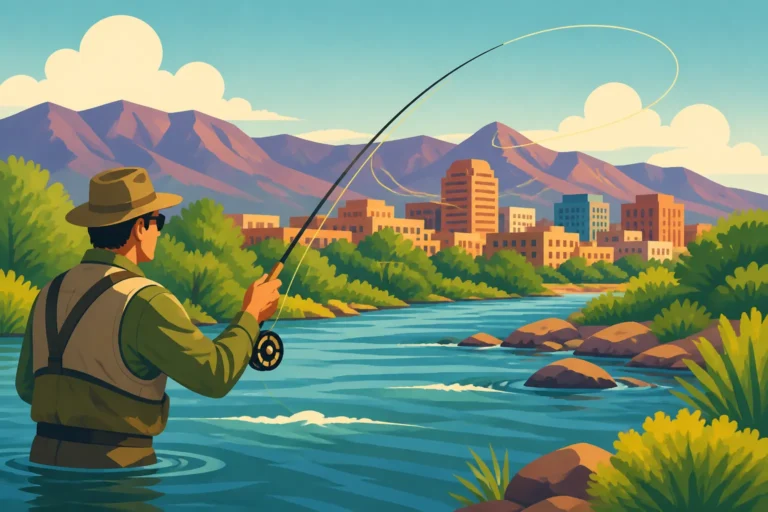
For many anglers living in or visiting central New Mexico, the quest for a rewarding fishing experience often points them north or south to larger, more renowned waters. But right in our backyard, often overlooked, lies Cochiti Lake – a massive reservoir near the Rio Grande that presents its own unique set of challenges and triumphs. This guide is dedicated to shedding light on how to successfully navigate the waters of Cochiti Lake, helping you understand its prime species, effective techniques, and crucial regulations to make your next trip a memorable one.
Discovering Cochiti Lake A Central New Mexico Gem
Cochiti Lake is not just another body of water; it’s a significant part of the New Mexico landscape, created by the U.S. Army Corps of Engineers primarily for flood control on the Rio Grande. But its purpose has expanded over the decades, becoming a vital recreational hub for boating, camping, and, of course, fishing. What makes Cochiti unique among New Mexico's larger reservoirs is its distinct character – particularly its substantial no-wake zone and the surrounding Cochiti Pueblo lands, which inform its access and atmosphere.
The lake itself is an impressive sight, sprawling out across 1,200 acres at its conservation pool level, with a winding shoreline that offers a variety of habitats for fish. Situated conveniently between Albuquerque and Santa Fe, it's an accessible option for a quick day trip or a relaxing weekend getaway. Many anglers, used to the fast-paced action of other lakes, might initially find Cochiti's slower pace a bit surprising, but it's precisely this tranquility, combined with its diverse fish populations, that makes it so appealing once you get to know its rhythms.
Lake Overview and Geography
Cochiti Lake is nestled within the beautiful, high-desert landscape of New Mexico, located approximately 50 miles north of Albuquerque and 30 miles southwest of Santa Fe. Its location off I-25 makes it remarkably easy to reach, yet once you arrive, you feel a world away from the hustle and bustle of city life. The lake is fed primarily by the Rio Grande, though much of its water is diverted for other uses before it reaches the lake, relying heavily on seasonal runoff and precipitation.
The lake’s geography is varied, offering everything from rocky points and submerged humps to sandy coves and vast, open water. The western side of the lake is bordered by the Cochiti Pueblo, adding a cultural layer to the natural beauty. The eastern side, managed by the Army Corps of Engineers, provides public access with campgrounds and boat ramps. Understanding this topography is crucial for anglers, as different fish species will gravitate toward specific types of structure and depth, depending on the season and time of day.
Recreational Opportunities Beyond Fishing
While fishing is undoubtedly a major draw, Cochiti Lake offers a range of other recreational activities that make it a fantastic destination for families or for those who simply want to enjoy the outdoors. The lake is well-known for its extensive no-wake zones, which create a peaceful environment perfect for kayaking, stand-up paddleboarding, and sailing. This also means that anglers in smaller boats or those preferring to fish from the bank will find a calm, uncrowded experience, a stark contrast to some of New Mexico's busier, high-speed boating lakes.
Cochiti Lake also boasts well-maintained campgrounds, including Cochiti Campground and Tetilla Peak Campground, offering amenities like restrooms, showers, and picnic areas. These sites provide a great base for a multi-day fishing trip, allowing you to wake up just a stone's throw from the water. Hikers can explore the trails around the lake, enjoying panoramic views of the water and the surrounding mesas, while birdwatchers will appreciate the diverse avian life that frequents the lake's shores and inlets.
Prime Fish Species and What to Expect
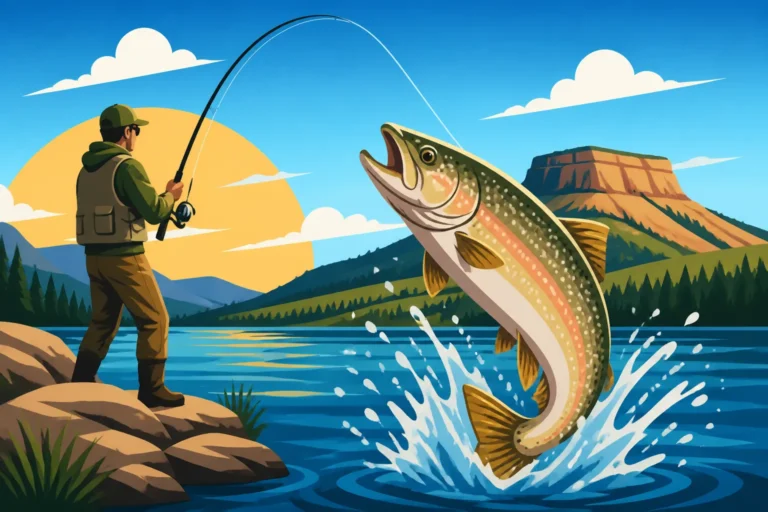
Cochiti Lake is a warm-water fishery, meaning it's primarily home to species that thrive in warmer temperatures, though some of its deeper pockets can provide refuge for certain fish during the hotter months. Anglers visiting Cochiti will find a healthy population of game fish, making it a diverse and exciting challenge. From the hard-fighting smallmouth bass to the coveted walleye, and the ever-present panfish, there's something for every type of angler.
Understanding the habits and preferred habitats of these species is key to a successful outing. Unlike a trout stream where the target is often singular, Cochiti offers a variety of targets, allowing you to switch tactics if one species isn't biting. It’s a great lake for honing your skills across different techniques, whether you’re casting lures for bass, jigging for walleye, or simply enjoying a relaxing day catching panfish with the kids.
Walleye The Elusive Prize
Ah, the walleye. For many New Mexico anglers, this toothy predator represents the ultimate prize, and Cochiti Lake is one of the state's premier walleye fisheries. Catching a walleye at Cochiti can be challenging, but the reward — a delicious meal and a satisfying fight — is well worth the effort. These fish are known for their keen eyesight and preference for low-light conditions, often making them most active at dawn, dusk, or even after dark.
Walleye typically prefer deeper, cooler water, congregating around submerged structures, points, and humps. During the spring spawn, they might move into shallower, rocky areas, offering a brief window for easier access. Popular methods for targeting walleye include trolling with crankbaits or spinner rigs, especially in open water, or jigging with soft plastics or minnows near structure. If you're looking for an experienced guide to navigate Cochiti's waters, services listed on platforms like FishingBooker can be incredibly helpful for locating these elusive fish, especially if you're new to the lake. Many local guides can pinpoint productive spots and share insights into current patterns. For more general insights into Walleye Fishing in New Mexico, checking out our dedicated guide can provide a solid foundation.
Smallmouth Bass Pound-for-Pound Fighters
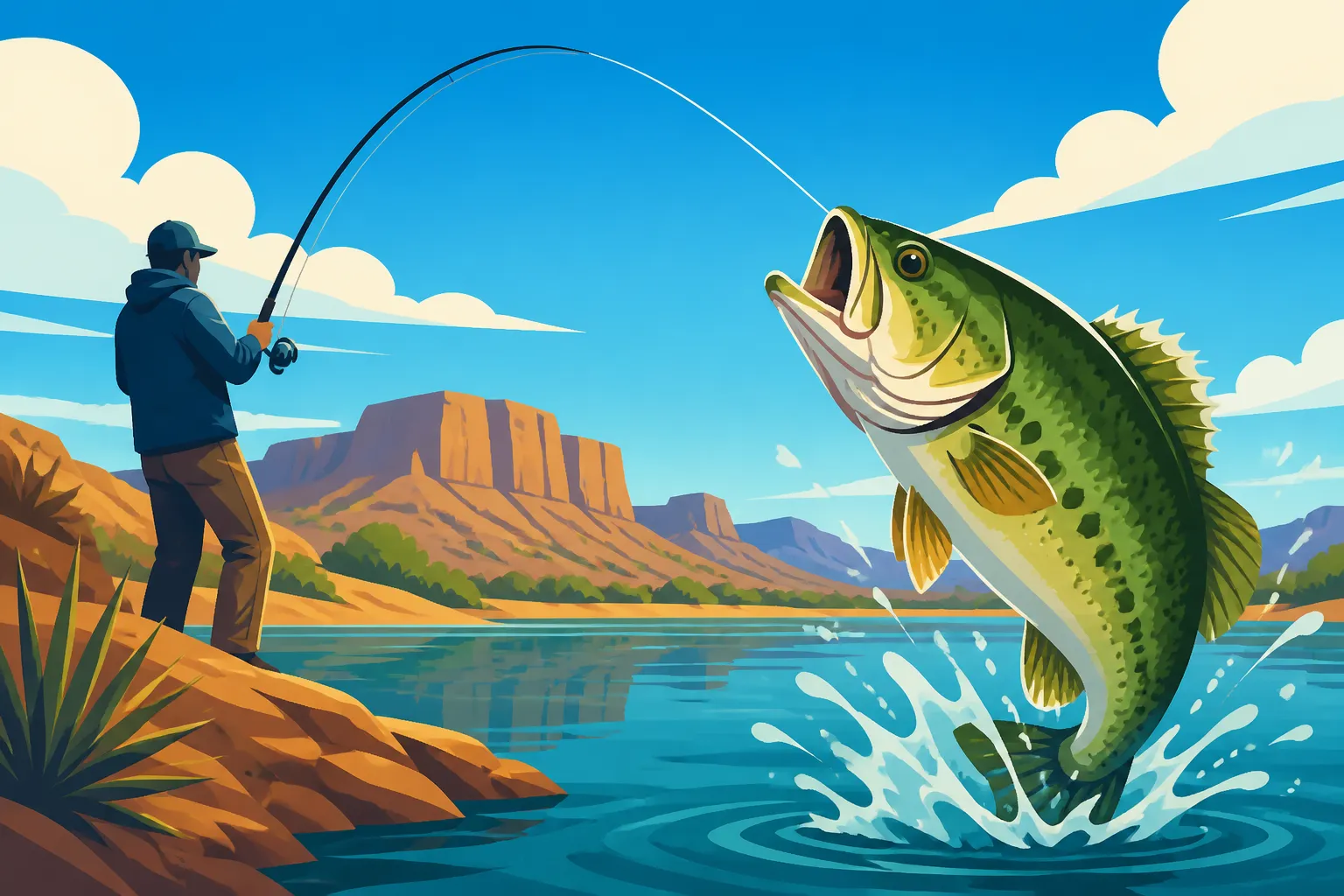
If you love a good fight, the smallmouth bass at Cochiti Lake will not disappoint. These muscular fish are renowned for their aggressive strikes and aerial acrobatics, making them a favorite among many anglers. Smallmouth bass thrive in clear, rocky environments, and Cochiti's varied shoreline, with its numerous rock piles, ledges, and riprap, provides ideal habitat for them. You'll often find them lurking near these structures, ready to ambush unsuspecting prey.
During warmer months, smallmouth bass can be found throughout the lake, but especially around the dam face, rocky points, and submerged timber. Topwater lures like poppers and walk-the-dog baits can be incredibly exciting at dawn and dusk. As the sun rises higher, switching to crankbaits, jigs, or soft plastics that mimic crawfish or baitfish can be very effective. Drop-shotting or Carolina rigging soft plastics around deeper rock piles are also proven techniques. For those interested in deeper dives on these tactics, our guide on Smallmouth Bass Fishing in New Mexico offers comprehensive advice.
Panfish Perfection Crappie and Bluegill
For a more relaxed day on the water, or if you're introducing kids to the joys of fishing, Cochiti's panfish populations—crappie and bluegill—are an excellent target. These species are abundant, relatively easy to catch, and provide consistent action, making them perfect for building confidence and creating lasting memories. Plus, they make for some mighty fine table fare!
Crappie at Cochiti typically school around submerged brush, timber, and deeper creek channels. They can be caught using small jigs, minnows, or even tiny crankbaits, often suspended under a bobber. Springtime finds them moving into shallower waters for spawning, making them easier to locate. Bluegill, on the other hand, are often found closer to the shoreline, especially around docks, weed beds, and overhanging vegetation. They readily strike small worms, crickets, or even tiny artificial flies. A simple setup with a bobber, a small hook, and a bit of bait is usually all it takes to have a fantastic time catching bluegill. Our comprehensive article on Crappie Fishing in New Mexico can offer even more specific strategies for these delightful panfish.
Top Techniques and Seasonal Strategies
Fishing Cochiti Lake successfully means understanding its seasonal changes and adapting your techniques accordingly. The lake’s temperament shifts throughout the year, influenced by water temperature, fish spawning cycles, and feeding patterns. What works in spring might be completely ineffective in the heat of summer. Staying flexible and observant are key qualities for any Cochiti angler.
Whether you're a seasoned pro or just starting out, being mindful of these seasonal nuances will significantly increase your chances of a productive day. It's not just about what bait you use, but when and where you present it. Many local anglers, some available through sites like FishingBooker, specialize in these seasonal patterns and can provide invaluable insights tailored to the current conditions.
Spring Awakening the Bite
Spring is arguably one of the most exciting times to fish Cochiti Lake. As water temperatures begin to rise from their winter lows, fish become more active, moving out of their deeper winter haunts and closer to shorelines to feed and prepare for spawning. This is prime time for both walleye and bass.
In early spring, focus on sun-drenched northern coves and shallow flats where the water warms up first. Walleye will begin their pre-spawn migration, often found in rocky areas or around submerged points. Trolling with shallow-running crankbaits or casting blade baits can be very effective. For smallmouth bass, look for them staging near rocky drop-offs and structure. Jigs, crankbaits, and even spinnerbaits can entice aggressive strikes as they become more active. Panfish will also start to move shallower, making them accessible to bank anglers. Understanding the New Mexico Fishing Season Dates and Limits is important here, especially regarding any species-specific regulations.
Summer Deep Water and Early Mornings
Summer at Cochiti Lake brings its own set of challenges, primarily the increasing water temperatures which often drive fish into deeper, cooler water during the day. This doesn't mean fishing shuts down, but it does require a shift in strategy. Early mornings and late evenings become the golden hours for active feeding, with night fishing also proving highly productive for certain species.
During the hottest parts of the day, walleye will often retreat to the deepest parts of the lake or stack up on thermoclines if present. Vertical jigging with spoons or heavy jigs, or deep trolling with downriggers and large crankbaits, are effective methods. Smallmouth bass will relate to deep rock piles, ledges, and submerged timber. Carolina rigs, drop shots, and deep-diving crankbaits can reach these fish. For panfish, look for them concentrated around brush piles or under shade structures like docks. Fishing during monsoon season in New Mexico can also present unique challenges and opportunities, so keep an eye on weather patterns.
Fall Feeding Frenzy Before Winter
As autumn arrives and water temperatures begin to cool, Cochiti Lake experiences another surge of activity as fish enter a pre-winter feeding frenzy. This is a fantastic time for aggressive bites and potentially catching some of the largest fish of the year, as they fatten up for the leaner winter months. The cooler, more stable weather also makes for a more comfortable fishing experience.
Walleye become particularly active, moving shallower again, though still relating to structure. Trolling with crankbaits or casting larger jigs can be highly productive. Smallmouth bass will be aggressively feeding, often chasing baitfish schools. Spinnerbaits, jerkbaits, and various soft plastics that mimic shad or crawfish can trigger fierce strikes. Fall is also a great time for panfish, as they group up and provide consistent action. The colors of the surrounding landscape, combined with the active bite, make fall fishing at Cochiti an incredibly enjoyable experience. For general strategies, consider consulting our guide on the Best Time of Year to Fish in New Mexico.
Access, Amenities, and Boating at Cochiti
Getting to and navigating Cochiti Lake is relatively straightforward, but there are specific considerations regarding access points, boating regulations, and available amenities that anglers need to be aware of. The lake is managed to balance recreation with its primary flood control function, leading to certain rules and facilities designed to ensure safety and preserve the environment.
Understanding these logistical details before you go can save you time and hassle, ensuring your focus remains on the fishing. From boat ramp availability to bank fishing spots and overnight options, knowing what to expect will help you plan a seamless and enjoyable trip to this central New Mexico reservoir.
Public Access Points and Bank Fishing
Cochiti Lake offers several public access points, making it a feasible destination even if you don't have a boat. The main recreational area, managed by the U.S. Army Corps of Engineers, provides developed access. You'll find designated areas for bank fishing that are popular for catching panfish, catfish, and sometimes even bass, especially during the spring and fall.
The shoreline near the main dam and along the eastern side of the lake offers good opportunities for shore anglers. Look for areas with a mix of rocks and vegetation, which provide cover and feeding grounds for fish. Remember to respect all posted signs, especially concerning Cochiti Pueblo lands, where access might be restricted. Always pack out what you pack in to keep these beautiful areas pristine. Information on how to get to these locations, along with specific recommendations, can often be found through local tackle shops or online fishing forums.
Boating Regulations and Ramps
Boaters will find Cochiti Lake to be a unique experience due to its significant no-wake zones. This means that large portions of the lake are restricted to slow speeds, which creates a peaceful atmosphere but also requires different boating strategies. Always observe the posted signs and buoys regarding wake zones and speed limits.
There are several boat ramps available at Cochiti Lake, typically located within the Army Corps of Engineers recreational area. These ramps are generally well-maintained and suitable for various types of watercraft. Before launching, ensure your boat is properly registered with the state of New Mexico. Our in-depth New Mexico Boat Registration and Titling Guide covers all the necessary steps and requirements, from fees to required safety equipment. While on the water, always carry required safety gear, including life jackets for all occupants, and be mindful of other recreational users.
Camping and Nearby Accommodations
For those planning a multi-day fishing adventure, Cochiti Lake offers excellent camping facilities. The Cochiti Campground, located on the eastern shore, provides numerous campsites with amenities such as restrooms, showers, and picnic tables. Many sites offer electric hookups, making it comfortable for RVs and trailers, while tent campers can find secluded spots to enjoy the quiet surroundings.
For anglers looking for a bit more comfort than camping, there are limited accommodation options in the immediate vicinity of Cochiti Pueblo. However, the cities of Santa Fe and Albuquerque are within a reasonable driving distance, offering a wide range of hotels, motels, and vacation rentals. Opting for a hotel in one of these cities might be a good choice if you prefer modern conveniences after a long day on the water, while still allowing for easy access to the lake each morning.
Navigating New Mexico Fishing Regulations
Fishing in New Mexico, including at Cochiti Lake, requires adherence to specific regulations set forth by the New Mexico Department of Game and Fish (NMDGF). These rules are in place to conserve fish populations, manage ecosystems, and ensure fair fishing for everyone. It’s absolutely critical to understand and follow these guidelines to avoid penalties and contribute to the sustainability of our fisheries.
Many anglers find regulations confusing or overwhelming, but with a little research, they become much clearer. Always carry your current fishing license and be familiar with bag limits, special rules, and any specific requirements for particular waters. Ignorance of the law is never an excuse, so taking the time to educate yourself is an essential part of being a responsible angler.
Cochiti-Specific Rules and Special Considerations
While Cochiti Lake generally follows statewide New Mexico fishing regulations, it's always wise to check for any specific nuances or temporary restrictions that might apply. Given its management by the U.S. Army Corps of Engineers and its proximity to Cochiti Pueblo, there might be unique considerations, such as specific access hours or rules regarding certain activities.
One primary consideration, as mentioned earlier, is the extensive no-wake zone across large parts of the lake. This isn't strictly a fishing regulation, but it profoundly impacts how you fish and navigate the waters. There are typically no special trout water rules at Cochiti since it's predominantly a warm-water fishery, but always consult the latest NMDGF Fishing Rules and Information booklet for the most up-to-date details. You can usually find these booklets online or at any NMDGF license vendor.
Essential Licenses and Stamps
Before casting a single line into Cochiti Lake, you must possess a valid New Mexico fishing license. Both residents and non-residents need a license, and there are various options available depending on your age, residency status, and how long you plan to fish. You might need to purchase additional stamps or validations depending on your activities.
For instance, most anglers will need a New Mexico Habitat Stamp and Validation Requirements, which supports habitat improvement and access projects across the state. While often associated with hunting, this stamp is required for most fishing activities on federal and state lands. Juniors (under 12) may have exemptions, but it’s always best to verify. Our detailed New Mexico Fishing License Guide and New Mexico Resident Fishing License Options articles can walk you through all the necessary steps, ensuring you have the correct documentation for your trip.
Bag and Possession Limits
Adhering to bag and possession limits is a non-negotiable aspect of responsible angling. These limits dictate how many fish you can keep per day (bag limit) and how many you can have in your possession, including those at home or in your cooler (possession limit). These numbers vary by species and are designed to prevent overfishing and maintain healthy populations.
For warm-water species commonly found in Cochiti Lake, such as walleye, smallmouth bass, crappie, and bluegill, specific limits apply. For example, walleye typically have a statewide daily bag limit, often with a size restriction, while panfish like crappie and bluegill usually have more generous limits to encourage harvest. Always check the current New Mexico Warm Water Fish Bag Limits in the NMDGF regulations handbook before you go, as these numbers can change annually. It's a good habit to keep a copy of the regulations on your phone or printed out for quick reference while on the water.
Local Tips for a Productive Cochiti Trip
Beyond licenses and techniques, a truly productive fishing trip often hinges on local knowledge and preparation. Cochiti Lake, like any body of water, has its own personality, influenced by environmental factors, seasonal changes, and fish behavior. Tapping into these nuances can make the difference between a frustrating day and an unforgettable one.
Taking the time to do a little extra homework or seeking advice from those familiar with the lake can significantly boost your success rate. From understanding current conditions to knowing when to seek professional help, these tips are designed to enhance your overall Cochiti Lake fishing experience.
Monitoring Water Levels and Weather
Cochiti Lake’s water levels can fluctuate, especially as it's a flood control reservoir, and these changes can significantly impact fish behavior and access. Low water levels might expose new structure, making certain areas more productive, but can also make boat launching difficult or reveal hazards. High water levels might push fish into new areas or make bank access challenging. Before your trip, check the U.S. Army Corps of Engineers website or local news for current water level reports.
Weather also plays a crucial role. New Mexico's weather can be unpredictable, with strong winds, sudden thunderstorms, and intense sun. Wind can make boating and casting difficult, but it can also concentrate baitfish and activate predators. Always check the forecast before you head out and be prepared for changing conditions, bringing appropriate clothing and sun protection. Understanding how weather impacts fishing is a skill that comes with experience, but being aware of it is the first step.
Guide Services and Local Expertise
If you're new to Cochiti Lake or struggling to find fish, hiring a local fishing guide can be an invaluable investment. A good guide knows the lake intimately, including the best spots, current fish patterns, and effective techniques for the day. They can provide specialized gear, offer instruction, and save you countless hours of trial and error.
Platforms like FishingBooker can connect you with experienced, licensed guides who specialize in Cochiti Lake. Many of these guides offer trips specifically for walleye, bass, or panfish, catering to your preferred target species. Booking a half-day or full-day trip with a professional can fast-track your learning curve, show you where and how to fish, and dramatically increase your chances of catching fish. Plus, it's a fantastic way to enjoy the lake without the hassle of bringing all your own gear.
Protecting the Resource
As anglers, we have a responsibility to protect the precious natural resources that provide us with so much enjoyment. Practicing ethical angling ensures that Cochiti Lake remains a vibrant fishery for future generations. This includes adhering to all regulations, being mindful of your impact on the environment, and employing responsible catch-and-release practices when appropriate.
Always dispose of trash properly, avoid leaving behind fishing line or hooks, and be respectful of wildlife and other lake users. If you're practicing catch and release, especially for sensitive species or during warm water periods, handle fish gently, minimize their time out of the water, and use barbless hooks to reduce harm. Even for fish you plan to keep, understanding how to properly care for your catch can enhance its quality and taste. By being good stewards of the lake, we can all contribute to the long-term health and prosperity of Cochiti Lake's fishery.
| Fish Species | Preferred Habitat | Best Time to Target | Common Baits/Lures | Notes |
|---|---|---|---|---|
| Walleye | Deep, rocky points, submerged humps, creek channels | Spring (spawn), Summer (deep), Fall | Crankbaits, jigs, spinner rigs, minnows | Low-light feeders; challenging but rewarding. |
| Smallmouth Bass | Rocky shorelines, ledges, dam face, submerged timber | Spring, Summer, Fall | Crankbaits, jigs, soft plastics, topwater | Aggressive fighters; look for structure. |
| Crappie | Submerged brush, timber, creek channels | Spring (spawn), Fall | Small jigs, minnows, small crankbaits | Schooling fish; great for consistent action. |
| Bluegill | Shallow, vegetated areas, docks | Spring, Summer, Fall | Worms, crickets, tiny artificial flies | Excellent for kids and beginner anglers. |
| Channel Catfish | Deeper holes, muddy bottoms, river channels | Summer (night), Spring, Fall | Stink bait, cut bait, worms, chicken livers | Good fighters; active at night. |
Disclaimer
The information provided in this guide is for general informational purposes only and is subject to change. Fishing regulations, conditions, and access policies can vary. Always consult the latest New Mexico Department of Game and Fish regulations and local authorities before planning your trip to Cochiti Lake.