How Deep Is Elephant Butte Lake?
One of the biggest head-scratchers for anyone planning a fishing trip to Elephant Butte Lake, or even just checking in on this beautiful New Mexico gem, is figuring out its actual depth. It's a question that can spark anxiety, especially when you hear about fluctuating water levels, and it directly impacts where fish might be hiding and how you’ll need to adapt your techniques. This guide is here to shed light on Elephant Butte's ever-changing depths and what that means for your next angling adventure.
The Ever-Changing Depths of Elephant Butte Lake
Elephant Butte Lake is a magnificent and expansive reservoir, New Mexico’s largest by surface area, but its depth is far from a static number. Unlike a natural lake with relatively stable contours, a reservoir like Elephant Butte is a man-made system designed to store water, which means its depth is in constant flux. Understanding the dynamics behind these changes is crucial for any angler hoping to find success on its waters.
Understanding Maximum Capacity vs. Current Water Levels
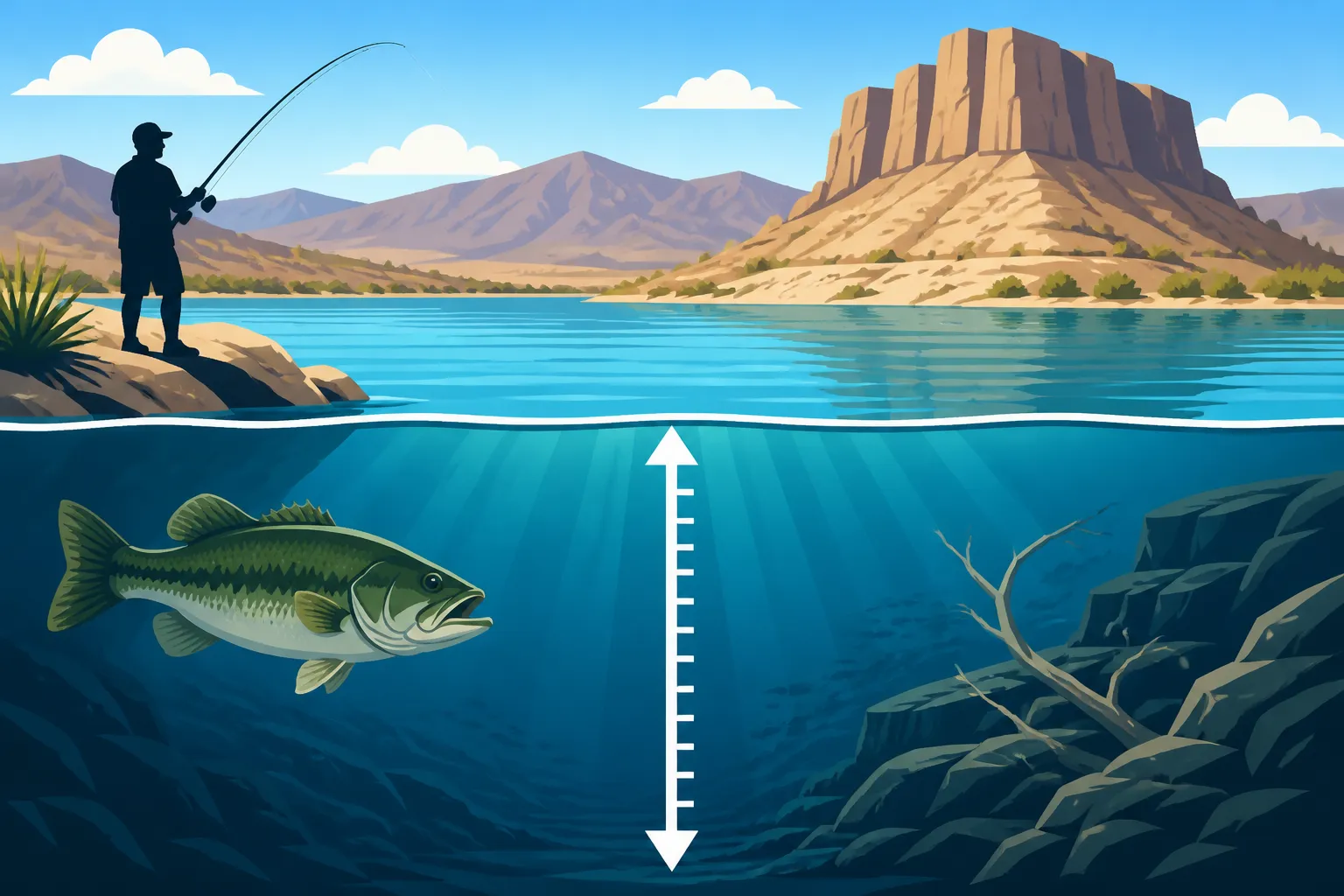
When people ask "how deep is Elephant Butte Lake?", they might be thinking of its maximum engineered depth, which refers to how deep the lake would be if it were completely full. Historically, Elephant Butte Lake, when at its full conservation pool, can reach depths exceeding 100 feet in certain areas, particularly near the dam and within the old river channel. This staggering depth is part of what makes it such a rich fishery, offering deep-water habitats for species like striped bass and walleye.
However, the reality for most of us is that Elephant Butte rarely sits at its absolute maximum capacity. What's far more relevant to anglers and boaters is the current water level, which dictates the actual, real-time depth you’ll encounter. This current depth can vary significantly, sometimes by dozens of feet, from season to season and even week to week. It means that a spot you fished last year might be completely dry, or conversely, a shallow flat could now be a deep productive channel. Always check the current Elephant Butte Lake Water Level Today before you head out, as this information is a game-changer for planning.
Factors Influencing Elephant Butte's Depth
Several critical factors play a role in the continuous rise and fall of Elephant Butte Lake's water levels, and therefore its depth:
- Snowpack in the Headwaters: The Rio Grande, which feeds Elephant Butte, originates in the high mountains of Colorado and northern New Mexico. The amount of snow that accumulates in these mountains during winter is a primary predictor of spring and early summer runoff. A strong snowpack generally means more water flowing into the lake, leading to higher levels and greater depths.
- Rainfall and Monsoon Season: While snowmelt is a major contributor, significant rainfall throughout the year, especially during the summer monsoon season, can also impact the lake's depth. Heavy localized storms can cause flash flooding in tributaries, quickly adding water to the reservoir. However, these events are often less predictable and can vary widely year to year.
- Dam Operations and Downstream Water Demands: Elephant Butte Dam is not just for recreation; it's a vital component of water management for agriculture and communities downstream. Water is regularly released from the dam to meet these demands, particularly for irrigating farmlands in southern New Mexico and even parts of Texas and Mexico. These releases can significantly draw down the lake's volume and depth, often at predictable times of the year. The U.S. Bureau of Reclamation manages these releases, and understanding their schedule can help you anticipate upcoming changes.
These factors combine to create a dynamic environment, making Elephant Butte Lake a fascinating, albeit sometimes challenging, place to fish. The constantly changing depths require anglers to be adaptable and informed.
Why Elephant Butte's Depth Matters to Anglers
The depth of Elephant Butte Lake is far more than just a number; it's a critical piece of information that dictates fish behavior, accessibility, and ultimately, your success on the water. Ignoring the current depth is like trying to navigate a new city without a map – you might get lucky, but you're probably going to get lost.
Impact on Fish Behavior and Location
Different fish species react to depth changes in unique ways, and understanding this can give you a significant advantage.
- Striped Bass and Walleye: These are often deep-water dwellers, especially during the warmer months. When the lake is full, they have access to vast expanses of deeper, cooler water where they can hunt baitfish like shad. As water levels drop, these deep-water zones shrink, concentrating fish in fewer, sometimes more predictable, areas. Conversely, a rapidly rising lake can flood new vegetation, attracting baitfish and then predators. Knowing the typical depths where you find Elephant Butte Lake Striped Bass Fishing or Elephant Butte Lake Walleye Fishing is crucial. For instance, when water is low, targeting deeper channels, old river beds, or main lake points might be more productive. When water is high, new flooded cover can create exciting shallow water opportunities.
- Largemouth and Smallmouth Bass: While these species also appreciate depth, they are often more associated with structure and cover. In a high lake, flooded trees, brush, and rock piles become prime real estate. As the lake recedes, these structures become exposed, forcing bass to move to new, deeper cover. Understanding the lake's historical contours, even if they are currently submerged or exposed, can help you predict where these fish might relocate. Look for underwater humps, old roadbeds, or submerged brush piles that become prominent at certain depths.
- Baitfish Movement: The depth affects the entire food chain. Baitfish like shad will move in response to water levels, seeking out plankton, cover, and comfortable temperatures. Predators like stripers and walleye will follow. A quick change in depth can scatter baitfish or push them into tight schools, drastically altering feeding patterns. Knowing how to interpret these movements can lead you to hot fishing spots.
You can often find local fishing reports or even hire a guide through services like FishingBooker who can provide real-time insights into how the current depths are affecting fish patterns.
Navigational Challenges and Safety
Beyond fish behavior, fluctuating depths at Elephant Butte Lake present serious navigational challenges and safety concerns for boaters.
- Submerged Hazards: When the lake is low, areas that were once safe to navigate might expose dangerous underwater rocks, stumps, or sandbars. These hazards can appear suddenly and cause significant damage to your boat's prop or hull, or even lead to accidents. Always exercise extreme caution, especially when operating in unfamiliar areas or when water levels are significantly down. Many boat ramps may also become unusable or require four-wheel drive access.
- Reduced Access: Lower water levels often mean that popular boat ramps may become too shallow to launch, limiting access points. This can funnel boaters to fewer ramps, leading to congestion. Knowing which Elephant Butte Lake Boat Ramps and Marinas are currently open and accessible is vital. Some areas might even become completely cut off from the main body of water, turning into isolated ponds.
- Planning Your Route: Experienced boaters on Elephant Butte learn to "read" the water and pay close attention to depth finders. Creating a mental map (or using a reliable GPS with updated charts) of the lake's contours and potential hazards is essential. If you’re planning a trip, consider booking a charter through FishingBooker to leverage a local captain’s knowledge of safe navigation, especially if water levels are unusually low or high.
Always prioritize safety. Wear your life jacket, let someone know your float plan, and constantly monitor your surroundings, especially when running at speed.
Tracking Current Water Levels and Predicting Depth
With so much riding on the lake's depth, knowing where to find reliable, up-to-date information is paramount for any angler or boater planning a trip to Elephant Butte Lake. Guessing can lead to wasted time, frustration, or even dangerous situations.
Reliable Sources for Real-Time Data
Fortunately, several excellent resources provide current water level data for Elephant Butte Lake:
- U.S. Bureau of Reclamation (USBR): This is often the most authoritative source. The USBR operates the dam and maintains detailed records of water levels, inflows, and outflows. Their website typically features real-time data, including feet above sea level, percentage of capacity, and historical averages. This data is updated frequently, making it indispensable for anglers. Look for their "Elephant Butte Reservoir" page, which usually has charts and tables.
- United States Geological Survey (USGS): The USGS provides streamflow and lake level data for many bodies of water, including the Rio Grande and Elephant Butte Lake. Their "National Water Information System" is a robust platform that offers historical data and current conditions, which can be great for understanding trends.
- New Mexico Department of Game and Fish (NMDGF): While not providing real-time depth, the NMDGF often includes general water level updates in their weekly fishing reports, especially concerning accessibility and fishing conditions. This can complement the raw data from federal agencies by adding an angler's perspective.
- Local Marinas and Bait Shops: Don't underestimate the value of local knowledge! Marinas like those at Elephant Butte State Park or local bait and tackle shops often have the most practical, ground-level information. They can tell you which ramps are open, where the water is low, and how the fish are reacting. A quick phone call can save you a lot of trouble.
- Fishing Apps and Websites: Many popular fishing apps and community-driven websites incorporate water level data into their platforms. While convenient, always cross-reference with official sources to ensure accuracy. When looking for guides, check FishingBooker, as their local captains are usually acutely aware of current conditions.
Interpreting Water Level Reports for Fishing Success
Just getting the numbers isn't enough; you need to understand what they mean for your fishing.
- "Feet Above Sea Level" vs. "Percentage Full": Most reports will give you the lake's elevation in feet above sea level. You can compare this to the dam's maximum elevation to get a sense of how full the lake is. Some reports also provide a "percentage of capacity" figure, which is easier to grasp at a glance. For example, if Elephant Butte is at 10% capacity, you know you'll be dealing with very low water and significantly reduced depths.
- Rate of Change: Pay attention not just to the current level, but to how quickly it's changing. Is the lake rising or falling rapidly?
- Rising Water: A rising lake, especially during spring runoff, often pushes fish into newly flooded vegetation. This can create excellent shallow-water opportunities for bass and even stripers, as baitfish move into the new cover. Look for flooded grass, brush, or trees.
- Falling Water: A falling lake typically concentrates fish into remaining channels, deeper structures, or around the last available cover. It can also make fish more wary due to increased boat traffic in confined areas. Focus on drop-offs, submerged points, and the edges of exposed structures.
- Historical Context: Looking at historical averages for a specific time of year can help you gauge if the current level is unusually high, low, or typical. This gives you a better baseline for predicting conditions. For example, if it's June and the lake is at a level usually seen in October, you'll know to expect shallower conditions than normal for summer.
By diligently checking these sources and understanding what the numbers signify, you can make much more informed decisions about where to fish, what techniques to use, and how to stay safe.
Adapting Your Fishing Strategy to Fluctuating Depths
Fishing Elephant Butte Lake successfully means being a chameleon – you've got to adapt to its ever-changing conditions, especially its depth. What worked last week might not work today if the water level has shifted. This flexibility is key to consistent success on this dynamic reservoir.
Adjusting Lures and Techniques for Varying Depths
The lures and techniques you employ should directly correlate with the depth you're targeting.
- Deep Water Strategies (Lower Water Levels or Targeting Deep Fish):
- Jigging Spoons and Blade Baits: These are excellent for vertical presentations, mimicking dying baitfish as they flutter down. They're particularly effective for suspended striped bass or walleye holding on deep structure. Drop them directly over marked fish or along deep channel edges.
- Deep Diving Crankbaits: When fish are holding to deeper ledges or points (20-30+ feet), large-lipped crankbaits can reach these depths. Choose models that are designed to dive to specific ranges, like a Strike King 6XD or a Rapala DownDeep Husky Jerk.
- Live Bait Rigs: For stubborn deep-water fish, live bait such as shad, minnows, or even nightcrawlers (for catfish or walleye) can be irresistible. Use a dropshot rig, Carolina rig, or a simple weight-and-hook setup to present your bait right in the strike zone.
- Heavy Jigs and Plastic Worms: For bass holding tight to deep cover or rock piles, a heavy jig (3/4 oz to 1 oz) with a bulky trailer or a Texas-rigged plastic worm can punch through brush and explore crevices.
- Trolling: For open-water species like striped bass or walleye, trolling can be highly effective, especially with downriggers or lead core line to reach precise depths with spoons, crankbaits, or live bait. This is a common tactic for Best Time of Year to Catch Striped Bass at Elephant Butte in the summer.
- Shallow Water Strategies (Higher Water Levels or Targeting Active Fish):
- Topwater Lures: When the lake is high and flooding new vegetation, topwater baits like poppers, walking baits, or buzzbaits can be explosive for bass. Look for calm mornings or evenings around flooded brush.
- Spinnerbaits and Bladed Jigs: These are excellent for covering water quickly in shallower, cover-rich environments. They push a lot of water and can trigger reaction strikes from bass and even aggressive stripers.
- Weightless Worms and Flukes: For finesse presentations around sparse cover or in clearer water, a weightless soft plastic like a Senko or a Fluke can be deadly. These baits have a natural fall that often entices strikes.
- Swimbaits: Paddle-tail swimbaits, either weighted or unweighted, can imitate baitfish swimming through flooded grass or along shallow points. They are versatile and can be fished at various speeds.
- Fly Fishing: While less common on Elephant Butte's main lake, in certain back coves or shallower areas during high water, fly fishing with streamers or poppers could be an option for bass, if the water offers sufficient clarity and access.
Finding Productive Fishing Spots at Different Depths
Knowing where to look is half the battle. Elephant Butte’s topography dictates where fish will hold at different depths.
- Main Lake Points and Submerged Humps: These are classic fish magnets. At any depth, points extending into the main lake or underwater humps offer ambush positions and access to both deep and shallow water. As water levels change, the "sweet spot" on these structures will shift. Use your fish finder to identify the current drop-off or breakline.
- Old River Channels: The original Rio Grande channel winds its way through the lakebed. This channel, sometimes marked by abrupt depth changes, serves as a major thoroughfare and holding area for deep-water species. When the lake is low, these channels become more prominent.
- Flooded Timber and Rock Piles: These provide crucial cover and structure for bass and other species. In high water, extensive timber stands might be flooded. In low water, these areas might become exposed, forcing fish to move to nearby, deeper wood or rock. Pay attention to maps that show historical submerged features.
- Coves and Feeder Creeks: These areas are particularly sensitive to depth changes. In high water, coves can offer protected, productive fishing. In low water, they might become completely dry or too shallow to navigate. Creek channels leading into the main lake can also be prime fishing spots, especially if they offer consistent flow or deeper water.
- Shoreline Access: For bank anglers, depth changes can significantly impact what's accessible. What was once a deep drop-off might become a vast, muddy flat. Conversely, new areas might become accessible. Checking out some Best Bank Fishing Spots on Elephant Butte Lake can give you an idea of areas that generally remain productive from shore despite fluctuations.
Remember, fishing reports are your friend, but so is personal observation. If you see baitfish flickering on the surface, or birds diving, chances are there's something interesting happening beneath the surface, regardless of depth. A local guide found through FishingBooker would also be invaluable for navigating the lake's current state.
Here’s a quick overview of how depths might influence your approach:
| Current Water Level State | Typical Depths | Impact on Fish & Fishing | Navigational Considerations | Recommended Strategies |
|---|---|---|---|---|
| High / Rising | 40-100+ ft+ | Fish spread out, explore new flooded cover. Baitfish move shallow. | Excellent ramp access. Fewer hazards. | Topwater, spinnerbaits in flooded areas. Target new cover. |
| Normal / Stable | 25-70 ft | Fish predictable, follow usual patterns around structure. | Good to excellent ramp access. Map known hazards. | Versatile approach, focus on main lake points, channels. |
| Low / Falling | 10-40 ft | Fish concentrated in deeper channels, remaining cover. Can be stressed. | Limited ramp access. Many exposed/submerged hazards. Extreme caution needed. | Deep jigging, live bait, trolling in deeper areas. Target old riverbeds. |
| Very Low | < 10 ft | Fish highly concentrated, possibly stressed. Limited areas. | Very limited or no ramp access. Numerous dangerous hazards. | Target deepest available water, focus on small areas. Finesse techniques. |
Being a successful angler at Elephant Butte Lake is about continuous learning and adaptability. Embrace the challenge of its fluctuating depths, and you’ll unlock some incredible fishing experiences.
Disclaimer
The information provided in this guide is for general informational purposes only and is subject to change. Water levels and fishing conditions can vary significantly due to environmental factors, dam operations, and weather. Always consult official sources for the most current data and adhere to all local regulations and safety guidelines before planning any fishing or boating activity.