How to Get to the San Juan River Quality Waters
For many anglers, the dream of hooking into a trophy trout in crystal-clear waters is a powerful draw, and few places in the American Southwest deliver on that promise quite like the San Juan River Quality Waters in New Mexico. But if you've never been, figuring out exactly how to get to this legendary fishery, where to park, and what to expect upon arrival can feel a bit daunting. This guide is designed to cut through that confusion, providing you with all the detailed directions and practical advice you need to plan your successful journey to one of the most celebrated trout streams in the country.
Understanding the Allure of the San Juan River Quality Waters
Before we dive into the nitty-gritty of navigation, let’s talk about why the San Juan River Quality Waters holds such a hallowed place in the hearts of fly fishermen and conventional anglers alike. It’s not just a river; it's an ecosystem meticulously managed to create an unparalleled fishing experience.
Why the Quality Waters are a Premier Destination
The term "Quality Waters" isn't just a fancy name; it signifies a specific, heavily regulated stretch of the San Juan River that begins immediately below Navajo Dam and extends downstream for about 3.75 miles. This unique environment is a result of the dam's tailwater effect, which releases consistently cold, nutrient-rich water from the bottom of Navajo Lake. This steady flow and temperature create an ideal habitat for trout, allowing them to grow exceptionally large and abundant. We’re talking about trout that average 16-18 inches, with many pushing 20 inches and beyond. Imagine casting your line and seeing multiple large trout actively feeding – it's a sight that gets your heart pumping! The sheer density of fish here is staggering, often cited as one of the highest concentrations of trout per mile in North America. This isn't just a place to catch fish; it's a place to experience world-class trout fishing in a truly unique setting, making the journey absolutely worthwhile. For those interested in the rules governing this special place, a deeper dive into the New Mexico Special Trout Water Rules is highly recommended.
Key Sections and Their Characteristics
The Quality Waters are typically divided into several distinct sections, each offering a slightly different fishing experience. Knowing these can help you plan where to focus your efforts once you arrive.
- The Braids: Located closest to the dam, the Braids are characterized by multiple, intertwining channels of shallow, often fast-moving water. This section is a favorite for wade fishermen, though the current can be strong. It’s teeming with fish and offers excellent sight-fishing opportunities on clear days. The downside is it can also be quite crowded, especially on weekends and during peak season.
- Texas Hole: Just downstream from the Braids, Texas Hole is legendary for a reason. It's a deep, wide pool where enormous numbers of trout congregate, often in plain sight. It's easily accessible and offers opportunities for both wade and drift boat anglers. Due to its fame, expect it to be one of the busiest spots on the river. Many anglers spend hours here, patiently working the seams and deep pockets.
- Upper, Middle, and Lower Sections (below Texas Hole): As you move further downstream, the river consolidates into a more traditional single channel, though still featuring plenty of riffles, runs, and deep pools. These sections are often accessed by drift boat, providing anglers a chance to cover more water and escape some of the bank-fishing crowds. Wade access becomes a bit more spread out here, requiring some walking, but it can reward those seeking solitude. Understanding these different sections helps you strategize your approach, whether you prefer the challenge of the Braids, the bounty of Texas Hole, or the peaceful drift downstream.
Navigating to the San Juan River Quality Waters from Major New Mexico Cities
Getting to the San Juan River Quality Waters involves a journey to the far northwestern corner of New Mexico. While it might seem remote, the routes are generally straightforward, leading you through some beautiful high desert and mountain landscapes.
From Farmington and the Immediate Area
If you're starting your trip from Farmington, New Mexico, you're in the best position for a quick drive to the Quality Waters. Farmington is the closest major town and serves as a natural gateway to this renowned fishery.
To get there from Farmington:
- Head east on US-64 E. You'll follow this highway for about 10-15 miles, passing through the community of Blanco.
- Look for the clearly marked turn-off for NM-511 N towards Navajo Dam. This will be on your left.
- Continue on NM-511 N. As you approach the dam area, you'll see signs directing you to the various access points for the Quality Waters. The drive from Farmington typically takes about 45 minutes to an hour, depending on traffic and how quickly you locate your specific access point. You'll pass through some lovely rural areas, often with views of the vast New Mexico landscape. Many local fly shops are located right around the dam, such as Abe's Fly Shop or the Bait Shack, which can also help point you in the right direction and provide up-to-the-minute fishing reports.
From Albuquerque and Santa Fe
For anglers coming from New Mexico's larger metropolitan areas like Albuquerque or Santa Fe, the trip is a bit longer but equally scenic.
From Albuquerque:
- Take I-25 N out of Albuquerque, heading towards Santa Fe.
- Just before Santa Fe, take US-285 N/US-84 N exit. You'll follow this north past Española.
- Continue on US-84 N past Chama, then merge onto US-64 W towards Farmington. This is a significant part of the drive, taking you through some stunning mountainous and high desert terrain.
- As you get closer to Farmington, you’ll then need to turn right onto NM-511 N towards Navajo Dam (the same turn-off mentioned above).
The total drive time from Albuquerque is typically around 3.5 to 4 hours. It’s a good idea to factor in a stop for gas and snacks along the way, perhaps in Española or Chama.
From Santa Fe:
- Take US-285 N/US-84 N out of Santa Fe, following the same route as above past Española and Chama.
- Merge onto US-64 W towards Farmington.
- Turn right onto NM-511 N towards Navajo Dam.
The drive from Santa Fe is slightly shorter, usually around 3 to 3.5 hours. Both routes offer plenty of opportunities to see the diverse beauty of northern New Mexico. It’s a long haul, but most anglers would agree that the promise of the San Juan’s legendary trout makes every mile worth it.
From Southern New Mexico Cities (e.g., Las Cruces)
If you're making the trek from points further south, like Las Cruces, be prepared for a full day's drive. The San Juan River Quality Waters is quite a distance from the southern reaches of the state.
From Las Cruces:
- You'll generally head north on I-25 N through Albuquerque and towards Santa Fe.
- From there, follow the directions listed above for Santa Fe, taking US-285 N/US-84 N, then US-64 W, and finally turning onto NM-511 N to Navajo Dam.
The total travel time from Las Cruces can easily be 6 to 7 hours or more, depending on traffic and stops. This means a very early start if you plan to fish the same day, or, more realistically, planning an overnight stay somewhere along the route or closer to the river. Many anglers from these areas choose to make a multi-day trip out of it, allowing ample time to enjoy the fishing without feeling rushed by the long drive. No matter where you're coming from, remember to check current road conditions, especially during winter months, as mountain passes can sometimes be affected by snow.
Getting Around Once You Arrive: Access Points and Facilities
Once you arrive in the vicinity of Navajo Dam and the San Juan River Quality Waters, the next step is understanding where to park, how to get to the water, and what amenities are available. The area is well-equipped for anglers, but a little pre-planning goes a long way.
Designated Parking and River Access Points
The New Mexico Department of Game and Fish (NMDGF) and the Bureau of Reclamation have developed several designated access points to help anglers reach the Quality Waters safely and efficiently. These are typically well-marked along NM-511 N.
- Texas Hole Parking Area: This is one of the most popular and easily identifiable access points. From the parking lot, a paved path leads directly down to the famous Texas Hole and the surrounding sections of the river. It offers excellent wade access, making it a favorite for many. Expect this lot to fill up quickly, especially on busy weekends.
- The Braids Parking: Located even closer to the dam, this parking area provides access to the upper, braided sections of the river. It's often a bit more rugged to get to the water's edge here, but it allows access to those prime, shallower feeding lanes.
- Cottonwood Campground/Day Use Area: Further downstream, this area offers additional parking and river access, particularly for those looking to fish the middle and lower sections of the Quality Waters. It’s a bit more spread out and can offer a quieter experience for wade anglers willing to walk a bit.
- Boat Ramps: For those with drift boats or rafts, there are specific put-in and take-out points below the dam. These allow anglers to float the entire Quality Waters section, covering ground that's otherwise difficult to reach on foot. If you're bringing a boat, make sure to check the specific regulations for motor use (generally restricted in the Quality Waters section). Knowing New Mexico Boat Registration for Anglers rules is essential before you launch.
It's crucial to park only in designated areas to avoid fines and ensure emergency vehicle access. Always be mindful of private property boundaries, which are usually clearly marked.
Essential Facilities and Services Nearby
The area around Navajo Dam, while rural, is geared towards supporting anglers. You'll find what you need to make your trip comfortable.
- Restrooms: Pit toilets are available at most of the major parking and access points, including Texas Hole and Cottonwood Campground.
- Fly Shops: Local fly shops like Duranglers (just across the border in Colorado, but a popular stop) or the smaller, locally-run shops right near the dam are invaluable resources. They offer everything from flies and tackle to local knowledge, guide services, and current fishing reports. They can also help you purchase your New Mexico Fishing License Guide or provide advice on the New Mexico Fishing Regulations Overview.
- Lodging and Camping: Navajo Lake State Park offers several campgrounds close to the river, including Cottonwood and Sims Mesa, which are popular for tents and RVs. There are also a few privately run lodges and cabins in the area, offering more amenities. If you're looking to book a guided trip or find accommodation, online services like FishingBooker can connect you with local guides who specialize in the San Juan and often have recommendations for nearby lodging.
- Food and Supplies: While there are limited food options directly at the dam, you'll find convenience stores with basic groceries and snacks. For more extensive supplies or restaurant meals, Farmington is your best bet. Always bring plenty of water, especially during warmer months.
Understanding Special Rules and Permits
The San Juan River Quality Waters is not just any fishing spot; it's a specially managed area with strict regulations designed to protect its exceptional trout fishery. Ignorance of these rules is not an excuse, and violations can lead to significant penalties.
- New Mexico Fishing License: Absolutely mandatory for anyone 12 years and older. You’ll also need a Habitat Management & Access Validation (commonly referred to as a Habitat Stamp) to fish on most public lands and waters in New Mexico, including the San Juan. You can easily purchase these online through the NMDGF website, at local vendors (like Wal-Mart or local sporting goods stores), or at fly shops near the river. For detailed information on costs, check out New Mexico Fishing License Costs Explained.
- Special Regulations: The Quality Waters is subject to specific rules that differ from general statewide regulations. These primarily include:
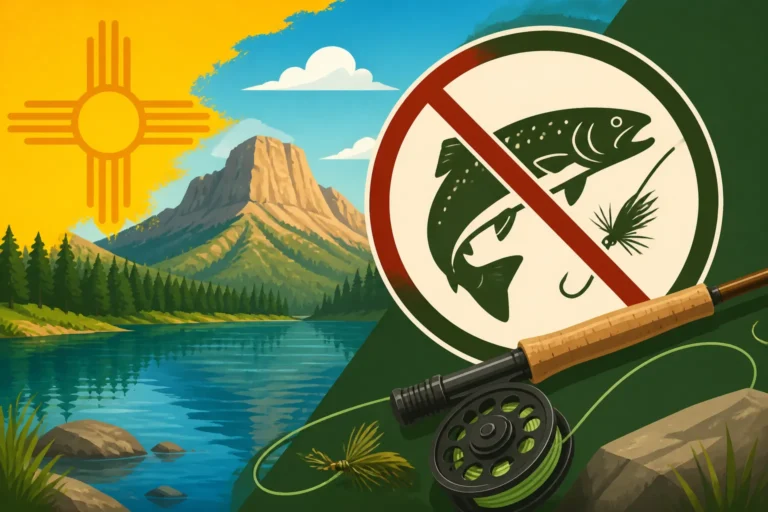
- Artificial Flies and Lures Only: No bait fishing is allowed. This means worms, PowerBait, salmon eggs, etc., are prohibited.
- Single, Barbless Hooks: All hooks must be single, and the barb must be crimped down or removed. This significantly increases the survival rate of released fish, which is crucial for maintaining the healthy population.
- Trout Bag and Possession Limit: The daily bag and possession limit for trout in the Quality Waters is 0 (zero). This means all trout caught must be immediately released back into the water unharmed. This catch-and-release mandate is why the fishery remains so vibrant and productive.
- Second Rod Validation: If you plan on fishing with two rods outside of the Quality Waters, you will need to purchase a New Mexico Second Rod Validation. However, within the Quality Waters, you're generally restricted to one rod and line, as per the focused nature of the fishery.
Always carry a copy of the current year's New Mexico Fishing Rules and Regulations, either a physical copy or readily accessible on your phone, to ensure you are compliant. These rules are in place to ensure the sustainability of this incredible resource for generations of anglers.
Practical Tips for a Smooth Trip to the San Juan
Making the most of your San Juan River Quality Waters trip involves more than just knowing how to get there and what permits you need. A few practical tips can significantly enhance your experience.
Best Times to Visit and What to Expect
The San Juan is a year-round fishery, but different seasons offer unique experiences and challenges.
- Spring (March-May): Can be fantastic, especially before the main runoff from snowmelt. Water flows are usually good, and fish are active. Expect variable weather, from sunny and warm to windy and chilly. The spring runoff, typically peaking in late May or early June, can make wading challenging or impossible in certain sections, but fish still feed.
- Summer (June-August): Popular due to warmer weather and vacation schedules. The river remains cold, providing a haven for trout. Early mornings and late evenings are often most productive as midday sun can make fish more wary. Expect crowds, especially on weekends and holidays.
- Fall (September-November): Many consider fall to be the prime season. The weather is generally pleasant, the crowds thin out slightly after summer, and the fish are actively feeding in preparation for winter. This is also when the leaves of the cottonwoods along the river turn golden, offering stunning scenery.
- Winter (December-February): For the hardy angler, winter can offer some of the most rewarding and peaceful fishing. The crowds are minimal, and while the fishing can be technical (often focusing on tiny midge patterns), the reward is often large, unpressured trout. Dress in warm layers; temperatures can be very cold, especially early mornings.
No matter the season, check local weather forecasts and river flow conditions before you head out. High flows can impact wading safety and fishing success.
Gear and Preparation Essentials
To truly enjoy the San Juan, having the right gear is crucial. The tailwater environment dictates specific needs.
- Waders and Wading Boots: Essential for getting into the river. Neoprene waders are great for colder months, while breathable waders are comfortable for warmer weather. Studded wading boots provide critical traction on the river's often slick, mossy rocks. If you’re unsure, our guide on Best Waders for New Mexico Rivers can help.
- Fly Rod and Reel: A 9-foot, 5-weight fly rod is a versatile choice for most situations on the San Juan. Pair it with a reliable reel that has a smooth drag. For more specialized techniques like nymphing, some anglers prefer a longer rod (e.g., 10-foot 4-weight). Check out our recommendations for Best Fly Rods for the San Juan River.
- Fly Line, Leaders, and Tippet: A weight-forward floating fly line is standard. You'll need tapered leaders (typically 9-12 feet) and an assortment of light tippet (4x to 6x, and even 7x for technical midge fishing) to match the selective nature of these trout.
- Flies: The San Juan is famous for its prolific midge and annelid (worm) populations. Must-have patterns include San Juan Worms (various colors), annelids, larva and pupa imitations of midges (zebra midges, top secret midges), small emergers, and various nymph patterns (egg patterns, flashback pheasant tails, brassies). For specific recommendations, refer to Fly Selection for New Mexico's San Juan River.
- Layered Clothing: The high desert climate can see significant temperature swings. Dress in layers that can be added or removed as conditions change.
- Polarized Sunglasses: Not just for eye protection, polarized lenses cut glare, allowing you to spot fish and subsurface structure much more easily.
- Net: A large, rubberized landing net is essential for safely handling and releasing the big trout caught here. Rubber nets are gentler on fish scales and slime coats.
- Other Essentials: Sunscreen, a wide-brimmed hat, plenty of water and snacks, a first-aid kit, and a camera to capture those memorable catches.
Engaging a Local Guide for Optimal Experience
For many first-timers, or even seasoned anglers looking to maximize their time, hiring a local guide for the San Juan Quality Waters is an investment that pays dividends.
- Local Knowledge: Guides spend countless hours on the river. They know current conditions, what flies are working, where the fish are holding, and how to present effectively. This expertise can save you hours of trial and error.
- Technique Refinement: The San Juan often requires precise techniques, especially with nymphing and midge fishing. A good guide can provide casting instruction, help with rigging, and fine-tune your presentation.
- Access and Logistics: Guides often have drift boats, allowing you to access sections of the river that are difficult or impossible to reach on foot. They handle all the shuttle logistics, gear, and sometimes even lunch. This can turn a complex trip into a seamless, enjoyable day.
- Safety: Navigating a moving river, especially in unfamiliar territory, carries inherent risks. A professional guide ensures your safety, especially when wading in stronger currents or boating.
Services like FishingBooker can be an excellent resource for finding and booking reputable guides for the San Juan River. You can browse different guide services, read reviews, and find a professional who fits your needs and budget. A guided trip can transform a good fishing day into an unforgettable one, especially on a world-class fishery like the San Juan Quality Waters.
Here's a quick reference table for key access points along the San Juan River Quality Waters:
| Access Point | Primary Access Type | Key Features | Amenities | Notes |
|---|---|---|---|---|
| The Braids | Wade | Shallow, braided channels; strong current; sight fishing | Parking, Pit Toilets | Closest to dam; can be crowded; challenging wading. |
| Texas Hole | Wade / Boat | Deep, wide pool; high fish concentration; iconic spot | Large Parking Lot, Pit Toilets, Paved Path to River | Very popular; often crowded; accessible for many skill levels. |
| Cottonwood CG | Wade / Boat | More spread out river sections; quieter wading | Parking, Pit Toilets, Camping, Boat Ramp | Good for those seeking more solitude; walk-in access to lower sections. |
| Kuschel Access | Wade / Boat | Offers additional spread-out access downstream | Parking | More secluded than upper sections; requires more walking for wade anglers. |
Disclaimer
Please note that fishing regulations, access points, and conditions can change. Always consult the most current New Mexico Department of Game and Fish regulations booklet or website before your trip to ensure you have the latest information and are properly licensed. Stay safe and enjoy your time on the water!