Where to Fish for Bluegill in New Mexico
Trying to figure out where to cast a line for some feisty bluegill in New Mexico can sometimes feel like a treasure hunt without a map. You might find yourself driving from lake to lake, wondering if the small pond you just passed held the secret to a great day of panfishing, or if you should have headed straight for the big reservoirs. It’s frustrating when you just want to relax and pull in some easy, fun fish, but the information feels scattered. This guide is here to give you that map, detailing exactly where to find those prolific bluegill across the Land of Enchantment, along with tips and tricks to make your next fishing trip a smashing success.
Understanding Bluegill in New Mexico's Waters
Bluegill are often the unsung heroes of freshwater fishing, especially here in New Mexico. They might not be the giants of the deep or the acrobatic jumpers, but they offer consistent action, are relatively easy to catch, and make for some delicious table fare. For many of us, bluegill were the very first fish we ever caught, sparking a lifelong love for angling. Their prevalence and cooperative nature make them an ideal target for anglers of all skill levels, from seasoned veterans looking for a relaxing day to parents introducing their kids to the joys of fishing.
Why Bluegill are a Great Target for Anglers
Let's be honest, sometimes you just want to catch fish. And bluegill deliver on that promise more often than not. They're incredibly abundant in many of New Mexico's waters, which means more bites, more excitement, and less waiting around. This makes them absolutely perfect for a family outing, as kids (and adults!) thrive on the constant tug on the line. Plus, they don't require fancy gear or intricate techniques, making the barrier to entry very low. A simple cane pole, a bobber, a hook, and some worms are often all you need to have a blast.
Beyond the sheer numbers and ease of catching, bluegill are also excellent fighters for their size. When hooked, they put up a spirited battle, especially the larger "bull" bluegill, which can be surprisingly strong. This provides a satisfying challenge without the need for heavy tackle. And let’s not forget their culinary appeal! Fried bluegill fillets are a classic, beloved dish, making your catch not just a fun experience, but a tasty reward as well. Many anglers specifically target them for their sweet, flaky white meat.
General Habitat Preferences of Bluegill
Bluegill, like many panfish, have pretty distinct habitat preferences that you can learn to recognize, which will significantly improve your chances of locating them. They are primarily a warm-water species, thriving in lakes, ponds, and slower sections of rivers where aquatic vegetation is abundant. Think shallow, sun-drenched areas with plenty of cover, like lily pads, submerged grasses, fallen trees, docks, or even dense brush along the shoreline. This cover serves multiple purposes: it provides refuge from predators, offers shade during hot summer days, and acts as a hunting ground for the small insects and crustaceans that make up their diet.
During spawning season, typically from late spring through summer when water temperatures are consistently in the mid-60s to low 70s Fahrenheit, bluegill become even more predictable. They'll congregate in shallow, sandy, or gravelly areas, often creating visible "beds" – circular depressions where they lay their eggs. These beds are usually close to shore, making them accessible even for bank anglers. Learning to spot these areas can lead to incredible fishing action. Look for subtle disturbances on the water's surface in these shallow zones, especially on calm days.
Identifying Bluegill vs. Other Panfish
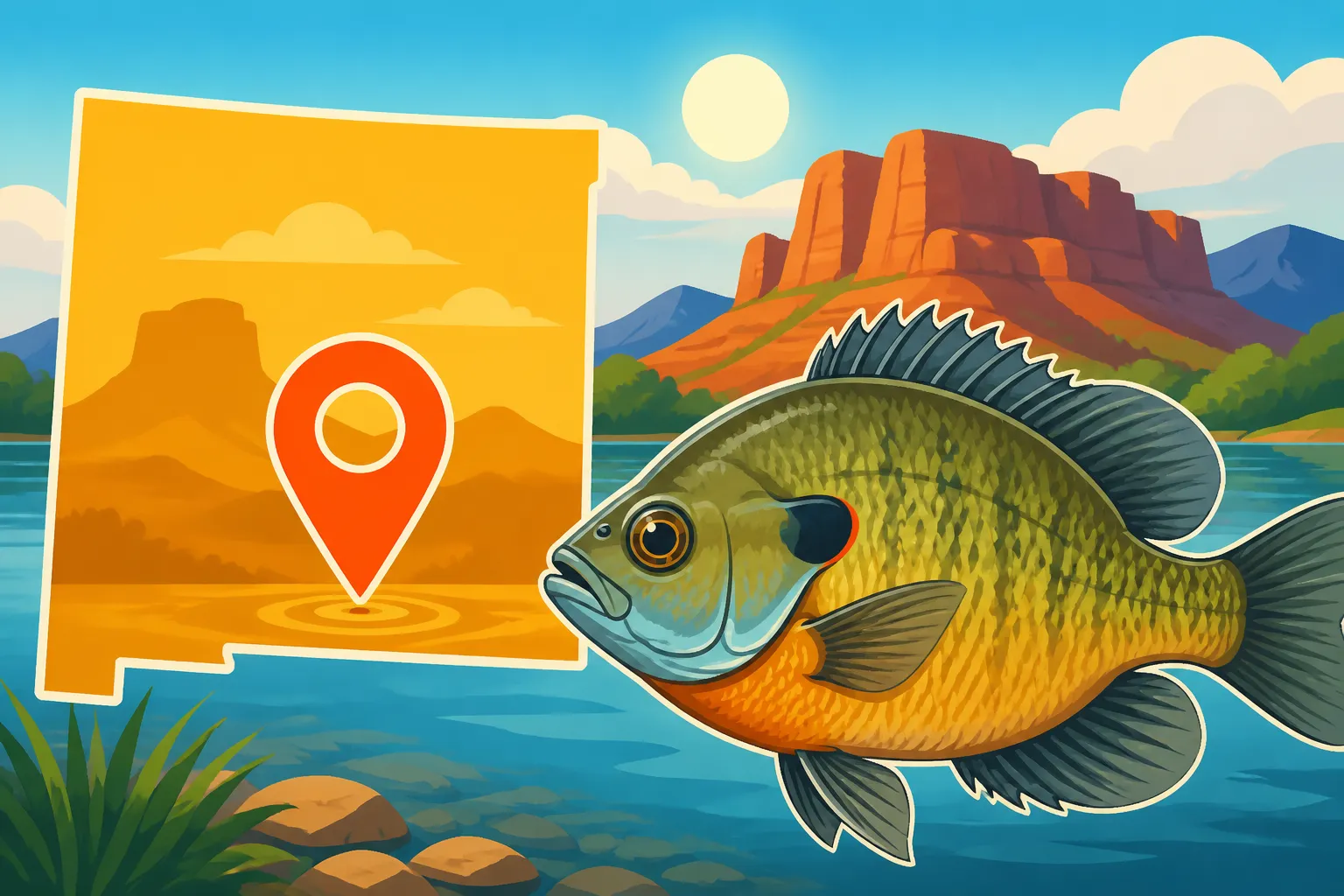
While often grouped with other panfish, bluegill have some distinct characteristics that help differentiate them from their cousins like crappie, sunfish, or even small bass. The most prominent feature is the small, dark blue or black "ear flap" on the gill cover, which is where they get their name. Their bodies are typically deep and slab-sided, with a small mouth that rarely extends past the front of the eye. Coloration can vary, but they generally have an olive-green back, yellowish sides, and a lighter belly. You'll often see several dark vertical bars along their sides, especially on younger or stressed fish, and sometimes an orange or reddish belly on males during spawning.
Compared to crappie, which have a more silvery, speckled appearance and a larger mouth, bluegill are generally smaller and more compact. Other sunfish species, like green sunfish or redear sunfish, can sometimes be confused with bluegill. Green sunfish tend to have a larger mouth and a more elongated body, with iridescent blue-green markings on their cheeks. Redear sunfish (also known as shellcrackers) are distinguished by a prominent red or orange margin on their operculum (gill cover). Knowing these key differences will help you correctly identify your catch and adhere to specific regulations if they differ by species.
Top Lakes and Ponds for Bluegill in New Mexico
New Mexico boasts a surprising number of excellent fishing spots, and many of them are prime bluegill territory. From the cooler, high-elevation lakes to the warmer, expansive reservoirs, bluegill thrive in various environments. The key is knowing which waters consistently produce good numbers and sizes of these popular panfish. When planning your trip, consider checking out some fishing reports on platforms like FishingBooker, which often include recent catches and conditions specific to bluegill.
Northern New Mexico Bluegill Hotspots
Northern New Mexico, often celebrated for its trout fisheries, also offers some fantastic bluegill opportunities, especially in its lower-elevation lakes and ponds. These areas often have ample vegetation and calmer waters, perfect for bluegill to thrive.
- Fenton Lake State Park: While primarily known for its trout, Fenton Lake also holds a population of bluegill that can provide a fun diversion, especially for kids. The lake's clear, spring-fed waters and abundant weed beds create excellent habitat. Bank fishing near the weed lines or from a small boat or kayak can yield good results. Remember to check local rules, as some sections might have specific bait or tackle restrictions.
- Abiquiu Lake: This large reservoir, fed by the Chama River, offers a mix of species, and bluegill can be found in its shallower coves and arms, particularly those with submerged brush or rocky structure. The warmer, protected areas tend to hold them, especially later in the spring and summer. Using a local guide found on services like FishingBooker might help you pinpoint those specific bluegill hideouts on such a vast body of water.
- Small Community Ponds: Many towns in northern New Mexico maintain small community ponds that are regularly stocked and often hold healthy populations of bluegill. Lakes like those in the Santa Rosa Lake State Park area can be excellent for a quick and easy fishing trip. These ponds are often designed with easy access for families, making them ideal for a relaxed afternoon. Always check with the New Mexico Department of Game and Fish (NMDGF) for specific stocking schedules and regulations for these urban and community fisheries.
Central New Mexico Opportunities
The central part of the state, particularly around the Albuquerque and Santa Fe areas, also has accessible bluegill fishing that's perfect for a spontaneous outing. These spots are often well-maintained and provide convenience for urban anglers.
- Tingley Beach (Albuquerque): This urban oasis is a fantastic place to fish for bluegill, especially if you're in the Albuquerque metro area. Tingley Beach consists of three ponds: a Children's Pond, a Catch-and-Release Pond, and a Central Pond. The Children's Pond is regularly stocked with trout and catfish, but bluegill are consistently present and eager to bite, making it perfect for young anglers. The abundant vegetation and easy access make it a go-to spot for bluegill. You'll find many families here throughout the year enjoying the relaxed atmosphere.
- Cochiti Lake: Located northwest of Santa Fe, Cochiti Lake is a large impoundment on the Rio Grande. While it's known for its bass and pike, the numerous coves and shallow, brushy areas are also home to bluegill. Concentrate your efforts in the less turbulent sections, especially those with standing timber or submerged cover. These areas provide the protection and food sources that bluegill prefer.
- Rio Grande: While generally a riverine environment, slower moving backwaters, oxbows, and irrigation ditches connected to the Rio Grande can hold bluegill. These areas often mimic the pond-like conditions bluegill love, with less current and more vegetation. Exploring these calmer off-shoots can sometimes reveal hidden gems for panfishing. Remember to check the New Mexico Fishing Regulations Overview before heading out, as river rules can sometimes differ from lake regulations.
Southern New Mexico and the Warm Water Lakes
Southern New Mexico is a hotbed for warm-water species, and bluegill are no exception. The region's large reservoirs offer vast stretches of ideal bluegill habitat, often producing larger, more robust specimens.
- Elephant Butte Lake State Park: This massive reservoir is New Mexico's largest and a legendary spot for a variety of warm water species, including some hefty bluegill. Focus on the extensive shallow coves, especially those with flooded vegetation, brush piles, or rocky outcrops. During the spring and early summer, the spawning beds in these protected areas can be easily found. The sheer size of Elephant Butte means there's always a new spot to explore, and the bluegill population is thriving. Whether you're targeting Elephant Butte Lake Striped Bass Fishing or just looking for some panfish, there's something for everyone here.
- Caballo Lake State Park: Just south of Elephant Butte, Caballo Lake offers similar conditions but on a slightly smaller scale, making it sometimes easier to navigate. Look for bluegill along the shores with submerged brush, rocky points, and any available structure. Both Elephant Butte and Caballo are excellent choices for bank anglers and those with boats, as access to productive bluegill areas is generally good. You can find out more about Caballo Lake Fishing to plan your visit.
- Sumner Lake State Park: Located in eastern New Mexico, Sumner Lake is another fantastic warm-water fishery. Its numerous coves and rocky shorelines, interspersed with brush, create ideal conditions for bluegill. Like other large reservoirs, spring and early summer are prime times to target them in the shallows. The lake also offers excellent opportunities for Sumner Lake Walleye Fishing, so you might catch a variety of species.
| Lake/Pond Name | Region | Primary Features for Bluegill | Best Time to Fish (General) | Notes |
|---|---|---|---|---|
| Fenton Lake State Park | Northern | Weed beds, clear water | Spring, Early Summer | Also great for trout; check specific bait rules. |
| Abiquiu Lake | Northern | Shallow coves, submerged brush | Late Spring, Summer | Large lake, consider using a boat or guide. |
| Tingley Beach | Central | Abundant vegetation, easy access | Year-round | Urban fishery, great for families, especially the Children's Pond. |
| Cochiti Lake | Central | Coves, brush, standing timber | Spring, Summer | Good for boat and bank fishing. |
| Elephant Butte Lake | Southern | Extensive shallow coves, flooded vegetation | Spring, Early Summer | Massive lake, excellent numbers, and size. |
| Caballo Lake | Southern | Submerged brush, rocky points | Spring, Early Summer | Smaller than Elephant Butte, easier to navigate. |
| Sumner Lake State Park | Eastern | Coves, rocky shorelines, brush | Spring, Early Summer | Good for both bluegill and walleye. |
Strategies for Finding and Catching Bluegill
Now that you know where to go, let's talk about how to catch these little fighters. Bluegill aren't typically picky, which is part of their charm, but understanding a few key strategies can significantly increase your success rate and lead to a more enjoyable experience. From choosing the right bait to knowing when and where to present it, these tips will have you pulling in bluegill in no time. For more in-depth knowledge on seasonal patterns, a guide like the New Mexico Fishing Season Calendar can be incredibly helpful.
Best Baits and Lures for Bluegill Success
Bluegill are opportunistic feeders, so you have a lot of options when it comes to bait. The classic choices are often the most effective.
- Live Bait: This is almost always your best bet.
- Worms: Red wigglers, nightcrawlers (cut into smaller pieces), or garden worms are irresistible to bluegill. Thread a small piece onto a tiny hook, just enough to cover the point.
- Grubs/Mealworms: These can be purchased at bait shops or even pet stores. They're small, wriggly, and perfect for bluegill's small mouths.
- Grasshoppers/Crickets: During summer, these natural insects can be deadly, especially when fished near the surface.
- Artificial Baits & Lures: While live bait is king, small artificials can also be very effective, especially for larger bluegill or when trying to avoid bait stealers.
- Small Jigs: Tiny jigs (1/32 oz to 1/64 oz) tipped with a small piece of plastic, a grub, or even a wax worm can be incredibly productive. Colors like chartreuse, white, or black are often good choices.
- Mini Spinnerbaits: Micro-spinnerbaits designed for panfish can also entice aggressive bluegill. The flash and vibration can draw them in.
- Fly Fishing: For the fly angler, small dry flies, nymphs, or even tiny poppers can provide exciting bluegill action, particularly during insect hatches. A small woolly bugger is often a great choice for panfish.
When using bait, presentation is key. A simple bobber rig, where a small bobber floats above your bait, allowing you to suspend it at a desired depth, is incredibly effective. The bobber acts as a visual strike indicator – when it dips or moves, you've got a bite! Just make sure your hooks are small enough to fit in their mouths, typically a size 8 to 12.
Seasonal Considerations for Bluegill Fishing
Bluegill activity changes with the seasons, just like most fish. Understanding these patterns will help you plan your trips for maximum success.
- Spring: As water temperatures begin to rise in April and May, bluegill move into shallower waters to feed actively and prepare for spawning. This is an excellent time for bank fishing in coves and protected areas. Look for them in 2-6 feet of water.
- Summer: This is prime spawning season for bluegill, especially from late May through July. They'll be on their beds in very shallow water (1-3 feet), often in large groups. This is arguably the easiest time to catch them. However, as the summer heat intensifies, they might retreat to slightly deeper water or seek shade under docks or thick vegetation during the brightest parts of the day. Early morning and late evening will be your best bets. FishingBooker might also show local reports highlighting peak summer fishing windows.
- Fall: As water temperatures cool, bluegill will move out of the very shallow spawning areas and begin to school up in slightly deeper water, often near the edges of weed beds or drop-offs, typically 5-15 feet deep. They're still actively feeding to put on weight for winter, so they can be readily caught.
- Winter: In New Mexico's colder regions where lakes freeze, bluegill can be an excellent target for ice fishing. They often school in deeper basins or near submerged structures. In unfrozen waters, they'll be in deeper, more stable water, and their activity will slow down, requiring a more subtle presentation. You can find more information on New Mexico Ice Fishing Season and techniques in specialized guides.
Techniques for Different Water Types
The best way to fish for bluegill can depend on whether you're on a large reservoir or a small pond, and whether you're fishing from the bank or a boat.
- Bank Fishing Small Ponds: For most community ponds or smaller lakes, a simple bobber and worm setup is tough to beat. Cast near weed lines, lily pads, or any visible cover. Allow the bait to sink slowly, or twitch it occasionally to attract attention. Move around the pond until you find where the fish are holding. These are often excellent spots to learn how to catch bluegill with kids.
- Bank Fishing Large Reservoirs: On big lakes like Elephant Butte or Cochiti, focus on protected coves, creek channels, and areas with submerged timber or brush. A longer rod can help with casting distance, and you might consider a slightly heavier line if you're pulling fish out of dense cover. Look for drop-offs near shallow flats, as bluegill will use these as highways between feeding and deeper water.
- Boat or Kayak Fishing: Having a boat or kayak gives you access to more areas. You can reach those elusive weed beds further from shore, fish submerged islands, or explore vast expanses of standing timber. Use your fish finder (if you have one) to locate submerged structure or schools of baitfish, which bluegill will often be near. Trolling very slowly with small jigs or spinnerbaits can be effective, or simply anchoring near productive cover and casting. A Kayak Fishing Gear for New Mexico Lakes guide can offer more specific advice for this method.
Responsible Bluegill Fishing and Conservation
As enjoyable as bluegill fishing is, it’s crucial to remember our role in preserving these fisheries for future generations. Responsible angling practices ensure that New Mexico's waters remain healthy and productive. Understanding and adhering to regulations, making conscious decisions about keeping fish, and simply respecting the environment are all part of being a good steward of our natural resources.
Bag Limits and Regulations
Every angler in New Mexico is required to follow the established bag and possession limits for bluegill and other panfish. These limits are set by the New Mexico Department of Game and Fish (NMDGF) to manage fish populations sustainably. For bluegill, the statewide bag limit is typically generous, often allowing for a combination of sunfish species up to a certain number per day. However, it's absolutely vital to check the most current NMDGF fishing regulations booklet or website before each trip.
Regulations can change, and specific water bodies might have different rules from the statewide general limits. For instance, some lakes might have special regulations to protect certain species or to manage unique ecosystems. Always carry your valid New Mexico fishing license, and if you're uncertain about a rule, err on the side of caution. Ignorance of the law is never an excuse for violations, and penalties can range from fines to loss of fishing privileges. Familiarizing yourself with the New Mexico Fishing Regulations Overview will help ensure you're always compliant.
Catch and Release vs. Keeping Your Catch
One of the great things about bluegill is that they are so abundant, making them an ideal species for keeping a meal. However, it's also important to practice responsible harvesting. If you plan to keep bluegill for eating, only take what you and your family will realistically consume. Avoid overharvesting, even if the daily limit allows for it, especially from smaller ponds where populations might be more sensitive.
When practicing catch and release, handle the fish as little as possible. Wet your hands before touching the fish to protect its slime coat, which is vital for its health and disease resistance. Use a small, rubber-meshed net if possible, as it's gentler on the fish than traditional nylon nets. If the fish has swallowed the hook deeply, it's often best to cut the line as close to the hook as possible rather than trying to rip it out, which can cause severe internal damage. The hook will usually rust out over time. Aim for a quick release, gently returning the fish to the water, and ensuring it swims off strongly. Learning Catch and Release Best Practices in New Mexico is a valuable skill for any angler.
Respecting the Environment
Fishing is a privilege, and with that privilege comes the responsibility to protect the places we love to fish. This means leaving no trace behind. Pack out everything you pack in, including all trash, discarded fishing line, and bait containers. Monofilament fishing line, in particular, can be incredibly dangerous to wildlife if left behind. Dispose of it properly in designated recycling bins or at home.
Beyond trash, be mindful of the natural habitat. Avoid damaging aquatic vegetation unnecessarily, and if you're fishing from the bank, stick to established trails to prevent erosion. When using live bait, ensure you're not introducing non-native species into the water, as this can disrupt the delicate ecosystem. Also, be considerate of other anglers and outdoor enthusiasts sharing the space. A little respect goes a long way in ensuring that New Mexico's beautiful bluegill fisheries remain vibrant and accessible for everyone for years to come.
Disclaimer
The information provided in this guide is for general informational purposes only and is subject to change. Fishing regulations, season dates, and access points can be updated by the New Mexico Department of Game and Fish (NMDGF) at any time. Always consult the most current official NMDGF fishing proclamation or website before planning any fishing trip to ensure compliance with all rules and regulations. Local conditions, such as water levels and fish stocking, can vary. The author and publisher are not responsible for any inaccuracies or outdated information.