Best Fishing Spots Along I-25 in New Mexico
It's incredibly frustrating when you're on a road trip, maybe even just passing through New Mexico on I-25, and the fishing itch hits hard, but you have no idea where to wet a line without a massive detour. You're looking for those convenient, yet rewarding, spots that make a quick stop truly worthwhile. This guide is all about helping you discover fantastic fishing opportunities along the I-25 corridor, ensuring you can grab your rod and reel for an impromptu adventure without getting lost miles off the highway.
Northern New Mexico Gems Just Off I-25
As you head north or south through the scenic expanses of New Mexico, the I-25 corridor surprisingly offers access to several excellent fishing destinations. These aren't just roadside puddles; we're talking about state parks and significant lakes that provide diverse angling experiences, often just a short drive from the interstate. Getting a proper understanding of the local regulations is key, so checking out the New Mexico Fishing Regulations Overview beforehand is always a smart move.
Storrie Lake State Park Near Las Vegas
Just a stone's throw off I-25, near the historic city of Las Vegas, New Mexico, you'll find Storrie Lake State Park. This is a wonderfully convenient stop for travelers looking to stretch their legs and cast a line. The lake itself is relatively small, making it quite manageable for anglers who might only have a few hours to spare. Its accessibility from the interstate means less time driving and more time fishing, which is exactly what you want when you're on the move.
Storrie Lake is regularly stocked with rainbow trout, especially during the cooler months, making it a reliable spot for those looking for some cold-water action. Beyond trout, the lake also holds a healthy population of channel catfish, which become particularly active during the warmer summer evenings. Anglers can also find some largemouth bass and crappie, offering a varied catch depending on the season and your preferred technique. Whether you prefer fishing from the bank near the park's picnic areas or launching a small boat, there's ample room for everyone.
The park offers amenities like picnic tables, restrooms, and even camping spots if you decide to extend your stay overnight. The calm waters often make it a great place for beginners or families with kids. Just remember to pick up your New Mexico Fishing License Guide before you arrive, which can often be done online or at a local vendor right in Las Vegas.
Cochiti Lake Near Cochiti Pueblo
Heading a bit south from Santa Fe, a brief but scenic detour off I-25 will lead you to Cochiti Lake. This reservoir, managed by the U.S. Army Corps of Engineers and situated on Cochiti Pueblo lands, offers a different kind of fishing experience. While it's not a trout fishery in the same vein as Storrie, Cochiti Lake is renowned for its warm-water species, especially its northern pike and various bass species.
Cochiti Lake is an expansive body of water, offering plenty of room for both boat and shore anglers. The northern pike here can grow to impressive sizes, providing thrilling fights for those targeting them with larger lures or bait. Beyond pike, you'll find good populations of largemouth and smallmouth bass, which are often found near the rocky shorelines and submerged structures. Crappie and channel catfish also abound, offering additional opportunities, particularly during the spring and fall. For those looking for a different kind of challenge, the lake also has a population of walleye.
It's crucial to be aware of the specific regulations at Cochiti Lake, as some areas may have restrictions due to its location on Pueblo land. Always check with the New Mexico Department of Game and Fish (NMDGF) and the Pueblo's recreation office for the most current rules before you head out. Utilizing services like FishingBooker can connect you with local guides who are intimately familiar with Cochiti Lake's nuances and regulations, ensuring a smooth and productive outing.
Santa Rosa Lake State Park
While a slightly longer drive east from I-25 near Santa Rosa, Santa Rosa Lake State Park is an excellent destination that’s absolutely worth the detour if you have a bit more time. It's often lauded for its robust populations of warm-water species, making it a prime spot for anglers seeking something beyond trout. The drive itself is quite manageable from the interstate, giving you a taste of New Mexico's wide-open spaces.
Santa Rosa Lake is particularly famous for its incredible bass fishing, both largemouth and smallmouth, with anglers frequently reporting solid catches. Beyond bass, it's also a phenomenal lake for walleye, especially during the spring and fall when these elusive fish move into shallower waters to feed. Crappie and channel catfish are also abundant, offering diverse opportunities for different fishing styles. The lake's clear waters and varied underwater structure provide excellent habitat for these species.
The state park offers multiple boat ramps, making it easy for those traveling with watercraft, and plenty of accessible shoreline for bank fishing. Camping facilities are also available, making it a fantastic spot for a multi-day fishing getaway. Before you cast your line, make sure you understand the New Mexico Warm Water Fish Bag Limits to ensure you're fishing responsibly.
Central New Mexico Opportunities Near I-25
As I-25 cuts directly through the heart of New Mexico, particularly around the Albuquerque metropolitan area, you might think fishing opportunities are scarce. But think again! There are surprisingly accessible and productive spots, ranging from urban ponds designed for family fun to stretches of the mighty Rio Grande itself.
Albuquerque's Urban Ponds
For those needing a quick fishing fix right in the city, Albuquerque's urban ponds are a lifesaver. Spots like Tingley Beach (which features multiple ponds, including the Central Pond, Children's Pond, and Catch-and-Release Pond) and Perch Lake are incredibly popular and conveniently located just minutes from I-25. These waters are designed with accessibility and family enjoyment in mind, providing an easy escape from city life.
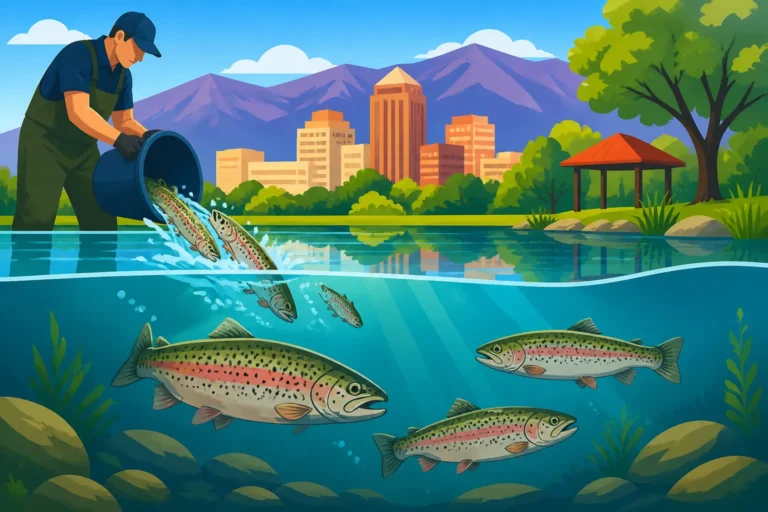
The New Mexico Department of Game and Fish does an excellent job of stocking these urban ponds regularly, primarily with rainbow trout during the cooler months and channel catfish when the weather warms up. This consistent stocking means you have a very good chance of catching fish, making them ideal for beginners, kids, or anyone just wanting a relaxing hour or two by the water. The ponds at Tingley Beach even offer gear rentals, bait, and a snack bar, making it possible to fish on a whim without needing to haul all your equipment.
Beyond the stocked species, you might also find some sunfish and occasionally bass in these urban waters. The regulations here are usually straightforward, but always check the signs posted at each location for any specific rules, especially regarding bait and bag limits. If you're traveling with youngsters, these ponds are among the best fishing spots for kids in New Mexico and a perfect place to introduce them to the joy of fishing.
Rio Grande River Access Points
The iconic Rio Grande flows directly through New Mexico, and several sections are easily accessible from I-25 as it parallels the river. While it can be a challenging fishery, the Rio Grande offers a unique opportunity to connect with New Mexico's natural heartland right off the highway. Access points can be found in various locations, including within the Albuquerque area and south towards Belen and Socorro.
The Rio Grande is primarily a warm-water fishery, with channel catfish being the most sought-after species by many anglers. These powerful fighters are abundant and can be caught using a variety of baits, especially stink baits, worms, or cut bait. Beyond catfish, anglers can also find common carp, which offer a strong fight on lighter tackle, and occasionally some smallmouth or largemouth bass, particularly in areas with more structure or deeper pools. Some stretches, especially those fed by cooler tributaries, might even hold a few hardy trout.
Fishing the Rio Grande can be an adventure due to its often-turbid waters and varied flow. It's not always the easiest fishery, but the reward of landing a fish from this historic river is truly special. Always be mindful of private land and tribal land boundaries, and stick to public access points. For a detailed guide on navigating this historic river, check out our New Mexico Rio Grande Fishing Guide.
Elephant Butte Lake State Park
While a bit of a commitment at about an hour's drive west off I-25 near Truth or Consequences, Elephant Butte Lake State Park is an absolute must-mention when discussing I-25 fishing spots, especially for those with a little more time. It's New Mexico's largest reservoir and offers some of the most diverse and exciting fishing in the state. Many anglers plan entire trips around this destination, and for good reason.
Elephant Butte is a true angler's paradise, famous for its phenomenal striped bass fishery. These hard-fighting fish can grow to impressive sizes and are a blast to catch, whether you're trolling, casting, or even fishing from the bank with bait. Beyond stripers, the lake boasts excellent populations of largemouth and smallmouth bass, walleye, crappie, and various catfish species. The sheer size and varied habitat of Elephant Butte mean there's always a new spot to explore and a different species to target. For those who want to maximize their chances, especially if it's their first time, consider searching for local guides on platforms like FishingBooker who specialize in the unique techniques needed for Elephant Butte's monster stripers or elusive walleye.
The state park provides extensive amenities, including numerous boat ramps, marinas, camping, and even lodging. If you have the time to make the drive, it's an unforgettable fishing experience that offers a true taste of New Mexico's premier warm-water angling. Before you go, it's a good idea to read up on the Elephant Butte Lake Fishing Guide to know what to expect.
Southern New Mexico's Angling Hotspots on I-25 Corridor
As I-25 continues its journey south towards Las Cruces and the Texas border, it doesn't leave anglers high and dry. The southern portion of the interstate offers some excellent, more serene fishing options, often as sister lakes to the larger reservoirs or as smaller, convenient parks.
Caballo Lake State Park
Just a short drive south of Elephant Butte Lake, and even closer to I-25, is Caballo Lake State Park. Often overshadowed by its larger neighbor, Caballo Lake provides an excellent fishing experience that can be less crowded while still offering a fantastic array of species. It's a great option for those who want the warm-water action without the hustle and bustle.
Caballo Lake shares many of the same fish species as Elephant Butte, including healthy populations of largemouth bass, walleye, crappie, and channel catfish. It's a particularly good spot for crappie fishing, especially in the spring, and many anglers report success targeting bass along its rocky shorelines and submerged timber. The lake's more manageable size can make it easier to navigate for those with smaller boats or for bank anglers looking to find productive spots.
The state park offers camping, boat ramps, and picnicking facilities, making it a comfortable place for a day trip or an extended stay. Its close proximity to I-25 means you can quickly get back on the road after a rewarding fishing session. Make sure you check the New Mexico Fishing License Costs Explained before you plan your trip.
Leasburg Dam State Park Near Las Cruces
Further south, just a few miles north of Las Cruces and directly off I-25, lies Leasburg Dam State Park. This hidden gem provides a tranquil setting for fishing, particularly during the cooler months when trout are stocked. It’s an ideal spot for a quick, easy-access fishing stop if you're passing through or staying in the Las Cruces area.
The waters below Leasburg Dam on the Rio Grande, and the small ponds within the park, are periodically stocked with rainbow trout by the NMDGF, making it a reliable spot for trout fishing. Anglers can also find channel catfish, bass, and various panfish here, especially during the warmer parts of the year. The river offers both moving water and calmer pockets, providing diverse fishing conditions.
Leasburg Dam is particularly popular with bank anglers and those using conventional tackle. Its accessibility and pleasant surroundings make it a perfect place for families or anyone looking for a peaceful fishing experience without straying far from the interstate. The park offers picnic areas, restrooms, and a visitor center, ensuring a comfortable visit. Before you go, familiarize yourself with New Mexico Trout Fishing Rules for the specific area you plan to fish.
Essential Planning for Your I-25 Fishing Adventure
Successfully navigating New Mexico's I-25 fishing spots isn't just about knowing where the fish are; it's also about being prepared and respecting the rules. A little homework goes a long way in ensuring a stress-free and rewarding experience.
Licensing and Regulations
One of the most crucial steps before casting a line anywhere in New Mexico is securing a valid fishing license. This isn't just a formality; it's a legal requirement, and the funds generated from license sales directly support the conservation and management of New Mexico's fisheries. If you're a New Mexico resident, you'll have specific options, but non-residents also have several choices, including short-term licenses perfect for a vacation or quick stop. You can often purchase licenses online through the New Mexico Department of Game and Fish website, from various vendors throughout the state, or sometimes even at state park offices. For out-of-state visitors, understanding your New Mexico Nonresident Fishing License Options is key.
Beyond the general fishing license, some locations or species might have additional requirements, such as a Habitat Management and Access Validation (HMAV) stamp, especially if you're fishing on certain public lands like those managed by the Bureau of Land Management or U.S. Forest Service. Always consult the current NMDGF fishing regulations booklet or their website for specific rules regarding bag limits, size restrictions, tackle restrictions (like bait vs. artificial lures), and open seasons for each water body you plan to visit. Ignoring these can lead to fines and a ruined trip.
Gear and Preparation
The beauty of fishing along I-25 is the sheer diversity of waters and species, but this also means your gear might need to be adaptable. For trout-stocked lakes and ponds, a light spinning rod with 4-6 lb test line, small spinners, power bait, or worms will usually do the trick. For bass, walleye, and pike in the larger reservoirs like Elephant Butte or Cochiti, you'll want a medium-heavy setup, heavier line (10-20 lb), and a selection of crankbaits, jigs, soft plastics, or spoons. Catfish anglers will often favor heavier rods, strong line, and a variety of stink baits or cut baits.
Beyond your rod and reel, always carry essential items like pliers for hook removal, a landing net (especially for catch and release), sunscreen, a wide-brimmed hat, plenty of water, and snacks. New Mexico weather can be unpredictable, so dressing in layers is always a good idea, as temperatures can fluctuate dramatically between morning and afternoon. A good pair of polarized sunglasses will help you spot fish and structure in clearer waters. If you're planning on fishing a more remote stretch of the Rio Grande, ensure someone knows your plans and bring extra provisions.
Finding Local Information
While this guide provides a solid starting point, the most successful anglers are those who stay informed. Before heading to a specific location, check the New Mexico Department of Game and Fish website for stocking reports, especially for trout ponds, and for any current advisories or changes in regulations. Local bait shops near each destination are invaluable resources; they can provide real-time updates on what's biting, what baits are working best, and any specific nuances of the local waters.
Apps and online forums dedicated to New Mexico fishing can also be great for gathering recent reports and tips. If you're looking for an even more hands-on approach and want to dive deep into a specific fishery, consider hiring a local guide. Websites like FishingBooker can help you find experienced guides who specialize in the waters you plan to fish, offering invaluable local knowledge, equipment, and a higher chance of success, particularly if your time is limited.
| Fishing Spot | Primary Species | Typical Drive from I-25 | Notes |
|---|---|---|---|
| Storrie Lake State Park | Rainbow Trout, Channel Catfish, Bass, Crappie | < 5 miles | Regularly stocked, family-friendly, good bank access. |
| Cochiti Lake | Northern Pike, Largemouth Bass, Smallmouth Bass, Catfish | ~15 miles | Large reservoir, specific Pueblo land regulations, good for boaters. |
| Santa Rosa Lake State Park | Largemouth Bass, Walleye, Crappie, Catfish | ~15 miles | Excellent bass and walleye, multiple boat ramps, camping available. |
| Albuquerque Urban Ponds | Rainbow Trout, Channel Catfish, Sunfish | < 5 miles | Easy access, regularly stocked, great for kids and beginners. |
| Rio Grande River | Channel Catfish, Carp, Bass | Varies (often < 1 mile) | Challenging but rewarding, diverse access points, check flow rates. |
| Elephant Butte Lake State Park | Striped Bass, Largemouth Bass, Walleye, Crappie, Catfish | ~60 miles | NM's largest lake, premier fishing, extensive amenities, worth the detour. |
| Caballo Lake State Park | Largemouth Bass, Walleye, Crappie, Catfish | < 5 miles | Similar species to Elephant Butte, often less crowded, good amenities. |
| Leasburg Dam State Park | Rainbow Trout, Channel Catfish, Panfish | < 5 miles | Tranquil setting, stocked trout in cooler months, easy bank access. |
Disclaimer
Please remember that fishing conditions, regulations, and access can change rapidly due to weather, water levels, and management decisions. Always check the latest information from the New Mexico Department of Game and Fish and relevant state park websites before planning your trip. Fishing inherently carries risks, so always prioritize safety, especially around water.