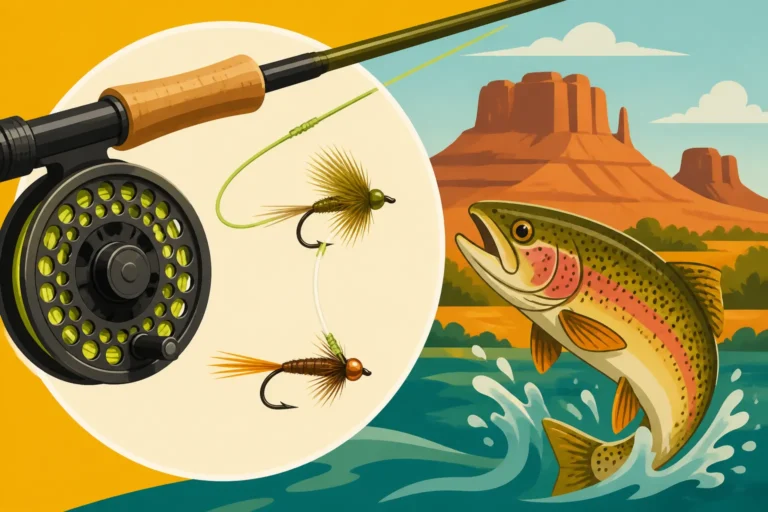
Best Bait for New Mexico Trout
There's nothing quite like the excitement of a New Mexico trout fishing trip, but that feeling can quickly turn to frustration when you're casting your line all day without so much as a nibble. Anglers often struggle to choose the right bait, wondering if they should stick to the classics, try something new, or even if their go-to bait is allowed in a particular waterbody. This comprehensive guide is here to untangle the mystery of trout bait in New Mexico, helping you understand what to use, when, and where, to maximize your chances of a successful catch.
Understanding New Mexico Trout and Their Diets
Before we dive into specific baits, it's crucial to understand what trout in New Mexico are naturally inclined to eat. Trout are opportunistic feeders, meaning they'll take advantage of whatever food source is most abundant and easiest to catch. Their diet largely depends on the specific species, whether they are wild or stocked, and the environment they live in—be it a pristine mountain stream, a large reservoir, or a small urban pond.
Wild Trout vs. Stocked Trout Preferences
Wild trout, like the native Rio Grande Cutthroat Trout or established populations of Brown Trout in remote rivers, have grown up foraging for natural food sources. Their diet primarily consists of aquatic insects (nymphs, larvae, emergers, adults), terrestrial insects (grasshoppers, beetles, ants), small baitfish, and even tiny crustaceans or leeches. They are often more wary and selective, requiring a more subtle and natural presentation.
Stocked trout, predominantly Rainbow Trout, are often raised in hatcheries where their diet consists of fish pellets. When these fish are released into New Mexico's lakes and rivers, they sometimes retain a preference for these processed foods. This is why certain artificial baits, which mimic the scent and texture of hatchery food, can be incredibly effective. However, given time in the wild, stocked trout quickly adapt to natural forage, becoming more challenging to catch.
Environmental Influence on Feeding Habits
The type of waterbody also plays a significant role. In fast-flowing rivers like sections of the Pecos River or the Rio Chama, trout are constantly on the lookout for insects drifting downstream. In larger, deeper lakes and reservoirs such as Eagle Nest Lake or Fenton Lake, trout might feed on smaller baitfish, zooplankton, or insects emerging from the bottom. High mountain lakes, often less fertile, will see trout keying in on terrestrial insects blown into the water or sparse aquatic life. Understanding these dynamics is your first step to choosing the best bait for New Mexico trout.
Classic Natural Baits for Trout
Sometimes, the simplest approach is the most effective. Natural baits have been catching trout for centuries, and for good reason—they perfectly mimic what trout naturally consume.
Worms: The Universal Trout Attractor
Worms are arguably the most classic and widely used bait for trout, and they work wonders across various New Mexico waters. Their natural scent, movement, and availability make them an irresistible meal for hungry trout, both wild and stocked.
Nightcrawlers and Red Wigglers
Nightcrawlers are the larger, fatter worms you might find after a rain shower or purchase from almost any bait shop. They are fantastic for enticing larger trout, as their size presents a substantial meal. You can typically hook a nightcrawler once or twice through the body, letting the ends wriggle freely for maximum attraction. For fishing in lakes or slower rivers, using a small sinker to get the worm down to the fish, either on the bottom or suspended under a bobber, is a time-tested method. In faster currents, you might want to rig a whole or half nightcrawler on a small hook with a split shot or two, allowing it to tumble naturally along the bottom.
Red wigglers, smaller and more active than nightcrawlers, are perfect for smaller trout or when you suspect trout are being pickier. They are also excellent for panfish that often share trout waters. A single red wiggler on a small hook (#8 or #10) can be deadly, especially in streams or small ponds where trout are accustomed to smaller insect larvae. Both types of worms are readily available at local sporting goods stores or even through online retailers like Amazon, making them convenient choices for any fishing trip.
Rigging and Presentation Tips
When fishing with worms, presentation is key. Avoid using too large of a hook, which can make the worm look unnatural and deter wary trout. A light line (4-6 lb test monofilament or fluorocarbon) will also help with a more natural drift and increase your bite detection. Consider a Carolina rig or a slip-sinker rig when fishing the bottom in lakes, allowing the trout to pick up the bait without feeling immediate resistance. For river fishing, a simple split shot rig, where you pinch one or two small split shots a foot or two above your hook, allows the worm to drift naturally with the current, mimicking a dislodged insect.
Live and Dead Baitfish
While live baitfish can be incredibly effective for targeting larger, predatory trout (especially brown trout and lake trout), New Mexico has strict regulations regarding their use to prevent the introduction of invasive species. It's imperative to check the current New Mexico Fishing Regulations Overview or the "New Mexico Trout Fishing Rules" before using any baitfish.
Minnows and Other Small Baitfish
If allowed in your chosen water, small minnows can be deadly for larger trout. They imitate a natural food source that bigger trout actively hunt. You can drift them in rivers or fish them under a bobber in lakes. However, many waters, particularly those designated as "Quality Waters Program" areas, often restrict the use of live bait, especially for trout. For example, on the renowned San Juan River Quality Waters, only artificial flies and lures with a single barbless hook are permitted, making baitfish illegal.
Using Dead Baitfish
In areas where live baitfish are prohibited but dead bait is allowed (again, verify regulations carefully!), small preserved shiners or anchovies can still be effective, especially for lake trout or larger brown trout. The scent trail they release can attract fish from a distance. Often, these are fished on the bottom or trolled slowly behind a boat in deeper sections of lakes like Navajo Lake or Heron Lake. Just remember, adherence to local rules, which can vary significantly by waterbody, is non-negotiable.
Insects and Larvae
Trout in New Mexico's diverse environments feast heavily on insects. Mimicking these natural food sources with real insects or their larval forms can be incredibly productive.
Grasshoppers, Crickets, and Mealworms
Terrestrial insects like grasshoppers and crickets are phenomenal during summer and early fall, especially in areas with grassy banks adjacent to trout streams. Trout often key in on these insects when they accidentally fall into the water. Rigging a live grasshopper or cricket on a small, light hook and floating it on the surface or with minimal weight can result in explosive strikes. They are particularly effective in high mountain streams where insect activity is abundant. You can often catch these insects yourself or purchase crickets and mealworms from bait shops.
Mealworms and wax worms are readily available and make excellent bait for stocked trout, especially Rainbow Trout, in ponds and slower-moving rivers. Their small size and wiggling action are attractive to smaller, pellet-fed fish. A single mealworm on a small hook, fished under a bobber or lightly weighted, is a simple yet effective setup.
Salmon Eggs
While not technically insects, cured salmon eggs are a popular and effective natural bait for trout, especially for recently stocked fish. Their vibrant color and strong scent are highly attractive. You can buy them in jars in various colors and scents. They are typically fished on a small treble hook or single hook, often drifted with minimal weight or under a bobber. Their soft texture means you might need to check your bait often, as trout can easily strip them off the hook.
Prepared Baits and Doughs for Stocked Trout
When it comes to New Mexico's stocked trout, particularly the freshly planted rainbow trout, prepared baits often outperform natural options, especially immediately after stocking. These baits are designed to appeal to the trout's hatchery upbringing.
PowerBait: The Stocked Trout's Favorite
Berkley PowerBait is, without a doubt, a powerhouse in the world of trout fishing in New Mexico's stocked waters. It comes in a myriad of colors, scents, and forms, making it incredibly versatile. For effective "PowerBait Fishing Tips for New Mexico," you'll want to experiment.
Dough and Nuggets
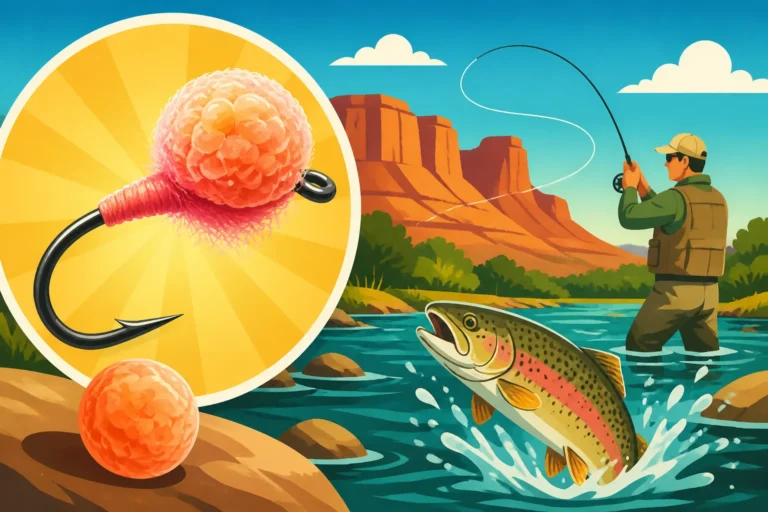
The classic PowerBait dough is designed to be molded around a treble hook, forming a small, buoyant ball. The buoyancy causes the bait to float off the bottom, putting it right at eye level for cruising trout. Common colors like chartreuse, rainbow, and orange are highly effective, but sometimes an unexpected color like black or white can be the ticket. The scent is a major attractant, often infused with garlic or other enhancers.
PowerBait also comes in pre-formed nuggets or "PowerEggs," which are easier to handle and can be great for quick baiting or for beginners. They offer similar scent and color attraction. These are excellent choices for still waters like many of New Mexico's urban ponds or the larger, calmer sections of lakes after they've been stocked. Just remember to use enough bait to float your hook.
How to Fish PowerBait Effectively
When using PowerBait, the key is to present it off the bottom. A standard setup involves a sliding egg sinker above a swivel, with a 12-18 inch leader (4-6 lb test) leading to a small treble hook (#14 to #18) or a single salmon egg hook. Mold the PowerBait around the hook, ensuring the hook point is fully covered but still exposed enough to hook a fish. Cast it out, let it sink, and then let it sit. Trout often nibble at PowerBait before taking it fully, so a sensitive rod tip or watching your line for subtle movements is crucial. It's particularly effective at destinations like Bluewater Lake or Storrie Lake, known for frequent trout stockings.
Corn and Marshmallows
While less sophisticated than PowerBait, plain old corn and marshmallows can be surprisingly effective, especially for eager, freshly stocked trout. They are also incredibly inexpensive and easy to find.
Sweet Corn: A Simple Scent Attractor
Yes, the same canned sweet corn you eat can catch trout! The bright yellow color and sugary scent are surprisingly appealing to stocked trout. It's particularly effective in smaller ponds or when used in conjunction with other baits. You can put 2-3 kernels on a small hook (#10 or #12) and fish it under a bobber or on the bottom with a light weight. It's a fantastic, low-cost option for taking kids fishing, as it’s easy to bait and often gets bites. Some anglers even mix corn into their PowerBait dough for added scent and texture.
Mini Marshmallows: Floatation and Visual Appeal
Mini marshmallows serve a similar purpose to corn but with added buoyancy. They float your hook, keeping your bait off the bottom, and their white color can sometimes attract curious trout. Many anglers will combine a marshmallow with a worm or a few kernels of corn on the same hook, creating a floating, scented, and visually appealing cocktail. They're soft, so trout can mouth them without feeling much resistance, often leading to a solid hookset. This combination can be particularly productive in still or slow-moving waters where trout are cruising for easy meals.
Artificial Baits and Lures
For the angler who prefers an active approach or is fishing in waters with strict bait restrictions, artificial lures are the way to go. These baits rely on their action, color, vibration, and sometimes scent to fool trout into striking.
Spinners and Spoons
These are perhaps the most popular and effective artificial lures for trout fishing, generating flash and vibration that mimic small baitfish or frantic insects. They're excellent for covering water and actively searching for fish.
Spinners: Flash and Vibration
Spinners like the classic Mepps Aglia, Panther Martin, or Rooster Tail are staples in many New Mexico angler's tackle boxes. They feature a revolving blade that creates flash and vibration as it's retrieved, triggering a trout's predatory instincts. Varying the retrieve speed, from slow and steady to quick jerks, can help you find what the fish prefer on any given day. Popular colors include silver, gold, brass, and those with red or chartreuse accents. Sizes typically range from 0 (very small) to 3 or 4 (larger), depending on the size of trout you're targeting and the water conditions.
Spinners are incredibly versatile; they can be cast across streams, retrieved through pockets in rivers, or trolled behind a boat in lakes. They are particularly effective for Rainbow Trout and Brown Trout in rivers like the Rio Grande or the Pecos, where trout are actively feeding on passing forage.
Spoons: Fluttering Attraction
Spoons, such as the Kastmaster, Daredevil, or Little Cleo, are metal lures designed to wobble and flutter as they sink and are retrieved, imitating a dying baitfish. Their erratic action and flash can be incredibly alluring to aggressive trout. They come in various weights and sizes, allowing you to cast long distances or fish deeper water. Silver, gold, and vibrant patterns with red or blue are common and effective.
Spoons are excellent for still or slow-moving water, where their seductive fall can tempt a strike. They're also great for casting off banks in larger reservoirs like Elephant Butte Lake or Navajo Lake, where trout might be chasing baitfish. Remember to vary your retrieve by incorporating pauses and jerks to make the spoon's action even more enticing.
Jigs and Flies (Spincast Application)
While often associated with fly fishing, specific jig and fly patterns can be highly effective when fished with spinning gear, particularly in situations where a natural presentation is key.
Marabou and Grub Jigs
Small marabou jigs or grub jigs (1/32 to 1/8 ounce) are fantastic for trout. The soft, pulsating marabou feathers or plastic tail provide an incredibly lifelike action in the water, even with minimal movement. They can imitate aquatic insects, small baitfish, or even leeches. White, black, olive, and brown are common colors, often paired with a contrasting head color.
Jigs can be fished in various ways: cast and slowly retrieved, jigged vertically in deeper holes, or drifted under a bobber. They are especially effective in cooler water when trout are less active and prefer a slower presentation. They are also excellent for finesse fishing in clear waters.
Weighted Flies Under a Bobber
For anglers using spinning gear in waters that allow traditional bait but where trout are highly selective, presenting a weighted fly under a bobber (or strike indicator) can be incredibly effective. This allows you to drift a fly pattern like a San Juan Worm, Prince Nymph, or a small Woolly Bugger through a current or over a known holding area, mimicking a natural insect. The bobber helps with casting and bite detection.
This technique is a great bridge between conventional and fly fishing and can be particularly useful in slower sections of rivers or in ponds where trout have become accustomed to seeing traditional baits. Make sure the flies are designed for spinning gear (e.g., weighted versions) or add a small split shot above a standard fly to help it sink.
The Role of Scent Attractants
Many artificial lures and even natural baits can be enhanced with scent attractants. These liquid or gel applications can be added to plastics, spoons, or even worms to leave a more potent scent trail in the water. Brands like Pautzke's Bait Scent or Pro-Cure offer a variety of scents, from garlic to anise to natural baitfish extracts. While not a substitute for proper bait presentation, a little extra scent can sometimes be the differentiator between a look and a strike, especially in murky water or during slow bite periods.
Choosing the Right Bait for Different Conditions
The best bait isn't a "one-size-fits-all" answer. It's about adapting to the specific conditions you face on any given day on New Mexico's waters.
Water Clarity and Temperature
Clear Water: When the water is crystal clear, trout have excellent visibility and can easily spot unnatural presentations or thick lines. In these conditions, opt for natural baits like worms or insects, or subtle artificial lures with natural colors (e.g., silver spinners, olive jigs). A lighter line (2-4 lb test) and a stealthy approach are critical. If fly fishing, a "Best Leader Length for San Juan River Nymphing" article would emphasize long, light leaders.
Cloudy/Murky Water: In stained or slightly murky water, scent and vibration become more important. This is where PowerBait, scented worms, or artificial lures with strong vibrations and bright colors (e.g., chartreuse spinners, orange PowerBait) can shine. Trout rely more on their sense of smell and lateral line in these conditions.
Cold Water: When water temperatures drop (e.g., during winter fishing or early spring), trout metabolism slows down, and they become less active. Slower presentations and smaller baits are usually more effective. Jigs, worms fished slowly on the bottom, or PowerBait left stationary are good choices. This is also when ice fishing is an option, and different baits apply.
Warm Water: In warmer water, trout are typically more active and aggressive. They will chase faster retrieves and larger baits. Spinners, spoons, and active presentations of worms or baitfish can be very productive. However, be mindful of "Catch and Release Best Practices in New Mexico" in warm water, as trout can become stressed quickly.
Current Speed and Targeted Species
Fast Currents: In swift rivers and streams, trout hold in eddies and behind structure, waiting for food to drift by. Heavy spinners, worms with enough weight to get down, or jigs can be effective. The key is to present your bait naturally with the current, allowing it to tumble or drift into holding areas.
Slow Currents/Still Water: In slow-moving rivers, ponds, and lakes, fish have more time to inspect your bait. Here, finesse and natural presentation are paramount. PowerBait, corn, marshmallows, and lighter lures or flies fished under a bobber work well. For targeting larger, wary trout in still water, live or dead baitfish (where permitted) can be very effective.
Targeted Species:
- Stocked Rainbow Trout: PowerBait, worms, corn, marshmallows, small spinners. These are often the easiest to catch right after stocking. Check the "Seasonal Stocking Schedule in New Mexico" for optimal timing.
- Wild Brown Trout: Worms, minnows (if allowed), medium-sized spinners, spoons, marabou jigs. Brown trout are more predatory and respond well to baits mimicking their natural diet of baitfish and larger insects.
- Cutthroat Trout (including Rio Grande Cutthroat): Often found in high mountain streams and prefer natural insects, small worms, or small, subtle spinners/flies. They can be very wary.
Local Regulations and Best Practices
New Mexico has specific regulations to protect its fisheries and ensure sustainable fishing. Ignorance of these rules is not an excuse, and violations can lead to fines. Before you even think about buying bait, make sure you have your New Mexico Fishing License Guide in order, along with any necessary validations like the New Mexico Habitat Management and Access Validation Stamp.
Bait Restrictions and Special Trout Waters
Many of New Mexico's prime trout fishing locations, particularly those designated as "Special Trout Water Rules" or "Quality Waters," have stringent bait restrictions. These areas often permit only artificial flies and lures with single, barbless hooks. For instance, sections of the San Juan River are famed for their large trout, but using bait there is strictly prohibited. Understanding if "Can You Use Bait on the San Juan River Quality Waters?" is a "no" is critical for avoiding penalties.
It is absolutely crucial to consult the annual New Mexico Game and Fish Fishing Rules and Information Booklet before heading out. This guide provides detailed information on specific waterbody regulations, including bait restrictions, bag limits, and size limits. Some waters might allow only baitfish caught from that specific water, while others may prohibit all live bait.
Conservation and Responsible Bait Use
Even where bait is allowed, responsible practices are essential for preserving New Mexico's beautiful fishing environments.
- Avoid Contamination: Never introduce non-native bait species or aquatic organisms into a waterbody. This can lead to the spread of invasive species and diseases, harming the native fish populations.
- Dispose of Bait Properly: Do not dump leftover bait (worms, PowerBait, corn, etc.) into the water or on the banks. Dispose of it in a trash receptacle.
- Handle Fish Gently: If you're using bait in a catch-and-release area, handle fish with wet hands and minimize their time out of the water. Barbless hooks, even with bait, cause less damage and aid in release. For more on this, refer to "Catch and Release Techniques for Native Trout."
By understanding the trout's natural diet, familiarizing yourself with the array of effective baits, and always adhering to local regulations, you'll be well-equipped to enjoy productive and responsible trout fishing adventures across the diverse landscapes of New Mexico.
Seasonal Bait Strategies for New Mexico Trout
The changing seasons in New Mexico significantly influence trout behavior and, consequently, the most effective bait choices. Being aware of these seasonal shifts can give you a distinct advantage.
Spring: Post-Stocking Frenzy and Runoff Challenges
Spring in New Mexico brings a mixed bag for trout anglers. It's often when many waters receive their first major trout stockings of the year, creating a "frenzy" period. However, it also marks the start of snowmelt runoff in many rivers, leading to high, cold, and often muddy water.
Capitalizing on Stocked Trout
Immediately after stockings, trout are often disoriented and still accustomed to their hatchery diets. This is prime time for prepared baits like PowerBait (especially vibrant colors like chartreuse, orange, or rainbow) and even simple baits like corn or marshmallows. These artificial scents and familiar textures are what they're looking for. Fish these baits in still pockets, slower sections of rivers, or along the banks of lakes where trout are typically released. Fishing right after a fresh stocking, which you can often predict by checking the Seasonal Stocking Schedule in New Mexico, can lead to some of the fastest action of the year.
Navigating Spring Runoff
As snow melts, rivers swell and become turbid, making visibility low and currents swift. Trout tend to seek refuge in slower water pockets, eddies, and behind large structures. In these conditions, natural baits with strong scents become more effective. Large nightcrawlers, fished heavily weighted on the bottom, can be excellent. The scent trail they emit helps trout locate them in the murky water. Larger, vibrating artificial lures like hefty spinners (sizes 2-4) or spoons with bright colors can also penetrate the murky water and attract attention through flash and vibration. Presentation needs to be slow and deep, targeting the less turbulent holding areas.
Summer: High Country and Early Morning/Late Evening Bites
Summer in New Mexico means warm weather, and in lower elevation waters, trout can become sluggish during the heat of the day. This is when anglers often head to the cooler high country or focus on early morning and late evening fishing.
High Mountain Lake and Stream Strategies
In the cooler, pristine high mountain lakes and streams, trout are often actively feeding on terrestrial insects blown into the water. Grasshoppers, crickets, and beetles are top choices for live bait. Floating these naturally on the surface or with minimal weight can be incredibly effective. Small, subtle spinners (size 0-1) in natural colors (silver, brass) or small jigs also work well. Wild trout in these waters are often more discerning, so a natural presentation with light line is key.
Early Morning and Evening in Lower Elevations
For lakes and rivers at lower elevations, trout will often move into shallower water to feed during the cooler parts of the day – dawn and dusk. During these times, standard baits like worms, PowerBait, and small spinners can be effective. If you're fishing a lake that holds warm-water species as well, you might find other fish biting. Remember that as the day heats up, trout retreat to deeper, cooler water. Adjust your bait and presentation to reach these deeper holding zones, perhaps with weighted jigs or by trolling spoons or deeper-diving spinners from a boat.
Fall: Aggressive Feeding and Spawning Colors
Fall is often considered one of the best times for trout fishing in New Mexico. Water temperatures cool, and trout become more active, feeding aggressively to build reserves for winter and, for some species like brown trout, for their spawning run.
Aggressive Bait Choices
As trout become more voracious, they'll often hit larger, more aggressive baits. Bigger spinners and spoons are excellent, as are larger nightcrawlers. For brown trout, which become highly predatory in the fall, minnow imitations (if allowed) or larger soft plastic swimbaits rigged on jig heads can be particularly effective. Trout are often less wary and more willing to chase. The cooler water also means they fight harder, making fall a favorite for many anglers.
Targeting Spawning Brown Trout
Brown trout typically spawn in the fall, and while targeting actively spawning fish is often frowned upon from a conservation standpoint, knowing their behavior can still be beneficial. During this period, brown trout will often be found in shallower, rocky areas of rivers and streams where they create redds (nests). They become highly territorial and aggressive, striking at anything that invades their space. While eggs might seem like a natural choice, many anglers prefer to use artificial lures during this sensitive time to minimize harm. Larger, weighted flies (like Woolly Buggers) or even bright-colored jigs can trigger a strike. Always check specific regulations for "New Mexico Trout Fishing Rules" during spawning seasons, as some areas may have special closures or restrictions.
Winter: Slow and Steady Presentations
Winter fishing in New Mexico, especially ice fishing on frozen lakes, requires a completely different approach. Trout are typically lethargic, and their metabolism is at its lowest.
Ice Fishing for Trout
For ice fishing on lakes like Eagle Nest Lake or Fenton Lake (when ice conditions are safe), small jigs tipped with a grub (mealworm, wax worm) or PowerBait nuggets are incredibly effective. The key is a slow, subtle presentation. Small jigging spoons (1/16 to 1/8 ounce) can also work, often sweetened with a piece of bait. Fish tend to hold closer to the bottom, so targeting deeper areas or suspended just above the bottom is usually best. A light rod and sensitive line are crucial for detecting subtle bites. Learning "How to Ice Fish in New Mexico" effectively involves patience and precision.
Cold Tailwaters
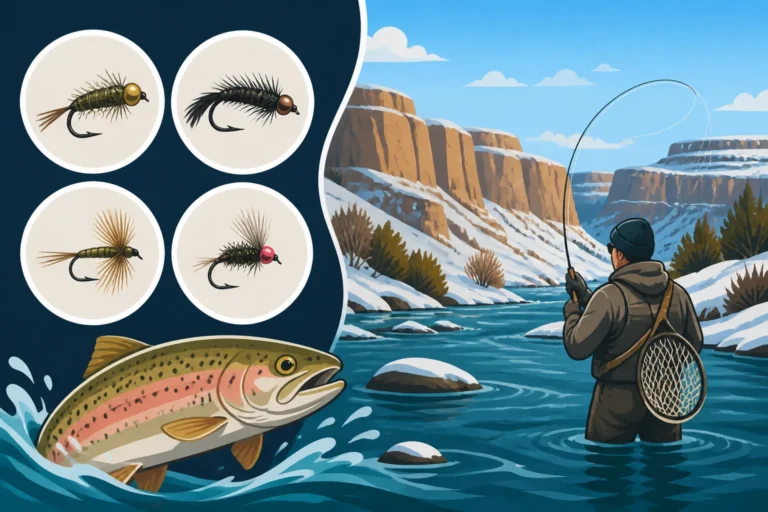
Even in open water during winter, particularly below dams on "cold tailwaters," trout can be active but prefer smaller, slower presentations. The San Juan River, for example, is famous for its winter trout fishing, where tiny midge patterns (imitated with small jigs or flies under a bobber for spin anglers) are highly effective. For conventional anglers, tiny jigs tipped with a small piece of worm or PowerBait, fished very slowly along the bottom, can produce strikes.
By adjusting your bait choices and presentation methods with the seasons, you can enjoy successful trout fishing year-round in New Mexico, from the spring thaw to the winter freeze.
Bait Comparison Table
To help you quickly reference common trout baits in New Mexico, here's a handy comparison table. Remember, always check the specific regulations for the water you plan to fish!
| Bait Type | Best For | Key Features | Pros | Cons | Common Rigging | Best Season |
|---|---|---|---|---|---|---|
| Nightcrawlers | Wild & Stocked Trout | Natural scent, movement, larger profile | Universal appeal, good for larger fish, readily available | Can be torn off easily, less effective in fast current | Bottom rig, under bobber | All |
| Red Wigglers | Smaller Trout, Panfish | Active, smaller profile, natural scent | Excellent for picky fish, easy to bait | Small size might not attract large fish | Small hook, light weight, under bobber | All |
| PowerBait Dough | Stocked Rainbow Trout | Buoyant, strong scent, vibrant colors | Highly effective for recently stocked fish, floats bait | Less effective for wild trout, can dry out if not sealed | Treble hook (floating) | Spring, Summer, Fall |
| PowerBait Nuggets | Stocked Rainbow Trout | Pre-formed, strong scent, buoyant | Easy to use, cleaner than dough, floats bait | Can be less moldable, still limited to stocked trout | Small single hook (floating) | Spring, Summer, Fall |
| Sweet Corn | Stocked Trout, Panfish | Bright color, sweet scent, readily available | Inexpensive, easy to use, surprisingly effective | Falls off hook easily, minimal action | Small hook, 2-3 kernels, light weight | Spring, Summer, Fall |
| Mini Marshmallows | Stocked Trout, Panfish | Buoyant, light color, soft texture | Floats bait, visually attractive, good for kids | Minimal scent, can be stripped easily | Small hook, often with worm/corn | Spring, Summer, Fall |
| Spinners | Wild & Stocked Trout | Flash, vibration, erratic action | Covers water quickly, triggers aggressive strikes | Can get snagged, retrieve speed critical | Cast and retrieve | All (esp. Fall) |
| Spoons | Wild & Stocked Trout | Wobbling/fluttering action, good for distance | Excellent for deep water, aggressive fish, long casts | Can be heavy, less subtle | Cast and retrieve, trolling | All |
| Small Jigs (Marabou/Grub) | Wild & Stocked Trout (finesse) | Lifelike movement, subtle presentation, versatile | Effective in cold/clear water, good for picky fish | Requires skill for subtle bites, can be too light for current | Slow retrieve, vertical jigging, under bobber | All (esp. Winter) |
| Grasshoppers/Crickets | Wild Trout, High Country | Natural food source, surface presentation | Irresistible to surface-feeding trout | Seasonal, hard to keep alive, can be difficult to find | Light hook, floated on surface | Summer, Early Fall |
| Salmon Eggs | Stocked Trout, Steelhead | Bright color, strong scent, natural origin | Highly attractive, good for recently stocked trout | Soft, can come off hook easily | Small single hook, drifted | Spring, Fall |
Remember, this table is a general guide. Always adapt to the specific conditions and regulations of the New Mexico fishing spot you are visiting.
Disclaimer
Fishing conditions and regulations in New Mexico can change. While we strive to provide the most current and accurate information, it is always your responsibility to consult the official New Mexico Department of Game and Fish regulations guide before engaging in any fishing activities. This content is for informational purposes only and does not constitute legal advice.