Best Time to Avoid Crowds on the San Juan River
There’s nothing quite like the legendary waters of the San Juan River, especially that incredible Quality Waters section, but let's be honest: sometimes it feels like you're elbow-to-elbow with half of New Mexico. Finding that peaceful solitude, where it's just you and the fish, can feel like a pipe dream on such a renowned fishery. This guide is all about helping you unlock those quieter moments, equipping you with the knowledge to strategically plan your trip and experience the San Juan River with fewer fellow anglers around.
Why the San Juan River Draws a Crowd
Before we dive into how to escape the masses, it’s helpful to understand why the San Juan River, particularly the famous "Quality Waters," is such a magnet for anglers. This isn't just any river; it's a world-class trout fishery, and its reputation precedes it, drawing passionate fly fishers and spin casters alike from all corners.
The Allure of Trophy Trout and Consistent Action
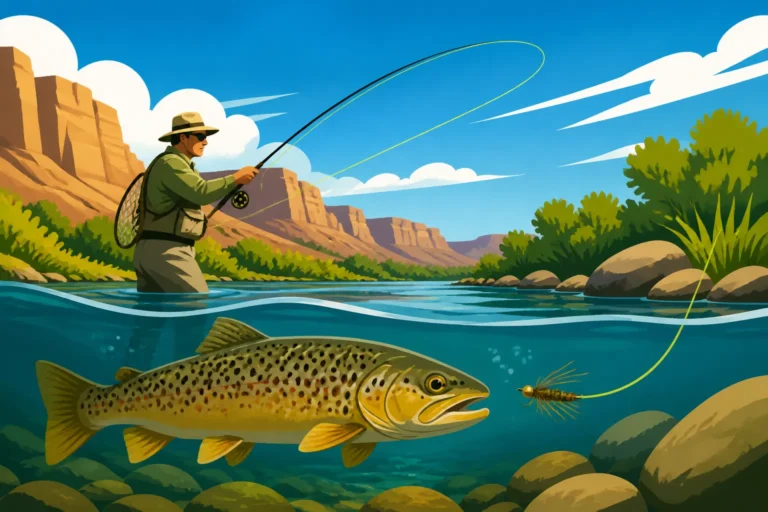
The primary reason for the San Juan's popularity is undoubtedly the incredible trout fishing. The sheer numbers of healthy, robust trout, including both rainbow and brown trout, are astounding. The special regulations and the unique tailwater environment downstream from Navajo Dam create an almost perfect ecosystem for trout to thrive and grow to impressive sizes. It’s not uncommon to hear tales of anglers landing multiple 20-inch-plus trout in a single day, which is a dream for many. This consistent action, even on tougher days, means that even a "slow" day on the San Juan can often outshine a banner day on many other rivers. The prospect of hooking into a truly memorable fish keeps people coming back, creating a vibrant, albeit sometimes crowded, fishing community. For more details on what makes this section special, check out our guide on the San Juan River Quality Waters Section.
Accessibility and Year-Round Fishing
Another major factor contributing to the crowds is the river's accessibility and its year-round fishability. Unlike many high-country streams that freeze over or become inaccessible due to snow in winter, or turn into muddy torrents during spring runoff, the San Juan River's tailwater section maintains relatively stable water temperatures and flows throughout the year. This means anglers can enjoy fantastic fishing opportunities regardless of the season. Access points are generally well-maintained, with designated parking areas and easy paths down to the water in many places, making it less of a trek than some more remote New Mexico fishing spots. This ease of access, combined with its consistent productivity, solidifies its status as a go-to destination, attracting anglers whenever they have a free day on the calendar.
Strategic Timing: When the Crowds Thin Out
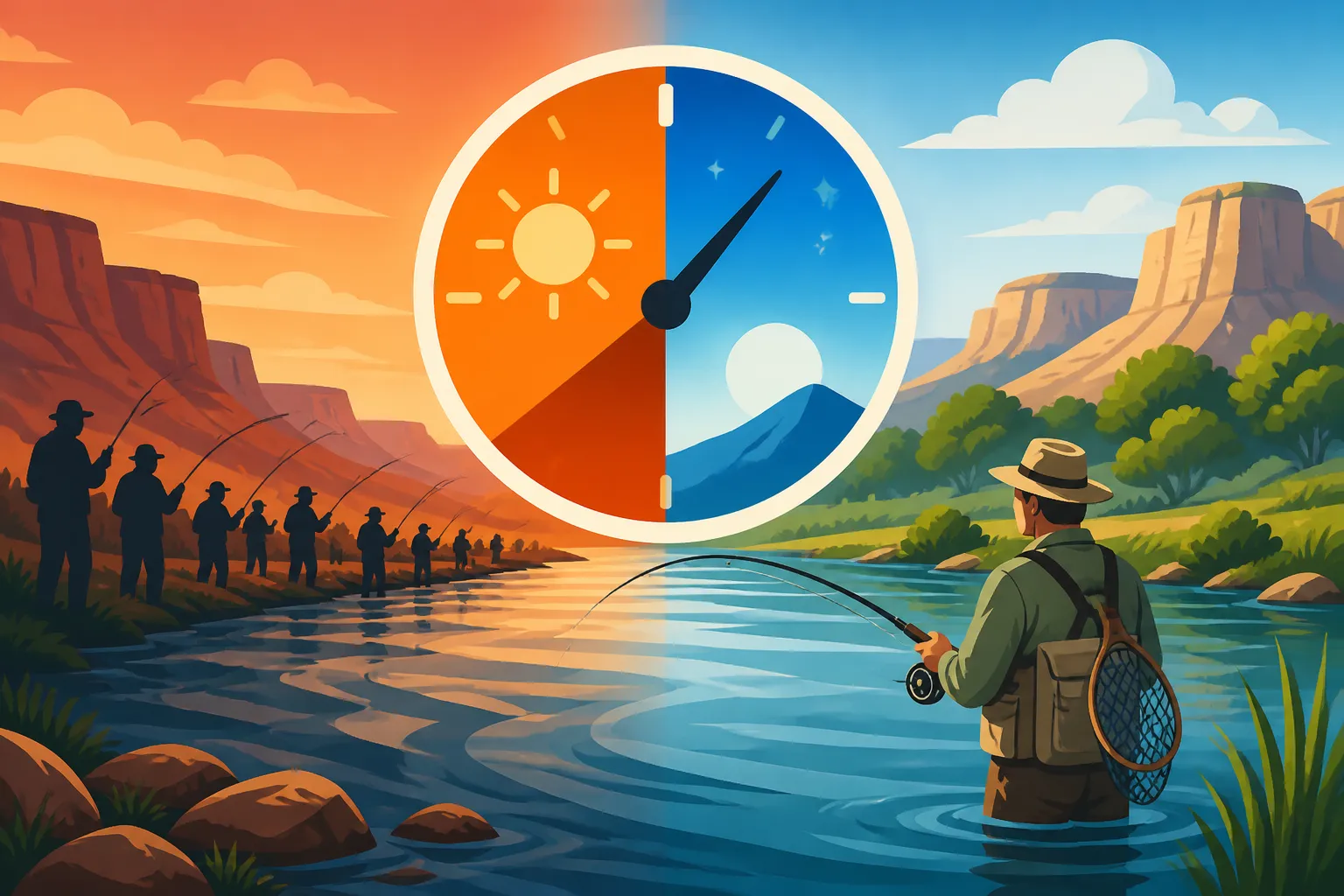
Escaping the crowds on a river as popular as the San Juan often comes down to timing. It's about fishing when most people are working, sleeping, or occupied with other commitments. This requires a bit of planning and sometimes a willingness to brave less-than-ideal weather, but the reward of solitude can be well worth it.
Weekday Warriors and Off-Season Adventures
If your schedule allows, fishing on weekdays is hands-down the most effective way to avoid the weekend rush. Most anglers are constrained by a traditional Monday-Friday work week, meaning that Tuesday, Wednesday, and Thursday mornings often see significantly fewer people on the water. Even a late start on a Tuesday can provide more elbow room than an early start on a Saturday.
Beyond weekdays, embracing the "off-season" can lead to some truly special, uncrowded experiences. While the San Juan is fishable year-round, the busiest times tend to be late spring through early fall, especially when the weather is warm and pleasant. Consider fishing in the depths of winter or the often-chilly early spring. Yes, the weather might be colder, and you might need specialized gear like robust waders and layers of thermal clothing (which you can find a great selection of on Amazon), but the trade-off is often a river that feels like your own private sanctuary. Don't forget to review the New Mexico Fishing Season Dates and Limits before you head out, as regulations might shift slightly with the seasons.
The Early Bird and the Twilight Angler
Just like with anything popular, getting there before everyone else, or staying after they've left, can make a huge difference.
Dawn Patrol for Solitude
There's a special magic to the San Juan just as the sun peeks over the horizon, painting the sky with soft colors and warming the chilly morning air. The fish are often more active, and perhaps more importantly, the river is likely to be almost empty. Most anglers prefer a leisurely breakfast before hitting the water, especially in colder months. If you're willing to set your alarm for an hour or two earlier than usual, you can often enjoy several hours of uninterrupted fishing before the first wave of midday anglers arrives. This means you'll need to prepare your gear the night before, perhaps packing a thermos of hot coffee, and arriving at the access point in the dark. It might sound daunting, but those peaceful moments when mist rises off the water and you're the only one casting are truly unforgettable. Plus, early mornings often offer some of the best fishing conditions, as trout can be more aggressive before the sun gets high.
Evening Retreat for Quiet Casts
Conversely, staying on the water until dusk, or even into the early evening, can also lead to more solitary fishing. As the day winds down, many anglers pack up and head home for dinner or to beat traffic. This leaves the evening hours, often from a couple of hours before sunset until true darkness, much less crowded. Trout often become more active again as light fades, making for excellent dry fly or streamer fishing opportunities if conditions are right. You'll need a good headlamp (again, Amazon has excellent options) for rigging and navigating in low light, and make sure you're familiar with the access points in the dark. Remember, patience is key, and the quiet beauty of an evening on the river, with the sounds of nature replacing human chatter, is a unique reward. Just be sure to check the specific regulations, as some areas may have particular rules regarding New Mexico Special Trout Water Regulations or night fishing.
Beyond the Crowds: Finding Your Own Secluded Stretch
While timing is crucial, knowing where to fish on the San Juan River can also significantly impact your experience with crowds. The Quality Waters section is famous, but it's not the only stretch of water, and even within it, there are less-traveled spots.
Exploring Upstream and Downstream of the Quality Waters
Most of the intense angling pressure is concentrated within the roughly 3.75 miles of the Quality Waters, particularly around popular access points like the Texas Hole, which is easily accessible. If you're looking to escape the immediate throng, consider venturing a bit further upstream or downstream.
The Upper Stretches Near Navajo Dam
While much of the immediate area below the dam is part of the Quality Waters, exploring spots slightly upstream, or even higher up the river above the dam's influence, can offer a different, often quieter, experience. These areas might not hold the same density of trophy trout as the famed Quality Waters, but they can provide opportunities for beautiful wild trout in a more natural, less manicured setting. Access might be a bit more challenging, requiring a bit of a hike or more careful navigation, but this naturally deters casual anglers. Always be mindful of tribal lands and private property boundaries, ensuring you have the correct permits if required, such as New Mexico Tribal Land Fishing Permits.
The Lower River Below the Quality Waters
Once the San Juan River leaves the designated Quality Waters section, the regulations ease up, and so does the fishing pressure. While the average size and number of trout might decrease, the lower river can offer excellent fishing for smaller trout, as well as warm water species like bass and catfish, especially as you move further downstream and the river warms up. This section of the river often feels wilder and more remote, with fewer maintained trails and more natural vegetation. It's a great option for anglers who prioritize solitude over the possibility of a trophy trout and are willing to explore. This area can be perfect for those interested in New Mexico Warm Water Fish Bag Limits or just a different kind of angling challenge.
Wading Versus Boating: Choosing Your Advantage
The method of your travel on the river can also dictate your exposure to crowds.
The Wader's Advantage
For many, wading is the quintessential San Juan experience. It allows for a stealthy approach, the ability to work specific runs and pockets thoroughly, and a deep connection to the water. However, some of the most accessible and productive wading spots can become very crowded. To avoid this, consider wading into less-frequented areas that require a longer walk from parking or are perceived as more challenging. Using a sturdy wading staff and appropriate New Mexico Wading Boots for New Mexico's San Juan River can give you the confidence to explore rockier or slightly faster sections that other anglers might shy away from.
The Boater's Perspective
Drifting the San Juan in a drift boat or raft offers unparalleled access to stretches of river that are difficult or impossible to reach by wading alone. This can be a fantastic way to find solitude, as you can cover more water and literally float past crowded banks. However, even with boats, you might encounter other groups, especially during peak times. To truly find peace, consider launching very early or late, or choosing a day when fewer guided trips are likely to be out. A quiet, stealthy approach with oars, rather than relying solely on a motor, can also enhance the feeling of solitude and improve your chances of success. Always ensure your vessel meets New Mexico Boat Registration for Anglers requirements if applicable.
Here’s a quick overview of how different factors might influence crowd levels on the San Juan River:
| Factor | Peak Crowd Levels | Lower Crowd Levels | Fishing Quality (General) | Notes |
|---|---|---|---|---|
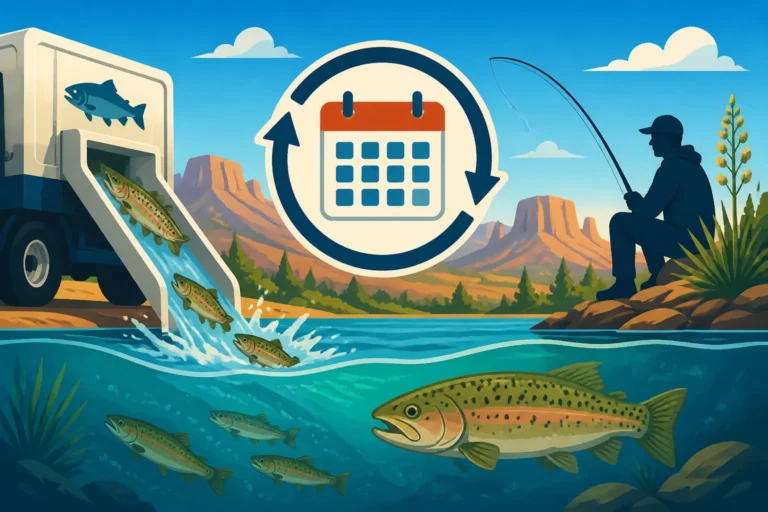
| Day of Week | Weekends (especially Saturday) | Weekdays (Tuesday-Thursday) | High | Weekdays offer best chance for solitude without sacrificing fish numbers. |
| Season | Late Spring, Summer, Early Fall | Winter, Early Spring (after ice-off, before runoff) | Varies, but still good | Winter fishing can be excellent, just colder. Bring appropriate layers! |
| Time of Day | Mid-morning (9 AM – 12 PM), Afternoon (1 PM – 4 PM) | Dawn, Dusk, Night (where permitted) | Often excellent | Early/late hours frequently provide prime feeding windows for trout. |
| Access Point | Texas Hole, major parking areas | Longer walks, less obvious trails, lower river | Good to excellent | Effort invested in reaching less-used spots often pays off in solitude and fish. |
| Weather | Sunny, calm, warm days | Cold, windy, overcast, light rain/snow | Often good | Don't let a little weather deter you; tough conditions keep many anglers home. |
Gear and Mindset for a Quieter Experience
Embracing the less-traveled path often means being prepared. It's not just about what time you go, but also what you bring and your approach to the experience.
Preparing for the Elements
Fishing in the off-peak hours or seasons, while offering solitude, also means you're more likely to encounter less-than-ideal weather. Early mornings can be incredibly cold, even in summer, and winter fishing demands serious cold-weather gear. Invest in good layering systems, including moisture-wicking base layers, insulating mid-layers, and waterproof, breathable outer shells. A quality pair of gloves, a warm hat, and waterproof boots are non-negotiable. Don't skimp on these items; being comfortable is crucial for enjoying your time when the temperatures drop. You might want to browse Amazon for robust, insulated waders and jackets that can withstand a chilly New Mexico morning. Remember, if you're uncomfortable, even an empty river won't feel like a peaceful escape.
Mastering Your Approach
To truly enjoy the quiet sections of the San Juan, refining your angling skills and understanding trout behavior becomes even more important. When there are fewer people around, the fish might be less pressured, but they can still be wary.
Reading the Water and Stealthy Presentation
Take the time to truly How to Read Water on the San Juan River and identify potential holding spots before you cast. Walk slowly, observe the currents, and look for subtle signs of fish activity. Trout in unpressured areas might not be accustomed to constant angler presence, so a stealthy approach is vital. Avoid stomping along the bank or making excessive noise. Practice your casting to make accurate, delicate presentations, especially if you're fly fishing. Understanding typical trout behavior and feeding patterns can greatly increase your success, regardless of the crowds. Sometimes, the fish are in plain sight if you just take a moment to look, rather than rush to the most popular hole.
Adapting Your Fly or Lure Selection
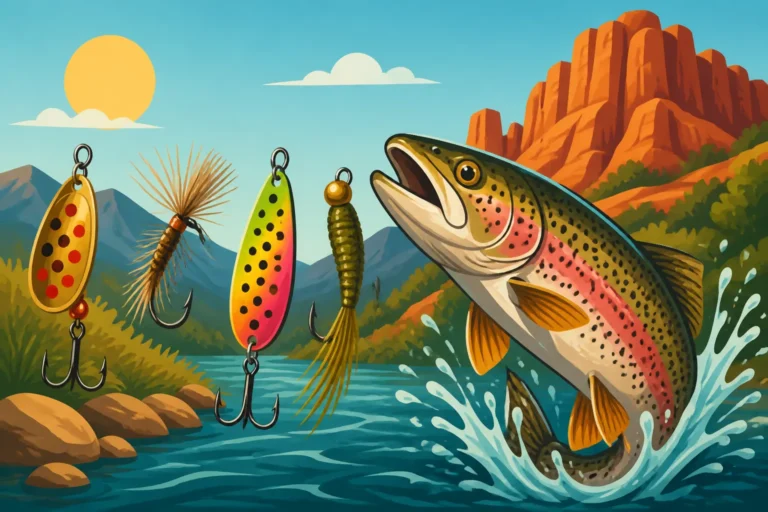
While the San Juan is famous for its midge and annelid patterns, being prepared with a variety of flies or lures for different conditions and times of year is key. If you're fishing a less-pressured area, the trout might be less selective, or they might be feeding on different insects or forage than their highly educated cousins in the main Quality Waters. Always check local conditions and recent reports, but don't be afraid to experiment. Having a diverse selection of patterns, from small nymphs to larger streamers, can make all the difference. Our guide on Fly Selection for New Mexico's San Juan River can provide a great starting point for what to carry in your fly box. Ultimately, a successful and solitary trip to the San Juan often comes down to a combination of smart planning, resilience to the elements, and a deep appreciation for the quiet moments the river can offer.
Disclaimer
This article is for general informational purposes only and does not constitute professional advice. Laws, prices and regulations vary by location and change over time. Consult a qualified professional for guidance on your specific situation.