Smallmouth Bass Fishing in New Mexico
Many anglers hitting the waters of New Mexico often set their sights on the classic trout streams or the sprawling reservoirs known for their largemouth bass. But if you overlook the tenacious, hard-fighting smallmouth bass, you’re truly missing out on an incredible angling experience. These bronze beauties offer a thrilling challenge that can test even the most seasoned fisher, and this guide is dedicated to unlocking the secrets of successful smallmouth bass fishing across the Land of Enchantment.
The Underrated Fighter: Why Smallmouth Bass are a New Mexico Gem
When you talk about bass fishing in New Mexico, the conversation often drifts to the largemouth, especially given their prevalence in many of our warmer reservoirs. But for those in the know, the smallmouth bass holds a special place. They might not always get as big as their largemouth cousins, but what they lack in sheer size, they more than make up for in pure tenacity and fighting spirit. It’s a distinct angling experience that keeps dedicated smallmouth enthusiasts coming back for more.
What Makes Smallmouth Bass So Special?
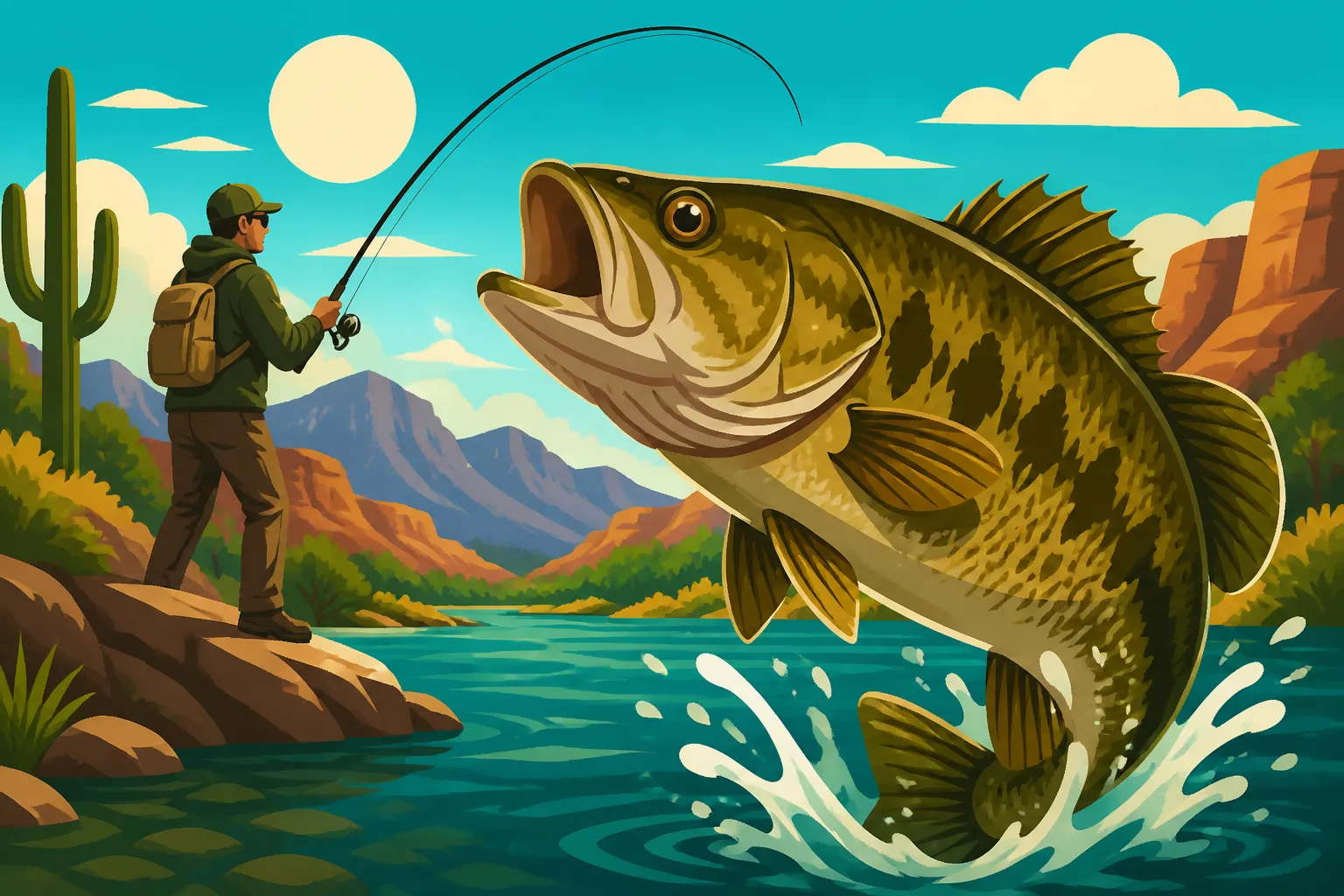
Smallmouth bass, often affectionately called "smallies," are renowned for their aggressive strikes and acrobatic fights. Unlike largemouth, who tend to make powerful runs and dig into cover, smallmouth are famous for their aerial displays and quick, darting movements. Hook into a good-sized smallie, and you can expect a series of jumps and head shakes that will get your adrenaline pumping. They're also incredibly smart fish, making them a captivating challenge to outwit with the right techniques and presentations. Their habitat preferences often lead anglers to some of New Mexico's most scenic and wilder waters, adding to the overall allure of targeting them.
Beyond their fighting prowess, smallmouth bass are also strikingly beautiful fish. Their mottled bronze and brown patterns, often with dark vertical bars, help them blend seamlessly into their rocky, clearwater environments. They have a sleek, torpedo-shaped body that is built for speed and power, allowing them to ambush prey and quickly escape predators. For many, the sight of a vibrant smallmouth being brought to the boat or shore is just as rewarding as the battle itself. They are a testament to the wild spirit of New Mexico's diverse aquatic ecosystems.
A Brief History of Smallmouth in New Mexico
Smallmouth bass aren't native to New Mexico, but they've established strong populations in several key waterways since their introduction. Like many non-native species, they were introduced to provide additional sportfishing opportunities, and they found suitable niches in the state's varied aquatic environments. Early stockings in the mid-20th century allowed them to colonize reservoirs and river sections that mimicked their preferred rocky, cooler water habitats. Over the decades, they've thrived in these areas, adapting to the unique conditions of New Mexico.
The success of smallmouth bass in New Mexico highlights the adaptability of the species. They've found a way to coexist and, in some cases, dominate certain niches, offering anglers a different kind of bass fishing than the traditional largemouth pursuit. Their presence has diversified the state's fishing landscape, providing year-round opportunities for dedicated bass anglers. Understanding this history helps us appreciate the journey these fish have made to become an integral part of New Mexico's sportfishing scene today, complementing the state's rich array of Fish Species Found in New Mexico.
The Thrill of the Fight: Smallmouth vs. Other Species
When you compare smallmouth bass to other popular game fish in New Mexico, their fighting style truly stands out. A largemouth bass might hit your bait with a thunderous strike and then try to bury itself in weeds or timber, using brute force. Trout, while beautiful and often acrobatic, tend to make long, strong runs. A smallmouth, however, combines explosive power with aerial acrobatics and cunning. They often hit a lure like a freight train, immediately attempting to jump clear out of the water, shaking their head violently to dislodge the hook.
This dynamic fight is what captivates so many anglers. You need to be quick to react, keeping tension on the line while anticipating their next move. The moment a smallmouth breaks the surface, your heart races as you try to keep them hooked through their head shakes and dives. It’s a full-body experience that demands attention and skill, offering a truly engaging battle that can make a ten-inch fish feel like a twenty-pound leviathan. This is why smallmouth are often considered pound-for-pound one of the hardest-fighting freshwater fish.
Prime New Mexico Waters for Smallmouth Bass
New Mexico offers some fantastic opportunities for smallmouth bass, particularly in its large reservoirs and certain river stretches. While not as widespread as largemouth, the areas where smallmouth thrive provide excellent fishing, often in stunning scenic locations. Knowing where to go is the first step in planning your smallmouth adventure.
Key Reservoirs and Lakes Known for Smallies
When it comes to smallmouth bass, several of New Mexico's larger reservoirs stand out as prime destinations. These lakes typically feature the rocky shorelines, clear water, and ample baitfish that smallmouth absolutely love. One of the most prominent is Abiquiu Lake, which is famous for its healthy population of smallmouth bass. Anglers here often report catching numerous fish, with the potential for trophy-sized specimens as well. The lake's unique geology, with its sandstone cliffs and submerged rock formations, creates ideal smallmouth habitat. It’s a truly beautiful spot to spend a day on the water, whether you're targeting smallmouth specifically or enjoying the overall scenery.
Another fantastic spot is Elephant Butte Lake, New Mexico’s largest reservoir. While renowned for its striped bass and largemouth, Elephant Butte also boasts a significant smallmouth population, particularly in its rockier northern sections and along deeper bluffs. Elephant Butte Lake Fishing Guide provides more detail, but for smallmouth, focus on areas with submerged boulders, steep drop-offs, and rocky points. Navajo Lake in northern New Mexico is another excellent choice, offering cold, clear water and extensive rocky structure perfect for smallies. Even Ute Lake in eastern New Mexico, while primarily known for its walleye and largemouth, holds some solid smallmouth in its rockier coves and along the dam. Each of these lakes presents different challenges and rewards, but all promise a shot at this feisty species.
Riverine Hotspots and Habitat Preferences
While reservoirs are often the go-to for smallmouth, don't overlook certain river sections in New Mexico. Smallmouth bass prefer rivers with clear, flowing water, a rocky or gravel bottom, and plenty of current breaks. These river environments often provide a more intimate fishing experience, where stealth and presentation are key. Look for stretches of rivers where the water flows over bedrock, creates eddies behind large boulders, or forms deeper pools at the bends. These areas offer both ambush points for feeding and protection from stronger currents.
The Rio Grande, particularly sections with rocky bottom and riffles, can hold smallmouth, though they might be overshadowed by other species in certain stretches. However, where conditions align, such as areas with good water clarity and structure, you can find surprisingly good smallmouth fishing. Tributaries feeding into the larger smallmouth lakes can also be productive, especially during spawning seasons when fish move into shallower, flowing water. Always check New Mexico Fishing Regulations Overview for specific rules on different river sections, as some areas may have special designations or restrictions on gear and harvest.
Understanding Habitat: Where Smallmouth Hide
Smallmouth bass are intrinsically tied to specific types of habitat. Unlike largemouth that prefer weeds, fallen timber, and muddy bottoms, smallmouth gravitate towards rocky environments. Think boulders, gravel beds, rock ledges, submerged humps, and current breaks. They thrive in clear to moderately clear water, which allows them to use their keen eyesight to ambush prey. Water temperature also plays a critical role; smallmouth prefer cooler water than largemouth, typically between 65-72 degrees Fahrenheit, though they can tolerate a wider range. This preference often places them deeper in lakes during warmer months or in river sections with consistent current.
When you're out on the water, look for these tell-tale signs. On lakes, scan for rocky points, steep bluffs, and transition zones where rock meets sand or mud. Submerged islands or rock piles are also smallmouth magnets. In rivers, identify current seams, eddies behind large rocks, and deeper pockets adjacent to swift water. These areas provide both shelter and a conveyor belt of food. Understanding these habitat preferences is crucial for How to Catch Trout in New Mexico, and it's equally vital for smallmouth, as it allows you to anticipate where the fish will be holding and present your lure accordingly. Sometimes, just a slight change in angle or depth can put your bait right in front of a hidden smallmouth.
Gear Up for Success: Essential Smallmouth Bass Tackle
Having the right gear is paramount when targeting smallmouth bass in New Mexico. Their hard-fighting nature and preferred rocky habitats demand tackle that can stand up to the challenge. Don't worry, you don't need to break the bank, but investing in quality components will definitely improve your success and enjoyment.
Rod and Reel Combinations for Smallmouth
For smallmouth bass, a versatile rod and reel setup is key. Most anglers opt for a medium to medium-heavy spinning rod, typically in the 6'6" to 7'6" range. This length provides excellent casting distance for covering water and enough backbone to handle those aggressive strikes and powerful jumps. A fast action tip is usually preferred, as it offers sensitivity for detecting subtle bites and quick hook sets. Pair this with a reliable spinning reel in the 2500-3000 size range, spooled with a good quality line. A smooth drag system is absolutely essential, as a smallmouth will test it repeatedly during the fight. You can find excellent options for both rods and reels on platforms like Amazon, offering a wide range of brands and price points to suit any budget.
If you're into baitcasting, a similar setup works well: a medium-heavy baitcasting rod around 6'6" to 7' paired with a high-quality baitcasting reel. Baitcasters offer more power and precision for certain presentations, like pitching jigs into cover or making long casts with heavier reaction baits. The most important thing is that the rod feels balanced in your hand and that you have confidence in its ability to handle a powerful fish. Having two different setups, a spinning and a baitcasting outfit, can be incredibly beneficial for adapting to various techniques and conditions you'll encounter on New Mexico's smallmouth waters.
Line Choices and Leader Setups
Choosing the right fishing line can make a significant difference in your smallmouth success. For spinning setups, many anglers prefer a 6-10 pound test fluorocarbon line as their main line, or a braided line of 10-15 pound test with a fluorocarbon leader. Fluorocarbon is nearly invisible underwater, offers excellent abrasion resistance (crucial around rocks), and has minimal stretch, enhancing sensitivity. If you go with braid, which is incredibly strong and sensitive, make sure to attach a fluorocarbon leader of 6-10 pounds. This leader provides the stealth and abrasion resistance that braided line lacks in clear water.
For baitcasting setups, 10-14 pound fluorocarbon or a heavier braided line (20-30 pound test) with a fluorocarbon leader of similar strength is common. The leader length can vary, but typically 3-6 feet is a good starting point. The reason for the leader is simple: smallmouth often live in very clear water, and they can be line-shy. A clear fluorocarbon leader allows you to present your lure naturally without spooking them. Remember to regularly check your leader for nicks and abrasions, especially after fishing around sharp rocks, as this is a common point of failure when fighting a feisty smallie.
Must-Have Lures and Baits
Smallmouth bass are opportunistic predators, but they do have preferences, especially depending on the season and water conditions. Having a diverse tackle box is key. Start with an assortment of jigs, particularly football jigs, hair jigs, and tube jigs in natural colors like green pumpkin, brown, and black. These are incredibly versatile and can be fished effectively around rocky structures. Crankbaits that dive to various depths are also crucial – shallow divers for points and flats, and deeper divers for fishing offshore humps and drop-offs. Colors like crawfish patterns, shad, and perch are always good bets. You can explore a vast selection of these on Amazon to stock up for your next trip.
Soft plastics are another essential category. Senkos, grubs, and creature baits rigged on a shaky head or Texas rig can be deadly. Don't forget topwater lures like poppers and walking baits for those exhilarating surface strikes, especially during low-light conditions or when fish are actively feeding on baitfish near the surface. Finally, spinnerbaits and chatterbaits can be excellent for covering water quickly and drawing aggressive reaction bites. Always carry a range of sizes and colors to match the forage and water clarity in the specific New Mexico lake or river you are fishing. Best Lures for New Mexico Bass provides more detailed recommendations.
Mastering Smallmouth Techniques in New Mexico's Diverse Waters
Smallmouth bass fishing is as much an art as it is a science. You need to be adaptable, reading the water and adjusting your approach based on what the fish are telling you. New Mexico's diverse environments, from deep reservoirs to flowing rivers, demand a variety of techniques to consistently catch these elusive fighters.
Topwater Tactics for Explosive Bites
There’s nothing quite like a smallmouth blowing up on a topwater lure. These explosive strikes are what many anglers live for. Topwater fishing is most effective during low-light conditions – early morning, late evening, or on overcast days – and when the water temperatures are warm, typically from late spring through fall. Smallmouth will often push baitfish to the surface, making them vulnerable to a well-presented topwater bait. Poppers, walk-the-dog style baits, and prop baits are all excellent choices.
When using a popper, cast it near rocky points, submerged structure, or along shorelines, let it sit for a few seconds, then give it a sharp twitch to create a "pop" and splash. Repeat with pauses in between. For walk-the-dog baits, a rhythmic retrieve that makes the lure "walk" from side to side is often irresistible. The key is to experiment with your retrieve speed and cadence. Sometimes a slow, deliberate approach is best, while other times a faster, more erratic retrieve can trigger a strike. Always be ready for a sudden, violent strike; these fish hit with conviction!
Subsurface Presentations: Jigs, Crankbaits, and Soft Plastics
Most of your smallmouth fishing will happen beneath the surface, where the fish spend the majority of their time. Jigs are arguably one of the most effective smallmouth lures. Tube jigs, in particular, excel at mimicking crawfish, a primary food source for smallies. Fish them on a jig head, hopping and dragging them along the bottom, simulating a crawfish scurrying away. Hair jigs and football jigs can also be incredibly effective, especially in deeper water or around heavier cover. You can find a huge variety of jig styles and colors on Amazon, allowing you to match any forage.
Crankbaits are fantastic for covering water and locating active fish. Shallow-diving crankbaits work well over rocky flats and points, while deep-diving crankbaits are essential for targeting fish holding on offshore humps and ledges. Experiment with different retrieve speeds; sometimes a steady retrieve is best, while other times a stop-and-go retrieve or even bumping the bait off rocks can trigger a strike. For soft plastics, drop shot rigs, Ned rigs, and shaky heads are stellar for finicky smallmouth, allowing for a very subtle and natural presentation. These are particularly effective in clear, cold water when fish are less aggressive. Texas-rigged creature baits can also be worked through heavier cover. Remember that sensitivity is key for these techniques, so pay close attention to your line for any slight taps or changes in tension.
Bank Fishing vs. Boat Fishing Strategies
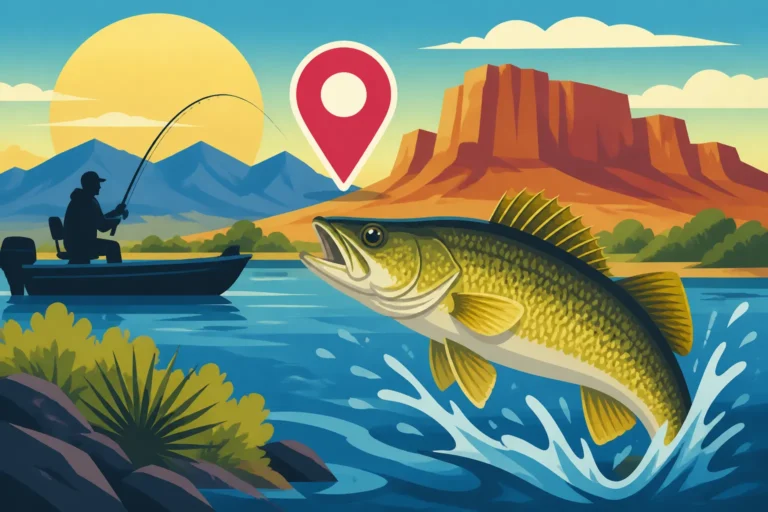
New Mexico offers opportunities for both bank fishing and boat fishing for smallmouth, each with its own advantages and challenges. Boat fishing gives you unparalleled access to prime smallmouth habitat: offshore humps, deep drop-offs, expansive rocky shorelines, and secluded coves. With a boat, you can cover a lot of water quickly, use electronics to locate structure and fish, and present a wider range of techniques. Trolling motor control and anchoring on specific spots become crucial for staying on fish. Having a boat allows you to follow the fish as they move seasonally, targeting different depths and structures. Many successful smallmouth anglers in New Mexico rely on boats to access the best spots on larger reservoirs like Abiquiu or Navajo Lake.
Bank fishing, while more limited in reach, can still be highly productive, especially in areas with good public access to rocky shorelines, points, and river sections. Focus your efforts on easily accessible rock piles, jetties, or steep banks that drop into deeper water. Longer casting rods can help you reach fish further out. Stealth is extra important when bank fishing; avoid stomping or casting a shadow over the water. Smaller boats like kayaks or float tubes can bridge the gap, offering more mobility than bank fishing without the full commitment of a larger motorboat. Gear Checklist for Bank Fishing at Ute Lake offers excellent advice for land-based angling that can be applied to smallmouth pursuits.
Seasonal Strategies for New Mexico Smallmouth
Understanding the seasonal movements and behaviors of smallmouth bass is critical for consistent success. Like all fish, their patterns are heavily influenced by water temperature, forage availability, and spawning cycles. New Mexico's distinct seasons demand different approaches to smallmouth fishing.
Spring: Pre-Spawn and Spawning Frenzy
Spring is a fantastic time for smallmouth bass fishing in New Mexico. As water temperatures begin to rise from their winter lows, typically reaching the 45-55 degree Fahrenheit range, smallmouth move from their deep wintering holes to shallower staging areas. This is the pre-spawn period, where they are actively feeding to build energy for the upcoming spawn. Look for them on main lake points, rocky flats, and secondary points leading into spawning coves. Reaction baits like jerkbaits, crankbaits, and spinnerbaits can be incredibly effective during this period, as fish are aggressive and willing to chase. Slow-rolling a spinnerbait or working a jerkbait with long pauses can often trigger big bites.
As water temperatures climb into the 55-65 degree range, smallmouth move to their spawning beds. They typically prefer gravelly or rocky bottoms in shallower water, often near protected coves or flats. This is the spawning frenzy period. While some anglers target bedding fish, it's generally best practice to leave them undisturbed to ensure successful reproduction. However, fish around the perimeter of spawning areas can still be caught. Once fish are done spawning, they will drop off the beds, often remaining shallow and feeding aggressively for a short post-spawn period before moving to deeper summer haunts. This whole cycle typically unfolds from late March through May in many New Mexico waters, but it can vary by elevation and specific lake conditions.
Summer: Deep Water and Early Morning/Evening Bites
New Mexico summers can be hot, and this heat drives smallmouth bass into deeper, cooler water in many reservoirs. During the day, expect to find them relating to offshore structure like deep humps, ledges, submerged roadbeds, and rock piles in 20-40 feet of water or even deeper. Using your fish finder and understanding contours is paramount during this time. Techniques like drop shotting, Ned rigs, and football jigs are highly effective for targeting these deeper fish, allowing for a precise presentation right in their strike zone. Deep-diving crankbaits can also be trolled or cast to cover extensive deep areas.
However, don't write off the shallows entirely during summer. Smallmouth will often move into shallower water during the early morning and late evening hours to feed under the cover of low light. This is your prime opportunity for exciting topwater action or to throw shallow crankbaits and spinnerbaits near rocky banks and points. During extremely hot periods, fishing at night can also be productive, with smallmouth often becoming more active. Look for shaded banks or areas with current in rivers to find active fish during the hottest parts of the day. Patience and adaptability are key during the summer months.
Fall: Feeding Fervor Before Winter
As the scorching summer heat gives way to cooler autumn temperatures, smallmouth bass enter a period of feeding fervor. They sense the approaching winter and begin to gorge themselves on baitfish and crawfish to build up fat reserves. Water temperatures gradually decline, and smallmouth become much more active throughout the day, often moving back to shallower to mid-depth structures. This can be one of the best times of the year to catch both numbers and trophy-sized smallmouth.
During the fall, aggressive reaction baits truly shine. Crankbaits in shad or crawfish patterns, spinnerbaits, jerkbaits, and even larger topwater lures (especially on warmer fall days) can draw powerful strikes. Look for smallmouth congregating on rocky points, humps, and steep banks where they can easily ambush baitfish. As winter approaches and water temperatures drop further, they will eventually transition back to their deeper wintering areas. The fall bite can last well into November in many New Mexico locations, offering a prolonged period of excellent fishing. This season presents a fantastic opportunity to implement many of the Bass Fishing Techniques for New Mexico Lakes.
Understanding Smallmouth Behavior and Conservation
Successful smallmouth bass fishing isn't just about lures and locations; it's also about understanding the fish itself. Knowing their diet, their growth patterns, and adhering to conservation practices ensures that these fantastic fighters will continue to thrive in New Mexico's waters for generations to come.
Foraging Habits and Diet
Smallmouth bass are opportunistic and highly visual predators, and their diet can vary significantly based on the available forage in a particular body of water. However, there are some consistent staples. Crawfish are a cornerstone of the smallmouth diet, and imitating them with tube jigs, creature baits, or crankbaits in crawfish patterns is often highly effective. Smallmouth will aggressively root around rocks to find and devour these crustaceans.
Beyond crawfish, baitfish such as shad, minnows, and small sunfish are also critical components of their diet. This is why lures mimicking baitfish, like jerkbaits, crankbaits, and spinnerbaits, work so well. In some lakes, they'll also consume insect larvae, small frogs, and even other smaller fish. Their diet influences their coloration, as fish feeding heavily on crawfish often develop a more reddish tint. Understanding what smallmouth are currently feeding on in a specific lake or river can give you a huge advantage, allowing you to "match the hatch" with your lure selection.
Size Limits, Bag Limits, and Catch & Release
Responsible angling is crucial for maintaining healthy smallmouth bass populations. New Mexico has specific regulations regarding size and bag limits for bass, including smallmouth. These regulations are designed to protect the breeding stock and allow fish to reach a mature size before being harvested. It's imperative that every angler checks the current New Mexico Fishing Regulations Overview or the New Mexico Department of Game and Fish (NMDGF) official guide before heading out. Regulations can vary by water body, so what's legal on Abiquiu Lake might be different on Elephant Butte or a specific river section.
Here's a general idea of what you might encounter, but always verify:
| Fish Species | General Statewide Daily Bag Limit | General Statewide Possession Limit | Minimum Length | Notes |
|---|---|---|---|---|
| Black Bass (incl. Smallmouth) | 6 (combined species) | 12 (combined species) | 14 inches | Some waters may have special limits or slot limits. |
Note: The table above provides typical examples. Specific regulations, including bag and possession limits and minimum lengths, can and do vary significantly by water body and are subject to change. Always consult the most current New Mexico Department of Game and Fish regulations before fishing.
Many dedicated smallmouth anglers practice catch and release, especially for larger fish. Releasing healthy fish ensures they can continue to spawn and contribute to the population. When practicing catch and release, handle the fish as little as possible, use wet hands to protect their slime coat, and try to remove the hook quickly. If the fish is deeply hooked, consider cutting the line rather than tearing vital organs. For more in-depth advice on this, check out Catch and Release Best Practices in New Mexico.
Protecting New Mexico's Smallmouth Populations
Conservation goes beyond just following regulations; it involves a mindset of stewardship. New Mexico's smallmouth bass populations, while often robust, are still susceptible to environmental changes, fishing pressure, and habitat degradation. By practicing responsible angling, we contribute to their long-term health. This means picking up any trash, avoiding disturbing sensitive spawning areas, and properly disposing of old fishing line, which can be harmful to wildlife.
Supporting the efforts of the NMDGF through license purchases and participation in angler surveys also helps. These funds and data are often used for habitat improvement projects, fish stocking programs (where appropriate), and managing fish populations. If you ever encounter invasive species, report them to the NMDGF. Protecting the broader aquatic ecosystem ultimately benefits the smallmouth bass and all other fish species that call New Mexico home. It's our collective responsibility to ensure that future generations can enjoy the thrill of fighting a New Mexico smallie.
Beyond the Basics: Advanced Tips for Trophy Smallmouth
Once you've mastered the fundamental techniques, you might set your sights on a true trophy smallmouth. These larger, older fish are often warier and more challenging to catch, demanding a deeper understanding of their behavior and environment. Elevating your game for trophy smallies requires patience, observation, and precision.
Reading the Water: Structure and Current
Trophy smallmouth bass are experts at finding and utilizing the best available habitat. They often relate to specific structural elements that offer prime ambush points, protection, and access to food. In reservoirs, this means looking for subtle changes in bottom composition, isolated rock piles, deep humps, steep breaks, and channel swings. Don't just cast blindly; use your electronics, like a good fish finder, to map out the underwater terrain. Pay attention to how the current (even subtle lake currents caused by wind or thermoclines) interacts with structure. Smallmouth will often position themselves on the "down-current" side of a rock or hump, waiting for food to drift by. For insights into selecting appropriate electronics, consider Choosing a Fish Finder for Deep Reservoirs.
In rivers, reading the water becomes even more critical. Look for eddy lines, current seams, and the calm pockets behind large boulders or log jams. These are prime resting and feeding areas for big smallmouth. The faster the current, the more these fish will hug the bottom or tuck into protected zones. Understanding how light penetration affects these areas at different times of day can also be a game-changer. Sunny days might push them deeper or into shade, while overcast days could see them more active in shallower, exposed areas. It's about developing an intuitive sense of where a big smallmouth should be given the conditions.
Finessing Finicky Fish
Trophy smallmouth, having survived countless encounters with anglers, can be incredibly finicky. They won't always smash a reaction bait. This is where finesse techniques come into play. A perfectly presented Ned rig, a subtle drop shot, or a lightly weighted tube jig can often entice a bite when nothing else will. The key to finesse fishing is slowing down, using lighter lines, and paying extremely close attention to your retrieve. A smallmouth might just inhale a bait without a pronounced "thump," requiring you to detect the bite through subtle line movement or a slight increase in pressure.
Another aspect of finessing is choosing the right bait for the mood of the fish. Sometimes, a tiny hair jig or a micro-crankbait is what it takes. Downsizing your presentation, using natural colors, and imparting minimal action can often be the secret to unlocking those tougher bites. Remember, a finicky fish isn't necessarily inactive; it's just more cautious. Persistence and a willingness to experiment with different finesse presentations will eventually pay off, allowing you to outsmart those wary trophy smallmouth.
Electronic Aids: Fish Finders and Mapping
Modern electronics have revolutionized smallmouth bass fishing, especially on New Mexico's larger reservoirs. A quality fish finder with good side-imaging or down-imaging capabilities can literally show you the underwater world. You can spot individual boulders, rock piles, drop-offs, and even see schools of baitfish and the bass relating to them. Learning to interpret these sonar images takes practice, but it's an invaluable skill for finding trophy smallmouth in deeper water. Many anglers research and purchase their fish finders and mapping chips through Amazon due to the wide selection and detailed product reviews.
GPS mapping systems, often integrated into fish finders or available as standalone units, are equally important. These allow you to mark waypoints for productive spots, navigate complex shorelines, and return precisely to offshore structure. Combining mapping with your sonar readings lets you systematically break down a lake. For instance, you might use side imaging to locate an offshore rock pile, mark it on your GPS, and then use your down imaging to examine it in detail before making a cast. This combination of tools allows for incredible precision, significantly reducing the amount of guesswork and increasing your chances of finding and catching those elusive big smallmouth.
Planning Your New Mexico Smallmouth Adventure
A successful fishing trip involves more than just casting a line. Thoughtful planning, from understanding local conditions to having the right provisions, can make all the difference, especially when heading out for smallmouth bass in New Mexico.
Combining Smallmouth Fishing with Other Activities
New Mexico is a state rich in outdoor recreation, and a smallmouth bass fishing trip can easily be combined with other exciting activities, making for a truly memorable adventure. Imagine spending your mornings battling feisty smallies on Abiquiu Lake, then spending the afternoon hiking the trails in the nearby Chama River Canyon Wilderness or exploring ancient petroglyphs. Many of our smallmouth lakes are located near state parks or national forests, offering opportunities for camping, birdwatching, and photography.
For those visiting northern New Mexico, a trip to Navajo Lake for smallmouth could be paired with exploring the Four Corners region or even taking a day trip to experience the famed San Juan River Fishing Guide for trout. If you’re at Elephant Butte, there are opportunities for watersports, camping, and exploring the wider Truth or Consequences area. This combination approach caters to families or groups with diverse interests, ensuring everyone finds something enjoyable. Just be sure to check the New Mexico Fishing Season Dates and Limits to align your fishing plans with the best times of year for specific species and activities.
Essential Packing List
Beyond your fishing gear, a well-thought-out packing list is crucial for a comfortable and safe smallmouth fishing trip in New Mexico. The weather can be unpredictable, especially in the mountains or on large, exposed reservoirs. Always bring layers of clothing, including waterproof rain gear, as sudden storms are not uncommon, particularly during monsoon season. Sun protection is paramount: a wide-brimmed hat, sunglasses, and high-SPF sunscreen are non-negotiable, given New Mexico's intense sun. You can easily find quality sun protection gear and other essentials on Amazon.
Don't forget plenty of water and snacks, as you might be out on the water for hours. A first-aid kit, a multi-tool, and a fully charged cell phone (with a portable charger) are also smart additions. If you’re boat fishing, remember to pack all required safety gear, including life jackets, a whistle, and a fire extinguisher. For bank anglers, a comfortable backpack to carry your tackle, water, and snacks is a must. A good pair of sturdy, waterproof wading boots with good grip will also be a lifesaver when navigating rocky shorelines or riverbanks.
Local Guides and Resources
Sometimes, the best way to jumpstart your smallmouth bass fishing success in a new area is to hire a local guide. These professionals have an intimate knowledge of the water, fish patterns, and the most effective techniques. They can save you countless hours of trial and error, put you on fish quickly, and teach you valuable skills that will benefit your future trips. Many guides operate on the major smallmouth fisheries like Abiquiu Lake and Elephant Butte. A quick online search for "New Mexico smallmouth bass fishing guides" will usually yield several options.
Beyond guides, the New Mexico Department of Game and Fish website is an invaluable resource for regulations, stocking reports, and general fishing information. Local bait and tackle shops are also goldmines of current information. The folks working there often fish the local waters and can provide up-to-the-minute advice on hot spots, effective lures, and water conditions. Don't be shy about striking up a conversation with other anglers at the boat ramp or on the shore; many are happy to share tips, especially if you share a passion for these incredible fish. Always remember to secure your New Mexico Fishing License Guide before you head out!
Disclaimer
This article is for general informational purposes only and does not constitute professional advice. Laws, prices and regulations vary by location and change over time. Consult a qualified professional for guidance on your specific situation.