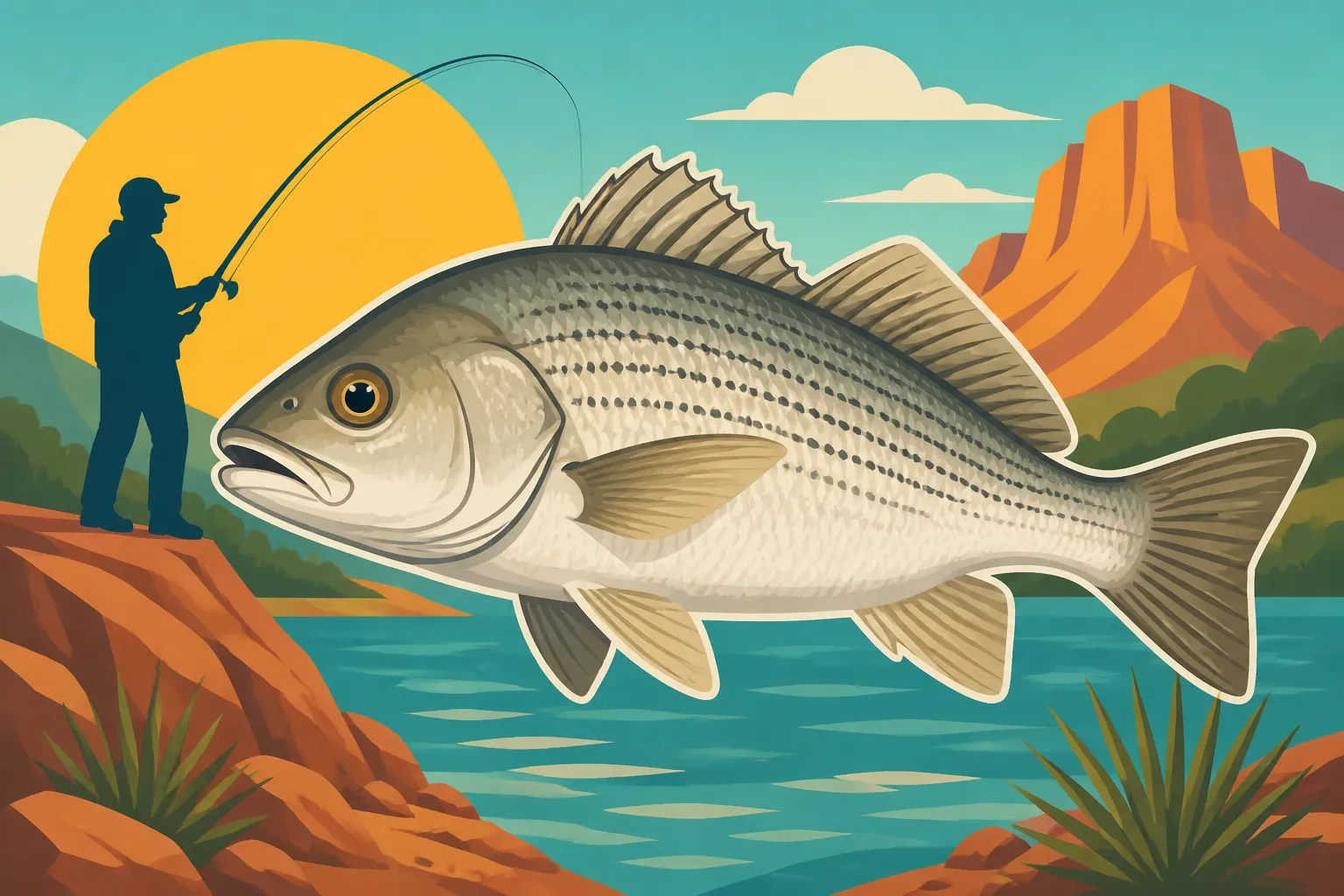
What a Freshwater Drum Is
Have you ever reeled in a fish from one of New Mexico's reservoirs or rivers, looked at it, and thought, "What is this thing?" For many anglers, the freshwater drum is exactly that mysterious catch. Often overlooked or mistaken for something else, this robust bottom-dweller is actually a fascinating and often hard-fighting fish. This guide will demystify the freshwater drum, helping you identify it, understand its habits in New Mexico waters, and even appreciate its potential as a game fish and table fare.
Understanding the Freshwater Drum: More Than Just a "Sheepshead"
The freshwater drum, while common across much of the central and eastern United States, often flies under the radar here in New Mexico. Anglers might catch them while targeting other species like catfish or walleye, and their unique appearance and behavior can sometimes lead to confusion. But once you get to know them, you'll find they're quite an interesting species in our diverse aquatic ecosystems.
Physical Characteristics and Identification
When you first pull a freshwater drum out of the water, you'll likely notice its deep, somewhat compressed body, often with a silvery-bronze to grayish color. They have a distinctive arched back and a relatively flat belly, giving them a stocky appearance. Their scales are large and rough to the touch. One of their most telling features is their mouth: it's subterminal, meaning it's located on the underside of their head, perfect for grubbing along the bottom. You won't see prominent teeth like a bass; instead, they have crushing plates in their throat used to break down shells.
Another key identifier is their lateral line, which extends all the way into their rounded tail fin—a trait uncommon in many other freshwater species. Their dorsal fin is also quite long, with a spiny anterior section followed by a much longer, soft-rayed section. Depending on the water clarity and diet, their color can range from a shiny silver in open, clear waters to a more muted, darker gray or brown in muddier environments. They can grow quite large, sometimes exceeding 20 pounds, making for an unexpected but thrilling battle on lighter tackle.
Scientific Classification and Common Names
Scientifically, the freshwater drum is known as Aplodinotus grunniens. The "grunniens" part of their name comes from the peculiar "drumming" or "grunting" sound they can make. This sound is produced by vibrating specialized muscles against their swim bladder, and it's thought to be used for communication, especially during spawning. It's truly a unique experience to hear a fish "drumming" from beneath your boat!
Locally and across different regions, you might hear freshwater drum referred to by a host of other names. "Sheepshead" is perhaps the most common alternative, though this can be confusing because true sheepshead (Archosargus probatocephalus) are saltwater fish. Other monikers include "grunter," "gaspergou," "perch," "croaker," or "silver bass." Understanding these various names can help you navigate conversations with fellow anglers, but knowing its proper name, freshwater drum, helps clarify what fish you're actually talking about.
Distinguishing Freshwater Drum from Other New Mexico Fish
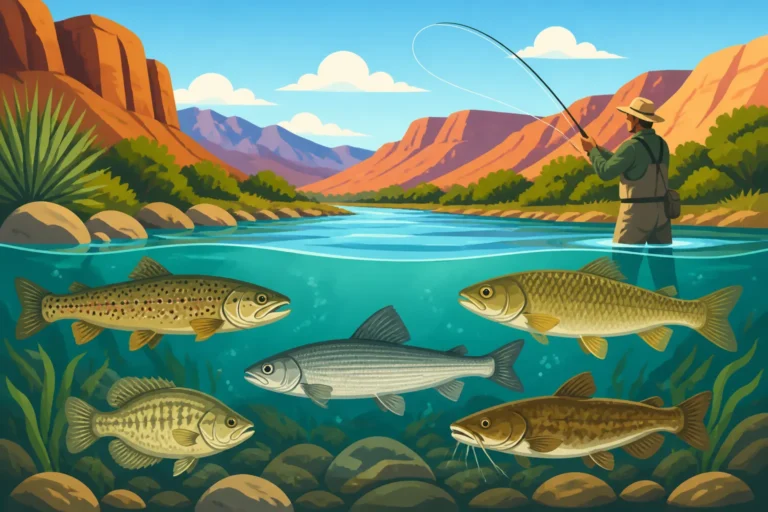
In New Mexico, it's fairly common for anglers to mistake a freshwater drum for a large crappie, a type of sunfish, or even a smaller carp. However, there are clear differences. Crappie typically have a much deeper body and a more pronounced fork in their tail. Sunfish are generally smaller and more colorful. Carp, while also bottom feeders and often large, have distinct barbels around their mouths and a much different scale pattern.
Here’s a quick comparison to help you tell them apart from some New Mexico regulars:
| Feature | Freshwater Drum | Crappie | Carp (Common) | Walleye |
|---|---|---|---|---|
| Body Shape | Deep, compressed, arched back | Very deep, flat-sided, thin | Cylindrical, robust, slight hump | Elongated, slender |
| Mouth Position | Subterminal (underneath) | Terminal (front), upturned | Subterminal, with barbels | Terminal, large, sharp teeth |
| Tail Fin | Rounded, lateral line extends into it | Forked | Slightly forked, rounded tips | Forked |
| Scales | Large, rough | Medium | Very large | Small, smooth |
| Color | Silvery-bronze to grayish | Silver, olive, with dark mottling/bands | Golden-brown to olive-green | Olive-green to gold, dark saddles |
| Distinguishing | Lateral line to tail, drumming sound | Black splotches, distinct dorsal/anal fins | Barbels, often slimy feel | Milky eyes, sharp teeth, white tip on tail |
Understanding these distinctions is key not only for proper identification but also for adhering to specific regulations that might apply to different species, although freshwater drum typically have very liberal limits or none at all due to their abundance. You can often find a good fish identification guide online, or even a waterproof laminated one to keep in your tackle box, readily available on platforms like Amazon.
Where Freshwater Drum Live and Thrive in New Mexico
New Mexico’s diverse waters, from vast reservoirs to winding rivers, provide ample habitat for freshwater drum. They are incredibly adaptable fish, capable of thriving in conditions that might stress other species, which contributes to their widespread presence. Knowing where to find them and what conditions they prefer can greatly improve your chances of a hook-up.
Preferred Habitats and Water Conditions
Freshwater drum are true generalists when it comes to habitat, but they do show a preference for certain conditions. They are most commonly found in larger rivers and reservoirs, particularly over soft bottoms made of sand, silt, or mud, which is ideal for their bottom-feeding habits. They are also comfortable in areas with submerged structure like old creek beds, rock piles, or sunken timber, where they can find food and cover.
They are quite tolerant of varying water clarity, from clear to moderately turbid, and can handle a wide range of temperatures. While many prized New Mexico species like trout prefer cold, pristine waters, drum are perfectly at home in the warmer, often murkier sections of our larger impoundments during the peak of summer. This adaptability means you can encounter them almost anywhere you find significant bodies of warm to temperate water in the state. They're often found in the same areas as catfish, which share similar habitat preferences.
Distribution Within New Mexico Waters
Within New Mexico, you'll find healthy populations of freshwater drum in several major bodies of water. The Rio Grande is a prime habitat, especially in the slower, deeper sections and downstream reaches. Tributaries and associated reservoirs along the Rio Grande system are also key locations.
Some of the most popular spots for catching drum, often incidentally, are our large reservoirs. Elephant Butte Lake Fishing Guide is well-known for them, as is its sister lake, Caballo Lake Fishing. These sprawling impoundments, with their vast stretches of varied bottom structure, provide ideal conditions for drum to forage and reproduce. Other notable lakes include Sumner Lake and Ute Lake, where they contribute to the overall warm-water fishery. If you're fishing these areas for bass, walleye, or catfish, don't be surprised when a drum takes your bait – they're everywhere!
Foraging Habits and Diet
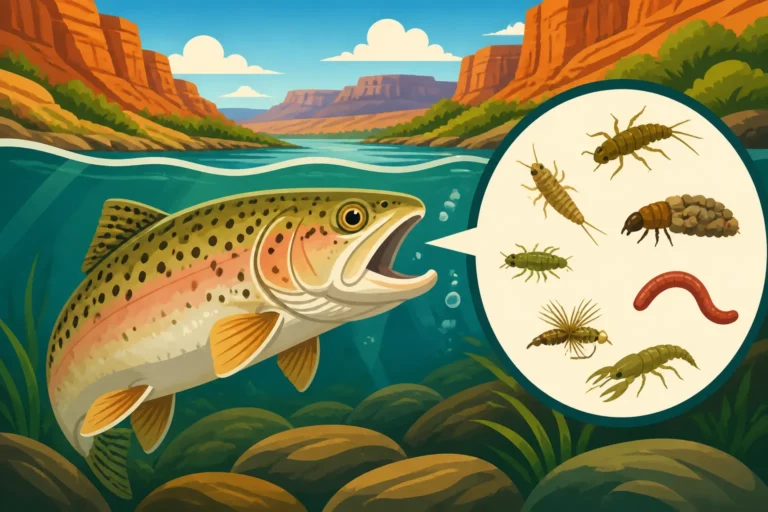
As their subterminal mouth suggests, freshwater drum are primarily bottom feeders. They use their sensitive barbels and crushing pharyngeal teeth (those throat teeth we mentioned earlier) to locate and process their meals. Their diet consists largely of benthic invertebrates—creatures living on or in the bottom substrate. This includes a lot of mollusks like snails and mussels, insect larvae, worms, and crayfish. They're also opportunistic and won't pass up a chance to eat small fish, especially those that are slow or injured.
Their strong sense of smell and touch helps them locate food in murky water or during low light conditions, making them active feeders throughout the day and even at night. This scavenging nature is why they readily take a wide variety of baits commonly used for other bottom-feeding fish. Understanding their diet helps you select the most effective baits and present them in a way that appeals to their natural foraging instincts.
Fishing for Freshwater Drum in New Mexico: Techniques and Tips
Fishing for freshwater drum can be a lot of fun, offering a surprising fight, especially on lighter gear. While many anglers catch them by accident, targeting them specifically can be a rewarding experience. They are generally cooperative biters and can provide consistent action, particularly when other species are finicky.
Gear and Tackle Recommendations
You don't need highly specialized gear to catch freshwater drum. A medium to medium-heavy spinning rod or baitcasting setup, typically 6 to 7 feet long, is usually perfect. This provides enough backbone to handle a strong fighting fish while still offering good sensitivity for detecting subtle bites. For line, 8-15 pound monofilament or braided line is a good choice. Braided line offers superior sensitivity and strength, which can be a real advantage when you're trying to feel those light taps on the bottom.
For reels, a spinning reel in the 2500-4000 series or a baitcasting reel that can handle similar line weights will do the trick. You'll want a reel with a smooth drag system, as drum can make powerful runs. When it comes to hooks, a Kahle hook, circle hook, or a wide-gap worm hook in sizes #1 to 3/0 works well, depending on your bait size. The key is to use sturdy hooks that won't straighten under the pressure of a strong fish. You can find excellent general-purpose rod and reel combos, as well as a variety of hooks, sinkers, and tackle boxes, on Amazon to get you started.
Best Baits and Lures for Freshwater Drum
Given their bottom-feeding diet, natural baits are often the most effective for freshwater drum.
- Worms: Nightcrawlers or large earthworms are classic choices. Threaded onto a hook, they present a tantalizing meal that few drum can resist.
- Cut Bait: Strips of shad, carp, or other oily fish can be incredibly effective, especially in murkier waters, as the scent trail draws drum in. This is also a fantastic bait for catfish, so it's a two-for-one deal! You can find more tips on this in guides like Best Bait for Catfish in New Mexico Rivers.
- Crayfish: Whole or cut crayfish are a natural food source for drum and often prove irresistible.
- Mussels and Snails: If you can collect them (and check local regulations for harvesting bait), cracked mussels or snails mimic their natural diet perfectly.
While artificial lures are less common for drum, they can still work, particularly jigs or small crankbaits that imitate baitfish or crayfish. Bottom-bouncing jigs tipped with a piece of worm or grub can entice a strike. Sometimes, even a lipless crankbait bounced along the bottom will draw an aggressive bite from a curious drum.
Effective Fishing Techniques
The most straightforward and effective method for catching freshwater drum is bottom fishing. This involves using a weight to keep your bait on the lake or riverbed. A common rig is a simple Carolina rig or a slip-sinker rig. For a Carolina rig, you'd thread an egg sinker onto your main line, followed by a bead, and then tie on a swivel. To the other end of the swivel, you attach a leader (12-24 inches) and then your hook. This allows the fish to pick up the bait without immediately feeling the weight of the sinker. Cast it out, let it sink to the bottom, and wait for a bite.
Drift fishing can also be very productive, especially on larger lakes like Elephant Butte or the wider sections of the Rio Grande. By letting your bait drift slowly with the current or wind, you cover more ground and present your offering to a wider range of fish. Make sure your weight is just enough to keep contact with the bottom without snagging too often. Look for current breaks, submerged humps, or the edges of old creek channels. If you’re targeting specific spots with structure, consider using a boat equipped with a fish finder; many good models can be found on Amazon.
When jigging, try slowly dragging or hopping a jig along the bottom. This can mimic a crayfish or injured baitfish, provoking a reaction strike. Drum bites can range from a subtle tap to a steady pull as they mouth the bait. Don't be too quick to set the hook; give them a moment to fully take the bait, especially with circle hooks.
Freshwater Drum as a Game Fish and Table Fare
So, you've landed a freshwater drum. Now what? These fish often generate questions about their fighting ability and, perhaps more importantly for some, their taste. Let's delve into their sporting value and culinary potential.
Fight and Sporting Value
Don't let the name "drum" fool you into thinking they're sluggish. Freshwater drum are surprisingly strong fighters, especially for their size. When hooked, they tend to make powerful, dogged runs, often staying deep and pulling hard. They have a broad, flat body that catches water, making them feel heavier than they are. Many an angler has been surprised by the sheer strength of a drum on the end of their line, mistaking it for a much-coveted walleye or even a small striped bass.
This tenacity makes them a fun target, particularly on medium or light tackle, where their fighting spirit is truly showcased. If you're looking for consistent action and a decent tug on your line, targeting freshwater drum can provide an exciting alternative when other game fish are proving elusive. It's a great way to introduce new anglers, especially kids, to the thrill of a good fight without needing super specialized techniques.
Culinary Aspects: Are They Good to Eat?
This is where opinions often diverge, but let's clear up some misconceptions: yes, freshwater drum are absolutely edible, and many people find them quite delicious! The reason for the mixed reviews often comes down to improper handling and preparation. Like many fish, if not bled properly and iced down quickly after catching, the meat can develop a "muddy" or "fishy" flavor.
The key to good-tasting drum is freshness and proper filleting. The meat is firm, flaky, and white, with a mild flavor that can be compared to red snapper or even cod. Fillet the fish as soon as possible, removing any dark red meat along the lateral line, as this is often where stronger flavors reside. They are excellent pan-fried, baked, broiled, or even grilled. Many recipes that call for white, flaky fish will work wonderfully with freshwater drum. So, next time you catch one, don't just toss it back—consider giving it a try on the dinner plate!
Conservation Status and Regulations
Freshwater drum are generally a very abundant and prolific species across their range, including in New Mexico. They are not considered endangered or threatened, and their populations are typically robust and healthy. Because of their widespread presence and reproductive success, fishing regulations for freshwater drum in New Mexico are usually very liberal. In most waters, there are no bag limits or size restrictions, meaning you can keep as many as you wish, provided you are a licensed angler.
However, it is always crucial to consult the most current New Mexico Fishing Regulations Overview published by the New Mexico Department of Game and Fish before heading out. Regulations can change, and specific water bodies might have unique rules. While drum are hardy, practicing responsible angling, such as proper catch-and-release techniques if you're not planning to keep them, helps ensure healthy fish populations for everyone to enjoy.
Disclaimer
This article is for general informational purposes only and does not constitute professional advice. Laws, prices and regulations vary by location and change over time. Consult a qualified professional for guidance on your specific situation.