New Mexico Daily Trout Bag Limit
It’s a common scenario: you’ve spent hours researching the perfect New Mexico fishing spot, gathered your gear, and finally cast your line into some pristine waters. Then, the fish start biting, and you’re faced with that age-old question – "How many can I actually keep?" The daily trout bag limit in New Mexico can be a real head-scratcher, varying wildly depending on where you are, what species you're targeting, and even the time of year. This guide is here to untangle that confusion, providing clear, in-depth information on New Mexico's trout limits so you can fish with confidence and stay on the right side of the law.
Understanding New Mexico's General Daily Trout Bag Limit
Navigating the waters of fishing regulations can feel like trying to untie a wet knot, especially when it comes to daily limits. The good news is that for most of New Mexico's beautiful lakes and rivers, there's a pretty straightforward statewide standard for trout. However, knowing when and where these general rules apply versus when specific, often stricter, regulations kick in is absolutely key.
The Statewide Standard for Most Waters
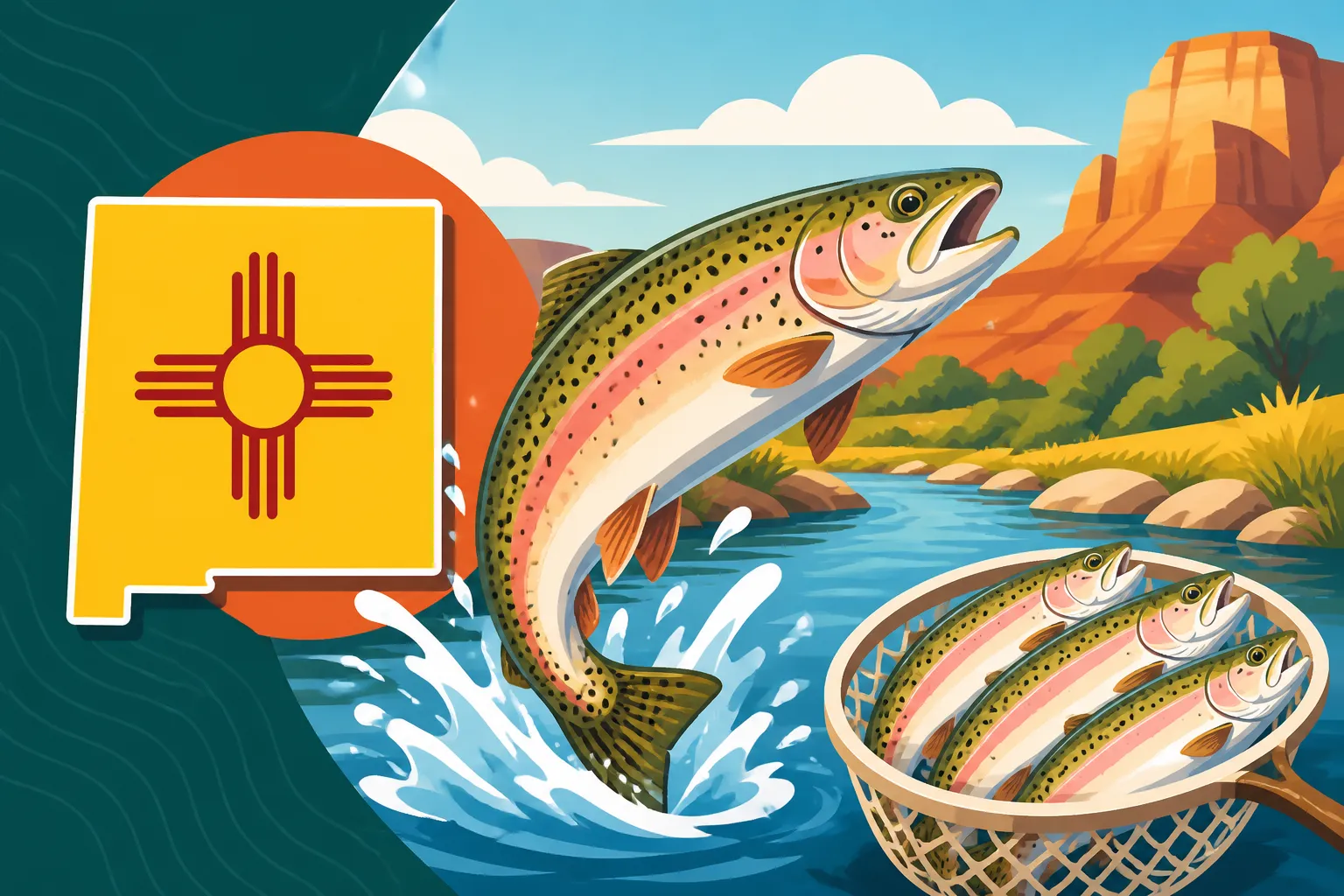
For the vast majority of New Mexico's publicly accessible waters, the general daily bag limit for trout is five fish per day. This straightforward rule applies to many of your favorite spots, from the lower sections of rivers to numerous high-elevation mountain lakes and community ponds that aren't designated as "special trout waters." When we talk about "trout" under this general limit, we're usually referring to a broad category that includes commonly stocked species like rainbow trout, as well as wild brown trout, brook trout, and even our native Rio Grande cutthroat trout and Gila trout in certain areas, provided there aren't specific harvest restrictions for those native species.
Imagine you're out fishing at Storrie Lake near Las Vegas, NM, a popular spot often stocked with rainbow trout. Under the general rule, if you have a fantastic morning and land seven beautiful rainbows, you can only legally keep five of them. The other two, no matter how tempting, must be carefully released back into the water to swim another day. It's a simple number, but remembering it is crucial. This standard also usually dictates the possession limit, meaning you can only have two daily bag limits (or 10 fish) at your primary residence. However, while out in the field or actively fishing, you’re limited to just one daily bag limit (5 fish). So, if you're camping at a lake for a few days, you can't accumulate more than your daily limit in your cooler until you're back at home base. This is a point of frequent confusion for anglers, and a quick check of the latest New Mexico Fishing Regulations Overview can save you a headache.
Why These Limits Matter: Conservation and Sustainability
It might seem arbitrary to say you can only keep five fish, especially when the fishing is hot and you feel like you could catch a dozen. However, these limits are far from arbitrary; they are the cornerstone of responsible fisheries management and conservation efforts by the New Mexico Department of Game and Fish (NMDGF). The primary goal is to ensure the long-term health and sustainability of our cherished fish populations. Without these regulations, even popular, heavily stocked fisheries could be quickly depleted by eager anglers.
Consider a small, easily accessible community pond that gets stocked regularly. If there were no limits, a few dedicated anglers could conceivably remove all the newly stocked fish within a day or two, leaving nothing for others or for the fish to grow larger. By setting a reasonable daily bag limit, NMDGF ensures that more anglers get a chance to enjoy the resource, and it allows a portion of the stocked fish to remain in the water, potentially growing bigger or dispersing further. For wild trout populations, particularly in delicate stream ecosystems or high mountain lakes, bag limits are even more critical. These fish often reproduce slower and are more susceptible to environmental changes. Overfishing in such areas can have devastating, long-lasting impacts on the genetic diversity and viability of the population. Understanding these ecological reasons behind the rules helps us appreciate their importance and fosters a sense of stewardship for New Mexico’s incredible fishing heritage. When you adhere to the New Mexico Trout Fishing Rules, you're directly contributing to the future of fishing in our state.
Navigating Special Trout Waters and Their Unique Limits
While the general statewide limit of five trout per day applies to many areas, New Mexico is also home to a number of "Special Trout Waters" or "Quality Waters" designations. These specific areas are managed intensively to create unique fishing experiences, often focusing on trophy-sized fish, native species restoration, or specific angling methods. The trade-off for these exceptional opportunities is that the daily bag limits and other regulations can be drastically different and much stricter. Missing these details can quickly turn a fantastic fishing day into a frustrating encounter with a game warden.
The San Juan River Quality Waters as a Prime Example
Perhaps the most famous example of a Special Trout Water in New Mexico is the incredible San Juan River Quality Waters, located below Navajo Dam. This stretch of river is world-renowned for its unbelievably abundant and large rainbow and brown trout. However, the fishing experience here is meticulously managed, and the daily bag limit reflects that. In the Quality Waters section, anglers are typically restricted to a limit of one trout, 20 inches or larger. Think about that for a moment: if you catch twenty fish under 20 inches, you still can’t keep any of them! Moreover, in this specific section, fishing is often restricted to artificial flies and lures only, and barbless hooks are mandatory. The frustration of catching a beautiful 18-inch rainbow and having to release it can be real, but these stringent rules are exactly what allows the San Juan to consistently produce such large, healthy trout, making it a destination for anglers worldwide. It’s a conservation success story born from careful regulation, ensuring that the San Juan River Quality Waters Section remains a premier fishery.
It’s important to note that the rules for the San Juan River change as you move downstream. Below the Quality Waters section, for example, the regulations often revert to a more general statewide limit, or sometimes specific rules for that particular stretch, allowing for a higher take and the use of bait. This highlights the critical need to know the exact section of water you are fishing. Always check the current NMDGF regulations booklet or website for the most up-to-date information, as these boundaries and rules are strictly enforced.
Other Designated Special Trout Waters and Their Variations
Beyond the San Juan, New Mexico boasts several other waters designated for special management, each with its own set of rules and daily bag limits. For instance, Fenton Lake, nestled in the Jemez Mountains, is a popular trout fishery with its own distinct regulations. Often, Fenton Lake is managed as a "fly-fishing-only" lake or has specific size and bag limits for trout that differ from the statewide standard, sometimes reducing the limit to three fish per day or even two. Similarly, some high-mountain lakes or specific sections of rivers, particularly those involved in native trout restoration efforts, might have catch-and-release only rules for certain species, or severely reduced limits to protect vulnerable populations.
The overarching theme for these areas, often falling under the New Mexico Quality Waters Program, is intensive management to achieve specific conservation or recreational goals. This means that while the fishing can be exceptional, it comes with the responsibility of knowing and adhering to complex rules. Anglers who prefer to keep a daily stringer of fish need to be particularly diligent about checking these specific regulations, as a "limit of one" or "catch-and-release only" can be a surprise if you're used to the general five-fish rule. Before you ever wet a line in a new area, particularly one known for its trout, make it a habit to consult the official NMDGF fishing proclamation. You can usually find a physical copy at license vendors, or easily access the digital version online. This ensures you understand the New Mexico Special Trout Water Rules and avoid any unintentional violations.
Practical Application: Staying Legal and Ethical
Understanding the rules is one thing, but actually applying them on the water, especially when the action is fast, can be another challenge. There’s a crucial distinction between what you catch, what you keep, and what you’re allowed to have at any given moment. Plus, knowing where to find the absolute latest information is your best defense against accidental violations.
Counting Your Catch and Possession Limits
Here’s where it gets a little more nuanced than just "five fish a day." New Mexico regulations differentiate between a "daily bag limit" and a "possession limit." The daily bag limit is the maximum number of game fish you can take (i.e., kill and keep) in any single calendar day. For general trout waters, as we discussed, that's typically five. The possession limit refers to the maximum number of game fish you can have in your possession at any given time, whether it's in your cooler, your vehicle, or back at your campsite or lodging. In New Mexico, for most species, the possession limit is two daily bag limits.
Let's break this down with a practical scenario, as this is where most folks get tripped up. Say you're fishing a general trout water with a five-fish daily bag limit. On Monday, you catch and keep five trout. That's your daily limit. If you head home, those five fish now count towards your possession limit. On Tuesday, if you go out fishing again, you can legally catch and keep another five trout. Now, you have ten fish in your possession (the five from Monday and the five from Tuesday), which is your maximum possession limit. You cannot keep any more fish until you've eaten or otherwise legally disposed of some of your catch, bringing your possession total down.
The critical distinction is when you are in the field or actively fishing. While actively fishing, your possession limit is effectively your daily bag limit. So, if you're on a multi-day camping trip at a lake, you can only have five trout in your cooler at your campsite until you consume some. You can't catch five on Monday, put them in the cooler, and then catch another five on Tuesday to put in the cooler, bringing your camp cooler total to ten. While fishing, your possession limit for trout is the same as the daily bag limit. Once you've reached your daily limit for trout, you generally must cease fishing for trout in that body of water for the remainder of the day. This rule prevents anglers from "high-grading" (catching and releasing smaller fish to replace them with larger ones after the limit is reached), which can be detrimental to fish populations. Keeping a close eye on the New Mexico Trout Bag and Possession Limits section of the regulations is vital for responsible angling.
Checking the Regulations: Your Best Defense
The single most important piece of advice any veteran angler can give you is this: always check the current regulations before you go fishing. Seriously, every single time, especially if you're trying a new spot or it's been a while since your last trip. The New Mexico Department of Game and Fish publishes a comprehensive "Fishing Rules and Information" booklet annually. This isn't just a suggestion; it’s your bible on the water. Regulations can change due to drought conditions, management decisions, or seasonal shifts. What was legal last year, or even last month, might not be today.
You can pick up a physical copy of the booklet at most NMDGF offices, many sporting goods stores, and authorized license vendors across the state. In this digital age, however, accessing the latest information is easier than ever. The NMDGF website always has the most current digital version available for download. Many anglers keep a PDF copy saved on their phone for quick reference while on the water. Some even invest in a waterproof pouch (which you can find readily on Amazon) to protect a printed copy in their tackle box or fishing vest. When you’re buying your New Mexico Fishing License Guide online, you'll often have direct access to these updated regulations as well. Don't rely solely on what a buddy told you, or what you remember from a few years ago. Taking a few minutes to confirm the rules specific to your chosen fishing spot and the species you’re after can save you from a fine and ensure your angling adventure is stress-free.
Penalties and Consequences of Over-Limits
Let's be blunt: violating fishing regulations, especially daily bag limits, is a serious offense in New Mexico. It's not just a slap on the wrist; there are real, tangible consequences. The exact penalties can vary depending on the severity of the violation, the number of fish over the limit, and whether it's a first offense. However, common penalties often include significant fines, which can quickly add up. For example, being found with even one fish over the limit in a special trout water could result in a fine of several hundred dollars.
Beyond monetary penalties, game wardens have the authority to confiscate your catch, your fishing gear (including rods, reels, and tackle), and even your vehicle or boat in extreme cases. Perhaps most impactful for an avid angler is the potential for license revocation or suspension. This means you could lose your privilege to fish in New Mexico for a period of time, or even permanently in cases of repeated or egregious violations. Imagine having your fishing license suspended for a year because you forgot to check the specific limits for a particular lake. It's a tough lesson to learn. Ignorance of the law is never an excuse, and game wardens are dedicated professionals tasked with protecting our natural resources. They understand mistakes happen, but they also have a job to do. Always prioritize compliance to avoid the unpleasant experience of facing New Mexico Fishing Violations and Penalties.
Resources and Tools for the Responsible Angler
Being a responsible angler in New Mexico goes beyond just knowing the rules; it's about equipping yourself with the right tools and staying actively engaged with the fisheries management community. With so many variables like water levels, stocking schedules, and special regulations, having reliable resources at your fingertips can make all the difference for a successful and compliant fishing trip.
Essential Gear for Compliance and Catch Care
To truly be prepared, your tackle box should hold more than just lures and hooks. Incorporating gear that helps you adhere to regulations and responsibly manage your catch is crucial. First and foremost, a reliable measuring device is a must-have. Whether it’s a simple tape measure or a designated fish ruler, being able to accurately measure your trout is essential, especially in waters with minimum or maximum size limits. Many Quality Waters, like the San Juan, have a strict "no harvest under 20 inches" rule, making precise measurement non-negotiable.
For those legal catches you plan to keep, a quality cooler is vital. Keeping fish fresh and properly chilled not only preserves their flavor but also ensures they don’t spoil, making your harvest a waste. Consider adding a small, personal digital scale (readily available on Amazon) to your kit if you're interested in weighing your catches, even if it's just for personal records before releasing them.
If you’re practicing catch-and-release, which is often mandatory in special trout waters or a personal preference, a soft, knotless landing net is an invaluable tool. These nets are far less damaging to a fish's delicate slime coat, fins, and eyes compared to traditional knotted nets, significantly increasing the fish's survival rate upon release. Similarly, a pair of long-nosed pliers or a de-hooking tool can help you quickly and safely remove hooks, especially barbless ones, minimizing handling time and stress on the fish. For more tips on successful angling, check out our guide on How to Catch Trout in New Mexico.
Staying Informed with NMDGF Updates
Regulations aren't static; they can and do change. The best way to stay ahead of the curve is to leverage the resources provided by the New Mexico Department of Game and Fish. Their official website is a treasure trove of current information. Beyond the annual regulations booklet, they often post news releases, stocking reports, and urgent updates regarding specific water bodies (e.g., temporary closures due to low water, disease outbreaks, or special events).
Consider subscribing to the NMDGF newsletter or following their official social media channels. These platforms are excellent for receiving real-time alerts about anything that might impact your planned fishing trip, such as when New Mexico Fishing Season Dates and Limits might be adjusted for a particular area. Regularly checking their online "Fishing Report" section can also provide insights into which lakes and rivers are fishing well, what species are active, and any current conditions to be aware of. Knowing about recent stockings, for example, can inform your choice of Best Places to Fish in New Mexico and significantly improve your chances of success. By actively engaging with these resources, you become a more informed, effective, and responsible angler, contributing to the health of New Mexico's fisheries for everyone to enjoy.
Disclaimer
The information provided in this guide is for general informational purposes only and is not intended to be legal advice. Fishing regulations in New Mexico are subject to change by the New Mexico Department of Game and Fish. It is the responsibility of every angler to consult the most current official NMDGF Fishing Rules and Information booklet or website before engaging in any fishing activity. Failure to do so may result in penalties.