Do You Need a Permit to Fish Navajo Nation Waters in New Mexico?
It's incredibly frustrating, isn't it, when you're geared up for a fantastic day of fishing in New Mexico, only to find yourself scratching your head about whose rules apply where? The Land of Enchantment offers some truly incredible angling opportunities, but the patchwork of regulations, especially when it comes to tribal lands, can feel like navigating a maze. This guide is here to untangle the confusion surrounding fishing permits on Navajo Nation waters in New Mexico, ensuring you're fully prepared and compliant before you even cast a line.
The Complex Web of Fishing Regulations in New Mexico
New Mexico is a state rich in diverse landscapes and, consequently, diverse fishing experiences. From the high mountain streams teaming with trout to the sprawling warm-water reservoirs, there's a spot for every angler. However, this diversity also extends to the regulatory environment, which can be a real headache. You might think that once you have your standard New Mexico Fishing License Guide, you're good to go anywhere, but that's not always the case, especially when you venture onto tribal lands.
Why Tribal Lands Are Different
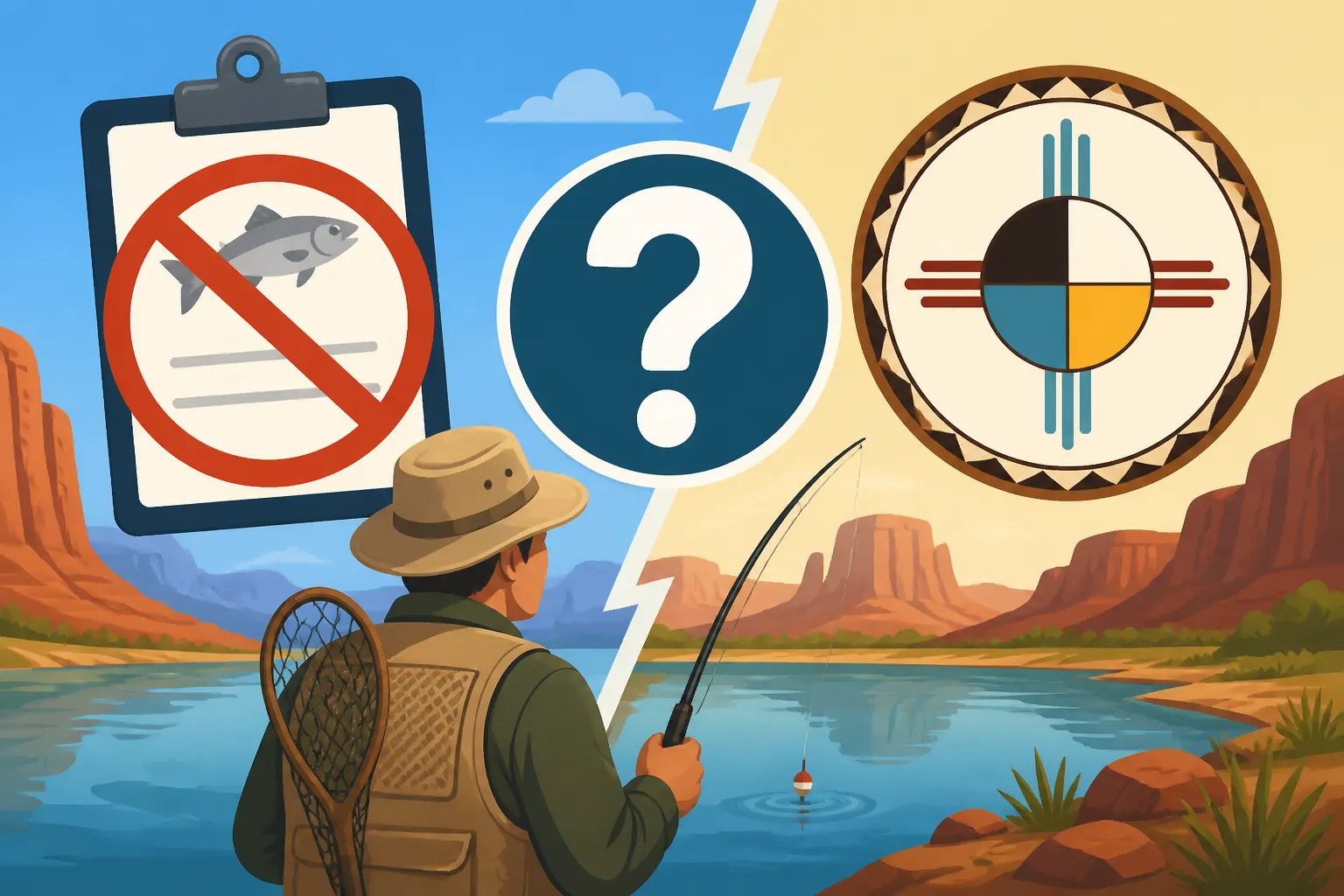
One of the biggest sources of confusion for many anglers visiting or living in New Mexico is the sovereign status of tribal nations, including the Navajo Nation. These nations are not just another county or state park; they are independent governmental entities with the authority to establish and enforce their own laws and regulations, including those pertaining to hunting, fishing, and recreation. This means that a permit issued by the State of New Mexico, while valid on state-managed waters, does not automatically grant you the right to fish on lands or waters managed by the Navajo Nation. It’s a completely separate jurisdiction, and treating it otherwise can lead to unpleasant surprises, like fines or even confiscation of your gear. It's a critical distinction that many anglers, understandably, overlook or simply don't know about until they're faced with a situation on the water.
The Importance of Knowing Before You Go
Imagine driving hours to a pristine fishing spot, only to be turned away or cited because you didn't have the correct permit. This isn't just an inconvenience; it can spoil your entire trip and potentially cost you a significant amount of money in fines. Beyond the legal ramifications, understanding and respecting tribal regulations is a matter of courtesy and respect for the sovereign nation whose lands you are visiting. The Navajo Nation, like other tribes, manages its natural resources carefully, often with an emphasis on conservation and cultural preservation. Adhering to their rules not only keeps you out of trouble but also supports their efforts to maintain healthy fish populations and ecosystems for future generations. Always doing your homework before heading out, especially to areas that might be on tribal land, is an absolute must. Check the latest rules and ensure you have all the required validations, perhaps even a New Mexico Habitat Stamp and Validation Requirements if you plan to fish state lands as well.
Understanding Navajo Nation Fishing Permits
Now, let's get down to the brass tacks: do you need a permit to fish Navajo Nation waters in New Mexico? The straightforward answer is a resounding yes. Your New Mexico state fishing license, even if you’ve purchased the annual version or a specific New Mexico One-Day and Five-Day Fishing Licenses for a short trip, will not grant you access to fish on Navajo Nation lands. This is a point of frequent misunderstanding, and it’s vital to grasp the distinction.
Is a New Mexico State License Enough?
To reiterate, a New Mexico state fishing license is not sufficient for fishing on waters entirely within the Navajo Nation boundaries. The State of New Mexico's jurisdiction ends where the Navajo Nation's sovereignty begins. This applies to all tribal lands across New Mexico and the United States. So, if your fishing plans involve waters like Wheatfields Lake, Tsaile Lake, or other specific waters that are managed by the Navajo Nation Department of Fish and Wildlife (NNDFW), you absolutely need a separate permit issued by the Navajo Nation. This isn't meant to be a barrier; it's simply how sovereign nations manage their own resources. It's similar to needing a different license if you were to fish in Arizona or Colorado, despite being adjacent states. The rules of New Mexico Fishing Regulations Overview apply to state waters, not universally.
How to Obtain a Navajo Nation Fishing Permit
Getting your Navajo Nation fishing permit is a crucial step. The Navajo Nation Department of Fish and Wildlife (NNDFW) is the authority responsible for issuing these permits. Unlike state licenses, which can often be purchased through various vendors and online portals for How to Get a New Mexico Fishing License, Navajo Nation permits have specific acquisition methods.
Typically, you can purchase these permits online directly through the NNDFW website, which is usually the most convenient method for many anglers. This allows you to secure your permit before you even leave home. When purchasing online, you'll need to provide standard personal identification information. It's always a good idea to print out a copy of your permit and carry it with you, along with a digital copy on your phone.
In addition to online options, there are often physical vendors located on or near the Navajo Nation that sell these permits. These vendors can include tribal government offices, some convenience stores, or sporting goods shops in nearby towns. For example, if you're planning to fish in the Window Rock area, checking with local businesses there might be an option. However, given the expansive nature of the Navajo Nation and the convenience of modern technology, the online route is often preferred. Before you head out, always double-check the NNDFW website for the most current information on where and how to purchase permits, as policies and vendor lists can change. You might even find some fishing gear from reputable brands like Ugly Stik or a new fishing vest on Amazon to pair with your permit when planning your trip.
What Does a Navajo Nation Permit Cover?
A Navajo Nation fishing permit grants you access to fish the designated waters within the Navajo Nation's territory. In New Mexico, this includes sections of larger bodies of water like Navajo Lake, which straddles state and tribal lands, as well as numerous smaller lakes and ponds managed exclusively by the Navajo Nation.
For example, if you're exploring the area around Navajo Lake, it's essential to understand that while a significant portion of the lake falls under New Mexico State Parks and Game & Fish jurisdiction, certain arms or shorelines, particularly towards the northern and western reaches, might be within Navajo Nation boundaries. Fishing these specific areas would require a Navajo Nation permit. Other smaller, more remote waters that might be entirely within the Nation's lands include places like Tsaile Lake and Wheatfields Lake, which are popular for trout fishing.
The permit typically covers the species found within those waters, which can include various trout species (rainbow, brown, cutthroat), bass, and panfish, depending on the specific lake or river. It's crucial to consult the NNDFW's specific regulations booklet or website for detailed information on which waters are covered and what species you can expect to find there. These tribal regulations will also outline specific bag limits, size restrictions, and bait/lure rules, which may differ significantly from New Mexico's statewide rules or even specific New Mexico Trout Fishing Rules.
Navigating Fishing on Navajo Waters: Beyond the Permit
Securing your Navajo Nation fishing permit is just the first step. To ensure a respectful, enjoyable, and compliant fishing experience, it's vital to delve into the specific regulations that govern these waters. These rules are designed to protect the unique ecosystems and fish populations within the Navajo Nation and ensure sustainable angling for everyone.
Key Regulations and Rules to Know
Navajo Nation fishing regulations can vary from the State of New Mexico's rules, sometimes quite significantly. It's never safe to assume that what's legal on state waters is legal on tribal waters. Here are some key areas where you'll want to pay close attention:
- Bag and Possession Limits: These dictate how many fish of a certain species you can keep per day and how many you can have in your possession. Navajo Nation limits might be more conservative than state limits, especially for sensitive species or in waters undergoing restoration. For example, while the state has a general daily trout bag limit, the Navajo Nation might have different numbers for certain lakes or specific trout species.
- Size Restrictions: Minimum or maximum size limits are often in place to protect juvenile fish or to encourage the harvest of smaller, more numerous fish while allowing larger breeders to remain. Always carry a measuring tape.
- Bait and Lure Restrictions: This is a common area of divergence. Some Navajo Nation waters might be designated as "artificial lure and fly only" or "single barbless hook" sections, similar to certain New Mexico Special Trout Water Rules like the San Juan River Quality Waters. Live bait might be strictly prohibited in some areas to prevent the introduction of invasive species or diseases. Always check if PowerBait or worms are allowed.
- Fishing Hours: While many state waters are open 24/7, some tribal waters might have specific fishing hours or may be closed during certain times of the year for spawning or cultural events.
- Camping and Access: Rules for camping near fishing spots, vehicle access, and off-road driving can be very stringent on tribal lands. Respect posted signs and always stay on designated roads and trails.
- Cultural Sensitivity and Respect: Remember you are a guest on sovereign land. Always be respectful of the environment, other anglers, and tribal members. Do not litter, disturb cultural sites, or trespass on private tribal properties.
Always make sure to acquire the most recent copy of the Navajo Nation Department of Fish and Wildlife's fishing regulations booklet. This can often be downloaded from their website, and sometimes printed copies are available at permit vendors. Don't rely on outdated information or hearsay; the rules are subject to change.
Specific Navajo Nation Fishing Hotspots in New Mexico
While the Navajo Nation spans into Arizona and Utah, several significant fishing opportunities exist within its New Mexico borders. These waters offer unique experiences, often with a sense of tranquility and connection to the landscape that's hard to find elsewhere.
- Navajo Lake Tribal Sections: As mentioned, certain parts of Navajo Lake fall within Navajo Nation territory. These areas can offer excellent opportunities for species like bass, trout, and kokanee salmon. Anglers seeking to explore these particular coves or stretches of the lake must ensure they have the appropriate Navajo Nation permit. Our comprehensive Navajo Lake Fishing Guide provides more detail on the lake as a whole, but it's important to remember that specific tribal rules apply in designated areas.
- Wheatfields Lake: Located east of Lukachukai, Arizona, but still within the larger Navajo Nation territory accessible from New Mexico, Wheatfields Lake is a high-elevation lake known for its rainbow trout, and sometimes brown trout. It's a popular spot for both shore fishing and small boats, offering a picturesque setting.
- Tsaile Lake: Another beautiful high-elevation lake on the Navajo Nation, Tsaile Lake is also managed for trout fishing. It offers serene surroundings and is a fantastic spot for those looking for a peaceful angling experience away from larger crowds.
Before visiting any of these specific locations, verify their current status, accessibility, and fishing regulations directly with the NNDFW. Water levels can fluctuate, and specific access points might change.
Planning Your Trip: Practical Tips for Anglers
Preparing for a fishing trip to Navajo Nation waters requires a bit more foresight than simply grabbing your gear and heading to a local state park. A little extra planning will go a long way in ensuring a smooth and successful outing.
Combining State and Tribal Fishing Plans
Many anglers who visit New Mexico might plan to fish both state and tribal waters during their trip. This is absolutely doable, but it requires careful management of your licenses and permits. If you plan to fish a state-managed lake one day and a Navajo Nation lake the next, you will need both your valid New Mexico Annual Fishing License (or daily equivalent) and a Navajo Nation fishing permit.
It’s crucial to know the precise boundaries of where state jurisdiction ends and tribal jurisdiction begins, especially on shared bodies of water like Navajo Lake. Maps and information provided by the NNDFW or New Mexico Game & Fish can help clarify these boundaries. When in doubt, it’s always best to err on the side of caution and ensure you have the correct permit for the specific area you are fishing. Carrying both permits and being ready to present them can save a lot of hassle. Remember, violating fishing regulations can lead to significant New Mexico Fishing License Violations and Penalties, so it's always worth being meticulous.
Essential Gear Considerations
While much of your standard fishing gear will be suitable, there are a few considerations unique to fishing on tribal lands, or practical tips for making your trip easier.
- Appropriate Tackle: If certain waters are "fly and lure only" or require barbless hooks, make sure your tackle box is stocked accordingly. Having a selection of local fly patterns or specific lures known to work in those areas can be a huge advantage. You can find a vast array of tackle, from fly lines to spinnerbaits, easily through online retailers like Amazon, ensuring you’re well-equipped.
- Maps and Navigation: Cell service can be spotty or nonexistent in many remote areas on the Navajo Nation. Bring physical maps, a GPS device, or download offline maps to your phone to help you navigate and identify boundaries.
- Water and Supplies: Many tribal fishing spots are in remote areas with limited services. Pack plenty of water, snacks, and any other essentials you might need. It's always better to be over-prepared.
- Trash Bags: Always practice Leave No Trace principles. Pack out everything you pack in, including all trash and fishing line. Help keep these beautiful lands pristine.
- First Aid Kit: For any remote outdoor adventure, a well-stocked first aid kit is non-negotiable.
- Sun Protection: New Mexico's sun can be intense, even at higher elevations. Bring sunscreen, a wide-brimmed hat, and polarized sunglasses (you can find excellent options on Amazon) to protect yourself.
By planning ahead, understanding the distinct regulatory landscape, and showing respect for the land and its people, you'll ensure your fishing excursion onto Navajo Nation waters is both memorable and compliant. Don't hesitate to consult the NNDFW website directly for the most up-to-date information on permits, fees, and regulations before your next adventure. If you're looking for more general information on licenses, check out our piece on New Mexico Fishing License Costs Explained.
Frequently Asked Questions About Navajo Nation Fishing
It's natural to have a lot of questions when dealing with separate jurisdictions for fishing. Here's a table addressing some of the most common concerns anglers have about fishing on Navajo Nation waters in New Mexico:
| Question | Answer |
|---|---|
| Do I need a state license and a tribal permit? | Yes, if you plan to fish both New Mexico state waters and Navajo Nation waters, you will need both a valid New Mexico state fishing license and a separate Navajo Nation fishing permit. They are distinct requirements. |
| Where can I buy a Navajo Nation fishing permit? | Permits are typically purchased online through the Navajo Nation Department of Fish and Wildlife (NNDFW) website or at designated physical vendors located on or near the Navajo Nation. Always check the NNDFW website for current purchase options. |
| Do Navajo Nation regulations differ from state rules? | Absolutely. Navajo Nation regulations, including bag limits, size restrictions, and bait/lure rules, can differ significantly from those set by the New Mexico Department of Game and Fish. You must follow the specific rules for Navajo Nation waters when fishing there. |
| What if I fish without a Navajo Nation permit? | Fishing without the proper Navajo Nation permit can result in fines, confiscation of your gear, and other legal penalties imposed by the Navajo Nation. It is considered trespassing and illegal harvesting of resources. |
| Are there special discounts for tribal members? | Yes, the Navajo Nation typically offers special rates or exemptions for enrolled tribal members, and sometimes for Navajo elders or youth. Check the NNDFW regulations for specific details on these provisions. |
| Can I use a New Mexico senior/junior license on Navajo waters? | No. Your New Mexico Senior Fishing License or New Mexico Junior Fishing License is only valid on New Mexico state waters. You would still need a separate Navajo Nation permit, although the Navajo Nation may offer their own youth or elder discounts. |
| Are Catch and Release rules the same? | Not necessarily. While the principle of New Mexico Catch and Release Regulations is similar, specific requirements for barbless hooks, handling fish, and mandatory release for certain species or sizes might vary. Always consult the NNDFW's specific regulations for the water you are fishing. |
Common Misconceptions Addressed
One common misconception is that if a body of water, like Navajo Lake, is partly in New Mexico, then your state license should cover the entire lake. This is incorrect. The boundary lines for tribal lands are specific, and if you cross into the Navajo Nation portion, even on the water, you need that separate permit. Think of it like a state border; even if a river flows through two states, you need the proper license for the state you're currently in.
Another misunderstanding is that tribal lands are always "wild" or unregulated. In fact, tribal nations often have very sophisticated and strict natural resource management programs. The Navajo Nation Department of Fish and Wildlife actively manages fisheries, conducts stocking programs, and enforces regulations to ensure the health and sustainability of their aquatic resources. Their rules are not arbitrary; they are carefully developed to protect these valuable assets.
Finally, some anglers assume that buying a license from a local vendor near tribal lands automatically means it's the correct tribal permit. While some vendors are authorized, many solely sell state licenses. Always confirm you are purchasing a Navajo Nation permit specifically for Navajo Nation waters, either directly from the NNDFW website or a clearly designated NNDFW vendor. Don't confuse state-authorized New Mexico Fishing License Vendors with tribal ones. This small bit of diligence ensures your fishing trip is nothing but enjoyable.
Disclaimer
Please note that fishing regulations, permit requirements, and fees are subject to change. It is always the angler's responsibility to verify the most current rules and obtain all necessary permits and licenses directly from the Navajo Nation Department of Fish and Wildlife (NNDFW) and the New Mexico Department of Game and Fish before engaging in any fishing activities. This guide is for informational purposes only and should not be considered a substitute for official regulations.