Trout Species That Count Toward New Mexico’s 5-Fish Limit
It can be incredibly confusing to keep track of all the rules and regulations when you're out fishing, especially when it comes to something as specific as which trout species actually count toward New Mexico's general daily bag limit. You don't want to accidentally overharvest or keep a protected native species, and the thought of a fine can really take the fun out of your trip. This comprehensive guide is here to untangle that web, helping you understand precisely which trout fall under the standard 5-fish limit and which have special rules.
Understanding New Mexico's General Trout Bag Limit
Navigating fishing regulations can sometimes feel like trying to solve a puzzle, particularly when you're just trying to enjoy a peaceful day on the water. New Mexico's general daily bag limit for trout is set at five fish. This statewide rule is designed to manage fish populations sustainably, ensuring that everyone has a chance to catch fish for years to come. However, this isn't a blanket rule that applies uniformly to every single stream, lake, or every single type of trout you might encounter. It's the baseline, the standard against which other, more specific regulations are measured.
The Statewide 5-Fish Daily Limit Explained
When the New Mexico Department of Game and Fish (NMDGF) states a "5-fish daily bag limit for trout," they are referring to a combined total of certain trout species. This means that regardless of whether you catch three rainbow trout and two brown trout, or five brook trout, they all contribute to that maximum of five fish you can legally keep in a single day. This limit is in place for most of the state's general waters, including many stocked ponds, lakes, and rivers where the goal is to provide ample opportunity for anglers while still maintaining healthy fish numbers. It's the go-to rule unless you find specific signage or a special regulation listed for the waterbody you're fishing, so always keep it in mind as your default. For a broader look at all the rules, be sure to check out the New Mexico Fishing Regulations Overview.
Why Specificity Matters
The reason we can't just apply a blanket 5-fish rule to all trout across the board lies in the incredible diversity of New Mexico's fisheries and the varying conservation statuses of its trout species. Some waters are designated as "Special Trout Waters" or "Quality Waters" due to their unique ecology, exceptional fishing quality, or the presence of sensitive native fish. In these areas, the NMDGF often implements stricter catch-and-release rules, size restrictions, or even different daily bag limits to protect these valuable resources. For instance, the renowned San Juan River Quality Waters has its own very specific set of rules.
Moreover, New Mexico is home to several native trout species, like the Rio Grande Cutthroat and the Gila Trout, which require extra protection due to their historical decline and ongoing recovery efforts. These species are often managed with extreme care, sometimes with zero retention limits or requiring special permits, to ensure their populations can rebound and thrive. Therefore, understanding the specific species you're catching and the exact regulations of your chosen fishing spot is paramount. It's not just about following the rules; it's about being a responsible angler who contributes to the health and longevity of New Mexico's amazing fishing opportunities. When you plan your trip, consider grabbing a current copy of the regulations booklet or downloading it to your phone so you have it handy, perhaps even a durable, waterproof version you can find on Amazon.
Common Trout Species Included in the 5-Fish Limit
Most of the time, when you're fishing in New Mexico, the trout you encounter will indeed count towards that standard five-fish daily bag limit. These are the workhorses of the state's stocking programs and the robust wild populations that thrive in many of our accessible waters. Knowing which ones these are will give you confidence when you decide to keep a few for a delicious meal.
Rainbow Trout
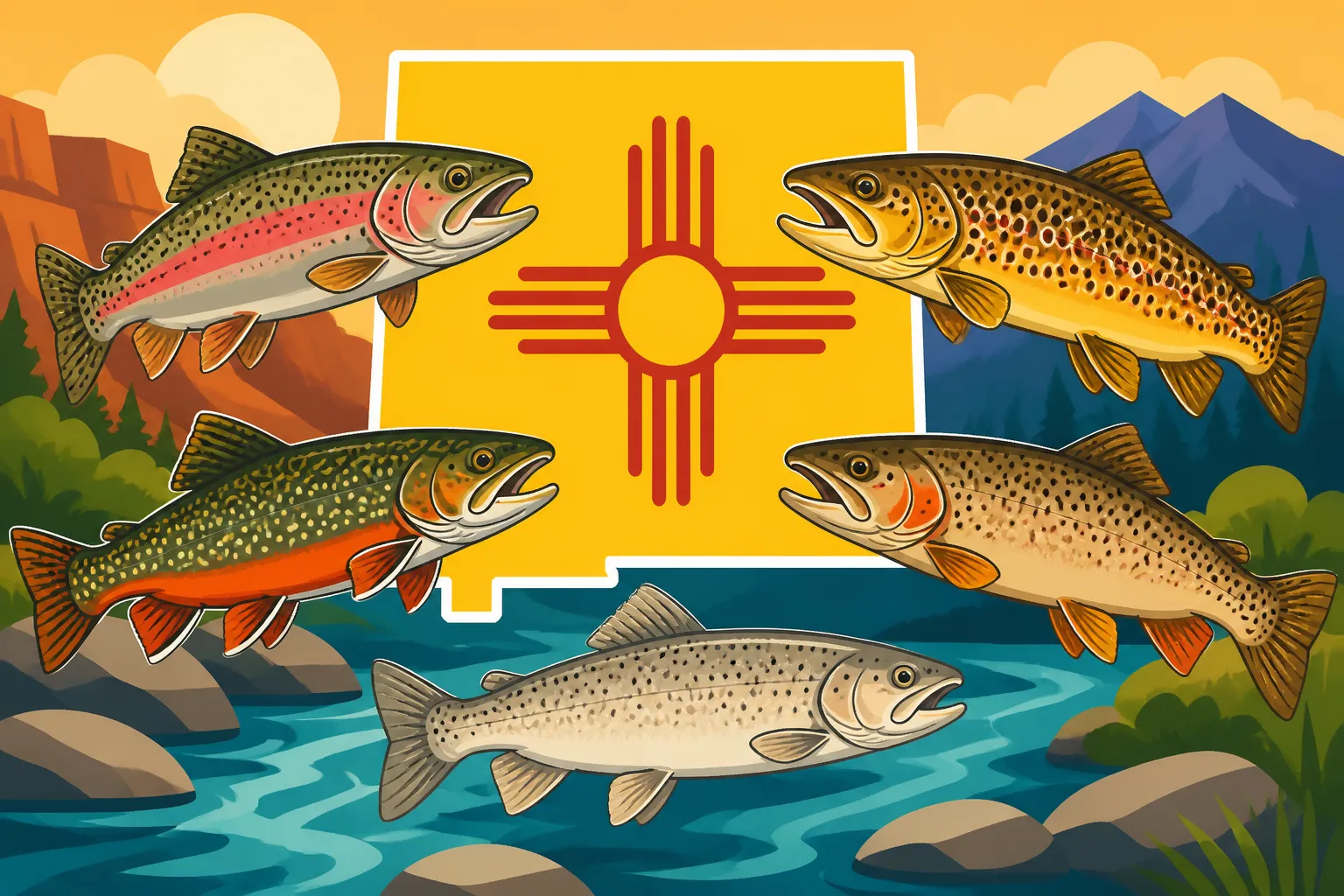
Rainbow trout are undoubtedly the most common trout species you'll encounter throughout New Mexico. They are widely stocked by the NMDGF in lakes, rivers, and urban ponds across the state, making them a favorite target for anglers of all skill levels. From the popular fishing destinations near cities to many of the smaller, easily accessible streams, rainbow trout are often the primary species bolstering recreational fisheries. Their silvery bodies, often with a distinctive pink or red stripe along their sides, make them relatively easy to identify.
When you're out fishing for these vibrant fighters, almost every rainbow trout you catch will count toward your general 5-fish daily bag limit. Unless you're specifically fishing in a designated "Special Trout Water" or "Quality Water" that has its own unique set of rules, you can assume that keeping a rainbow trout means it's one fish off your daily allowance. This holds true for both the hatchery-raised trout that are regularly introduced and the wild populations that sustain themselves in various river systems. For more detailed information on targeting these popular fish, check out our guide on Rainbow Trout Fishing in New Mexico.
Brown Trout
Brown trout are another incredibly popular game fish found throughout New Mexico, particularly in colder rivers and streams. Unlike the often hatchery-supported rainbow trout, brown trout populations often consist of robust wild fish, though some stocking does occur. They are known for their beautiful golden-brown coloration, distinct black and red spots (often with light halos), and their cunning nature, making them a prized catch for many experienced anglers. Brown trout can grow quite large, especially in the state's productive rivers.
Like rainbow trout, brown trout almost universally count toward your statewide 5-fish daily bag limit. If you land a beautiful brown from a river like the Pecos or a high-mountain stream, it will be included in your combined total for the day. Again, the only exceptions to this general rule would be specific "Special Trout Waters" that have different regulations, which might include unique size limits, slot limits, or even catch-and-release only directives for brown trout. Always double-check the local rules for the specific stretch of water you're fishing, but generally, browns are part of the standard limit. Discover more about these elusive fish in our Brown Trout Fishing in New Mexico guide.
Brook Trout
Brook trout, while not as widespread or commonly stocked as rainbow or brown trout in New Mexico, are a cherished species, particularly for anglers who venture into the state's pristine high-altitude streams and mountain lakes. These smaller, strikingly beautiful fish are native to eastern North America but have been introduced to various parts of the West, where they've established self-sustaining populations in cold, clear headwater environments. They are easily recognized by their intricate vermiculation (worm-like markings) on their backs, red spots with blue halos, and white leading edges on their fins.
When you're hiking into a secluded alpine lake or a tiny mountain stream and you're lucky enough to hook into a brook trout, it will count toward your general 5-fish daily bag limit. Given their remote habitats, these waters are less frequently subject to complex "Special Trout Water" regulations compared to more accessible, high-pressure fisheries. However, the golden rule of checking local regulations still applies. Generally, if you're in a general statewide regulation area, these charming brook trout are part of your collective five.
Lake Trout
Lake trout, often referred to as "Lakers," are the giants of New Mexico's trout world. These large, predatory fish thrive in the deep, cold waters of a few select lakes, primarily Heron Lake and Eagle Nest Lake. They are characterized by their pale spots on a dark body and a deeply forked tail, making them quite distinct from other trout species. Catching a lake trout often involves different tactics, like deep trolling or jigging, and they offer a formidable fight due to their size and strength.
When you successfully land a lake trout in New Mexico, it also counts toward your general statewide 5-fish daily bag limit. While they might feel like a different class of fish entirely due to their size and habitat, they are still fundamentally "trout" in the eyes of the regulations for the purpose of the aggregate limit. There aren't typically "Special Trout Water" rules specifically for lake trout that alter the general 5-fish limit, although individual lake rules might specify size restrictions or gear limitations. Always consult the specific regulations for Heron Lake or Eagle Nest Lake before you go, but count those big Lakers into your five-fish total if you plan to keep them.
Trout Species with Special Regulations or Exclusions
While many trout species contribute to the general 5-fish limit, some hold a unique status in New Mexico due to their native origins, conservation needs, or the specific management goals of certain waterbodies. These species, or the rules governing them in particular areas, often supersede the general limit, requiring a keen understanding of local regulations. Getting this wrong can lead to serious consequences, so it's vital to know the exceptions.
Rio Grande Cutthroat Trout
The Rio Grande Cutthroat Trout (RGCT) holds a very special place in New Mexico's angling heritage; it's our state fish and one of the native trout species the NMDGF is working diligently to conserve and restore. These beautiful fish are characterized by their vibrant coloration, often with red or orange slashes under their jaw (hence "cutthroat"), and distinctive spotting. They typically inhabit pristine, high-elevation streams and rivers in the northern part of the state.
Because of their native status and ongoing conservation efforts, Rio Grande Cutthroat Trout are often managed under much stricter regulations than stocked rainbow or brown trout. In many waters where they exist, the limit is often reduced, sometimes to one fish, or more frequently, they are managed as strictly catch-and-release only. This means that while you might be fishing in a river where other trout count towards a 5-fish limit, any RGCT you catch likely falls under different, more restrictive rules. It is absolutely crucial to be able to identify them correctly and understand the specific regulations for each stream you plan to fish. You'll find that in many of their native strongholds, the preference is to release them unharmed. We have a detailed guide on this specific topic: Can You Keep Cutthroat Trout in New Mexico?.
Gila Trout
Perhaps the most unique and protected trout species in New Mexico is the Gila Trout. This rare, native trout species is primarily found in the Gila Wilderness and surrounding areas in southwestern New Mexico. Gila Trout are recognized by their distinct golden-bronze coloration and fine, dark spotting. Their populations were once severely depleted, leading to their listing under the Endangered Species Act. Thanks to dedicated conservation work by the NMDGF and federal partners, their status has improved, and limited fishing opportunities now exist.
However, fishing for Gila Trout comes with very stringent rules. They absolutely do not count towards the general 5-fish limit, and in most cases, they are strictly catch-and-release only. Furthermore, accessing certain Gila Trout waters may require a special, free permit from the NMDGF. This is not just a suggestion; it's a critical part of their recovery strategy to ensure that recreational angling does not negatively impact their fragile populations. If you're fortunate enough to encounter a Gila Trout, proper identification and immediate, careful release are paramount. You can learn more about the specific requirements for fishing for these precious fish by reading our post, Do You Need a Free Permit to Fish for Gila Trout?.
Special Trout Waters and Quality Waters
New Mexico is home to several designated "Special Trout Waters" and "Quality Waters" that are managed to provide exceptional fishing experiences, often for trophy-sized fish, or to protect unique aquatic ecosystems. These areas, like the famous San Juan River Quality Waters below Navajo Dam, have their own specific regulations that override the general statewide 5-fish trout limit. These rules are designed to balance angler enjoyment with ecological health and fish population dynamics, allowing for some harvest while promoting larger, healthier fish.
For example, on the San Juan River Quality Waters, the daily bag limit for trout is typically one fish over 20 inches, with all fish under 20 inches being catch-and-release only. This is a dramatic departure from the statewide five-fish rule. Other Special Trout Waters might have different size limits, barbless hook requirements, or restrictions on bait use. The species you'll find here, predominantly rainbow and brown trout, still contribute to that specific water's limit, not the general statewide one. So, if you catch a 22-inch rainbow on the San Juan, that's your one fish for the day from that section. It's crucial to consult the NMDGF regulations booklet or signs at these specific locations before casting a line. Understanding these nuances is key to a legal and ethical fishing trip. For a deeper dive into these unique areas, check out New Mexico Special Trout Water Rules and New Mexico Quality Waters Program, and specifically for the San Juan, Rules for the San Juan River Special Trout Water.
Practical Tips for Staying Compliant and Identifying Your Catch
Even with the best intentions, the nuances of fishing regulations can be tricky. It's not enough to just know the general limits; you need practical strategies to ensure you're always on the right side of the law and contributing to sustainable fishing practices. From having the right information at your fingertips to making responsible decisions on the water, these tips will help you navigate New Mexico's trout fisheries with confidence.
Carrying the Regulations
The single most important piece of advice for any angler in New Mexico is to always have access to the current NMDGF fishing regulations. These regulations are updated annually and are your definitive guide to all rules, limits, and special water designations. You can usually pick up a free physical booklet at license vendors, NMDGF offices, or download a digital PDF version directly from their website. Having it on your phone is super convenient, but a printed copy can be invaluable in areas with no cell service.
Before you head out, especially if you're exploring a new waterbody or it's a new fishing season, take a few minutes to review the specific section pertaining to your chosen location. The regulations will clearly outline the statewide bag limits, any exceptions for Special Trout Waters, and detailed information on native species like the Rio Grande Cutthroat and Gila Trout. It’s a small effort that can prevent big headaches. Don't rely on old information or hearsay; always refer to the official source to ensure you understand every aspect of New Mexico Trout Fishing Rules.
Essential Identification Tools
Accurately identifying your catch is fundamental to complying with regulations, especially when dealing with native species that have strict protections. While many anglers can easily spot a rainbow trout, distinguishing between a Rio Grande Cutthroat and a stocked rainbow, or even a brown trout, can be challenging for the untrained eye. This is where a good fish identification guide comes in handy.
There are many excellent waterproof field guides available that focus specifically on the fish species of the Southwest, which you can often find on Amazon. Some anglers also use smartphone apps that help with fish identification, although cell service can be spotty in remote areas. Pay close attention to key features like fin coloration, spot patterns, presence of "cutthroat" marks, and overall body shape. If you plan to keep fish, a reliable measuring tape and a small, portable scale, also readily available on Amazon, can help ensure you meet any size requirements. Practice makes perfect, and the more you learn about the distinct characteristics of each trout, the more confident you'll become in making quick and accurate identifications on the water. A good tool to also carry is a quality landing net, specifically a rubberized one, to protect the fish's slime coat if you're practicing New Mexico Catch and Release Regulations.
When in Doubt, Release It
This is perhaps the most crucial piece of advice for any angler, especially when faced with an uncertain situation regarding fish identification or specific regulations: if you're not 100% sure, simply release the fish. It's always better to err on the side of caution than to accidentally violate regulations or harm a protected species. Releasing a fish causes no harm to you and ensures the fish has a chance to contribute to the population.
This advice is particularly relevant when you suspect you might have caught a native or protected trout, such as a Rio Grande Cutthroat Trout or a Gila Trout. These species are vital to New Mexico's biodiversity and are subject to intense conservation efforts. A quick, careful release ensures their survival and helps safeguard their populations for future generations. Even if you've caught your limit of common trout, but you hook into a particularly beautiful or large fish that you'd like to see grow, catch and release is always an option. Embracing a responsible approach to fishing means prioritizing the health of the fishery, and sometimes, that means letting them go.
Checking Local Advisories
While the annual NMDGF fishing regulations provide a comprehensive overview, specific conditions at individual waterbodies can change throughout the year. Drought conditions, unseasonal weather, or unexpected fish kills can lead to temporary closures, emergency restrictions, or changes in stocking schedules that might not be immediately reflected in the printed booklet. Therefore, it's a smart habit to always check for current local advisories before you head out.
The NMDGF website is the best resource for the most up-to-date information, often publishing weekly or monthly fishing reports that include any relevant warnings or updates. Many state parks and fishing areas also have information boards at their access points, so take a moment to read them upon arrival. Additionally, local bait shops and guide services are often excellent sources of real-time information and can provide invaluable insights into current conditions and any unexpected changes to regulations. Staying informed means a safer, more productive, and compliant fishing trip.
Disclaimer
Please remember that fishing regulations can change. While every effort has been made to provide accurate and up-to-date information in this guide, it is your responsibility as an angler to consult the most current New Mexico Department of Game and Fish (NMDGF) regulations booklet or website before heading out. This guide is for informational purposes only and should not be considered a substitute for the official NMDGF regulations.