Elephant Butte Lake Striped Bass Fishing
One of the most thrilling challenges for any angler visiting southern New Mexico is trying to outsmart the notoriously powerful striped bass of Elephant Butte Lake. Many folks arrive with high hopes of hooking into one of these freshwater titans, only to find their usual tactics falling short against the vastness and unique characteristics of this massive reservoir. This comprehensive guide will equip you with the knowledge, gear, and techniques needed to navigate the nuances of Elephant Butte and significantly increase your chances of landing that trophy striper.
Understanding Elephant Butte's Striped Bass Fishery
Elephant Butte Lake, a colossal reservoir on the Rio Grande, offers a truly unique angling experience. While it's famed for its diverse fishery, the striped bass (or striper, as they're commonly known) stands out as a top-tier game fish, drawing anglers from all over. Understanding why they thrive here and how their behavior shifts throughout the year is crucial for consistent success.
The Striped Bass Phenomenon at Elephant Butte
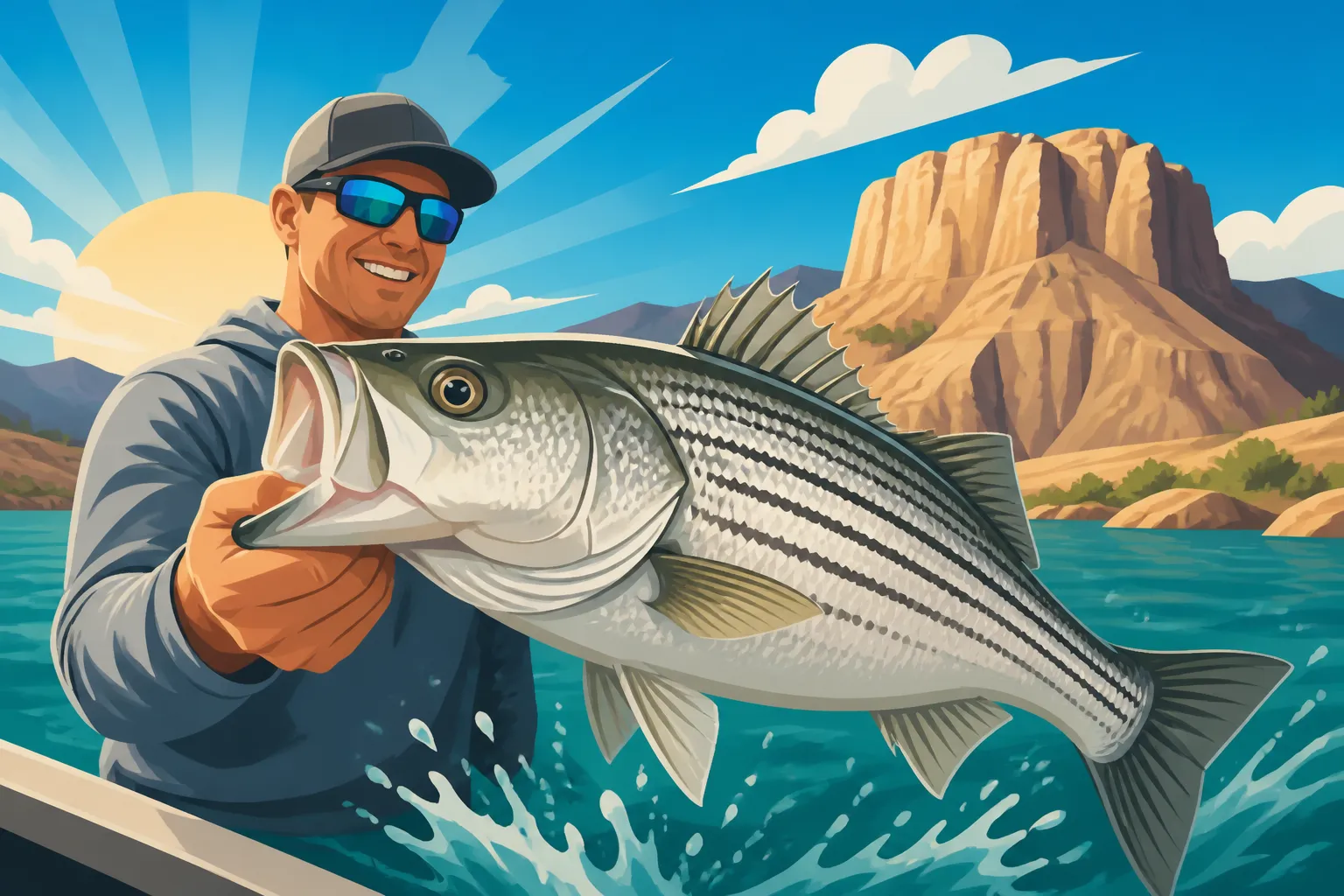
The presence of striped bass in Elephant Butte Lake is a testament to successful fisheries management, bringing a piece of the ocean's thrill to the high desert. These hard-fighting fish were introduced to control burgeoning gizzard shad populations, their primary forage, and have since established a robust, self-sustaining population. Unlike their anadromous counterparts that migrate to spawn in saltwater, Elephant Butte stripers are landlocked, adapting to the freshwater environment perfectly.
What truly makes a striper encounter at Elephant Butte unforgettable is their sheer power. When you hook into a sizable one, expect a battle that will test your tackle and stamina. They make blistering runs, often stripping line against a tight drag, and can pull with surprising strength even when seemingly subdued. It’s not uncommon for anglers to report struggles lasting several minutes, pushing both themselves and their gear to the limit. The excitement of a striper boil, where hundreds of fish are aggressively chasing bait on the surface, is an experience that keeps anglers coming back year after year, hoping to witness that spectacular display.
Seasonal Patterns and Behavior
Striped bass behavior at Elephant Butte is heavily influenced by the changing seasons and, more importantly, water temperature and the availability of their primary food source: shad. Their patterns are predictable if you know what to look for, but ignoring these shifts can lead to frustrating days on the water.
In the spring, as water temperatures begin to rise into the 50s and 60s Fahrenheit, stripers move into the shallower, warmer waters of the main lake and up the Rio Grande arm in preparation for their spawning run. This is a prime time for targeting them with artificial lures or live bait in the upper reaches of the lake or where the river enters. As summer heats up, pushing water temperatures into the 70s and 80s, stripers will retreat to deeper, cooler water. They often suspend over structure or hug the old river channel, sometimes forming massive schools in the thermocline. In the fall, as temperatures cool, they become incredibly active again, often chasing shad into shallower coves and exhibiting aggressive surface feeding behavior. Winter sees them move back to deeper basins, becoming more lethargic but still catchable with slow, vertical presentations.
Preferred Habitat and Structure
Elephant Butte Lake is immense, spanning over 36,000 acres at full capacity, with an intricate underwater landscape. Successfully targeting striped bass means understanding their preferred haunts, which vary drastically with the seasons and water levels.
Stripers are structure-oriented fish, always looking for ambush points or areas where baitfish congregate. During warmer months, they'll often hold around submerged points, humps, ledges, and the old Rio Grande river channel. These areas provide current breaks and deep-water access, essential for their comfort and hunting strategy. For instance, a main lake point that drops off sharply into 60 feet of water might hold stripers at 30 feet, especially if there’s a schooling baitfish presence nearby. In the spring and fall, they might push closer to shore, particularly in coves or flats where shad are staging. Current water levels, which can fluctuate dramatically at Elephant Butte, also dictate where stripers will be. When water levels are low, previously submerged structures become exposed, consolidating fish into remaining deeper pockets. Conversely, high water opens new foraging grounds, spreading them out. Always consult a good contour map and your fish finder to locate these critical underwater features.
Essential Gear for Striped Bass Success
Tackling Elephant Butte's powerful striped bass requires more than just your average fishing setup. These fish are strong, and they can quickly expose weaknesses in your gear. Investing in the right rods, reels, line, and electronics will make a world of difference in your success rate and overall enjoyment on the water.
Rods, Reels, and Line Selection
For Elephant Butte striped bass, you'll want gear that can handle a serious fight. Think strength and durability. A medium-heavy to heavy-action rod, typically 7 to 8 feet in length, is ideal. This length provides good casting distance for covering water and ample leverage for muscling in larger fish. Depending on your preferred technique, you might opt for a fast-action tip for sensitivity when jigging, or a more moderate action for casting large plugs that need to load the rod smoothly.
When it comes to reels, both baitcasting and spinning reels have their place. For heavy trolling or casting large swimbaits, a robust baitcasting reel in the 300 to 400 size range, paired with a sturdy rod, offers the power and line capacity needed. For those who prefer spinning gear, a 4000 to 6000 series reel with a smooth, reliable drag system is crucial. The drag is your best friend when a striper decides to make a run. As for line, braided line is almost universally preferred due to its incredible strength-to-diameter ratio and lack of stretch, which provides superior sensitivity. A 30-50 pound test braid is a good starting point, often paired with a 15-30 pound fluorocarbon leader for abrasion resistance and invisibility. The length of your leader can vary, but 3-6 feet is common. For specific techniques, like deep-water vertical jigging, the sensitivity of braid helps detect subtle bites.
Lure and Bait Arsenal
Striped bass are opportunistic predators, and a versatile tackle box is your best weapon. You'll want a selection of lures that imitate their primary forage: shad. Large swimbaits, both hard-bodied and soft plastic, are incredibly effective, especially when stripers are actively chasing bait. Brands like Keitech or Megabass offer realistic profiles and actions.
Deep-diving crankbaits in shad patterns are excellent for trolling or casting to suspended fish, reaching depths where stripers often hold. Topwater lures like poppers, walking baits, or prop baits create commotion on the surface and can trigger explosive strikes during low-light conditions or active boils. Spoons, such as the Kastmaster or ACME Little Cleo, are fantastic for vertical jigging when fish are deep and for casting to schooling fish. Bucktail jigs dressed with a soft plastic trailer can also be deadly when bounced along the bottom or jigged through schools. While artificials are highly productive, fresh live bait is often irresistible. Gizzard or threadfin shad, bluegill, or small sunfish, caught with a cast net or sabiki rig, can be freelined, fished under a slip bobber, or bottom-rigged near structure. Remember to check regulations on the use of live bait, as rules can vary.
Electronics and Boat Setup
Fishing Elephant Butte effectively, especially for striped bass, often means covering vast amounts of water and locating subtle underwater features. This is where modern marine electronics truly shine. A high-quality fish finder with side imaging and down imaging capabilities is practically a necessity. Technologies like Humminbird's MEGA Imaging or Garmin's Panoptix can help you spot schools of baitfish, identify submerged humps, channels, and even mark individual striped bass holding tight to structure or suspended in the water column. The ability to distinguish baitfish from game fish on your screen is a skill that develops with practice but is invaluable.
GPS is equally critical. Elephant Butte has numerous productive areas, and once you find a hotspot, marking it on your GPS allows you to return quickly and efficiently. Modern chartplotters often integrate with sonar, providing detailed contour maps that highlight those crucial depth changes and river channels. A reliable boat is also essential; many serious striper anglers use larger center console or bass boats equipped with powerful outboard motors to quickly navigate the lake's expansive waters. A good quality trolling motor, ideally with GPS capabilities like Minn Kota's Spot-Lock, allows for precise boat positioning when jigging or holding over a school of fish, even in windy conditions. For those looking to experience this without owning a boat, a visit to the Elephant Butte Lake Fishing Guide will often provide information on rental options, or you might consider booking a guided trip where professional guides provide all the necessary, high-end equipment. You can often find experienced local guides through platforms like FishingBooker, ensuring you have the best chance at success.
Top Techniques for Catching Elephant Butte Stripers
Once you have your gear in order and a basic understanding of striper behavior, it's time to dive into the most effective techniques for hooking these powerful fish. Each method has its time and place, and successful anglers often employ a mix of strategies depending on the conditions and the fish's mood.
Trolling for Trophy Stripers
Trolling is perhaps one of the most effective ways to cover large expanses of water and locate schools of striped bass, especially when they are suspended or spread out. The key to successful trolling at Elephant Butte is varying your depth and speed until you find what the fish are reacting to. Large diving crankbaits, often 8-12 inches in length, are excellent choices, mimicking the larger shad that trophy stripers prey upon. Experiment with different colors, focusing on natural shad patterns, chrome, or even bright chartreuse when the water has some stain.
Beyond traditional crankbaits, umbrella rigs, consisting of a main lure surrounded by several smaller teasers, can be incredibly effective, presenting a school of baitfish illusion. These rigs are usually trolled slower. For targeting specific depths, downriggers are indispensable. They allow you to precisely position your lures at the exact depth where fish are being marked on your sonar, whether that's 20 feet or 60 feet deep. Planer boards can also be used to spread out multiple lines, covering a wider swath and increasing your chances of intercepting a moving school of fish. Speeds typically range from 2.5 to 4.5 mph, but always adjust based on fish activity and lure action. A common scenario might involve trolling a main lake point where your fish finder shows baitfish at 40 feet, so you'd set your downrigger to present a large crankbait or umbrella rig right at that depth.
Live Bait Fishing Strategies
While artificial lures are exciting, there's often no substitute for the real thing. Live bait, particularly fresh shad, can be absolutely deadly for Elephant Butte stripers, especially for larger, more discerning fish. The first step is often catching your bait, which can be done with a cast net in shallower coves or with sabiki rigs around baitfish schools marked on your sonar. Keeping the bait alive and lively is crucial, so a good baitwell with aeration is essential.
Once you have your bait, several methods can be employed. Freelining involves simply casting a live shad, often hooked through the nose or back, with little to no weight. This allows the bait to swim naturally, which is incredibly enticing. This method works well when stripers are actively chasing bait near the surface or along shorelines. When fish are deeper, a slip bobber rig allows you to present your live bait at a predetermined depth, suspending it just above a submerged point or a marked school of stripers. For those really deep fish, or when current is present, bottom rigging with an egg sinker above a swivel and leader can keep your bait close to the bottom where stripers might be holding. Imagine you’ve located a school of stripers holding 50 feet deep over a submerged river channel; you'd rig a live shad on a bottom rig and slowly drift or motor over the school, letting the bait entice a strike.
Casting and Jigging Tactics
Active casting and vertical jigging are incredibly engaging and often productive techniques, especially when you locate schooling fish or target specific structures. When stripers are actively "boiling" on the surface, pushing shad into a frenzy, casting topwater lures or fast-retrieved spoons into the commotion can lead to immediate, explosive strikes. This is one of the most exciting aspects of striper fishing.
For fish holding deeper, vertical jigging is highly effective. Heavy spoons, bucktail jigs, or blade baits dropped directly down to the fish you see on your sonar can provoke reaction strikes. The technique involves a series of sharp lifts and drops, allowing the lure to flutter and flash on the fall, mimicking a wounded baitfish. This is particularly useful in cooler months when stripers are less active and holding tight to bottom structure or suspended in deep water. You might be fishing a prominent point, casting a large swimbait towards the shore and retrieving it over the drop-off, or when your fish finder lights up with a school at 60 feet, immediately dropping a heavy spoon down to them. The versatility of casting and jigging allows you to adapt quickly to changing conditions and fish behavior.
Best Times and Locations for Striped Bass
Elephant Butte Lake's vastness means that knowing when and where to focus your efforts is just as important as having the right gear and techniques. Striped bass are creatures of habit, but those habits shift with the seasons and environmental conditions.
Seasonal Hotspots and Patterns
The year-round striper fishery at Elephant Butte offers different opportunities depending on the calendar. In spring, as previously mentioned, the upper Rio Grande arm and the main lake's shallower northern reaches become hotspots. Stripers move upstream, congregating in the warmer, nutrient-rich inflow areas. This is a prime time for casting swimbaits or trolling medium-diving crankbaits along the old river channel bends. During summer, the fish descend into the cooler, deeper sections of the main lake. Look for them suspending in the water column over the deepest basins or hugging the old river channel and submerged humps. Trolling with downriggers or vertical jigging with heavy spoons are top techniques. The south end of the lake, with its deeper water, often holds good numbers of fish in summer.
Fall is arguably one of the most exciting times for striper fishing. As water temperatures begin to cool, the stripers become incredibly active, often chasing large schools of shad into the coves and shallower main lake points. This is when the spectacular "boils" occur, offering fantastic opportunities for topwater action or fast-retrieved spoons and swimbaits. Look for this activity in areas like Rock Canyon, Longpoint, or the coves around Monticello Canyon. In winter, stripers return to the deepest parts of the lake, becoming more lethargic. Vertical jigging with a slow, methodical retrieve is often the most effective way to entice a strike, focusing on the bottom of major humps or the deepest sections of the old river channel. Knowing these general patterns is the first step in successful planning. For detailed seasonal insights, checking out a New Mexico Fishing Season Calendar can offer broader context.
Reading the Water and Conditions
Successful striper fishing often boils down to keen observation and understanding how environmental factors influence fish behavior. Water temperature is perhaps the most critical factor; stripers prefer cooler waters, which dictates their depth and activity levels, especially in summer. Keep an eye on your boat's temperature gauge. Water clarity also plays a role. Clearer water often means fish are deeper and more wary, requiring more subtle presentations and longer leaders. Stained water can bring fish shallower and make them more aggressive.
Wind can be both a blessing and a curse. A light chop on the water can break up the surface, making stripers less skittish and improving casting conditions. However, strong winds can make boat control difficult and create muddy conditions. Barometric pressure changes, particularly a sudden drop before a storm, can trigger feeding frenzies, while a high, stable pressure system might make fishing tougher. Above all, always be on the lookout for signs of baitfish. Gulls diving, baitfish flicking on the surface, or large schools showing on your fish finder are all indicators that stripers are likely nearby. If you're planning a trip and need local insights, remember that services like FishingBooker connect you with guides who possess extensive knowledge of current conditions and can put you on the fish.
Local Knowledge and Resources
While reading the water and understanding seasonal patterns is vital, there's no substitute for local knowledge. The guides who spend hundreds of days a year on Elephant Butte Lake, like those found on FishingBooker, have an unparalleled understanding of the nuances of the fishery. They know the current hotspots, the exact depths fish are holding, and what lures or baits are producing results on any given day. Even if you prefer to fish independently, a guided trip early in your visit can be an invaluable learning experience, teaching you techniques and showing you areas you might otherwise miss.
Beyond guides, local tackle shops in towns like Truth or Consequences or the marinas around the lake are treasure troves of up-to-date information. Staff members are often keen anglers themselves and can provide tips on recent catches, successful patterns, and bait availability. Don't be shy about asking questions! Online fishing forums dedicated to New Mexico fishing or Elephant Butte Lake are also excellent resources where anglers share reports and advice. Regularly checking these resources before and during your trip can significantly improve your chances. For general information on where to fish in the area, a guide like Best Places to Fish in New Mexico might offer additional insights into the surrounding waters.
Conservation and Responsible Angling
Elephant Butte Lake's striped bass fishery is a magnificent resource, and it's incumbent upon all anglers to practice responsible angling to ensure its health and vitality for future generations. This isn't just about following rules; it's about ethical behavior on the water.
Handling and Releasing Striped Bass
Striped bass are powerful fish, and a proper handling technique is crucial, especially if you intend to release them. Larger stripers can be particularly susceptible to stress and injury. Always try to minimize the time the fish spends out of the water. If possible, use a large, rubberized landing net, which is gentler on their scales and slime coat than traditional nylon nets. Avoid dragging fish onto dry ground or boat decks; keep them wet.
When handling, support the fish horizontally with one hand under the belly and the other gripping the lip, being mindful of their sharp gill plates. If taking a photo, do so quickly and get the fish back into the water promptly. For deeply hooked fish, use long-nosed pliers or a de-hooking tool to remove the hook. If the hook cannot be easily removed, cut the line as close to the hook as possible; hooks often rust out. Gentle revival, holding the fish upright in the water and allowing water to flow over its gills until it swims away strongly, is vital for its survival. Remember, the goal is for that released fish to grow larger and provide another thrilling fight in the future.
Understanding Bag and Possession Limits
Adhering to New Mexico's fishing regulations is not just a legal requirement but a fundamental aspect of conservation. Bag limits and possession limits are in place to manage fish populations sustainably, ensuring there are enough fish for everyone. For striped bass at Elephant Butte, the daily bag limit is generally 10 fish per angler, with a possession limit of 20 fish. However, these regulations can change, and it's crucial to consult the most current New Mexico Department of Game and Fish (NMDGF) regulations annually.
Before you even cast a line, make sure you have a valid New Mexico Fishing License Guide, along with any required validations like the New Mexico Habitat Stamp and Validation Requirements. Fishing without a license or exceeding limits not only carries hefty penalties but also harms the fishery. If you're unsure about the rules, the NMDGF website or their annual fishing proclamation booklet is your go-to source. Understanding these rules ensures your trip is enjoyable and compliant. For specific costs, you can look up a detailed article on New Mexico Fishing License Costs Explained.
Respecting the Fishery and Other Anglers
Being a responsible angler extends beyond just fish handling and regulations. It encompasses the broader principle of respecting the environment and fellow enthusiasts. Practice "Leave No Trace" principles: pack out everything you pack in, including all trash, discarded fishing line, and bait containers. Don't leave hooks or lures tangled in vegetation or discarded on the shore.
Good sportsmanship on the water also contributes to a positive experience for everyone. This means giving other anglers ample space, especially when trolling or drifting. Avoid running your boat too close to someone else's lines or casting directly into their productive water. If you're on a FishingBooker guided trip, your guide will demonstrate these ethics. Be mindful of noise, especially in quiet coves, and always be courteous. By acting as stewards of the resource and ambassadors of the sport, we help ensure that Elephant Butte Lake remains a premier destination for striped bass fishing for many years to come.
Seasonal Striper Techniques at Elephant Butte
| Season | Typical Depths (Feet) | Primary Techniques | Preferred Lures/Baits | Key Locations |
|---|---|---|---|---|
| Spring | 10-40 | Casting, Trolling, Live Bait | Swimbaits, Crankbaits, Live Shad | Rio Grande Arm, Northern Shallower Main Lake, Points |
| Summer | 30-80+ | Trolling (Downriggers), Vertical Jigging, Live Bait | Deep Diving Crankbaits, Heavy Spoons, Live Shad | Deep Basins, Old River Channel, Main Lake Humps (South) |
| Fall | 10-60 | Casting, Trolling, Topwater | Topwater Lures, Swimbaits, Spoons, Crankbaits | Coves, Main Lake Points (Boils), Rock Canyon, Monticello |
| Winter | 40-100+ | Vertical Jigging, Slow Trolling, Live Bait | Heavy Spoons, Jigs, Live Shad | Deep Basins, Old River Channel, Major Humps (Bottom) |
Disclaimer
The information provided in this guide is intended for general informational purposes only and may not reflect the most current regulations or conditions. Fishing regulations, fish populations, and environmental conditions at Elephant Butte Lake can change rapidly. Always consult the official New Mexico Department of Game and Fish website and current regulations booklet before heading out to fish. Your safety on the water is paramount; always wear appropriate personal flotation devices and be aware of weather changes.