Best Rivers for Fly Fishing in New Mexico
The frustration of any fly angler setting their sights on a new region is often the sheer unknown: where to start, what rivers truly live up to the hype, and how to navigate the myriad options to find that perfect, peaceful cast. New Mexico, with its high desert plains giving way to towering mountains and verdant river canyons, offers an incredibly diverse and often overlooked fly fishing paradise. This guide is dedicated to unraveling those mysteries, providing you with a detailed breakdown of the best rivers across the Land of Enchantment for unforgettable fly fishing experiences, from legendary tailwaters to secluded mountain streams.
The Allure of Fly Fishing in New Mexico
New Mexico might not always be the first state that comes to mind when you picture world-class fly fishing, but that's precisely part of its charm. The state offers a surprising diversity of waters, from highly productive, intensely managed tailwater fisheries to wild, high-country freestone streams. It's a land of striking contrasts, where you can be casting to trophy trout in a bustling river corridor one day and hiking miles into a secluded canyon for native cutthroat the next.
Unique Challenges and Rewards
Fly fishing in New Mexico presents a unique blend of challenges and immense rewards. The challenges often stem from the environment itself: fluctuating water levels due to dam releases, sometimes intense sun and wind, and the sheer effort required to reach some of the most pristine waters. High-desert rivers might demand specific approaches to sight-fishing in clear water, while high-altitude streams require resilience to changing weather and rugged terrain.
However, overcoming these challenges leads to some of the most gratifying experiences. Imagine spotting a large brown trout sipping emergers in a glassy run on the San Juan River, or landing a vibrant, native Rio Grande Cutthroat Trout in a stream where few other anglers venture. The feeling of solitude, the stunning backdrop of the Sangre de Cristo Mountains or the red rocks of the Chama canyon, and the satisfaction of fooling a truly wild fish on a well-presented fly are the rewards that keep anglers coming back. It's an immersive experience that goes beyond just catching fish; it's about connecting with the raw, untamed beauty of the New Mexico landscape.
Diverse Habitats and Fish Species
New Mexico's varied geography creates a mosaic of habitats, each supporting different fish species and demanding unique fly fishing approaches. In the northern mountains, you'll find classic freestone rivers tumbling out of pine forests, perfect for prospecting with dry-dropper rigs for rainbow and brown trout. These waters often hold populations of the beautiful Rio Grande Cutthroat Trout in New Mexico, the state's official fish.
Further south and west, the landscape shifts to more arid canyons and larger reservoirs, which in turn feed cold tailwaters. These tailwaters, like the famous San Juan River below Navajo Dam, create an almost unnaturally rich environment for trout, fostering incredible insect hatches and allowing trout to grow to impressive sizes. Here, you'll primarily find robust populations of rainbow and brown trout. Then there are the truly special places, like sections of the Gila River system, home to the rare Gila Trout in New Mexico, offering a chance to target a species few anglers ever encounter. This diversity means that no matter your preference – from technical nymphing to prospecting with streamers – New Mexico has a fly fishing experience tailored to your angling dreams.
The Legendary San Juan River Quality Waters
When anglers talk about fly fishing in New Mexico, the San Juan River Quality Waters is often the first, and sometimes only, river mentioned. And for good reason. This tailwater fishery, located below Navajo Dam in the northwestern corner of the state, consistently ranks among the top trout fishing destinations in the world. It’s a place where fly fishing becomes an art, a science, and occasionally, a test of patience.
Why it's a Fly Fishing Mecca
The San Juan River’s reputation as a fly fishing mecca isn't just hype. The consistent release of cold, nutrient-rich water from the bottom of Navajo Lake creates an incredibly stable and productive environment for trout year-round. This constant flow minimizes temperature fluctuations, fosters prolific insect hatches, and provides a seemingly endless buffet for the resident rainbow and brown trout. The sheer density of fish per mile in the Quality Waters is astounding, and the average size of these trout is impressive, with many fish regularly exceeding 18-20 inches. These trout are often fat, healthy, and powerful fighters, making every hook-up an exhilarating challenge.
The San Juan is also a highly technical fishery, especially in its most celebrated sections. The gin-clear water and selective trout mean that perfect drifts, fine tippets, and tiny fly patterns are often the keys to success. It's a place where anglers hone their skills, learning the nuances of presentation and reading subtle takes. While it can be intimidating for beginners, the rewards of cracking the code on the San Juan are immense. For more details on specific regulations, check out our guide on New Mexico Special Trout Water Rules.
Key Sections and Access Points
The San Juan River Quality Waters officially spans about 3.75 miles from the base of Navajo Dam down to the boundary with the ‘bait allowed’ section. This stretch is typically divided into several key areas, each offering unique characteristics and challenges.
- The Texas Hole (and immediate areas below the dam): This section is perhaps the most famous and often the most crowded. It's known for its deep runs and incredible concentrations of large trout. Access is relatively easy, with paved paths and designated fishing areas. Anglers often fish from the banks here, or drift through in boats.
- K-Mart to the Upper Braids: This stretch involves more wading and covers diverse water types, including faster runs, riffles, and deeper pools. The fish here can be slightly less pressured than in the Texas Hole, but still demand precise presentations.
- The Braids: As the name suggests, this section is characterized by multiple interwoven channels. It's a favorite for wade anglers who enjoy exploring different pockets and finding less pressured fish. The lower braids lead into the bait-allowed section, so pay close attention to signs marking the boundary.
Access to the San Juan is generally good, with several public parking areas along County Road 4100 (also known as the "Quality Waters Road") which parallels the river. Many anglers opt to hire a guide service, especially for their first visit, to navigate the complexities of the river. Guides, often found through reputable outfitters or booking platforms like FishingBooker, can provide invaluable insight into current conditions, hot spots, and effective patterns. They often use drift boats to cover more water efficiently, allowing you to experience different sections of this remarkable river.
Essential Flies and Techniques
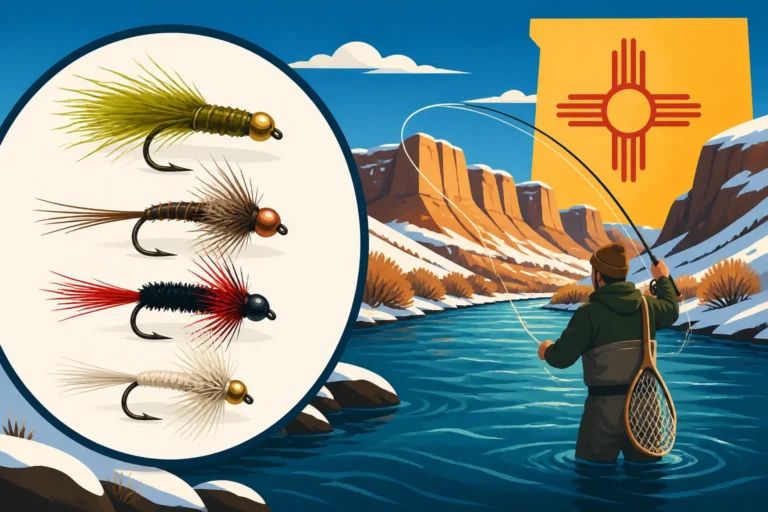
Fly fishing the San Juan River is almost synonymous with nymphing with tiny flies. The predominant insect life consists of various midge species and small annelids (San Juan Worms), which are mainstays in the trout's diet.
- Midges: Patterns like the Griffith's Gnat, Jujubee Midge, Disco Midge, and various larva and pupa imitations (size #20-26) are absolutely critical. You'll often be fishing two or three of these tiny flies under an indicator, sometimes with added split shot to get them down to the fish.
- Annelids (San Juan Worms): These simple, chenille-bodied flies (red, pink, purple) are incredibly effective, especially after rain or when flows increase. They mimic aquatic worms flushed from the riverbed and are a go-to attractor pattern.
- Nymphs: Small pheasant tail nymphs, WD-40s, and various tiny attractor nymphs can also produce.
- Dry-Dropper Rigs: While less common than pure nymphing, matching the hatch with tiny dry flies during midge or BWO (Blue-Winged Olive) hatches can be incredibly rewarding. A popular technique is a dry-dropper, where a larger, visible dry fly supports a small nymph below it.
- Streamers: Don't completely rule out streamers, especially for targeting larger brown trout in deeper, slower pools or during overcast conditions. Sculpin or small baitfish patterns can entice aggressive strikes.
Learning Nymph Fishing on the San Juan River is key to success here. Due to the clarity and technical nature of the water, long, precise drifts are paramount. Anglers often use leaders of 9-12 feet, sometimes adding more tippet to achieve sufficient length and stealth. Understanding the river's unique currents and targeting the seams and soft spots where trout hold are vital.
The Enchanting Rio Chama
Moving south and east from the San Juan, you'll encounter the beautiful Rio Chama, a river that offers a completely different, yet equally rewarding, fly fishing experience. Originating in the high San Juan Mountains of Colorado and flowing through the stunning Chama Canyon Wilderness, the Rio Chama is a true gem of northern New Mexico. It's a river that whispers rather than roars, inviting anglers to slow down and immerse themselves in its wild beauty.
Wild Trout and Scenic Beauty
The Rio Chama is renowned for its wild trout populations, primarily brown trout, with healthy numbers of rainbow trout also present. Unlike the heavily stocked and managed San Juan, the Chama offers a more natural, wilderness-oriented experience. The fish here are often wary, requiring a stealthy approach and precise presentations, but the reward is a hard-fighting, often vividly colored wild trout. Catching a native brown trout in the Chama, with its striking red spots and golden flanks, against a backdrop of towering sandstone cliffs and Ponderosa pines, is an unforgettable moment.
The scenery along the Chama is simply breathtaking. As it carves its way through canyons, mesas, and riparian forests, the river offers stunning vistas at every bend. The river flows through some truly remote and pristine areas, including parts of the Santa Fe National Forest, providing ample opportunity for solitude and an escape from the crowds often found on more famous waters. This untouched beauty is a significant part of the Chama's appeal to fly anglers seeking a deeper connection with nature.
Seasonal Considerations and Access
Fishing conditions on the Rio Chama are heavily influenced by water releases from El Vado and Abiquiu Dams. These dams can cause significant fluctuations in flow, which anglers must monitor. The New Mexico Department of Game and Fish website is an excellent resource for checking current river flows.
- Spring: As runoff subsides and dam releases stabilize, spring can offer excellent fishing with strong hatches. Caddis, Blue-Winged Olives, and even some early stonefly patterns can be effective.
- Summer: Summer fishing can be good, particularly in the mornings and evenings, but high temperatures can stress fish, especially in lower, warmer sections. Targeting higher, cooler stretches or fishing during cooler parts of the day is advisable.
- Fall: Many anglers consider fall to be the prime season on the Chama, especially for brown trout, as they become more aggressive in preparation for spawning. Streamer fishing can be highly effective during this time.
- Winter: Winter fishing is possible, often requiring nymphing tactics with small midges or stonefly nymphs, similar to the San Juan, but with less pressure.
Access to the Chama varies. Public access points can be found near the towns of Chama and Abiquiu. There are also designated recreation areas and campgrounds along the river that offer fishing access. However, many stretches flow through private land or require access through Forest Service roads. Some of the most pristine sections may require hiking or even floating the river via raft or kayak, which can be an incredible way to experience the more remote parts of the canyon. Always be mindful of private property signs and respect landowners' rights.
Tactics for Chama Trout
Given the wild nature of the Chama's trout, a more versatile approach is often needed compared to the technical nymphing of the San Juan.
- Nymphing: Standard nymphing rigs with larger stonefly imitations (Pat's Rubber Legs, Copper Johns), Caddis larvae (LaFontaine's Emergent Sparkle Pupa), and pheasant tails are consistently effective. Don't be afraid to try a two-nymph rig to cover different depths and insect profiles.
- Dry-Dropper Rigs: This is a highly productive setup on the Chama. A larger, visible dry fly (like a Stimulator, Chubby Chernobyl, or hopper imitation) floats a smaller nymph or emerger pattern a foot or two below it. This allows you to prospect different water columns simultaneously.
- Streamers: For aggressive brown trout, especially in the fall or during higher flows, streamers can be deadly. Patterns like Woolly Buggers (olive, black, brown), Sculpzillas, or small Clouser Minnows can trigger powerful strikes. Focus on stripping them through deeper pools, undercut banks, and around structure.
- Dry Flies: During active hatches of caddis or mayflies, matching the hatch with appropriate dry flies can lead to explosive surface takes. Even when no specific hatch is occurring, prospecting with attractor dry flies can often entice opportunistic wild trout.
Stealth is crucial on the Chama. Wade carefully, avoid disturbing the water, and approach promising runs from downstream whenever possible. Reading the water for subtle currents, seams, and structure will help you locate holding fish.
The Historic Pecos River
For those who equate fly fishing with high-mountain solitude and the pursuit of native species, the Pecos River offers an unparalleled experience in the heart of the Pecos Wilderness. Originating high in the Sangre de Cristo Mountains, the Pecos is a freestone river that epitomizes the rugged beauty and wild spirit of New Mexico's trout fisheries. It's not a river for the faint of heart, but its rewards are truly unforgettable.
High Mountain Adventure and Native Trout
Fishing the Pecos River, especially in its upper reaches within the Pecos Wilderness, is an adventure in itself. Access often requires hiking several miles, sometimes ascending significant elevation. But with every step deeper into the wilderness, the sense of peace and anticipation grows. Here, the clear, cold waters tumble over rocks, through meadows, and past stands of aspen and pine, creating a picture-perfect setting for fly fishing.
The primary draw of the Pecos is its population of native Rio Grande Cutthroat Trout in New Mexico, alongside healthy numbers of wild brown trout and rainbow trout. These cutthroats are magnificent, often displaying vibrant colors, and their wild nature makes them a prized catch. They may not be as large as their San Juan cousins, but their beauty and the effort required to reach them make every catch feel like a trophy. The opportunity to cast to a fish that has likely seen few, if any, other anglers is a rare privilege.
Key Sections and Permits
The Pecos River can be broadly divided into two main areas for fly fishing: the more accessible lower stretches and the remote wilderness sections.
- Lower Pecos River (near the town of Pecos): This section is more accessible by vehicle and offers good fishing for stocked rainbow trout and wild browns. It's a great option for a day trip or for those who prefer less strenuous access. The river here flows through private land in many areas, so anglers must be diligent about identifying public access points, often found near bridges or designated recreation sites.
- Pecos Wilderness: This is where the true adventure begins. The Pecos Wilderness encompasses vast areas of the upper river and its tributaries. Access points typically involve trailheads like those near Cowles or the Panchuela Campground. Anglers will often hike 2-10 miles, or even embark on multi-day backpacking trips, to reach the most pristine waters. Popular trails can lead to areas like Jack's Creek, where the river braids and offers excellent fishing. Due to its wilderness designation, special rules apply. While a standard New Mexico fishing license is required, hikers should also be aware of any specific Forest Service regulations regarding camping, fires, and Leave No Trace principles. For a complete understanding of your obligations, refer to the New Mexico Habitat Stamp and Validation Requirements and New Mexico Fishing Regulations Overview.
Recommended Flies and Approach
Fly fishing the Pecos River, particularly in the wilderness, often involves a different mindset and gear than reservoir or tailwater fishing. Portability and versatility are key.
- Attractor Dry Flies: Because these wild trout are often less selective, prospecting with attractor dry flies can be incredibly effective. Patterns like Stimulators (yellow, orange), Royal Wulffs, Parachute Adams, or even larger grasshopper imitations work well, especially in summer and fall. These flies also serve as excellent indicators for a small nymph dropper.
- Small Nymphs: When fish aren't rising, small pheasant tails, hares ears, caddis larvae, or even simple bead-head patterns (#14-18) fished under a dry fly or small indicator will often produce.
- Terrestrials: In late summer and early fall, ants, beetles, and grasshopper imitations can be extremely productive as these insects fall into the water.
- Light Tackle: A lighter fly rod (2-4 weight, 7.5-8.5 feet) is often preferred for the smaller streams and delicate presentations required. This also makes the hike in and out much easier.
- Stealth and Precision: The water in these high mountain streams is often crystal clear, making stealth essential. Approach pools and runs slowly, using natural cover, and make accurate casts to avoid spooking fish.
- High-stick Nymphing: In the faster, shallower riffles and pocket water, high-stick nymphing (keeping most of your fly line off the water to minimize drag) is a highly effective technique.
Remember to practice strict catch-and-release, especially for native cutthroat, and handle all fish with care to ensure the health of these precious wild populations.
Exploring Other Productive Fly Fishing Rivers
While the San Juan, Chama, and Pecos often steal the spotlight, New Mexico is home to several other excellent rivers that offer diverse and rewarding fly fishing opportunities. These rivers cater to different preferences, from seeking rare native species to enjoying more accessible, year-round fishing.
Gila River: A Southern Gem
Tucked away in the southwestern part of the state, the Gila River system is a wild, free-flowing network of streams and rivers renowned for its stunning wilderness and, most notably, as the stronghold of the native Gila Trout. This is truly a special place, offering an experience deeply rooted in conservation and the pursuit of a unique species.
- Unique Ecosystem and Rare Trout: The Gila National Forest is the only place in the world where you can find naturally reproducing populations of Gila Trout in New Mexico. These golden-hued trout are a testament to successful conservation efforts after nearly being lost forever. Fishing for them is often strictly catch-and-release, using barbless hooks, and may require special permits in certain recovery areas.
- Access Challenges and Conservation: Access to the Gila's prime Gila Trout waters often involves significant hiking into remote canyons, making it a rugged adventure. The streams are typically small and require delicate presentations. Anglers must be prepared for true wilderness conditions and adhere strictly to all regulations to protect this sensitive species. This isn't a numbers game; it's about the profound experience of catching a rare, wild fish in its pristine native habitat.
- Tactics: Small dry flies (Parachute Adams, caddis, ant patterns) and tiny nymphs (#16-20) are generally effective. A lightweight 2 or 3-weight rod is ideal for these intimate streams.
Red River: Northern New Mexico's Accessible Option
Flowing through the northern mountains, the Red River offers a more accessible and often productive fly fishing experience, especially around the towns of Questa and Red River. It’s a great option for anglers looking for consistent action without the intense technical demands of the San Juan or the strenuous hiking of the Pecos or Gila.
- Stocked and Wild Trout: The Red River is regularly stocked with rainbow trout, providing consistent opportunities, particularly in easily accessible sections. However, it also holds healthy populations of wild brown trout, especially in its more secluded canyon stretches, like the Red River Canyon.
- Year-Round Opportunities: While seasonal flows vary, the Red River often provides fishing opportunities throughout much of the year, including some winter fishing in lower sections.
- Tactics: A variety of techniques work here. Standard nymphing rigs with stoneflies, caddis, and pheasant tails are reliable. Dry-dropper rigs are also effective during warmer months, and attractor dry flies often bring fish to the surface. Small streamers can tempt larger brown trout. Look for pocket water, riffles, and deeper pools.
Rio Grande: Diverse Sections for Every Angler
The mighty Rio Grande, New Mexico's most iconic river, carves a path through the state offering incredibly diverse fishing opportunities. From its headwaters in Colorado, through the dramatic Rio Grande Gorge, and down into warmer, wider sections, it offers something for almost every angler, including some surprising fly fishing opportunities.
- Upper Rio Grande (Rio Grande Gorge): The sections flowing through the Taos Box and other parts of the Rio Grande Gorge offer spectacular, albeit challenging, fly fishing for wild brown trout and rainbow trout. Access requires strenuous hikes down into the gorge, but the reward is breathtaking scenery and powerful, wild fish. Here, streamers, large nymphs, and robust dry-dropper rigs are often the ticket. You'll want to check New Mexico Fishing Season Dates and Limits for specific regulations in this area.
- Middle Rio Grande (near Albuquerque): As the river widens and slows, the fishing changes. While primarily a warm-water fishery in these stretches, some areas, particularly below cold-water dam releases, can hold trout, especially during cooler months. More often, anglers target warm-water species like various bass, channel catfish, and carp on the fly, offering a different kind of challenge.
- Tactics: For trout in the gorge, think heavy nymph rigs, large streamers (like Woolly Buggers or articulated patterns), and sturdy dry-dropper setups. For warm-water species, poppers, large terrestrial patterns, and baitfish imitations can be very effective.
This vast river demands different approaches depending on the section, truly embodying the diversity of Fish Species Found in New Mexico.
New Mexico Fly Fishing River Overview
To help you visualize the options, here's a handy table summarizing some of New Mexico's top fly fishing rivers:
| River | Primary Target Species | Key Characteristics | Best Season | Recommended Gear/Technique |
|---|---|---|---|---|
| San Juan River | Rainbow Trout, Brown Trout | World-class tailwater, high fish density, technical | Year-round | 4-5wt rod, 9-12ft leader, small nymphs, midges, indicator nymphing |
| Rio Chama | Wild Brown Trout, Rainbow | Scenic canyons, fluctuating flows, remote sections | Spring, Fall | 4-6wt rod, dry-dropper, larger nymphs, streamers |
| Pecos River | Rio Grande Cutthroat, Brown | High mountain wilderness, native trout, solitude | Summer, Fall | 2-4wt rod, attractor dries, small nymphs, lightweight gear |
| Gila River | Gila Trout, Brown Trout | Pristine wilderness, rare native species, conservation | Summer, Fall | 2-3wt rod, small dries, tiny nymphs, careful handling |
| Red River | Rainbow Trout, Brown Trout | Accessible mountain stream, stocked & wild fish | Spring, Summer | 4-5wt rod, diverse nymphs, dry-dropper, some streamers |
| Rio Grande Gorge | Brown Trout, Rainbow Trout | Deep canyon, powerful river, strenuous access | Spring, Fall | 5-7wt rod, heavy nymphs, large streamers, strong waders |
Planning Your New Mexico Fly Fishing Adventure
Embarking on a fly fishing trip to New Mexico is an exciting prospect, but a little planning goes a long way to ensure a successful and enjoyable experience. Whether you're targeting trophy trout on the San Juan or hiking into the wilderness for native cutthroat, being prepared is key.
Essential Gear and Preparations
Having the right gear is fundamental, but it doesn't mean you need to break the bank. Here's a quick rundown of what you'll want to consider for Fly Fishing Gear for New Mexico Rivers:
- Rods and Reels: For most New Mexico trout fishing, a 4-weight or 5-weight rod, 8.5 to 9 feet long, paired with a reliable reel, is a versatile choice. If you're tackling smaller streams like those in the Pecos Wilderness or Gila, a 2-weight or 3-weight can enhance the experience. For the heavier flows and larger fish of the Rio Grande Gorge, a 6-weight or even 7-weight might be more appropriate. Check out our guide on Best Rods and Reels for New Mexico Trout Fishing for more in-depth advice.
- Fly Line and Leaders: A weight-forward floating line is standard. Carry an assortment of tapered leaders (7.5 to 9 feet) in various pound tests, along with spools of tippet from 3x to 6x (or even 7x for the San Juan).
- Waders and Boots: Breathable chest waders are essential for staying comfortable and dry, especially in cold tailwaters or high-altitude streams. Pair them with sturdy wading boots that offer good ankle support and traction on slippery river bottoms. Felt soles are often preferred for their grip.
- Layered Clothing: New Mexico weather can be unpredictable, especially in the mountains. Dress in layers, including a moisture-wicking base layer, insulating mid-layers (fleece or down), and a waterproof/windproof outer shell. Don't forget a warm hat and gloves, even in summer for cool mornings.
- Sun Protection: The New Mexico sun is intense. Wide-brimmed hats, polarized sunglasses (crucial for spotting fish and protecting your eyes), and high-SPF sunscreen are non-negotiable.
- Other Essentials: A reliable fishing pack or vest, a landing net (rubberized for catch-and-release), nippers, forceps, a wading staff (especially for larger rivers), a first-aid kit, plenty of water, high-energy snacks, and a map or GPS device are all important. A camera to capture the stunning landscapes and memorable catches is also a must!
Hiring a Local Guide or Outfitter
For many anglers, especially those visiting New Mexico for the first time or wanting to maximize their time on a complex river like the San Juan, hiring a local guide is an invaluable investment.
- Expert Knowledge: Guides possess intimate knowledge of local waters, including current conditions, recent hatches, and where the fish are holding. They can quickly put you on fish and teach you techniques tailored to specific situations.
- Efficiency: A guide can help you cover more water, especially on larger rivers like the San Juan where drift boats are commonly used. They handle logistics, allowing you to focus purely on fishing.
- Safety and Gear: Guides prioritize your safety, especially in remote or challenging terrain. They often provide flies, tackle, and sometimes even waders, saving you the hassle and expense of acquiring specialized gear.
- Learning Opportunity: A guided trip is an excellent way to fast-track your learning. You'll pick up local tips, casting refinements, and advanced techniques you might not learn on your own.
You can easily find reputable local outfitters and independent guides by searching online or through platforms like FishingBooker. They offer a range of services, from half-day wade trips to multi-day float trips, catering to all skill levels.
Understanding Regulations and Conservation
Fishing responsibly is paramount, especially in a state with such precious and diverse fisheries. New Mexico has specific regulations designed to protect its fish populations and ecosystems.
- Fishing License: Every angler 12 years and older needs a valid New Mexico fishing license. There are different options available, from annual licenses to one-day and five-day permits, depending on your residency and trip length. Make sure to understand the requirements by reading our comprehensive New Mexico Fishing License Guide.
- Habitat Stamp: Most anglers will also need a New Mexico Habitat Management and Access Validation (HMVP) stamp, or a Habitat Stamp, which contributes to conservation efforts and public access. There are some exemptions, so it's good to clarify if you need one.
- Regulations Booklet: Always obtain the current New Mexico Fishing Rules and Regulations booklet (available online or from license vendors) and read it carefully. Pay close attention to bag limits, possession limits, tackle restrictions (e.g., barbless hooks, artificial lures only), and special water rules (like those on the San Juan Quality Waters or for targeting Gila Trout).
- Catch and Release: For many native species, and even for larger trout in popular fisheries, practicing ethical catch-and-release is highly encouraged. Use barbless hooks, minimize handling time, keep the fish in the water as much as possible, and revive it thoroughly before release. This ensures healthy fish populations for future generations of anglers.
By understanding and adhering to these regulations, you're not just avoiding fines; you're actively contributing to the preservation of New Mexico's incredible fly fishing resources.
Disclaimer
Please remember that fishing conditions, regulations, and access can change. Always consult the official New Mexico Department of Game and Fish website or the latest regulations booklet before your trip. This guide is for informational purposes only and should not be considered a substitute for official legal guidance.